
18/10 vs 18/0 Flatware: Which One Fits Your Home Better? (2026)
Disclosure: We may earn a commission when you buy through links on this page, at no extra cost to you. As an Amazon Associate I earn from qualifying purchases. Learn more

18/10 vs 18/0 Flatware: see how they differ in everyday use, features and value, and which one makes more sense for your home and budget.
Picture a busy weeknight dinner. You pull forks from the dishwasher for the fourth night in a row, set them beside plates for your family, and notice that some pieces still shine while others have picked up dull spots. That small moment is where the 18/10 vs 18/0 flatware choice actually shows up in your home. The numbers on the box describe the steel itself, and that steel decides how your set looks, feels, and holds up over years of daily meals.
This guide compares the two grades through the lens of home life: how your kitchen is set up, how many people sit at your table, and how much care you want to give. Use the comparison table below for the quick verdict, then read on for the details behind each row.


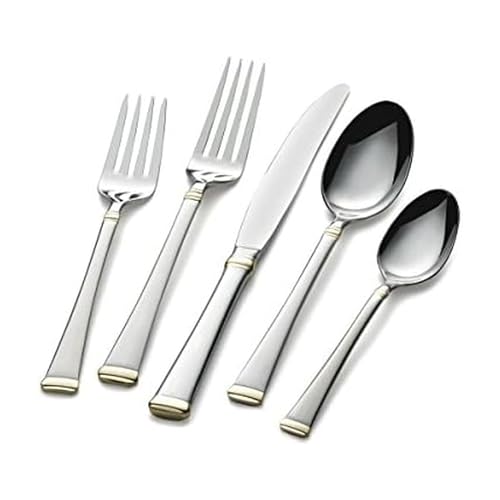

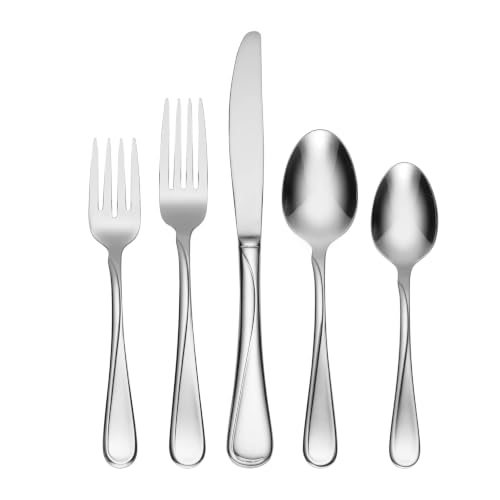
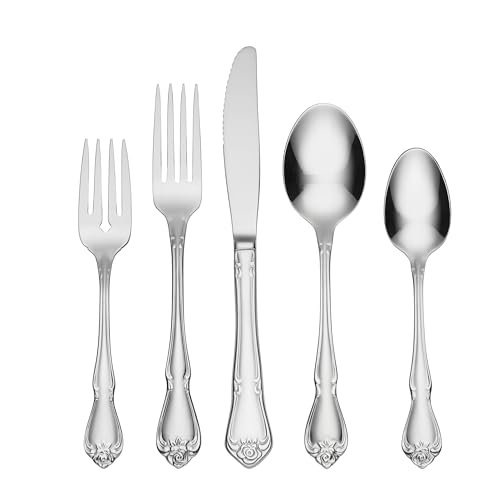
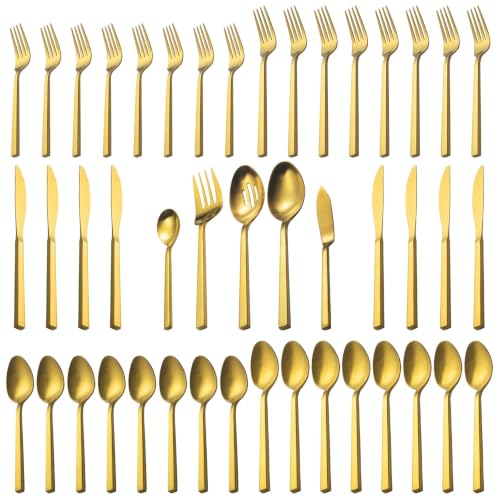
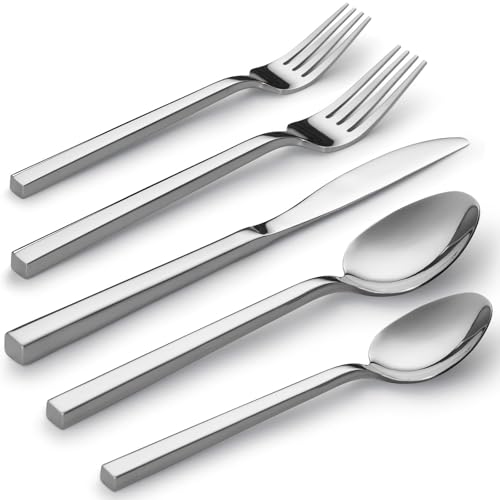

18/10 vs 18/0 Flatware at a Glance
Both grades start from stainless steel with the same chromium base, so the gap between them is narrower than the price gap suggests. The table sums up where each one pulls ahead for a typical household.
| Criterion | 18/10 | 18/0 | Edge goes to |
| Alloy makeup | 18 percent chromium, 10 percent nickel | 18 percent chromium, no nickel | Tie on paper |
| Rust resistance | Strongest of the common grades | Good, but more prone to spots | 18/10 |
| Shine and finish | Bright, deep luster that lasts | Softer sheen, fades sooner | 18/10 |
| Feel in the hand | Heavier, more solid balance | Lighter, easier for small hands | Depends on your home |
| Care needs | Forgiving in the dishwasher | Needs prompter drying | 18/10 |
| Typical price | Higher upfront cost | Lower upfront cost | 18/0 |
| Best fit | Long term family sets, gifts | First homes, big gatherings, rentals | Depends on your home |
Meet the Contenders: 18/10 and 18/0 Flatware
18/10 Flatware Overview
The first number in the grade is the chromium share, and the second is the nickel share. An 18/10 set is made from steel with 18 percent chromium and 10 percent nickel. Chromium forms the invisible layer that guards stainless steel against rust, while nickel adds brightness, smoothness, and extra protection against the acids in foods like tomato sauce and lemon. This is the grade most makers choose for their premium lines, the sets sold as wedding gifts and as the one set a family keeps for decades. It feels substantial in the hand and keeps a polished look with ordinary care.
18/0 Flatware Overview
An 18/0 set uses the same 18 percent chromium base but leaves nickel out entirely, which is what the zero stands for. Removing nickel lowers the cost of the steel and lightens each piece, so 18/0 dominates the shelves of starter sets, cafeteria trays, and bulk party packs. The flatware still resists rust far better than plain steel, and for many homes it serves perfectly well at breakfast, lunch, and dinner. Where it gives ground is in long term shine and in how it handles being left wet or sitting in a full dishwasher overnight.
Head to Head: Where They Really Differ
Material and Durability
Nickel is the whole story here. In 18/10 flatware, nickel makes the steel more resistant to corrosion and gives it a warmer, richer shine that survives years of forks scraping plates and pieces clattering in a drawer. It also helps the surface resist pitting, the tiny dark marks that appear when acids and salts sit on steel too long. In 18/0 flatware, the chromium layer still does the heavy lifting, but without nickel the surface is more likely to develop rust freckles and lose brightness over time, especially in homes with hard water. Neither grade will bend easily in normal use, since strength comes mostly from the thickness and shaping of each piece, but the 18/10 surface ages more gracefully.
Dishwasher Safety
Both grades are sold as safe for the dishwasher, and both belong there for a busy household, though 18/0 asks for a little more attention from you. Load pieces with handles down, keep them from nesting against each other, and use a rinse aid if your water leaves spots. One caution applies to both grades equally: flatware is metal, so it never goes in a microwave, no matter the grade printed on the box. The real divide is timing. An 18/10 set can sit in a steamy dishwasher until morning and come out clean, while an 18/0 set left damp overnight may show faint marks, so unloading promptly protects its finish.
Design
Because 18/10 steel takes a finer polish, makers use it for detailed patterns, sculpted handles, and mirror finishes, while 18/0 sets usually stick to simpler stamped shapes and satin finishes that hide small scratches. Weight plays into design as well. A heavier 18/10 fork feels balanced to many adults and suits a formal dining room, while a lighter 18/0 place setting can be easier for children and older family members to handle at every meal. If you want to see how pattern and finish choices play out on real sets, our lenox portola review looks at a traditional detailed style, and our zwilling opus review covers a clean modern profile, so you can picture each look on your own table before choosing a grade.
Set Contents
The grade matters less here than the count, but the two often travel together. Premium 18/10 lines tend to be sold as service for eight or twelve with matching serving pieces, extra teaspoons, and salad forks included, matching the needs of a family that hosts holidays at home. Budget 18/0 lines are more often packed as service for four, or as large loose count bundles meant to cover a graduation party or a rental kitchen. Count your chairs before you shop. A household of six that entertains monthly will outgrow a service for four in either grade, and buying a second matching set later is only easy while the pattern stays in production.
Value over Years of Daily Use
Value is where the long-term math differs from the price tag math. An 18/0 set that stays bright in a careful home can be the smarter buy, since you paid less for the same daily job. But if a set loses its shine in three years and gets replaced, the second purchase wipes out the savings. Think in cost per year of use. A set you keep for fifteen years at a higher price often costs less per year than a cheaper set replaced twice. Also check whether the maker sells open stock, meaning single pieces you can reorder when a teaspoon vanishes, since that option extends the life of either grade.
Price Tiers and What Your Money Buys
As a rough guide for service for eight, 18/0 sets commonly land at about $25 to $60, while 18/10 sets usually run about $70 to $250 depending on piece count and finish. The jump buys you the nickel content, thicker and better finished pieces, and patterns the maker supports for longer. Sales soften the gap a great deal, since premium flatware is a classic gift season item and discounts show up often in the fall. If your budget sits between the tiers, one practical move is to buy the best grade you can for the pieces you use daily and skip the extras like iced tea spoons until a sale appears.
Our Recommendation for Your Home
Pick 18/10 If
- You are buying one set to keep for many years, or giving flatware as a wedding or housewarming gift.
- Your dishwasher runs daily and pieces sometimes sit damp before unloading.
- You love a bright mirror finish and a fork with real weight in the hand.
- You have hard water at home and want the finish most likely to stay spot free.
Pick 18/0 If
- You are furnishing a first apartment, a dorm, or a vacation rental on a tight budget.
- You need a large count of pieces for parties, potlucks, or a big extended family.
- You prefer light pieces that children and guests with weaker grips can handle easily.
- You are happy to unload the dishwasher promptly and dry pieces by hand when needed.
Not Sold on Either? One More Option
There is a middle grade worth knowing about: 18/8 flatware, made with 18 percent chromium and 8 percent nickel. It sits between the two grades in price and performance, keeping most of the shine and rust resistance of 18/10 at a friendlier cost. Some makers also label the same steel differently in different markets, so always read the two numbers rather than the marketing name. If you want to compare complete sets across all three grades in one place, start with our guide to the best flatware set options for homes of every size.
Your Questions, Answered
Does 18/10 flatware last longer than 18/0 flatware?
Usually yes, mostly at the surface. The nickel in 18/10 helps the finish resist rust spots and pitting for more years of daily washing. One detail surprises many buyers: dinner knives in both grades are often forged from a different steel with little or no nickel, since blade steel favors hardness over shine. So judge a set by the forks and spoons, and expect the knives to need the same prompt drying either way.
Which is easier to clean, 18/10 or 18/0 flatware?
Day to day, both wash the same way in the sink or dishwasher. The difference shows when pieces are left soaking. Flatware of either grade should not sit for hours in water with salty or acidic food on it, but 18/0 marks sooner under that treatment. A quick rinse before loading, and unloading while pieces are still warm, keeps both grades bright with almost no extra effort from you.
What is the main difference between 18/10 and 18/0 flatware?
The difference between 18/10 and 18/0 flatware is nickel: 18/10 steel contains 10 percent nickel and 18/0 contains none, while both share the same chromium base. That one ingredient changes shine, rust resistance, weight, and price. It also matters for a small group of shoppers, since people with a nickel sensitivity often prefer 18/0 pieces for daily contact, which is one case where the cheaper grade is the deliberate choice.
Is 18/10 flatware better than 18/0 flatware for every home?
Not for every home. 18/10 wins on finish and forgiveness, but a light 18/0 set can suit a household with small children, a tight budget, or a need for dozens of pieces at once. When shoppers ask whether 18/10 or 18/0 flatware is the right call, the happiest answers usually come from people who matched the grade to their routine rather than buying the top grade by default.
The Bottom Line
So, 18/10 vs 18/0 flatware: which one fits your home better? Choose 18/10 if you want lasting shine, a solid feel, and a set that forgives a busy dishwasher routine. Choose 18/0 if you want low cost, light pieces, and enough settings to feed a crowd. Either way, the right grade is the one matched to your table, your family, and your habits. Check the product table above once more, weigh the rows against your daily routine, and your 18/10 vs 18/0 flatware decision will make itself.


