
The Best Black Combat Boots Men's: Buying Guide for 2026
Disclosure: We may earn a commission when you buy through links on this page, at no extra cost to you. As an Amazon Associate I earn from qualifying purchases. Learn more
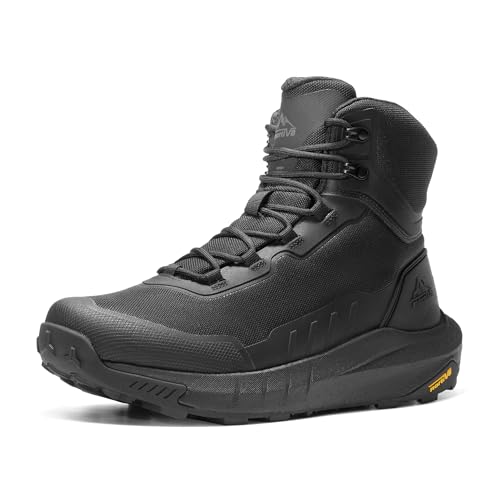
A practical guide to black combat boots for men: fit, toe box room, waterproofing, traction, arch support, cushioning and durability.
Combat boots promise support, grip, and toughness, yet a stiff pair in the wrong size can punish your feet on the very first long shift. This guide shows you how to judge best black combat boots mens by fit, materials, and outsole design before you spend anything. Start with the comparison table below, then use the buying guide to narrow your size and style.
Because these boots sit high on the ankle, small fit errors grow into blisters and sore arches fast.
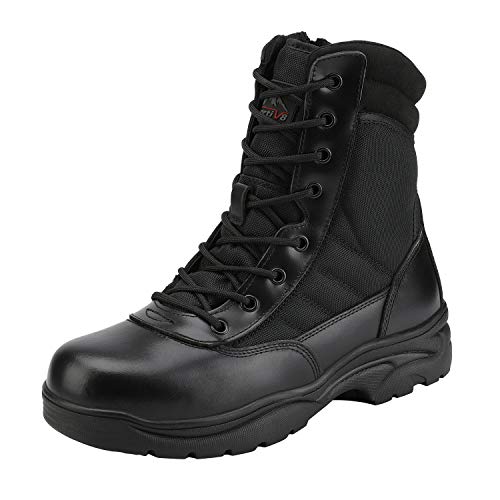


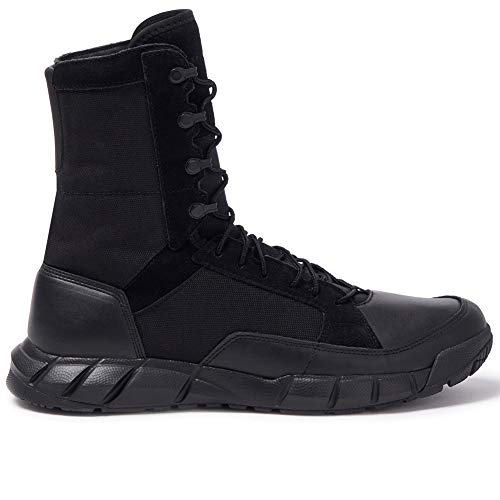

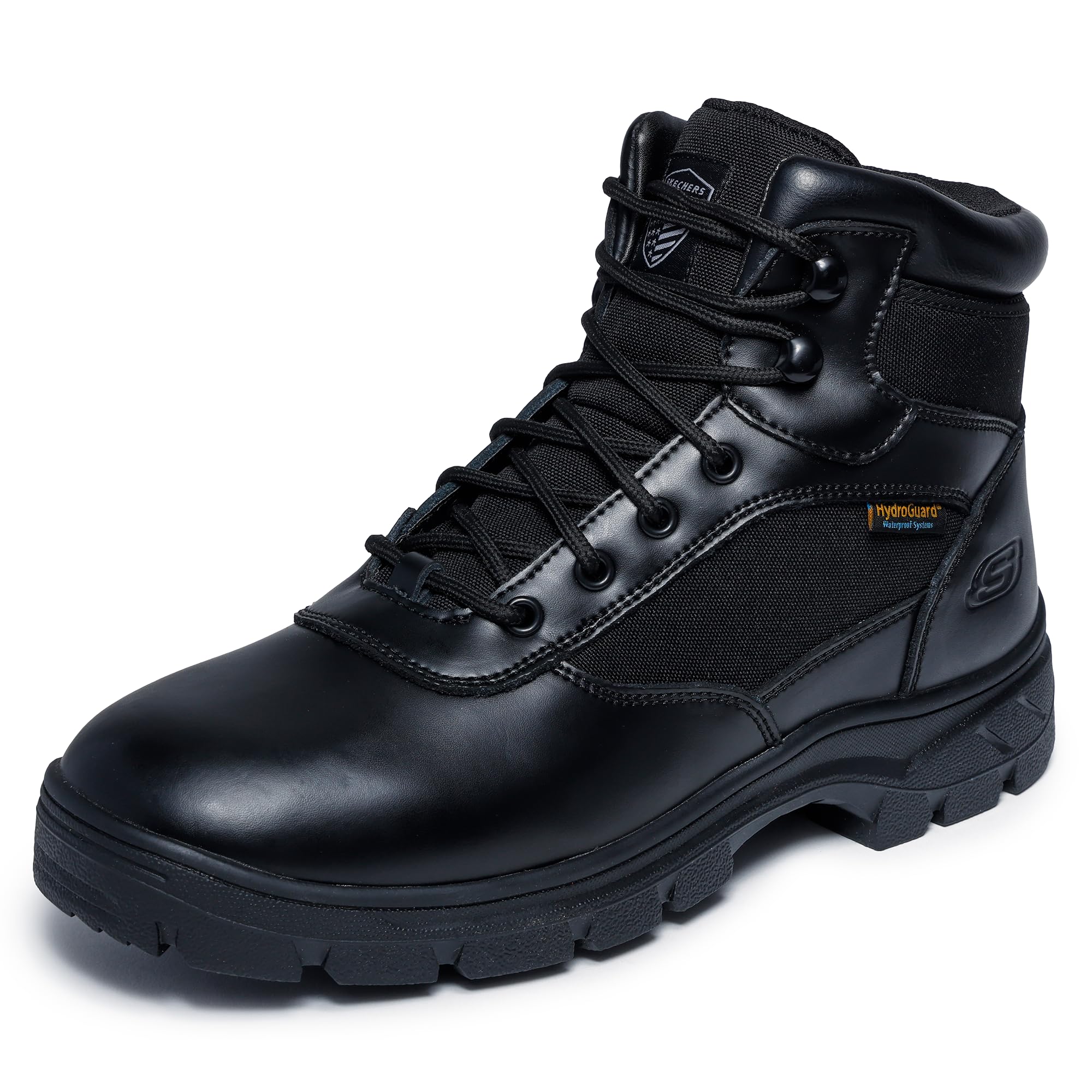


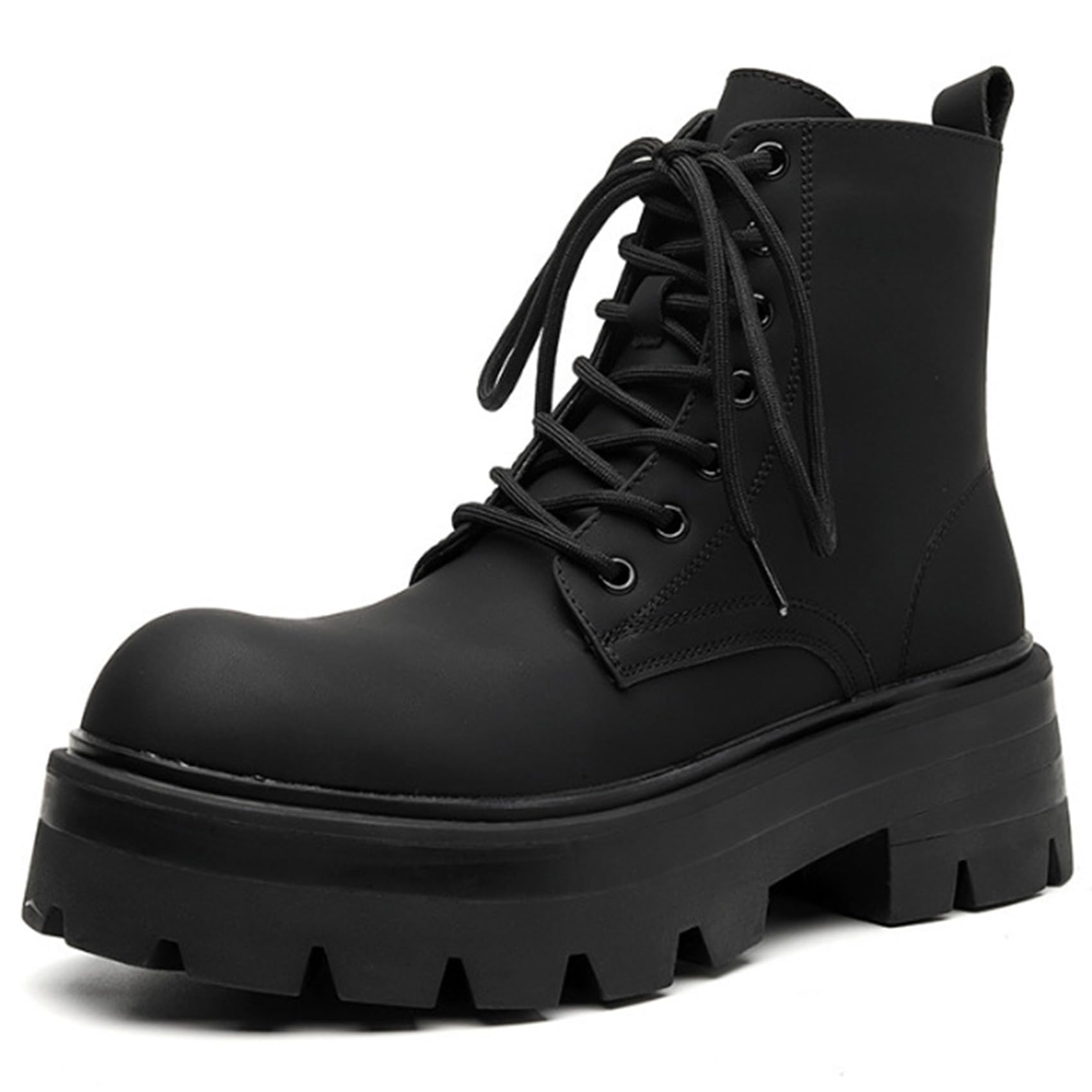
What Strong Options Look Like at Three Levels
Rather than naming models, use these three profiles to judge any boot in the product table above. Each profile states who it suits, what should be present at that price, and the trade off you accept.
Mid Price Profile
Expect to pay about $130 to $220 for a balanced boot with full grain or quality split leather, a cushioned midsole, and a lugged rubber outsole that grips wet pavement. The shaft should support the ankle without digging in, and the lining should wick moisture during long days. Weight lands in the middle of the range, which is the right compromise for men who mix walking, standing, and outdoor work. This profile suits most buyers who want one pair for daily wear across seasons.
Value Profile
Around $70 to $130, value boots usually blend synthetic panels with leather, which cuts weight and cost while keeping decent structure. You give up some long term durability and often get a simpler insole that you may want to replace. Look for a stitched or well bonded sole, metal or reinforced eyelets, and a toe box that does not pinch. For light duty, campus wear, and occasional trail use, this tier delivers the combat look and most of the function without strain on your budget.
Upgrade Profile
Above about $220, premium boots add waterproof membranes, higher grade leather, replaceable soles on some designs, and better arch support built into the footbed. Hardware feels smoother, zips and laces last longer, and the break in period usually shortens because the leather is better tanned. This tier makes sense for men on their feet ten hours a day, riders who need abrasion resistance, and anyone who has worn out cheaper pairs. The extra cost buys lifespan more than style.
How to Choose the Best Black Combat Boots: Buying Guide
Work through the points below in order, starting with fit. When you compare the best black combat boots mens candidates on your short list, a boot that fits well with an average sole will serve you better than a premium boot that fits poorly, every single time.
What Men Should Look For
Men tend to need a wider toe box and a firmer heel counter than fashion boots offer, especially in larger sizes. Check the stated weight per boot, because a pair that feels fine in the store can fatigue your legs by evening if each boot tops about 2 lb. Look for a padded collar, a gusseted tongue that keeps out grit, and speed lacing that lets you adjust tension across the instep. If you wear uniforms or ride, confirm the height and polish friendly finish meet your needs.
Fit, Sizing, and Toe Box
Measure your feet in the afternoon, when they are at their largest, and wear the socks you plan to use. Your longest toe should sit about half an inch from the end, and your toes should spread without pressing the sides. Walk on a slope or step down firmly to check that your foot does not slide forward. Most men size up half a size from dress shoes to allow for thick socks and swelling. A roomy toe box prevents numb toes on long walks and reduces blister risk at the little toe.
Waterproofing (Gore Tex and Membranes)
Waterproof membranes keep rain and puddles out, and brand name membranes such as Gore Tex tend to breathe better than generic coatings. The trade off is warmth and slower drying once water gets in over the top. Choose waterproof boots if you face wet commutes, muddy sites, or snow. Choose unlined or ventilated versions for hot climates and indoor work, where sweat is the bigger problem. Remember that seams and zips are the usual leak points, so a plain lace up shaft often stays drier than a zip design.
Durability and Expected Lifespan
A well made pair worn daily should last two to four years, while rotating two pairs extends the life of each. Full grain leather resists abrasion and can be conditioned back to life, while thin synthetic uppers crack sooner at flex points. Inspect the welt and sole bonding, since sole separation is the most common early failure. Heavy lugs wear slowly on pavement, and a replaceable insole refreshes comfort cheaply. Expect the cushioning to firm up after about 300 to 500 miles of walking, which is your cue to assess the midsole.
Arch Support and Foot Type
Flat feet benefit from a firmer arch and a stable heel, while high arches need more cushioning under the midfoot. If you overpronate, meaning your ankles roll inward, look for a straight last and a dense midsole that resists collapse. Removable insoles matter because they let you fit orthotics without buying a larger size. Our wider guide to the best men's black boots explains foot type matching across other black boot styles. Persistent foot pain deserves a podiatrist visit rather than another boot swap.
Outsole Traction and Terrain
Deep lugs of about 4 to 6 mm grip mud, gravel, and wet grass, while shallower lugs feel smoother and quieter on concrete and tile. Oil resistant and slip resistant rubber compounds help on garage and kitchen floors. A defined heel breast improves control on ladders and steep ground. Match the pattern to your real terrain: aggressive tread on polished indoor floors can feel skittish, and smooth soles in mud are a fall waiting to happen. Flex the boot by hand to confirm the forefoot bends where your foot bends.
Cushioning and Support
Combat boots sit between running shoes and work boots on cushioning. A foam midsole with moderate thickness absorbs impact on pavement, while a shank in the midfoot adds support on uneven ground and ladders. Heel to toe drop is usually modest, which keeps your stance stable under load. If you stand on concrete all day, prioritize cushioning and a rocker that rolls your stride forward. Men with knee or back complaints should test boots late in the day, when tired legs reveal weak support quickly.
Types of Black Combat Boots
Traditional Full Height Boots
The classic eight inch shaft gives the most ankle support and the most formal military look, and it pairs well with uniforms and riding gear. These boots weigh more and take longer to lace, so they suit men who value structure over speed. For a slimmer black profile on formal days, some men rotate in a pair from our guide to the best men's black dress shoes instead of forcing one boot to do everything.
Lightweight Boots
Lightweight designs use nylon panels and foam soles to cut each boot toward about 1 to 1.5 lb, which helps with fast walking, travel, and long shifts. They breathe better and need almost no break in time. The cost is durability, since fabric panels abrade faster than leather and soles wear sooner. They are a smart first pair if heavy boots have hurt your shins before, or if your work is mostly indoors with short outdoor stretches.
Waterproof Boots
Waterproof combat boots add a sealed membrane and often a taller gusseted tongue, making them the right call for wet winters, field work, and muddy festivals. They run warmer, dry slowly, and cost more than standard versions. Treat the outer leather so water beads off instead of soaking the shell. If your style leans sleeker for dry city days, our guide to the best black chelsea boots men's shows a cleaner alternative that still wears well with black outfits.
Setup and Care Tips
- Break boots in with short wears around the house for a week before a long day, and tighten laces from the bottom up for even pressure.
- Air dry wet boots at room temperature away from direct heat, stuffed with newspaper, so leather does not crack and glue does not soften.
- Rotate two pairs if you wear combat boots daily, giving the foam and leather a full day to recover between wears.
- Lace with a heel lock loop at the top eyelets to stop heel slip, which is the main cause of heel blisters.
- Condition leather every few months and brush dirt from the lugs weekly, since packed mud ruins traction.
- Replace worn insoles first when comfort fades, because fresh insoles restore much of the original cushioning for little money.
Frequently Asked Questions
What makes black combat boots for men different from regular boots?
Combat boots for men use a taller shaft, a structured sole, and a wider, more athletic fit than fashion boots. The design comes from military footwear, so ankle support, fast lacing, and grip get priority over slim styling. Regular fashion boots often have narrower toe boxes and thinner soles. If you want the general category without the mens sizing focus, our guide to the best black combat boots covers the shared features.
Can I wear black combat boots for men all day?
Yes, provided the fit is right and the pair is broken in. Cushioned midsoles and a roomy toe box let most men stand and walk for eight to ten hours comfortably. Start with shorter days, use moisture wicking socks, and swap insoles if the stock ones feel thin. If your heels or arches ache after a week of correct wear, the last shape is wrong for your feet and a different fit will serve you better than thicker socks.
How long is the break in period for black combat boots?
Most leather combat boots need about one to two weeks of gradual wear, totaling roughly ten to twenty hours, before the leather softens at the ankle and forefoot. Synthetic and lightweight pairs often feel fine within a day or two. Wear thick socks during the process and protect hot spots with tape. A boot that still cuts or pinches after two weeks is the wrong size or shape, not a boot that needs more patience.
Do I need waterproof black combat boots?
You need waterproofing if your boots regularly face rain, snow, wet grass, or site mud for more than a few minutes at a time. For dry climates and indoor jobs, waterproof membranes only add heat and cost. A middle path is a water resistant leather boot treated with a conditioner that sheds light rain. Think about drying too: in a small apartment, a ventilated pair that dries overnight is often the more practical daily choice.
How should black combat boots for men fit?
They should fit snug at the heel and midfoot with clear space at the toes. Your heel should barely lift when you walk, your toes should wiggle freely, and the widest part of your foot should meet the widest part of the boot. Fit them in the afternoon with your usual socks. Width matters as much as length, so choose a wide fitting rather than sizing up twice if the toe box feels tight.
Wrapping Up
Fit, toe box room, and outsole grip decide whether best black combat boots mens earn a place in your daily rotation. Match waterproofing to your climate, pick the weight your legs can carry all day, and break the pair in gradually. Then compare your short list against the product table above and choose the profile that fits your work, terrain, and budget.


