
Best Blue Diver Watches: Everything to Know Before Your First Purchase for 2026
Disclosure: We may earn a commission when you buy through links on this page, at no extra cost to you. As an Amazon Associate I earn from qualifying purchases. Learn more

Shopping for the best blue diver watches for the first time? Learn the terms, compare options, and avoid rookie mistakes with this easy guide.
Buying your first dive watch can feel confusing because the listings mix beauty shots with numbers that mean little at first glance. This guide slows that process down and explains the best blue diver watches in plain language, from movement and water resistance to case size and strap choice. You will learn what each spec actually changes in daily wear, what you can safely ignore, and how to match a watch to your wrist and your plans. Start with the comparison table below, then use the sections that follow to read those listings with confidence.
A blue dial is more than a color choice. In bright sun it can look vivid and fresh, in office light it reads calm and classic, and underwater it is the traditional color many divers trust for contrast. The right shade, finish, and dial layout matter as much as the movement inside.


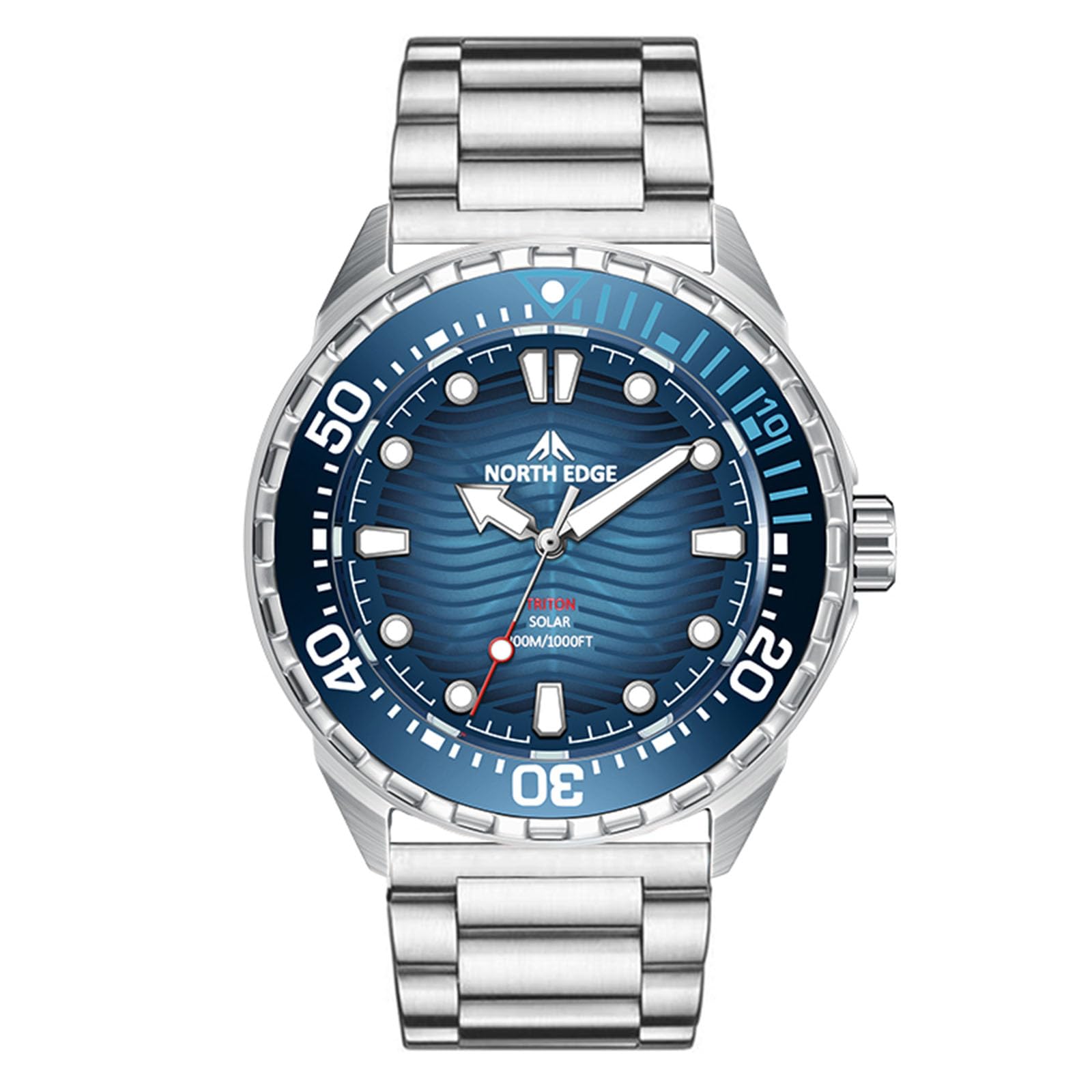
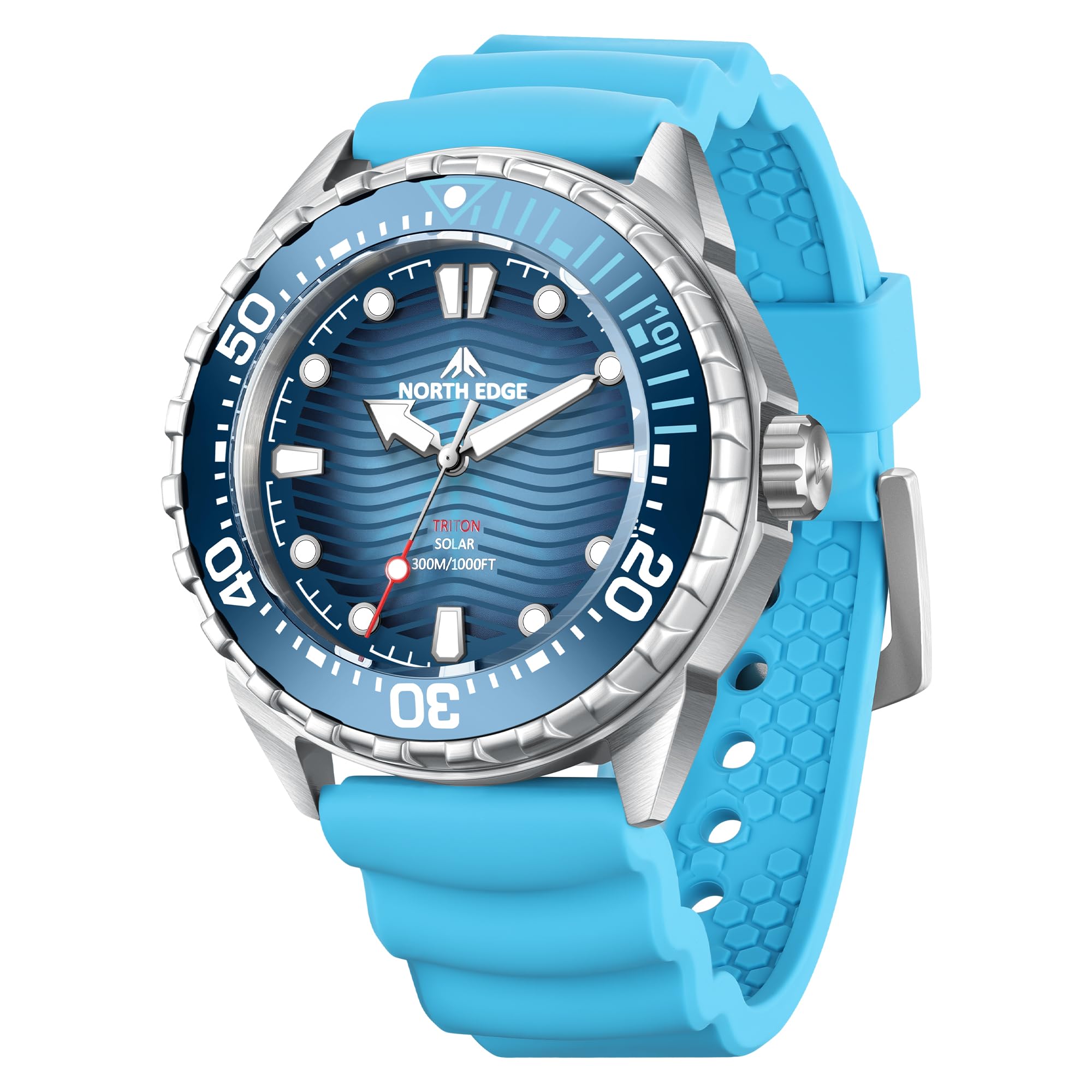
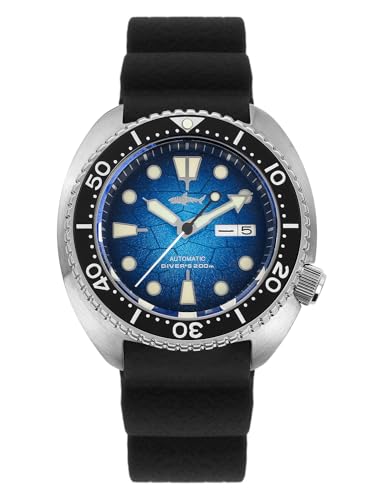

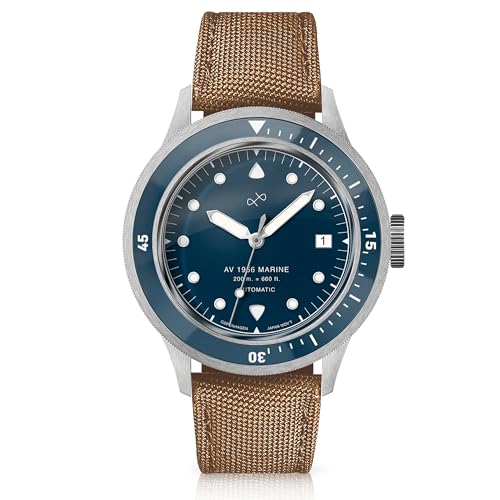

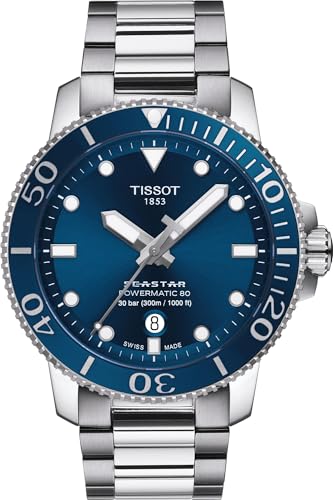


Blue Diver Watches 101: The Basics
A diver watch is built to survive water, pressure, knocks, and low light. The core features are strong water resistance, a rotating bezel that tracks elapsed time, clear markers that glow in the dark, and a case and crown that seal out moisture. Divers use the bezel to track air supply time, but most owners use it for cooking, parking meters, and timing a walk.
The blue version adds a dial in navy, royal, teal blue, or a sunburst finish that shifts tone as light changes. Under the dial sits the movement, the engine that drives the hands. Around it, the case, crystal, and gasket system keep water out. If you are also comparing broader dive styles, see our guide to the best watches for divers for how these core features appear across the whole category.
One useful beginner rule is simple. A watch that looks like a diver is not always built like one. Always check the water resistance rating and whether the crown screws down before you assume it belongs in the sea.
Key Specs Explained in Plain English
Movement Type (Quartz, Automatic, Solar, Smart)
Quartz movements run on a battery and keep excellent time with almost no attention from you. Automatic movements wind from the motion of your wrist, need no battery, and appeal to buyers who enjoy mechanical craft, but they drift by a few seconds a day and need service over time. Solar models charge from light and suit owners who hate battery swaps. Smart and GPS models add tracking and notifications, yet they need charging and their seals and software age faster than a simple analog watch. For a first dive watch, quartz and solar give the easiest ownership, while automatic gives the most traditional feel.
Crystal and Case Materials
The crystal is the clear cover over the dial. Sapphire crystal resists scratches very well and stays clear for years, which is why it appears on higher priced models. Mineral glass costs less and can chip or scratch more easily, though it handles sharp impacts decently. The case is most often 316L stainless steel, a grade that resists corrosion and polishes well. Titanium feels far lighter on the wrist and suits larger cases, but it shows scuffs more readily and usually costs more. For salt water use, rinse any case material after a swim, because salt and sand do more damage than the water itself.
Strap and Bracelet Options
A steel bracelet looks sharp, adds weight, and handles water without complaint, though it can feel cold and heavy on a small wrist. Rubber and silicone straps feel light, grip well when wet, and cost little to replace, which makes them the practical choice for actual swimming. A NATO style fabric strap passes under the case, so the watch stays on your wrist even if one spring bar fails, a real safety plus in the water. Leather looks handsome on land but soaks up water and ages fast, so save it for dry days. A quick release strap system lets you swap looks in seconds without tools, and many owners keep two straps for work and weekends.
Case Size and Wrist Fit
Case diameter alone can mislead you. Most blue divers run from 38 to 44 mm, but the lug to lug distance, the span from one strap end to the other, decides whether the watch overhangs your wrist. Measure your wrist, then look for a lug to lug length that stays within that width. Thickness matters too. A watch around 12 to 13 mm thick slides under a shirt cuff, while a 15 mm case feels bold and sporty but catches on sleeves. Lug width tells you which replacement straps fit, with 20 and 22 mm being the most common. Try sizes on paper by cutting out a circle of the stated diameter if you cannot visit a store.
Legibility and Style
Legibility is how fast you can read the time at a glance, above water and below it. Large markers, strong contrast between hands and dial, and good lume, the glow material on the markers, all help. Blue dials vary in how they read in dim light, so check that the hands stand out against the exact shade you want. A matte navy dial reads quietly and suits an office, while a glossy sunburst dial draws the eye and feels dressier. If color range matters to you, browse our guide to the best blue watches to see how blue tones look across non dive styles too. For a closer look at dial shades and layouts, see our guide to the best watches with blue dial as well.
Brand Reputation, Warranty, and Value
A known maker with United States service support saves you stress when a gasket, crown, or movement needs work. Look for a warranty of at least two years, clear terms on water damage, and a service network you can actually reach by mail. Resale value follows reputation, but for a first watch, ease of service matters more than what a future buyer might pay. Keep the box, papers, and spare bracelet links, because complete sets hold value better and make resizing easier later. Avoid sellers who cannot state the warranty terms in writing, and be wary of prices far below every other seller, since grey market watches may carry no maker warranty at all.
Rookie Mistakes to Avoid
- Trusting looks over ratings. A watch styled like a diver but rated to only 30 or 50 meters belongs at the sink, not in the sea. Look for 200 meters for real swimming and diving confidence.
- Buying the biggest case. A 44 mm case on a slim wrist feels top heavy and bangs door frames. Fit beats presence for a watch you wear daily.
- Ignoring the crown. A screw down crown is a core seal. If a listing never mentions it, ask before you buy.
- Forgetting service costs. An automatic watch needs service every 5 to 7 years, and that cost belongs in your budget from day one.
- Choosing shade from photos alone. Sunburst blue can look almost black indoors and electric blue in sun. Check video or in person views when you can.
Getting Started: Setup and First Use
When the watch arrives, inspect the case, bezel action, and crown threads before removing any protective film. Set the date during the morning hours rather than late at night, because many movements change the date around midnight and forcing it then can strain the mechanism. Screw the crown down fully after setting, every time, and confirm the bezel clicks firmly and lines up at the top marker.
Size the bracelet or strap so the watch sits above your wrist bone and moves only slightly. For a slimmer, vintage inspired fit, you may also enjoy our guide to the best skin diver watches, which covers smaller cases built for the same water use. After any saltwater exposure, rinse the watch under fresh tap water with the crown screwed down, then dry it with a soft cloth. Store it away from strong magnets, such as tablet covers and speaker cabinets, which can affect an automatic movement.
Frequently Asked Questions
Is a smartwatch worth it over a classic watch?
For fitness data and notifications, yes, but for long term water use, a classic diver usually wins. Smartwatch batteries fade within a few years and screens can be hard to read in bright sun at the beach. A traditional watch keeps working for decades with basic service. Many owners end up with both, using the smartwatch for workouts and the diver for travel, swimming, and days when they want no alerts at all.
Quartz or automatic: which is better?
Neither is better for everyone, because they serve different priorities. Quartz is more accurate, cheaper to own, and ready to wear after weeks in a drawer. An automatic feels special to own, sweeps smoothly, and holds interest for collectors, but it stops after a day or two off the wrist and needs periodic service. Choose quartz for set and forget ease, and automatic if the mechanical side of the hobby is part of the appeal for you.
What case size fits my wrist?
Most wrists under about 6.5 inches look best with 38 to 40 mm cases, mid size wrists suit 40 to 42 mm, and larger wrists can carry 43 to 44 mm well. Lug to lug length matters more than diameter, so compare that number with the width of your wrist. As a quick test, the lugs should not hang past the edges of your wrist when viewed from above. Comfort after a full day matters more than the first impression in a mirror.
How long does a watch battery last?
A typical quartz battery lasts about 2 to 3 years, and solar models can run far longer because light keeps them charged. When a quartz watch starts skipping seconds, many movements do this as a low power signal, plan a battery change soon and ask for a pressure check and new gaskets at the same visit. That small extra step protects the water resistance you bought the watch for in the first place.
How water resistant should a watch be?
For swimming, snorkeling, and recreational diving, look for a rating of 200 meters with a screw down crown. A 100 meter rating handles swimming pools and showers for many makers, but ratings are tested in still water, and arm movement adds pressure in real use. A 30 or 50 meter watch should stay away from swimming entirely. When in doubt, follow the maker guide for your exact model rather than the number alone.
Wrapping Up
Start with fit, water resistance, and movement, because those three decide whether you will love wearing the watch a year from now. Then choose the shade of blue and the strap that match your daily life. The product table above pulls the key specs into one view, so compare lug to lug size and ratings there before you decide. Chosen with care, the best blue diver watches give you a tool that handles the sea, the office, and everything between, and your first purchase can be the one you keep.


