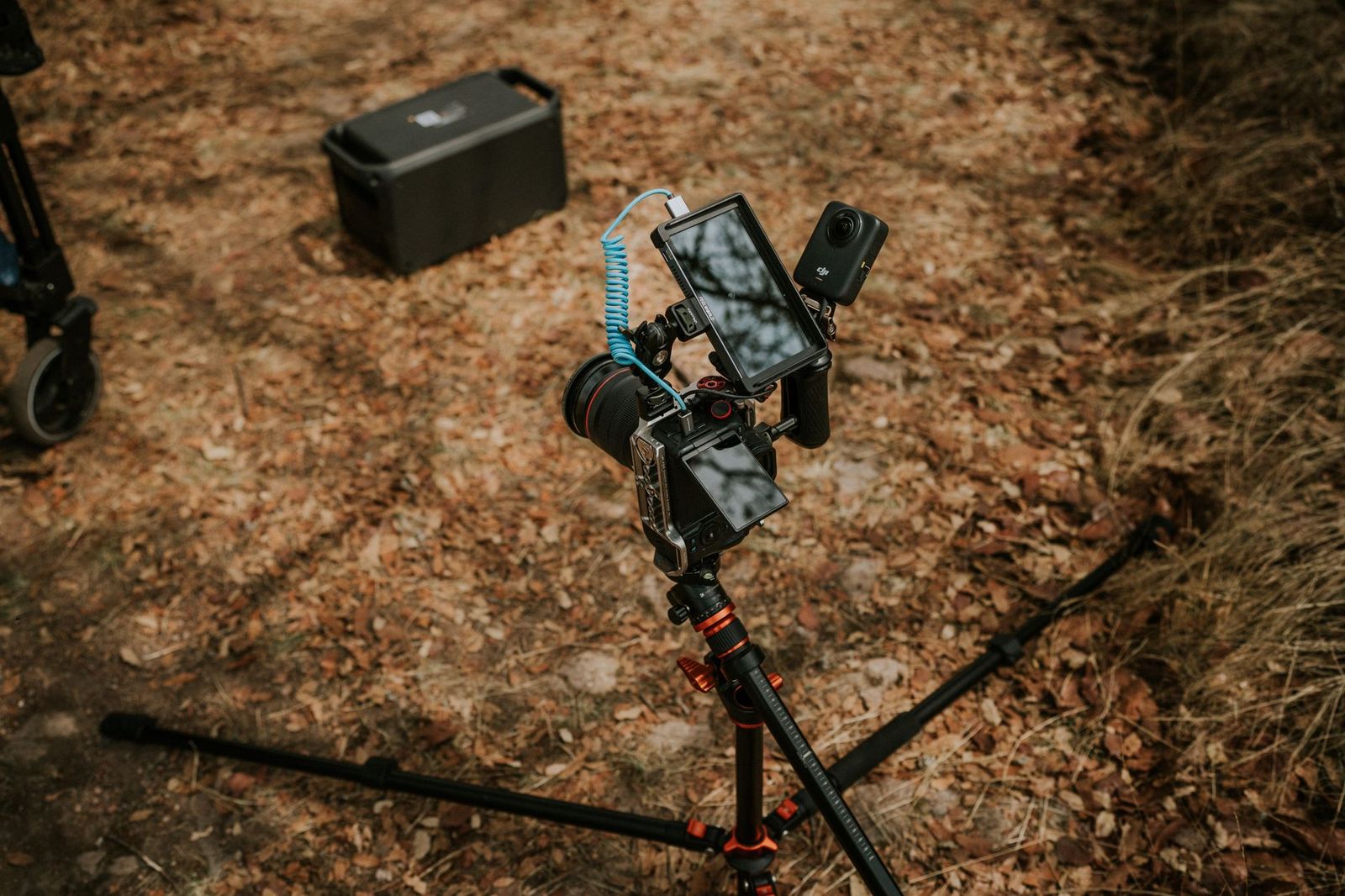
Best Black Combat Boots in 2026: Matching the Right Boot to Your Routine
Disclosure: We may earn a commission when you buy through links on this page, at no extra cost to you. As an Amazon Associate I earn from qualifying purchases. Learn more

Match the best black combat boots to your load, weather, uniform rules and budget, with fit, weight and care guidance for duty, training and weekend use.
A combat boot should be judged under the load and distance of your actual routine, not by how firm it feels during a short store trial. Pack weight, road surface, weather, and standing time change what good support means, so choose the best black combat boots by the work your feet repeat most. The comparison table below sorts the main classes by use, protection, and upkeep.
Black is only the color class. It does not by itself prove a uniform match, a safety rating, or a durable build. The wider parent class is best combat boots.
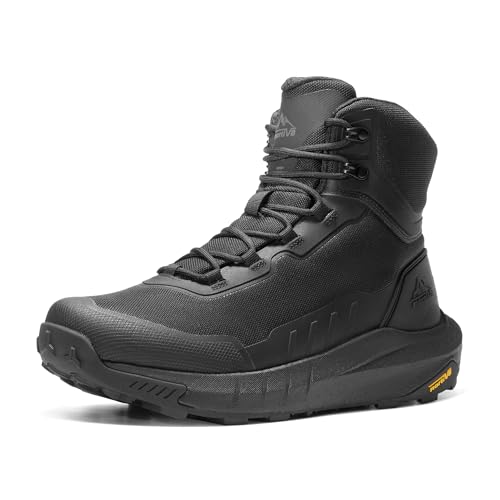
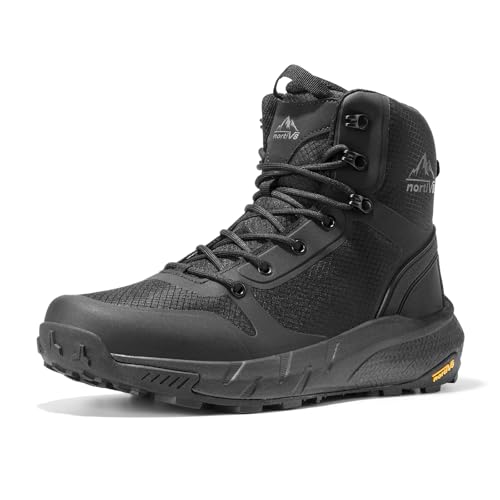

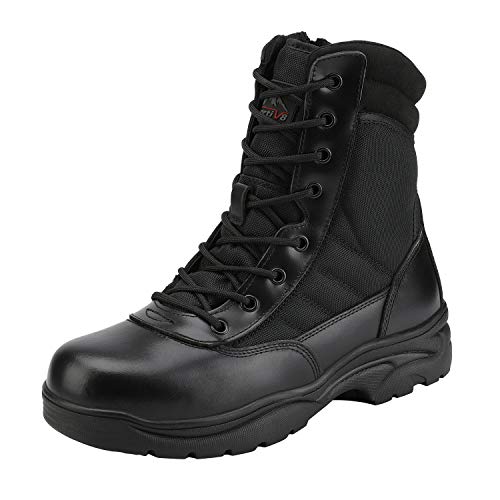


Who Should Buy Which Black Combat Boots?
Routine comes first because the right boot for a wet work site can be wrong for long road marches or a neat uniform setting.
For Wet Ground and Tough Conditions
Choose a sealed upper, a grippy lug sole, and enough ankle structure for mud, gravel, and cold rain. A waterproof membrane class helps when water stays outside the shaft and seams are sealed, though it will breathe less on warm days. Look for drainage and drying expectations if your work crosses streams or flooded ground. In deep water, a membrane can hold moisture in, so the better class may be a fast draining build rather than the most sealed one.
For New Wearers Building a Routine
Start with a moderate weight boot, a forgiving fit, and a price band around $50 to $100. You need time to learn your sock system, lace tension, and weekly distance before paying for the stiffest duty build. A lighter training class can feel better during the first months of walking and conditioning. Avoid copying a high mileage routine on day one. Build distance gradually so hot spots reveal fit problems before they become blisters.
For Compact Kits and Easy Storage
Choose the lightest pair that still matches your load if locker space, travel bags, or a second duty station limit storage. Combat boots do not fold flat, so judge packed height, shaft stiffness, and how fast the pair dries between uses. A lower shaft and flexible upper can save space, but support drops as structure drops. Men comparing broader size runs can check best black combat boots men's for fit notes tied to common duty routines.
| Routine class | Load pattern | Boot traits to favor | Tradeoff |
|---|---|---|---|
| Road and training | Repeated miles with a pack | Secure fit, cushioning, moderate weight | Less armor like stiffness |
| Wet work | Standing and steps in rain or mud | Sealed upper and deep tread | Warmer wear and slower drying |
| Uniform wear | Long shifts on hard floors | Polishable upper and rule ready color | Less aggressive tread |
Key Features to Compare
The product table helps sort price and type, but the sections below decide whether a pair stays comfortable after the first mile.
Load, Fit, Sizing, and Toe Box
State the load plainly before you shop: body weight, pack weight, shift length, and weekly distance all change the boot you need. Fit with duty socks late in the day, then walk, squat, and climb a step. Toes need room to spread under load, while the heel and midfoot should stay locked by the laces. For loaded walking plans, the related guide to best combat boots for rucking goes deeper on distance and pack fit.
Uniform Rules and Safety Ratings
Where a uniform class applies, check your own unit, school, employer, or agency regulation classes before buying, because color, shine, shaft height, and sole rules vary. Where a duty rates a toe class, the certified class decides. A rating rates a hazard class and never promises an uninjured foot. Treat black as a color requirement only when the rule says so. A polishable toe may satisfy one setting and fail another that expects a rough duty finish.
Waterproofing and Membrane Tradeoffs
A membrane class suits rain, wet grass, and slush when the seams and tongue are built to keep water out. It is less helpful once water enters over the collar. In warm climates or high output training, the sealed class can trap sweat and slow drying after a soak. Choose waterproofing for the water you meet most weeks, not for one rare storm. If stream crossings are routine, drainage ports and quick drying linings may protect comfort better than a sealed shell.
Durability and Expected Lifespan
Judge lifespan by sole wear, stitching, eyelet strength, lining wear, and whether the upper cracks at the flex point. Distance is a better wear measure than calendar time, but work surfaces matter too, since concrete grinds rubber faster than trails. A boot used for daily shifts can age quickly even with modest mileage. Replace the pair when tread, heel shape, or internal support changes your gait.
Break In Period and Comfort Out of the Box
A structured combat boot often needs a series of shorter wears before long duty. The upper softens, the insole compresses to your foot, and lace tension points become clear. Comfort out of the box is useful, but a very soft boot may lack support once a pack is added. Build from walks to loaded use and check for heel slip, toe bang, and lace bite. Pain that sharpens, numbness, or swelling is a fit problem to address rather than a stage to push through.
Weight and Flexibility
Extra ounces matter across a full shift or march, yet the lightest boot is not always the most efficient. A flexible sole can feel fast on pavement, while a stiffer sole can spread pressure on rock and reduce foot fatigue under a heavy pack. Flex the boot by hand, then try it under your normal load. The right choice bends near the toes without collapsing at the midfoot. For mostly indoor duty, a lighter flexible class may be the smarter buy.
Common Mistakes to Avoid When Buying Black Combat Boots
- Buying for shelf feel alone, because a boot that feels plush standing still can fail once pack weight and distance are added.
- Assuming black means uniform approved, because shine, shaft height, sole shape, and toe finish can each be regulated.
- Choosing a safety class by color or bulk, because only a certified rating describes the hazard class the toe was built for.
- Sizing with thin socks, because duty socks and foot swelling can turn a close fit into toe pressure by midday.
- Skipping the return window details, because lace based fit problems may appear only after several loaded walks.
Care and Maintenance Tips
Brush grit from the upper and tread after use, loosen the laces, and let the pair dry at room temperature away from direct heat. Rotate two pairs if daily wear is unavoidable, since foam and linings need time to rebound. The color care habits that apply to best black boots also apply here: remove salt and mud early, condition leather before it cracks, and polish only when your setting calls for shine. Do not let the word black imply a rating. Protection comes from certified construction, not from color.
FAQs
How long is the break in period for black combat boots?
The break in period for black combat boots often runs across several shorter outings rather than one fixed number of days. Leather, shaft stiffness, insole density, and your weekly distance all change the pace. Add load gradually and record where pressure appears, because a repeated hot spot points to fit or lacing, not patience. Boots used for daily duty may settle faster by calendar time while still covering fewer loaded miles than a training pair.
Can black combat boots be worn all day?
Yes, black combat boots can be worn all day when the fit, insole support, and sole stiffness match the surface and shift length. Hard floors reward cushioning and a stable heel, while field work rewards structure and tread. Change socks during very long wet days if your routine allows it. If toes go numb or heel slip grows by afternoon, the size or last is wrong for all day use, even if the boot felt fine in the morning.
How should black combat boots fit?
Black combat boots should lock the heel and midfoot, leave the toes room to move, and keep the ankle supported without cutting circulation. Try them with duty socks and stand under your usual load, since weight spreads the foot. Lace from the bottom so tension is even, then retie after a warm up walk. A thumb width guide can help, but pressure points are the better check. Wide feet may need a wide last rather than a longer size.
How often should black combat boots be replaced?
Replace black combat boots when worn tread changes grip, the midsole feels dead under load, or the upper and lining can no longer hold the foot in place. A cracked flex point, torn eyelet area, and a heel that leans to one side are clear retirement signs. High mileage trainers may wear out from distance, while duty pairs can fail from daily compression on concrete. Do not judge by age alone, because storage heat can also age rubber and foam.
Do black combat boots need waterproofing?
Black combat boots need waterproofing when rain, slush, wet grass, or washdowns are part of the normal routine. A sealed class is less useful for hot training, deep crossings, or mostly indoor shifts, where drainage and drying speed may matter more. Shaft height sets the limit, since water that enters at the top bypasses the membrane. Match the choice to your wettest common week, not your wettest imaginable day, and keep a drying plan for multi day use.
Are expensive black combat boots worth buying?
Expensive black combat boots can be worth buying when higher cost brings a better last, stronger stitching, a resolable sole, and materials that hold fit under load. Price by itself proves none of that. Compare warranty terms, replacement insole cost, and how many days a week you will wear the pair. A mid price boot that matches your routine can outlast a premium boot used for the wrong job. For rare weekend wear, durability beyond your use has little value.
Final Thoughts
Start with load, then check uniform and safety rules, then judge fit under your real socks and distance. Wet routines need a deliberate choice between sealing and drainage, while long shifts reward support that survives the full day. When those calls are right, the best black combat boots feel like equipment matched to your routine instead of a generic black pair. Compare the picks in the product table before you commit.