
Best Black Coffee: Everything to Know Before Your First Purchase in 2026
Disclosure: We may earn a commission when you buy through links on this page, at no extra cost to you. As an Amazon Associate I earn from qualifying purchases. Learn more

How to choose the best black coffee: roast, flavor, freshness and value explained, plus simple brewing steps.
Drinking coffee black is the simplest way to taste what is really in the cup, but it is also unforgiving. Without milk or sugar, stale beans taste flat, cheap blends taste bitter and the wrong roast can taste like burnt toast or sour lemon. The good news is that a few basics make a huge difference. This guide to the best black coffee starts from scratch, explains the specs on every bag in plain English and walks you through brewing your first great cup.
We cover the basics, roast levels, value, flavor and acidity, certifications, freshness, origin, rookie mistakes, first brew steps and common questions. The FDA notes that up to about 400 mg of caffeine a day is generally safe for healthy adults; high caffeine blends can pack around 180 mg into a 6 ounce cup, so check labels, and people who are pregnant, have heart conditions or take certain medications should ask a doctor about caffeine limits.



Black Coffee 101: The Basics
Black coffee is brewed coffee served without milk, cream, sugar or flavorings. Everything you taste comes from the beans, the roast, the grind and the water. That is why bean quality and freshness matter more for black coffee than for lattes or sweetened drinks.
A few terms help. Arabica beans are sweeter and more aromatic; robusta beans are stronger, more bitter and carry roughly twice the caffeine. Roast level describes how long beans were roasted, from light to dark. Single origin coffee comes from one country or farm, while a blend mixes beans for balance. Whole bean coffee is ground at home just before brewing, which keeps flavor much fresher than pre ground coffee.
Most people who enjoy black coffee look for a smooth, balanced cup with low bitterness. Medium and medium dark roasts made from 100% arabica beans are the easiest starting point.
Key Specs for the Best Black Coffee, Explained in Plain English
For most first time black coffee drinkers, choose fresh, whole bean, 100% arabica coffee in a medium or medium dark roast.
Roast Level (Light, Medium, Dark)
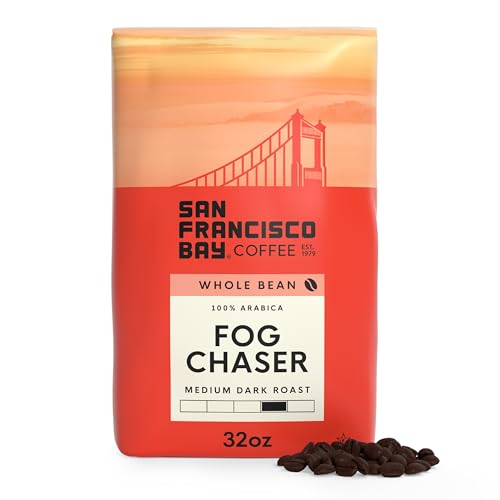
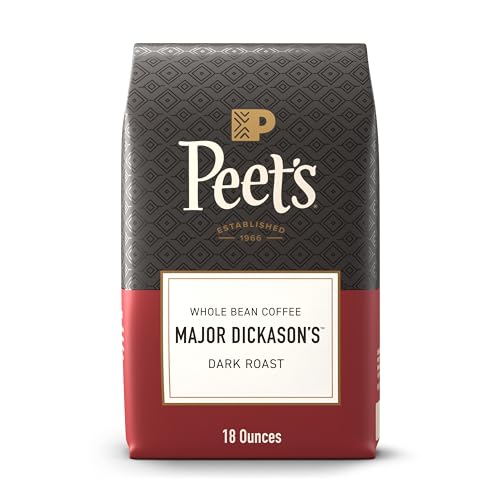
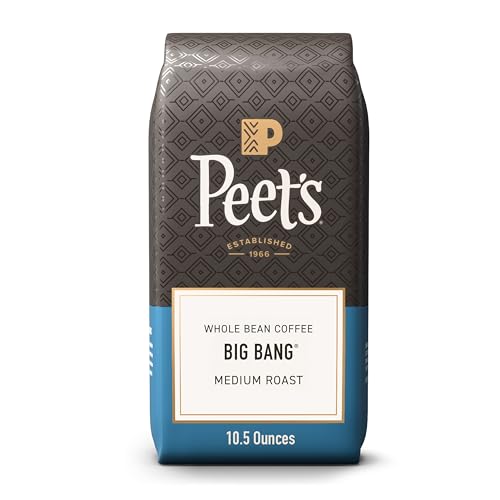
Light roasts taste bright, fruity and acidic, which some find sour when black. Medium roasts balance sweetness and body; Peet's Big Bang is described as smooth with a balanced richness, and Stumptown's Hair Bender as sweet and balanced. Medium dark roasts, like San Francisco Bay's Fog Chaser, add depth without much bitterness. Dark roasts, like Peet's Major Dickason's, taste robust and full bodied but can turn bitter if over extracted.
Flavor Notes and Acidity
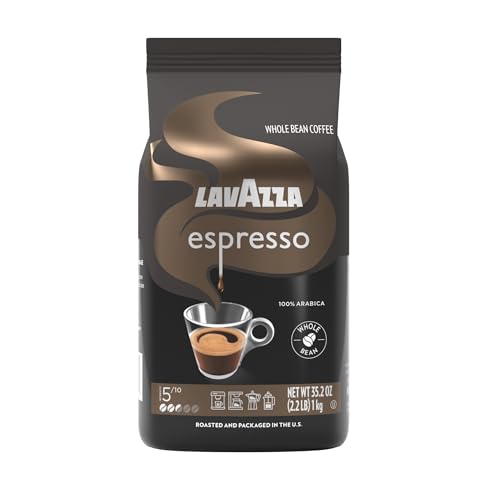
Flavor notes on the bag describe the natural taste of the beans. Lavazza Espresso lists florals and fruit with a sweet finish, and Stumptown Hair Bender lists sweet citrus, dark chocolate and raisin. Acidity is the bright, tangy quality in coffee; lower acidity tastes smoother and gentler. Lifeboost markets its Central American single origin medium roast as naturally low acid for drinkers sensitive to sharp, tangy coffee.
Bean Origin and Single Origin vs Blend
Origin shapes flavor. Central and South American coffees tend toward chocolate and nuts, African coffees toward fruit and florals and Indonesian coffees toward earthy depth. Blends, like Stumptown's Hair Bender from Latin America, Indonesia and Africa, or Lavazza Espresso from South America and Africa, balance flavors for a consistent cup. Single origins, like Lifeboost's, showcase one region.
Arabica, Robusta and Caffeine
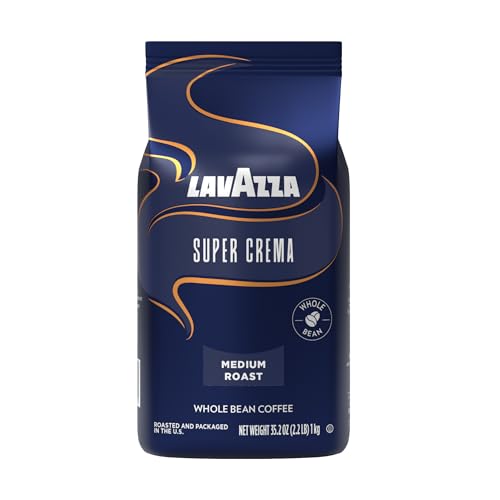
Most premium black coffee is 100% arabica, like Lavazza Espresso, San Francisco Bay, Peet's and Stumptown. Arabica and robusta blends, like Death Wish Coffee and Lavazza Super Crema, add strength, crema and caffeine. Death Wish lists about 180 mg of caffeine per 6 ounce cup, which is much higher than typical coffee.
Freshness and Roast Date
Coffee tastes best within about two to four weeks of roasting. Look for a roast date on the bag, not just a best by date, and buy amounts you can finish in a few weeks. San Francisco Bay recommends storing beans in a cool, dark place and grinding just before brewing.
Certifications (Organic, Fair Trade, Rainforest Alliance)
Certifications describe how coffee is grown and traded. Death Wish Coffee is USDA Certified Organic and Fair Trade Certified, Kicking Horse's Three Sisters is certified organic and Fairtrade and Lifeboost is USDA Certified Organic. Stumptown uses its own Direct Trade program with higher prices tied to quality. Certifications do not guarantee taste but can reflect sourcing values.
Price per Ounce and Value
Compare price per ounce rather than per bag. Lavazza Espresso costs around $20 for 2.2 pounds (35.2 ounces), about 57 cents an ounce. San Francisco Bay's 2 pound Fog Chaser costs around $19, Peet's 18 ounce Major Dickason's around $15 and Stumptown's 12 ounce Hair Bender around $17. Specialty and organic coffees like Lifeboost cost around $29 for 12 ounces.
Brewing Method and Body
Your brewer changes how black coffee tastes. Drip machines and pour over make a clean, light bodied cup that highlights sweetness and flavor notes. French press leaves more oils and fine particles for a heavier, richer cup. Espresso and moka pots concentrate flavor and suit medium to dark roasts like Lavazza Espresso. Cold brew tastes naturally smooth and low in bitterness, which makes it a gentle way to start drinking coffee black.
Grind Size and Consistency
An even grind extracts evenly, while a mix of dust and chunks tastes both bitter and sour at once. Burr grinders crush beans to a consistent size; blade grinders chop unevenly. Match the grind to your brewer, and change only one variable at a time when dialing in a new bag so you can tell what improved the cup.
Rookie Mistakes to Avoid
Buying pre ground coffee. Ground coffee goes stale within days.
Choosing very dark roasts first. Dark roasts can taste bitter black; start with medium.
Using boiling water. Water around 195 to 205°F extracts flavor without scorching.
Using the wrong grind. Too fine tastes bitter; too coarse tastes weak and sour.
Storing beans in the fridge. Moisture and odors ruin beans; use an airtight container.
Skipping a clean brewer. Coffee oils build up in machines and carafes and turn rancid, so descale and wash parts regularly.
Judging a bag on one cup. Give a new coffee a few brews with small grind and ratio changes before deciding you dislike it.
Getting Started: Setup and First Use
Buy fresh whole beans. Choose a medium or medium dark roast.
Grind just before brewing. A burr grinder gives an even grind.
Measure coffee and water. Start with about 1 to 2 tablespoons per 6 ounces of water, or Death Wish's suggested 2.5 tablespoons per 6 ounces if you like it strong.
Match grind to brewer. Peet's suggests a medium grind like sand for drip and pour over and coarse like sea salt for French press and cold brew.
Use filtered water. Clean water tastes cleaner in the cup.
Taste and adjust. If it tastes bitter, grind coarser or brew shorter; if sour, grind finer.
Black Coffee: Your Questions Answered
What is the best roast for black coffee beginners?
A medium roast is the best start. It balances sweetness, body and mild acidity without the bitterness of very dark roasts. Peet's Big Bang, Stumptown's Hair Bender and Lavazza Espresso are approachable medium roasts.
Is Arabica better than Robusta?
Arabica is usually better for black coffee because it tastes sweeter and smoother. Robusta adds strength, body and more caffeine but can taste harsh. Blends like Death Wish use both for bold flavor with high caffeine.
Does black coffee have calories?
Plain black coffee has almost no calories, roughly 2 to 5 per cup, because nothing is added. Calories come from milk, cream, sugar and syrups. That makes black coffee a popular choice for people cutting back on sugar, as long as caffeine stays within a comfortable limit.
Can I use regular coffee for espresso?
Yes, any whole bean coffee can be ground fine for espresso, though medium and dark roasts usually taste best. Lavazza Espresso is made for espresso machines but also works in drip, moka pots and French presses.
Does darker roast mean more caffeine?
No, darker roast does not mean more caffeine. Caffeine differs little between roasts by weight; bean type matters more. Robusta blends, like Death Wish, contain far more caffeine than 100% arabica dark roasts.
How long does coffee stay fresh after opening?
Whole beans stay at their best for about two to four weeks after opening if stored airtight in a cool, dark place. Ground coffee fades within a week or two. Buy smaller bags if you drink coffee slowly.
Why does my black coffee taste bitter?
Bitterness usually comes from over extraction or very dark, stale beans. Grind a little coarser, shorten brew time, use water just off the boil and clean your brewer, since old coffee oils taste rancid. Switching from a dark roast to a fresh medium roast often fixes bitterness right away.
Should I buy whole bean or ground coffee?
Whole bean coffee is better for black coffee because it stays fresh far longer and lets you match the grind to your brewer. Pre ground coffee is convenient but loses aroma within days of opening. If you do buy ground, choose small bags and store them airtight.
Our Verdict
The best black coffee is fresh, whole bean and roasted to suit your taste. Start with smooth medium roasts like Peet's Big Bang, Stumptown's Hair Bender or Lavazza Espresso, try San Francisco Bay's Fog Chaser for a medium dark balance and choose Death Wish only if you want very strong, high caffeine coffee. Grind fresh, measure carefully and adjust until your cup tastes right without milk or sugar.
For more coffee guides, see the best dark roast coffee, the best coffee for French press, the best burr coffee grinders and the best coffee makers. Then compare current prices in the product table above.

