
Best Coffee for French Press: Our 2026 Checklist and Top 3 Picks
Disclosure: We may earn a commission when you buy through links on this page, at no extra cost to you. As an Amazon Associate I earn from qualifying purchases. Learn more

The best coffee for french press: our checklist plus Peet's, Primos and Mayorga picks with grind tips.
The French press is one of the simplest ways to brew rich, full bodied coffee: coarse grounds steep in hot water for about four minutes, then a metal filter presses them down. Because the mesh filter lets natural oils and fine particles through, the coffee you choose matters even more than with paper filtered methods. A good French press coffee tastes deep and smooth, while the wrong grind turns muddy and bitter. This guide to the best coffee for french press brewing walks through the checklist we use, then shares three picks that pass it.
We explain how we evaluate French press coffee, share our top picks, give you a quick buyer checklist and red flags, cover care tips and answer common questions. Every coffee in the table above is sold new on Amazon US.



How We Evaluate the Best Coffee for French Press
We judge French press coffee on roast level and flavor, grind options, freshness and packaging, bean quality and sourcing, bag size and value. A great French press coffee brings out body and sweetness during a long steep without turning harsh. We compared roaster descriptions, packaging details and the overall pattern in owner feedback; we did not brew these coffees ourselves.
Features That Matter for French Press
Immersion brewing extracts flavor for several minutes, so coffees with chocolatey, nutty and caramel notes shine, while very bright, acidic coffees can taste sharp. Medium and dark roasts are popular choices for this reason, though light roasts work well for people who enjoy fruity flavors.
Body matters too. The French press highlights a coffee's natural oils, so beans with a rich mouthfeel feel especially satisfying.
Brew temperature and time also shape flavor. Most French press guides recommend water just off the boil, around 195 to 205°F, and a steep of about four minutes. Coffees that taste balanced at this length make the best everyday choices, since you can adjust strength by changing the coffee to water ratio.
Grind: Whole Bean vs Pre Ground Coarse
The French press needs a coarse grind, similar to coarse sea salt, as Peet's describes. Fine grounds slip through the mesh and make coffee muddy and bitter. Buying whole beans and grinding them coarse with a burr grinder right before brewing gives the freshest flavor and the most consistent grind.
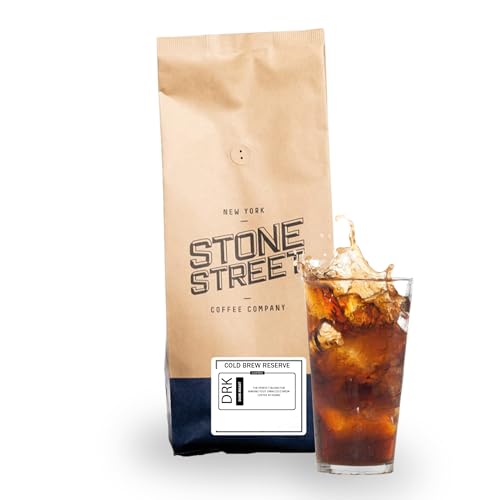
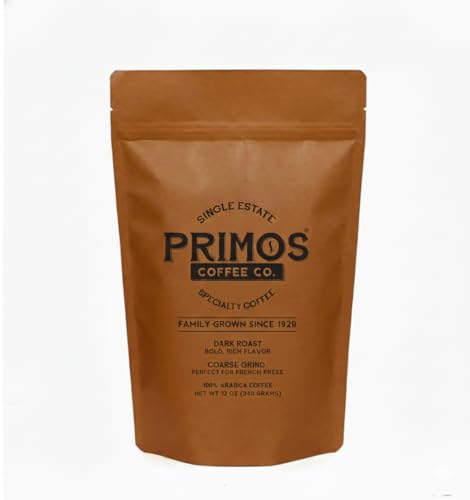
If you do not own a grinder, choose coffee pre ground specifically for French press or cold brew, like Primos French Press Coffee or Stone Street Cold Brew Coarse Ground, since standard pre ground coffee is usually too fine.
Blade grinders produce uneven particles, with fine dust that slips through the mesh and big chunks that under extract. A burr grinder, even an affordable manual one, produces a consistent coarse grind that makes a noticeable difference in a French press. If your coffee tastes muddy, try a coarser setting first.
Roast Level and Coffee Style
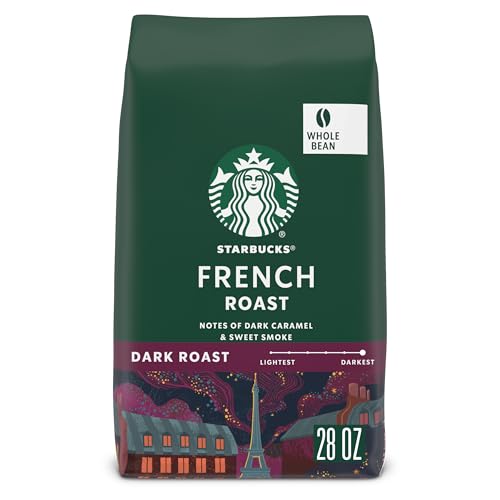
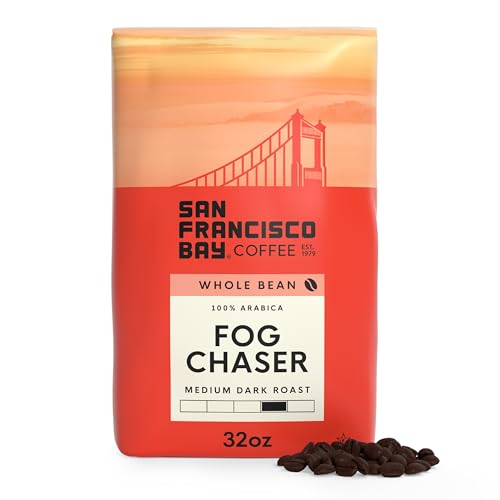
Dark roasts, like Peet's Major Dickason's Blend and Mayorga Cafe Cubano, taste bold and smoky with low perceived acidity. Medium roasts, like Primos' Nicaraguan coffee, taste smooth and balanced with fruit and cacao notes. Medium dark roasts, like San Francisco Bay Fog Chaser, sit in between.
Choose the roast you enjoy in other brewing methods; the French press will emphasize its body.
Many drinkers keep two coffees on hand: a dark roast for weekday mornings with milk and a medium or single origin coffee for slower weekend cups. The French press handles both styles well, so it is a good method for exploring different roasts.
Freshness and Packaging
Coffee tastes best within a few weeks of roasting. Look for one way valves and foil lined bags, like Stone Street's three layer bag with a one way valve, which let gas escape without letting oxygen in. Buy bag sizes you will finish within a month or so.
Once opened, transfer beans to an airtight, opaque canister and squeeze out excess air. Buying smaller bags more often keeps every pot fresh, while large bags suit households that drink several cups a day.
Bean Quality and Sourcing
100 percent Arabica beans, specialty grade labels and single origin or clearly described blends indicate quality. Primos sources from its own family farm in Nicaragua with shade grown, hand harvested beans, and Mayorga describes specialty grade, shade grown, certified organic Arabica from Latin America.
Certifications like USDA Organic and Fair Trade, listed on Mayorga and Amazon Fresh Sumatra coffees, matter to many buyers for environmental and social reasons, though they do not guarantee flavor on their own.
Bag Size and Value
Compare price per pound. Two pound bags, like Mayorga's and Stone Street's, lower the cost for daily drinkers, while 12 to 18 ounce bags stay fresher for occasional drinkers. A standard French press ratio of about 1 gram of coffee to 15 grams of water helps you estimate how long a bag will last.
For example, a 4 cup French press brewing about 32 ounces uses roughly 60 grams of coffee, so an 18 ounce bag of Peet's makes around eight full pots and a 2 pound bag of Mayorga makes about 15.
3 Picks That Pass Our Checklist
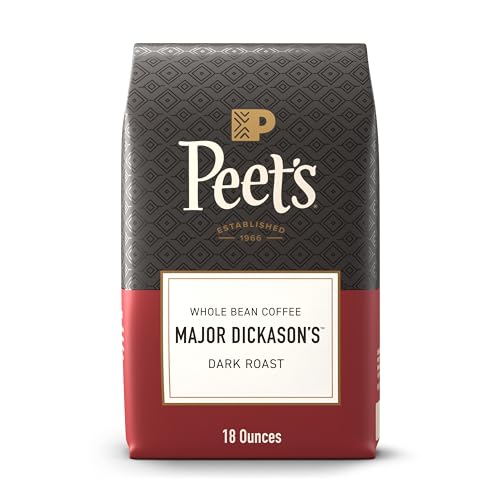
Our picks are Peet's Major Dickason's Blend whole bean for most French press drinkers, Primos French Press Coffee for value and convenience and Mayorga Organic Cafe Cubano Roast as a premium pick for bold, organic coffee lovers.
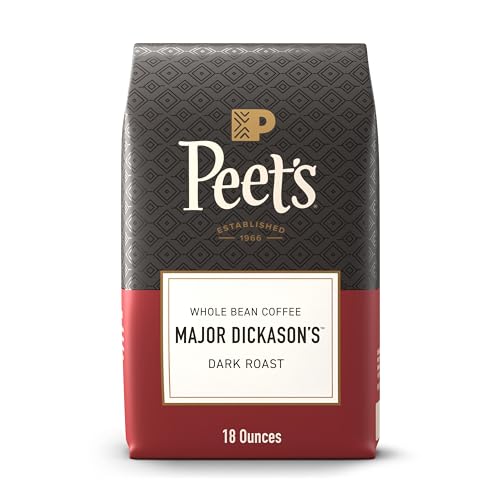
Best Overall: Peet's Coffee Major Dickason's Blend Whole Bean
Peet's Major Dickason's Blend suits most French press drinkers who want a rich, full bodied dark roast, at around $15 for 18 ounces. Peet's describes it as a flavorful, robust, full bodied dark roast of 100 percent Arabica, developed by Mr. Peet and one of his most discerning customers, and recommends a coarse grind like coarse sea salt for French press.
Two strengths stand out: a complex, deep flavor that holds up to immersion brewing and milk, and whole beans that let you grind fresh and coarse for each pot. Peet's has hand roasted coffee for over 50 years, according to the company.
The limitation is that you need a grinder for the best results. Skip it if you prefer light, fruity coffees.
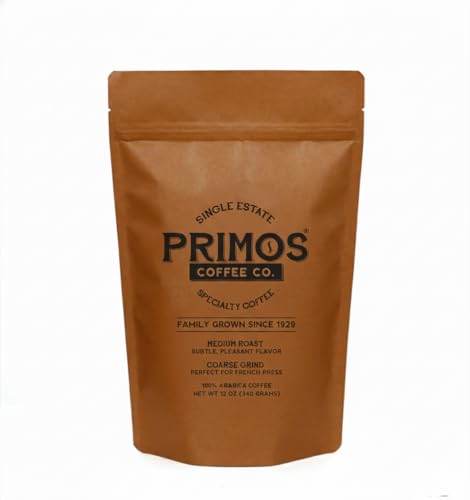
Best Value: Primos French Press Coffee (Medium Roast, Coarse Grind)
Primos French Press Coffee is for people without a grinder who want coffee ground specifically for French press, at around $15. Primos says its coffee is coarsely ground for immersion brewing, a smooth, low acid medium roast with natural fruit and cacao notes, single estate from its family farm in Nicaragua, shade grown, hand harvested and small batch roasted.
Its strengths are convenience and a grind sized for the French press, which avoids the muddy cups common with standard pre ground coffee. It is also sold in a two bag pack and a dark roast version.
The trade off is that pre ground coffee loses freshness faster than whole beans once opened. Skip it if you already grind fresh at home.

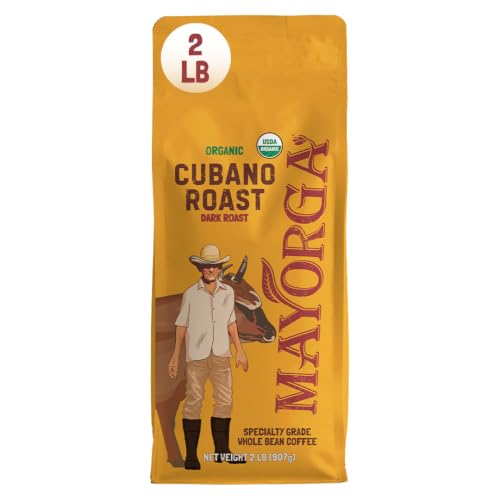
Best Premium Pick: Mayorga Organic Cafe Cubano Roast
Mayorga Cafe Cubano suits drinkers who want a bold, smooth, organic dark roast in a value size, at around $29 for 2 pounds of whole beans. Mayorga describes a Cuban style roast of specialty grade, shade grown, 100 percent Arabica from Peru, Honduras and Nicaragua, slow roasted using its Latin roasting process and certified organic.
The appeal is a rich, sweet dark roast that suits French press and cafe con leche, plus organic certification and a 2 pound bag that lowers the cost per cup for daily drinkers.
The limitation is that a large bag may lose freshness before occasional drinkers finish it. Skip it if you brew only a few cups a week.

Quick Buyer Checklist
- Grind: whole beans to grind coarse, or coffee pre ground for French press.
- Roast: medium for balance, dark for bold body, light for fruity notes.
- Freshness: roast date or one way valve bag, finish within weeks.
- Beans: 100 percent Arabica, specialty grade or clearly described origin.
- Size: a bag you will use within about a month.
- Value: compare price per pound.
Red Flags to Watch For
Avoid standard pre ground coffee labeled for drip machines, which is usually too fine for the French press. Be wary of bags without roast dates or valves, which may be stale. Very cheap coffees sometimes blend in lower grade beans that taste harsh during long steeping. Flavored coffees can leave oils and residue in the mesh filter; clean it thoroughly if you use them.
Also watch for coffees that taste stale, flat or papery even when brewed correctly. Stale beans lose aroma and crema quickly. Check roast dates where available, and avoid buying more than you can use within a month or so.
Care and Maintenance Tips
Store beans in an airtight, opaque container at room temperature, away from heat and light; avoid the fridge, which adds moisture. Grind just before brewing. Rinse and disassemble your French press filter regularly to remove trapped oils, which turn rancid and affect flavor. Replace worn mesh screens when they tear or warp.
Preheat the French press with hot water before brewing to keep the temperature steady, and pour all the coffee out after pressing so it does not keep steeping and turn bitter.
Coffee for French Press: Your Questions Answered
What features matter most in coffee for French press?
A coarse grind, fresh beans, a roast you enjoy and good quality Arabica matter most. Coffees with chocolate, nut and caramel notes taste especially good in a French press.
What grind size works best for French press?
Use a coarse grind similar to coarse sea salt, as Peet's recommends. Too fine a grind makes coffee muddy and bitter and makes the plunger hard to press.
If the plunger is very hard to push, your grind is too fine; if the coffee tastes weak and sour, try a slightly finer grind or a longer steep.
How long does coffee stay fresh?
Whole beans taste best within about two to four weeks of roasting once opened, and ground coffee within about one to two weeks. Store coffee airtight, away from light and heat.
Freezing works for unopened bags you will not use soon; thaw the sealed bag fully before opening to avoid condensation.
Is a more expensive coffee really worth it?
Specialty grade, fresh roasted coffee often tastes smoother and more complex, which matters in the French press. Good value coffees like Primos and Peet's deliver excellent results without premium prices.
Do I need a grinder for French press?
A burr grinder gives the freshest flavor and most consistent coarse grind, but coffee pre ground for French press, like Primos, is a good alternative if you do not own one.
What coffee to water ratio should I use?
A good starting point is about 1 gram of coffee to 15 grams of water, roughly 2 tablespoons of coarse coffee per 6 ounces of water. Use more coffee for a stronger cup and less for a lighter one, then adjust steep time between three and five minutes to taste.
Can I use cold brew coffee in a French press?
Yes, coffee ground for cold brew, like Stone Street Cold Brew Coarse Ground, is coarse enough for a French press and works for both hot brewing and overnight cold brew in the same pot.
Wrapping Up
The best coffee for french press brewing is fresh, coarse and full bodied. Peet's Major Dickason's Blend is our best overall pick for rich dark roast flavor, Primos French Press Coffee offers convenient coarse grounds at a great price and Mayorga Cafe Cubano delivers bold organic flavor in a value size. Grind coarse, steep about four minutes and enjoy.
For more coffee guides, see the best french press coffee makers, the best glass french press coffee maker, the best stainless steel french press coffee maker and the best coffee syrups. Then compare current prices in the product table above.


