
Best Black Athletic Shoes for 2026: Which One Fits the Way You Use It?
Disclosure: We may earn a commission when you buy through links on this page, at no extra cost to you. As an Amazon Associate I earn from qualifying purchases. Learn more

Black athletic shoes sorted by use case: fit, cushioning, arch support and durability for runners, lifters and all day wearers.
There is no single athletic shoe that serves a distance runner, a lifter, a nurse on twelve hour shifts, and a weekend hiker equally well. Black color hides the differences, because a marathon trainer and a court shoe can look nearly identical in photos while behaving completely differently on your feet. That is why the best black athletic shoes for you start with an honest answer to one question: what will you actually do in them?
This guide sorts buyers by use case first, then explains the features that matter for each one, from toe box width to arch support. Start with the comparison table below, then read the section that matches your routine.
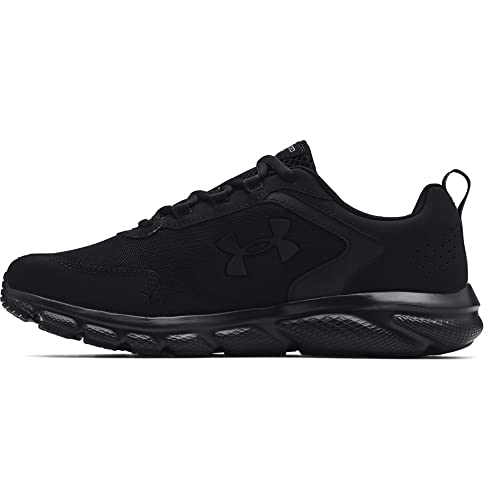

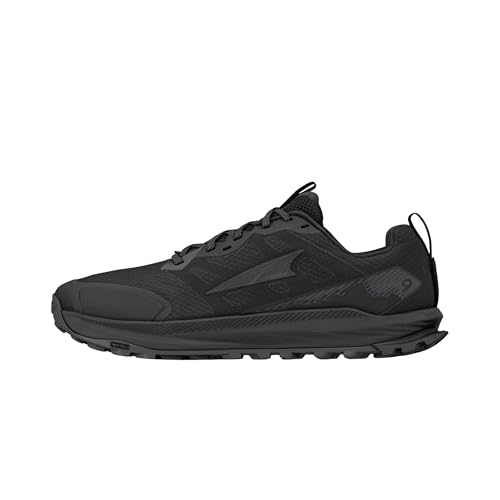


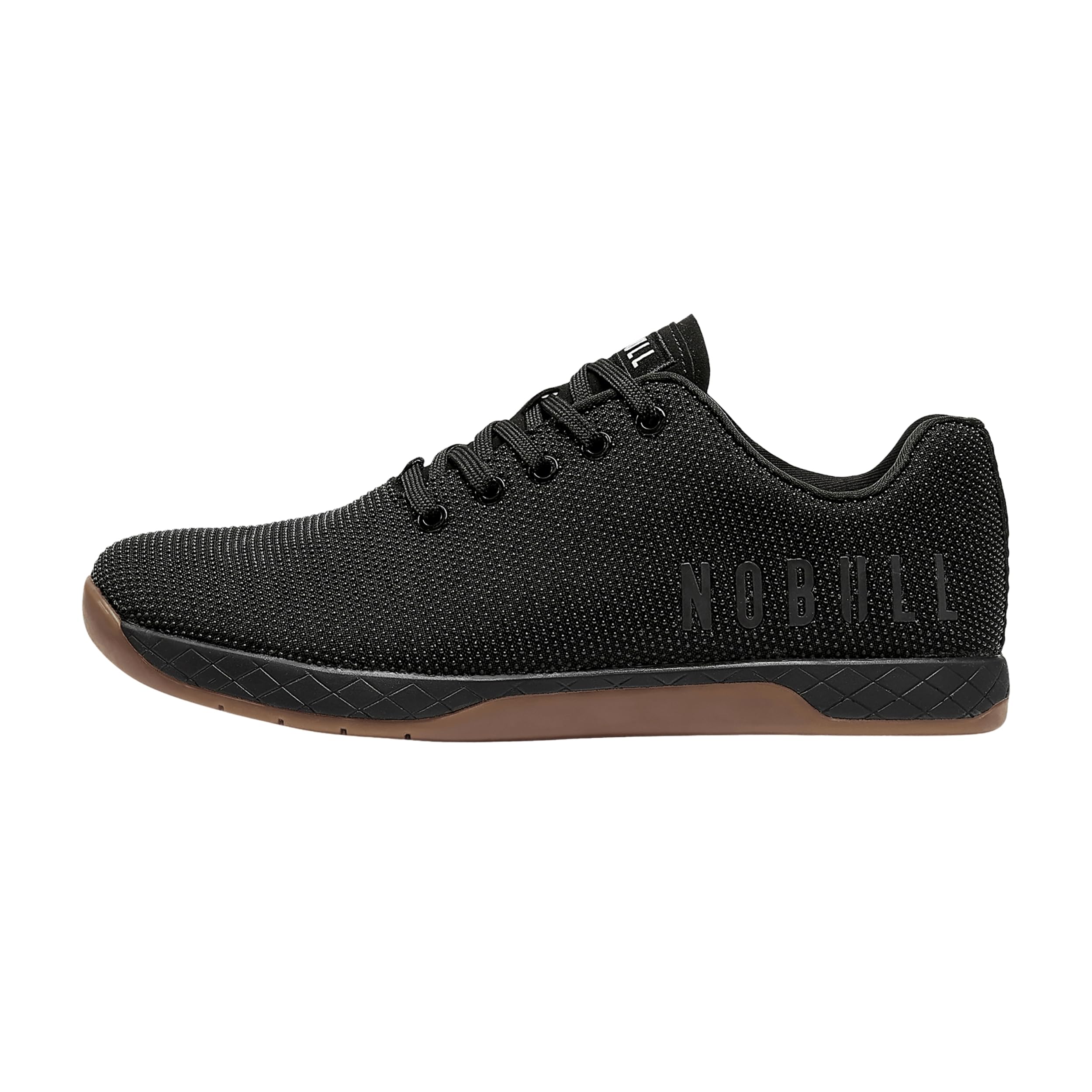

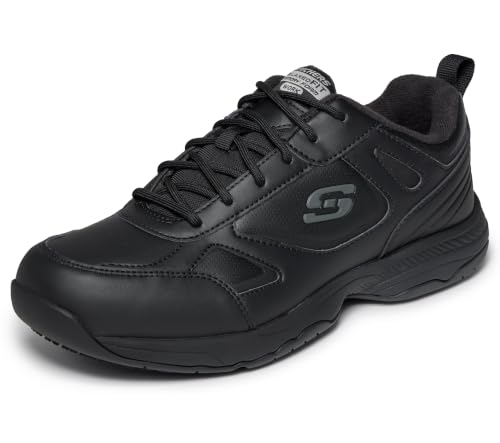
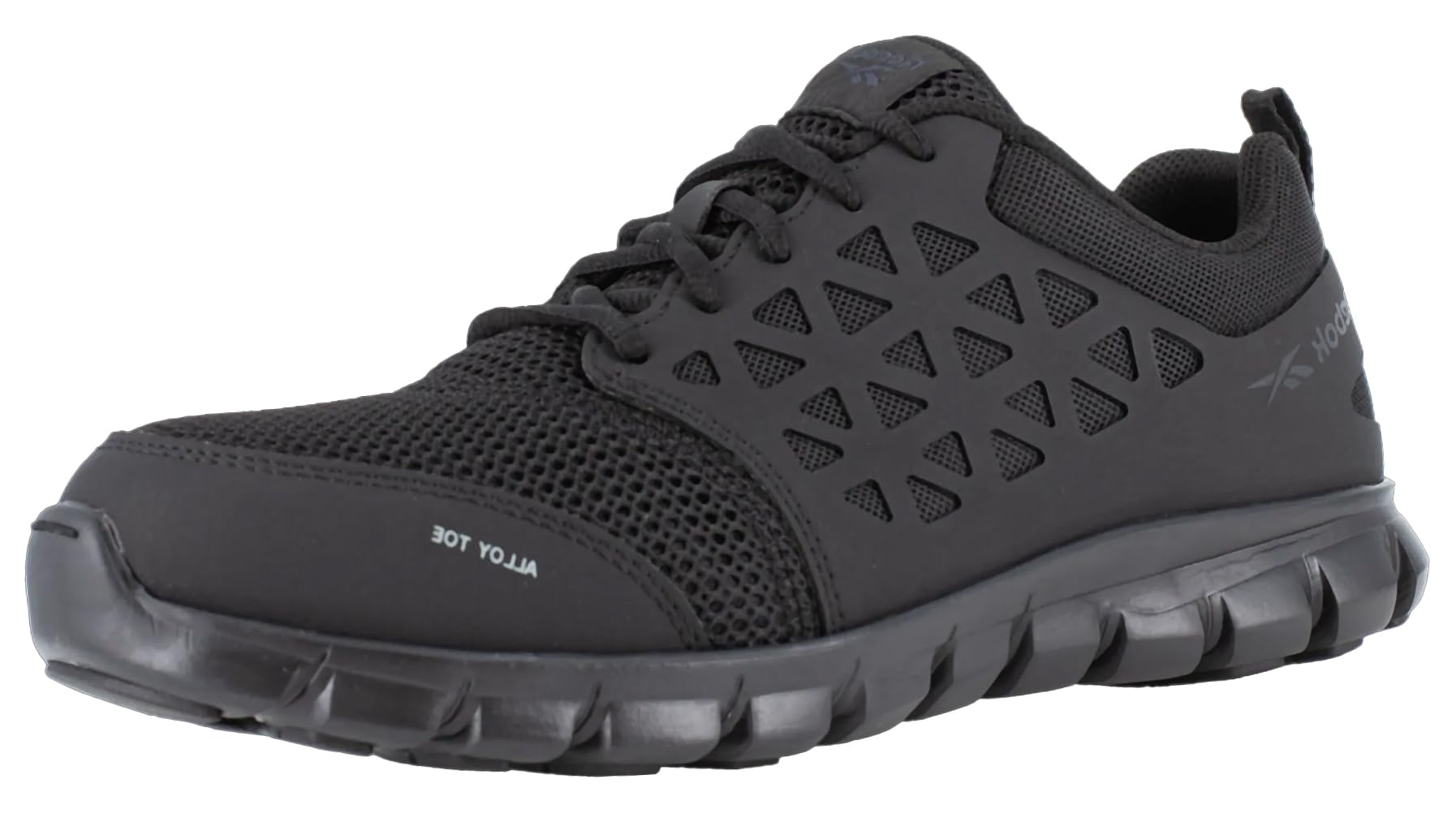
Who Should Buy Which Black Athletic Shoes?
For Runners Building Weekly Mileage
Runners need cushioning that protects joints over thousands of repeated steps, a breathable upper that manages heat, and an outsole that grips wet pavement. Look for a shoe designed for running rather than general training: the heel to toe drop, foam density, and curved sole geometry all assume forward motion. Neutral shoes suit most runners, while those who overpronate benefit from mild stability features.
Expect a useful life of about 300 to 500 miles. Past that point the foam stays visually fine but loses its protective bounce, and aches that appear from nowhere are often just worn foam announcing itself.
For Gym Training and Lifting
Training shoes prioritize a stable, flatter base. Heavy cushioning that feels wonderful on a run becomes a wobbling platform under a loaded squat or deadlift, so gym shoes use firmer foam and a lower drop to keep your foot planted. A wider toe box lets your toes spread for balance, and durable side panels resist the friction of rope climbs and lateral drills.
If your workouts mix lifting with short conditioning bursts, a general training shoe is the honest compromise. If you mostly lift heavy, a dedicated lifting shoe with a raised firm heel serves you better than any all rounder.
For All Day Standing and Walking Jobs
People who stand and walk through entire shifts need a different recipe: generous cushioning, a roomy fit that tolerates feet swelling across the day, and a slip resistant outsole for kitchen, hospital, or warehouse floors. Black athletic shoes dominate this category because they meet workplace dress codes while delivering real comfort.
Arch support becomes decisive here. Flat feet ache under weak support by hour six, while high arches need cushioning that fills the gap. Rotating two pairs across the week, covered later in our care tips, dramatically extends comfort because foam needs a day to recover between shifts. The broader best athletic shoes guide compares categories beyond the black colorway.
For Bad Weather and Tough Conditions
Outdoor training through rain, mud, and cold calls for water resistant or waterproof uppers, deeper outsole lugs for grip on loose ground, and materials that clean up easily. A waterproof membrane such as Gore Tex keeps feet dry in wet grass and slush, at the cost of some breathability on warm days.
Trail oriented shoes add a rock plate or firmer forefoot to blunt sharp stones. If your tough conditions are really about workplace spills rather than weather, prioritize slip resistance ratings over waterproofing, because the hazards and the solutions are different.
Key Features to Compare
Fit, Sizing, and Toe Box
Fit outranks every other feature, because no cushioning system rescues a shoe that pinches or slides. Measure your feet in the afternoon or evening, when they are at their largest, and shop with the socks you will actually wear. Leave about a thumb width of space in front of your longest toe for running, since feet swell and slide forward over miles.
The toe box should let your toes lie flat and spread naturally. Cramped toes lead to blisters, blackened nails, and numbness on longer efforts. Brand sizing varies enough that your number in one maker is a starting guess in another, so check the return policy before ordering and walk indoors on carpet to judge fit at home.
Cushioning and Heel to Toe Drop
Cushioning ranges from firm and responsive to soft and maximal. Softer foams absorb impact for long runs and standing shifts but can feel unstable for lifting and court sports. Firmer foams return energy and stability at the cost of more impact reaching your joints. Your body weight and training surface help decide: heavier runners on concrete usually appreciate more cushion than lighter runners on soft tracks.
Drop, the height difference between heel and forefoot, shapes how load travels through your legs. Higher drops around 10 to 12 mm favor heel strikers and calf relief, while lower drops shift work toward the feet and calves. Change drop gradually when switching, because your calves need weeks to adapt. Shoppers who already know a preferred maker can narrow the field with the best nike athletic shoes guide.
Arch Support and Foot Type
Your arch type guides the support you need. Flat feet often roll inward as you walk, a pattern called overpronation, and benefit from structured support or stability designs. Neutral arches pair with the widest range of shoes. High arches absorb shock poorly on their own and usually want extra cushioning paired with a supportive insole.
Practical know how: the wet footprint test still works. Step out of a shower onto a dry floor or paper bag. A full footprint suggests flat arches, a footprint with a narrow connecting band suggests high arches, and something between is neutral. Dedicated options are compared in our guide to best athletic shoes for pronation. Persistent foot pain deserves a podiatrist visit rather than another shoe experiment, and you should talk with a clinician about personal needs before training through pain.
Durability and Expected Lifespan
Durability shows in the outsole rubber coverage, the density of the midsole foam, and how the upper is built. Shoes with rubber covering the high wear zones of the heel and forefoot outlast exposed foam designs. Mesh uppers breathe well but tear sooner where the toes flex, while engineered knit and synthetic overlays in flex zones extend upper life.
Set your replacement clock by use, not by the calendar. Runners track miles, shift workers can track months of full time wear, and gym shoes often die by upper breakdown before the sole wears. When cushioning feels flat, grip fades, or new aches appear, the shoe has given you its answer.
Common Mistakes to Avoid When Buying Black Athletic Shoes
- Buying by color and price alone. Black hides category differences, so confirm the shoe is built for your activity before anything else.
- Ignoring the toe box. A snug fashion fit causes blisters and numbness in training. Athletic fit means room to spread.
- Skipping the afternoon measurement. Feet measured in the morning lead to shoes that feel tight by the end of every session.
- Using running shoes for lifting. Soft high foam under a heavy bar is unstable and shortens the life of the shoe.
- Never checking the return window. Fit can only be judged on your feet, so a fair trial policy is part of the product.
Care and Maintenance Tips
- Rotate two pairs. Foam recovers between uses, so rotation extends cushioning life and keeps daily wear fresher.
- Air dry away from heat. Remove insoles and loosen laces after wet sessions. Direct heat warps foam and glues.
- Clean gently. A soft brush, cool water, and mild soap handle most dirt. Machine washing shortens the life of adhesives and foams.
- Replace on schedule. Retire running shoes around 300 to 500 miles even when they still look respectable.
- Store loosely stuffed. A shoe tree or plain paper keeps the toe box shape and absorbs moisture between wears.
Black Athletic Shoes: Your Questions Answered
How long is the break in period?
A modern athletic shoe should feel comfortable almost immediately, with full comfort inside the first few sessions. Unlike leather boots, foam and knit uppers need little breaking in. Mild stiffness in a new midsole settles within about 20 to 30 miles of running or a week of daily walking. Pain, hot spots, or numbness are not break in symptoms; they signal a fit problem worth returning. For simple single color options beyond athletic use, see the best black shoes guide.
Do I need waterproof shoes?
You need waterproof shoes only if your training or job regularly puts you in rain, wet grass, snow, or standing water. A waterproof membrane keeps water out but also holds warmth and sweat in, so dry climate runners usually prefer breathable mesh. Many people solve the problem with two pairs: breathable for most days, waterproof for the wet season.
Can I wear them all day?
Yes, provided the shoe matches your foot and your day. All day wear demands the cushioning and support recipe of a walking or standing shoe, not a minimal gym shoe. Give feet room to swell by sizing for the afternoon, and rotate pairs across the week. If your job has a formal dress code, all black athletic designs pass unnoticed in most workplaces.
How often should I replace my black athletic shoes?
Replace running shoes every 300 to 500 miles, walking and work shoes roughly every six to twelve months of full time use, and gym shoes when the base feels unstable or the upper tears. Foam fatigue is invisible, so judge by feel and by new aches rather than appearance. Black uppers hide wear especially well, which makes the mileage habit more important, not less.
Are expensive black athletic shoes worth it?
They are worth it when the extra money buys the right category, better foam, and a fit your feet love, because those things decide comfort and lifespan. Premium prices in the wrong category, such as race day shoes for slow daily shifts, waste money. Midrange shoes around $80 to $140 cover most needs well, and spending beyond that should map to a specific feature you will use weekly.
How should black athletic shoes fit?
They should hold your heel without slipping, leave about a thumb width before your longest toe, and let your toes spread flat without pressure on the sides. The midfoot should feel secure without tightness across the top. Walk, jog in place, and climb a step while testing indoors. A shoe that only feels right while you stand still is not fitted yet.
The Bottom Line
Start with your use case, then fit, then the support your arches need, and let color be the easy final filter it should be. Runners need protective foam and room to swell, lifters need a firm flat base, and all day workers need cushioning plus grip. Compare your shortlist in the product table above, and the best black athletic shoes for your routine will stand out clearly.


