
Best Black and White Printers 2026: A Buying Guide
Disclosure: We may earn a commission when you buy through links on this page, at no extra cost to you. As an Amazon Associate I earn from qualifying purchases. Learn more

Learn how to choose black and white printers for home and office use, from print speed and running costs to duplex printing, paper handling, and connectivity.
Choosing best black and white printers starts with a simple question about what you print most often. Text documents, forms, invoices, and school work all suit a mono printer well, because the machine focuses on sharp black text rather than color. That focus usually means lower running costs, faster first pages, and fewer supplies to manage over time.
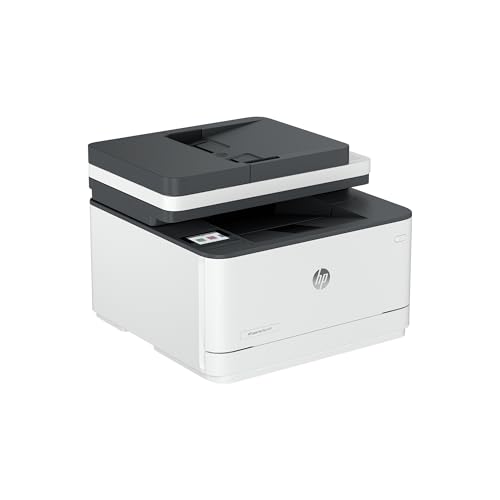
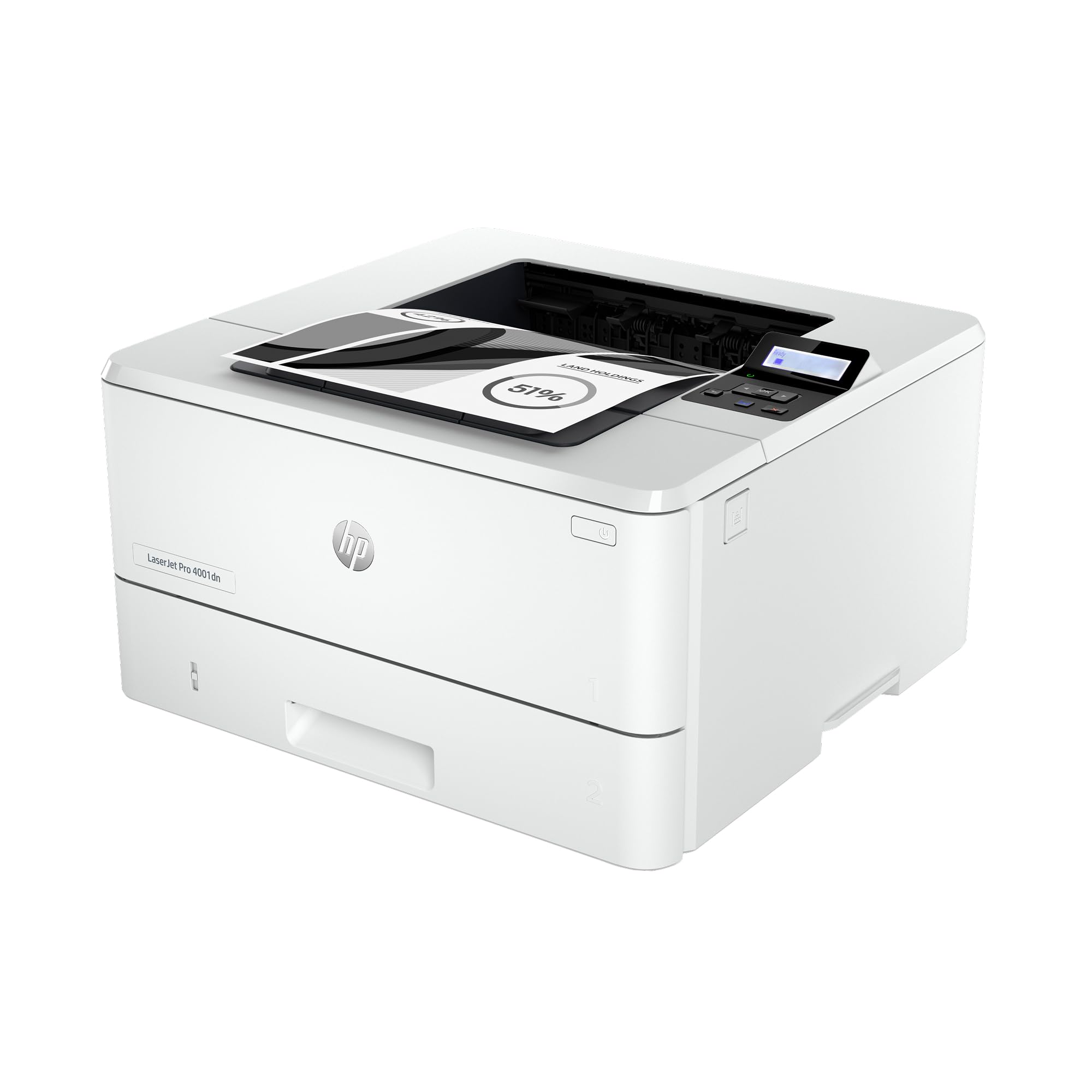
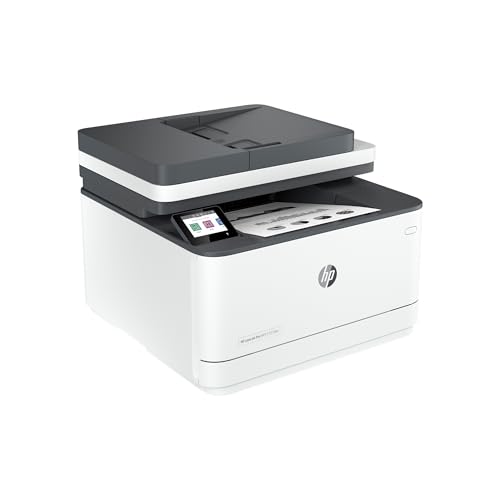
The comparison table below sets out the main options side by side, so you can weigh speed against cost and size against paper capacity. Before you settle on a model, think about how many pages you print each week, whether you need two sided printing, and where the printer will sit. A small desk printer suits light home use, while a larger machine with a bigger tray suits a busy household or a small office.




Who Should Buy This
A mono printer suits anyone whose printing is mostly text. Students printing essays and notes, home workers printing contracts and reports, and small offices printing invoices will all get good value from this type of machine. If you rarely print photos, you avoid paying for color cartridges you seldom use.
A mono printer is less suited to households that print photos, school projects in color, or artwork on a regular basis. In that case, a color machine may still be the better main printer, with a mono machine as a second device for heavy text work. Be honest about your color needs before you buy, since that choice shapes running costs for years.
Key Features to Compare
Compare these features before you decide, and give the most weight to the ones that match your weekly printing habits.
- Print speed in pages per minute, checked at the quality setting you will actually use for everyday documents.
- Running cost per page, including toner or ink, drum replacement, and paper, rather than the purchase price alone.
- Automatic two sided printing, which saves paper and keeps longer documents tidy without manual flipping.
- Paper capacity and tray size, so a busy week does not mean constant refilling in the middle of a print run.
- Connectivity, including wireless printing from a phone or laptop and a wired option for a shared office desk.
Types and Options
Mono printers come in a few broad shapes, and each one suits a different setting.
- Compact laser printers for desks and small rooms, where space matters more than a very large paper tray.
- All in one mono machines that add scanning and copying, useful for forms, receipts, and signed documents.
- Business mono printers with larger trays, faster speeds, and stronger duty cycles for shared office use.
A compact model keeps things simple and affordable, while an all in one machine saves the cost and space of a separate scanner. Business models cost more up front but handle heavy weeks with less fuss and fewer interruptions.
Getting the Choice Right
Measure the space where the printer will live, including room to open trays and replace a cartridge. Check that the paper size you use most often is supported without an add on tray, and that envelopes or labels feed cleanly if you print them often. A printer that fits your desk and your paper habits will be used far more happily than a larger machine squeezed into a corner.
Set up the printer on a stable surface near a power outlet, and test wireless printing from every device you plan to use. Print a sample document at normal quality and at draft quality, then compare sharpness and speed. Keep spare paper and one spare cartridge nearby, so a deadline is never held up by an empty tray or an empty cartridge.
Care and Everyday Use
Keep the printer clean and dry, and use it at least once a week so toner and moving parts stay in good condition. Store spare cartridges sealed and upright, away from heat and sunlight, and follow the maker guidance for drum care. Simple habits like these keep text sharp and reduce jams over the life of the machine.
When a jam happens, switch the machine off before clearing paper, and pull sheets gently in the direction of travel. Check for torn fragments, since a small piece left inside can cause repeated jams. If print quality fades, run the built in cleaning cycle before assuming a cartridge is empty.
Mistakes to Avoid
One common mistake is judging a printer only by its purchase price and ignoring toner costs. Another is buying a machine with a paper tray that is too small for a busy week, which leads to constant refilling. A third mistake is overlooking connectivity, then finding that a phone or a second laptop cannot print without a cable.
Avoid buying extra features you will not use, such as a very large tray for a household that prints a few pages a week. At the same time, do not choose the smallest machine for a shared office, since heavy use will wear it out sooner. Match size, speed, and running cost to real weekly use, and the purchase will feel right for much longer.
Related Guides
For laser-only models, see best black and white laser printers. Photo-focused readers can check best printers for black and white photos and best printers for black and white photography, while document users can read best printers for black and white printing.
A Final Check Before You Order
Before you order, print a test week on paper, counting every document, form, and school sheet you actually produce, so the printer speed and tray size you choose reflect real life rather than a guess. Note which days produce the heaviest load, since a printer that copes on a quiet Tuesday may struggle on a busy Monday morning. That simple week of counting prevents both overspending on an office machine and frustration with a tiny desk model.
Check the total cost of ownership over two years, adding toner, drum, and paper to the purchase price, and compare that total across two or three shortlisted models. A cheaper printer with expensive toner often costs more by the second year, while a slightly dearer model with efficient toner can save money quietly each month. Keep a note of cartridge yields, and be wary of yields quoted only at very light coverage.
Finally, confirm driver support for every computer and phone in your household, and test wireless setup during the return window if possible. A printer that only works well from one laptop will cause arguments in a shared home, while a well connected model serves everyone smoothly. Good connectivity, honest running costs, and a realiztic page count together make a mono printer purchase feel settled rather than rushed.
Planning Your Purchase
Think about where the printer will sit in relation to your main work area, since a printer tucked in another room gets used less and monitored less for paper and toner. A short walk to collect prints is fine, but a printer hidden behind furniture invites forgotten jobs and empty trays. Place it where you can hear it, reach it easily, and check supplies at a glance, and daily printing becomes smoother.
Consider how the printer handles mixed paper sizes across a typical month, including envelopes, labels, and thicker card if you ever print them. A machine that jams on envelopes or refuses thicker stock will frustrate you exactly when a deadline matters most. Test those paper types early, using the manual feed if one is provided, and keep a note of settings that work reliably.
Finally, keep a spare cartridge and a ream of your usual paper in a known spot, so a busy week never stalls for want of supplies. Running out mid document is a small problem with an easy prevention, yet it causes outsized stress when it happens. A tidy supply corner, a realiztic page count, and a printer matched to real use together make mono printing dependable rather than annoying.
Frequently Asked Questions
Do black and white printers cost less to run than color printers?
In most cases, yes, because a mono machine uses one black cartridge rather than several color cartridges. Text pages therefore cost less per page, and you avoid replacing a color cartridge that ran out while you were printing text. Check the stated yield of the cartridge and divide the cartridge price by that yield for a rough per page figure. Remember that drum replacement and paper also add to the total, so include them when you compare models.
Is a laser printer better than an inkjet printer for black text?
Laser printers usually produce sharper text at faster speeds, which suits heavy document printing. Inkjet machines can be cheaper to buy and may suit very light use, but their per page cost for text is often higher. If you print many pages each week, a laser model is usually the more economical and reliable choice. For a few pages a month, either type can work well.
What does automatic duplex printing do?
Automatic duplex printing prints on both sides of the sheet without you flipping the paper by hand. It saves paper, reduces the thickness of long documents, and keeps reports looking tidy. It is worth having if you print contracts, essays, or manuals often. If you only print single pages, it matters less, but it is still a useful feature to have.
How much paper capacity do I need?
A tray of about 150 sheets suits light home use, while a tray of 250 sheets or more suits a household or office that prints daily. A larger tray means fewer refills and fewer interruptions during long print runs. Think about your busiest week rather than an average week, since capacity matters most when you are in a hurry. A second tray is a bonus for offices that use two paper sizes.
Can I print from a phone to a black and white printer?
Most current mono printers support wireless printing from phones, tablets, and laptops. Check that the printer supports the printing system on your phone before you buy, and test it during the return window if you can. A wired USB connection remains a reliable fallback for a single desk computer. Shared offices benefit from a network connection so several people can print without moving cables.
Final Thoughts
The right mono printer is the one that matches your page count, your paper habits, and your budget for running costs. Start with speed and per page cost, then check paper capacity, duplex printing, and connectivity. The product table above gives a quick comparison, and the sections in this guide explain each choice in plain terms.
Take a moment to count your weekly pages and list the paper sizes you use before you order. That short check prevents the most common regrets and helps you choose best black and white printers with confidence rather than guesswork.


