Best Black and Decker Leaf Blower in 2026: Corded, Cordless and Blower Vac
Disclosure: We may earn a commission when you buy through links on this page, at no extra cost to you. As an Amazon Associate I earn from qualifying purchases. Learn more

Corded, cordless and blower vac models compared on power source, air output and weight, so you can pick the best black and decker leaf blower for your yard.
Black and Decker sells several leaf blowers that look similar on the shelf, yet they suit very different yards. Some run on a cord, some run on a battery, and some also vacuum and mulch the leaves they collect. Picking the wrong type leaves you short on power or tied to the wrong power source. This guide to finding the best black and decker leaf blower for your home compares the main types by power source, air output, housing materials, and yard size.
The product table below lines up the key specs side by side, so you can spot the right category before you read the detail. After that, we walk through who each type suits and the features that matter most.


The Main Types of Black and Decker Leaf Blowers Compared
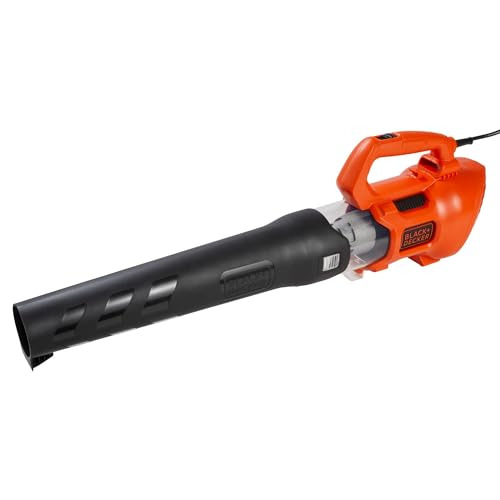
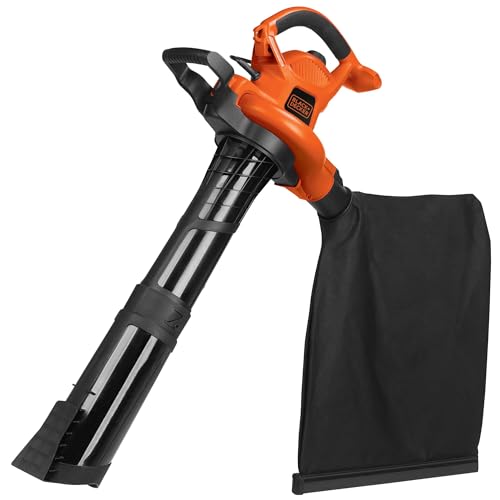
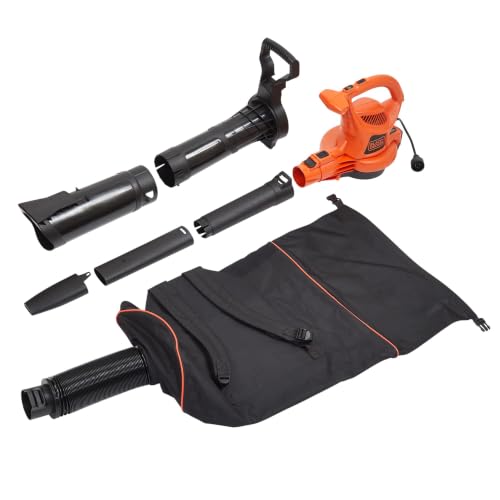
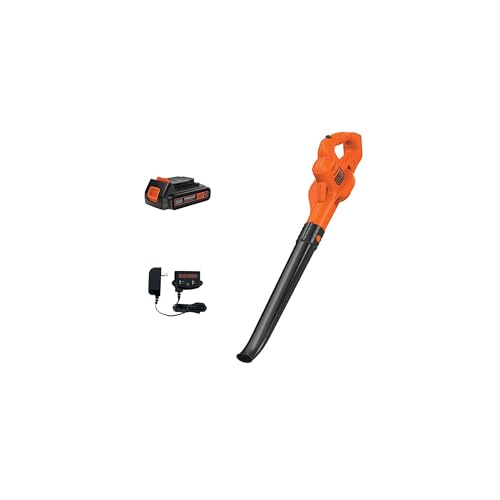
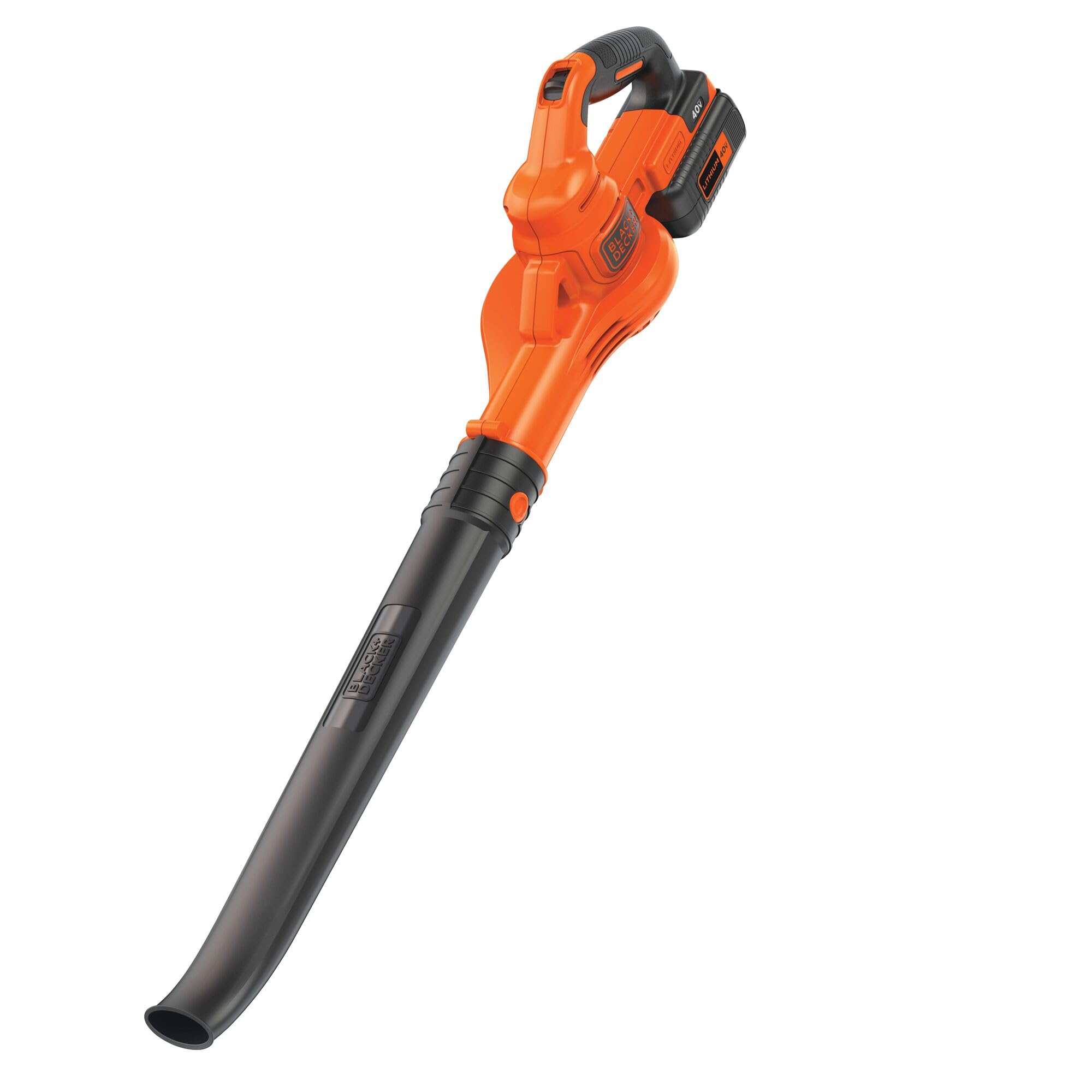
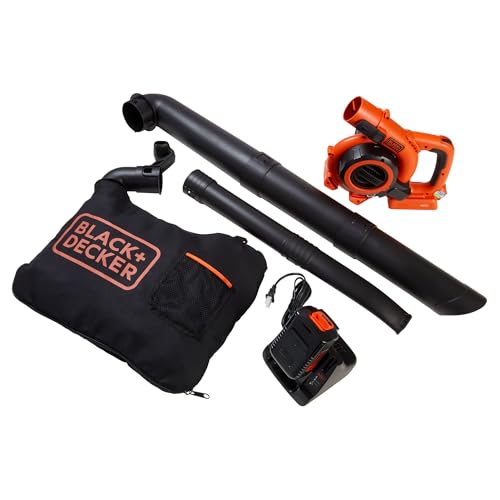
The Black and Decker range splits into three broad types, and the type matters more than any single spec. Corded electric models give steady power at a low price, but the cord limits your range. Cordless battery models free you to move anywhere, though runtime depends on the battery you own. Blower vac models add a vacuum and mulching function, so one tool clears the lawn and collects debris in a bag.
If you are still deciding between brands and power sources, start with our guide to the best leaf blower options for home use, then come back here to narrow down the Black and Decker range. Most homeowners choose this brand because the tools are light and priced for occasional yard work.
Who Should Buy a Black and Decker Leaf Blower?
Owners of Small Yards and Townhomes
If your outdoor space is a small lawn, a patio, and a short driveway, a compact corded or small battery model covers the whole job. You do not need huge air volume to move dry leaves off grass and hard surfaces, and a light tool is easier to carry around planters. An outdoor outlet nearby makes a corded model the simplest choice.
Suburban Homeowners With Trees
A midsize suburban lot with a few mature trees drops far more leaves than a townhome patio, so you need more air speed and a longer working session. A cordless model in the higher voltage line suits you if you already own matching batteries, because you can swap packs and keep going.
Gardeners Who Want to Vacuum and Mulch
Some gardeners would rather collect leaves than blow them into a pile at the curb. If that sounds like you, look at the blower vac end of the range, where the tool converts to a vacuum with a collection bag and a mulching impeller. Our guide to the best vacuum leaf blower models explains how that conversion works across brands.
Key Features to Compare
Power Source and Runtime
Power source decides how you work. A corded model delivers full power for as long as you stay plugged in, and it usually costs the least, but you manage a cord the whole time. A battery model removes the cord, yet runtime on one pack often covers only a modest area, so a second battery matters for bigger yards. Shoppers comparing cordless options can read our roundup of the best battery leaf blower models.
Air Speed and Air Volume
Air speed, listed in miles per hour, tells you how hard the blast hits, which helps lift damp leaves stuck to pavement. Air volume, listed in cubic feet per minute, tells you how much air moves at once, which pushes a wide layer of dry leaves across a lawn. For general cleanup you want a balance of both.
Variable Speed Control
A single fixed speed is fine for open lawn, but it scatters mulch and gravel when you work near flower beds. Models with two speeds or a dial let you drop the airflow for delicate areas and raise it for open ground. A turbo or boost setting on some cordless models gives a short burst of extra power for a stubborn patch.
Vacuum and Mulching Function
On blower vac models, check the mulch ratio, which describes how many bags of whole leaves the impeller reduces to one bag of shredded leaves. A higher ratio means fewer trips to empty the bag. Also look at how the tool converts between modes, because designs that swap tubes without tools save real time.
Weight and Handling
Most Black and Decker blowers are built to be light, a genuine advantage if you clear leaves in several short sessions. Still, weights vary, and a blower vac with a full bag hangs heavy on one shoulder. Check the listed tool weight and grip shape, and pick a tube length that keeps the nozzle near the ground without stooping.
Housing Materials and Weather Resistance
The housings are molded plastic, which keeps weight down and resists rust, but quality shows in how seams fit and how the intake guard is built. These tools are made for dry outdoor work, not rain, so look for covered switches and a battery compartment that shields contacts from dust and leaf grit.
How to Choose the Right Leaf Blower
Match the Type to Your Property
Walk your property before you shop and note the distance from your outdoor outlets to the farthest corner you need to clear. If every area sits within about 100 feet of an outlet, a corded model is hard to beat on value, and our guide to the best electric leaf blower options covers that category in depth. If a large lawn puts areas out of cord reach, cordless is the practical route.
Features Worth Paying For
A battery and charger included in the box is worth paying for if you do not already own tools on the same battery platform, because buying them later costs more. A vacuum kit is worth it only if you truly plan to collect leaves for compost or garden beds. Skip the highest air speed rating if your work is mostly dry leaves on hard surfaces.
Size for Your Space
Storage space counts as much as yard size. A corded blower with a detachable tube hangs on a single hook and takes little room. A blower vac needs space for the vacuum tubes and the collection bag as well. Cordless models add a charger that needs a dry shelf near an outlet. Measure your shed or garage corner before you buy.
Assembly and Setup
Assembly is simple across the range, and most models need only the blower tube snapped onto the housing until it clicks. Blower vac models add a few steps, since you remove the tube and fit the vacuum tube and bag when you switch modes. Check that every connection locks firmly, because a loose tube can pop off under airflow.
How Much Should You Spend?
Basic corded models often sell for about $40 to $80 and suit small yards well. Cordless models with one battery included tend to run about $100 to $200, depending on voltage and extras. Blower vac models usually sit around $60 to $120 in corded form. Spending more mainly buys cordless freedom, higher air output, or the vacuum function.
The Black and Decker Leaf Blower Lineup Explained
The lineup makes more sense once you see it as two families. The corded family is built around steady power and low prices, including simple blowers and the blower vac models that switch to collection duty. The cordless family is built around the brand battery platforms, so the blower you pick should match any batteries you already own for your trimmer or drill. Buying into a platform you already use is the easiest way to get good value from this brand.
If you are weighing this brand against fuel powered tools for a larger property, our explainer on gas vs battery leaf blower trade offs covers noise, upkeep, and running cost. Black and Decker focuses on home grade power and low weight rather than the professional gas market. For a full framework on specs and yard matching, see our leaf blower buying guide.
Common Mistakes to Avoid
- Buying a cordless blower without checking whether the battery and charger are included.
- Choosing by air speed alone and ignoring air volume, which leaves the tool weak on broad layers of dry leaves.
- Using a blower vac on wet leaves and stones, which clogs the tube and strains the impeller.
- Running a corded model on a light indoor extension cord, which can overheat and starve the motor.
- Storing the tool with the battery left in a freezing garage all winter, which shortens battery life.
- Blowing debris toward roads and neighbors instead of working it into one pile on your own ground.
Care and Off Season Storage
After each use, brush leaves and grit off the air intake and wipe the housing with a dry cloth, since packed debris makes the motor run hotter. On blower vac models, empty the bag every session and shake out fine dust, because a clogged bag cuts suction. Inspect the impeller and tubes for cracks before the fall season starts.
For winter storage, remove the battery from cordless models and store it indoors at a partial charge, away from freezing temperatures. Coil a corded model cord loosely rather than wrapping it tight around the housing, which can damage the cord.
FAQ
Which Black and Decker leaf blower should you buy for a small yard?
For a small yard, choose a compact corded model or the smallest cordless model in the range. Both move dry leaves off a patio, driveway, and short lawn without extra weight or cost. Pick corded if an outlet sits near your work areas, and cordless if you dislike managing a cord around furniture. Skip the vacuum function unless you collect leaves for compost.
Is Black and Decker a good leaf blower brand for home use?
Yes, for typical home use the brand is a sound value choice. The tools are light, simple to run, and priced for seasonal cleanup rather than daily work. Replacement bags, tubes, and batteries are easy to find. The trade off is power, since these models are not built for clearing deep leaf cover on very large wooded lots.
Can a Black and Decker leaf blower handle wet leaves?
It can move some damp leaves, but wet leaves are the hardest load for any home grade blower. They stick to pavement and mat together on grass, so you will work slower and closer than with dry leaves. Letting a lawn dry for a few hours after rain helps a lot. If wet leaf cleanup is your main weekly job, pick the highest air volume in the range.
How long does a Black and Decker leaf blower usually last?
With basic care, a home grade model often serves for several seasons of fall cleanup. The motor and housing rarely fail first. More often, the battery loses capacity on cordless models, or the collection bag wears thin on blower vacs. Storing the tool dry and keeping the intake clear stretch service life the most.
Is a Black and Decker leaf blower worth it if you already own a rake?
For most homes with hard surfaces, yes, because a blower clears a driveway, deck, and garage entrance in minutes where a rake only scratches and scatters. It also reaches under shrubs and along fence lines where a rake head cannot fit. A rake still wins for gathering leaves out of garden beds without disturbing mulch. Many owners keep both, using the blower for open areas and the rake for beds.
How do you clean a Black and Decker leaf blower after use?
Unplug the tool or remove the battery first, then brush debris from the intake guard and wipe the housing with a dry or slightly damp cloth. Check inside the tube for packed leaves, and on vacuum models wash the collection bag with mild soap once it clogs with fine dust, letting it dry fully before storage. Never spray water into the motor housing or vents.
Final Thoughts
The right choice comes down to your power source, your yard size, and whether you want to collect leaves or just move them. Corded models win on price and steady power, cordless models win on freedom, and blower vac models win when you want one tool to clear and collect. Use the product table above to compare the key specs, then pick the best black and decker leaf blower that matches how your yard fills with leaves.