Best Bissell Carpet Cleaners of 2026: Which Model Should You Buy?
Disclosure: We may earn a commission when you buy through links on this page, at no extra cost to you. As an Amazon Associate I earn from qualifying purchases. Learn more

Portable, upright or heat focused: how to pick the best Bissell carpet cleaner for your rooms, messes and storage space.
Bissell sells so many carpet cleaners that the lineup can feel confusing at first glance. Portable spot cleaners, full size uprights, and heat focused machines all promise deep cleaning, yet they suit very different homes. This guide to finding the best bissell carpet cleaner compares the main types by tank size, suction, tools, and price, so you can match a machine to your rooms, your messes, and your storage space. Start with the comparison table below, then read on for the details behind each category.

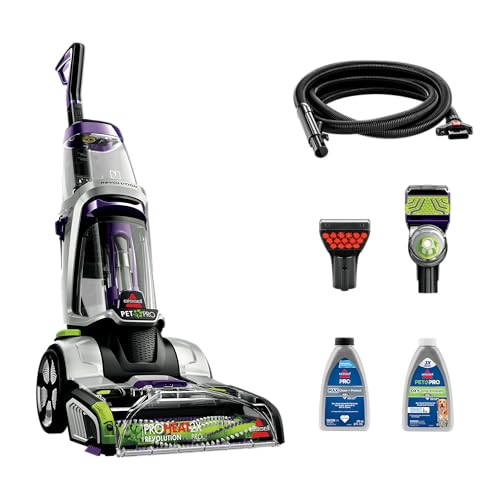

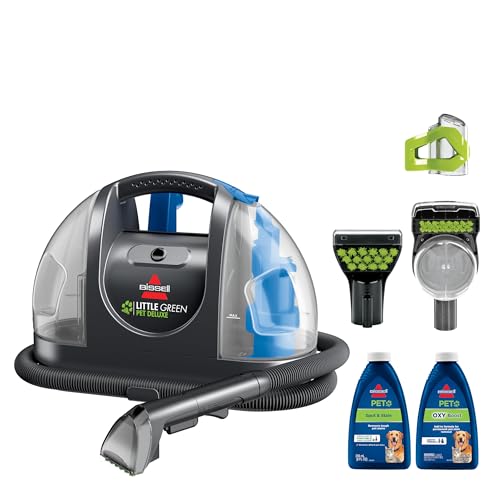

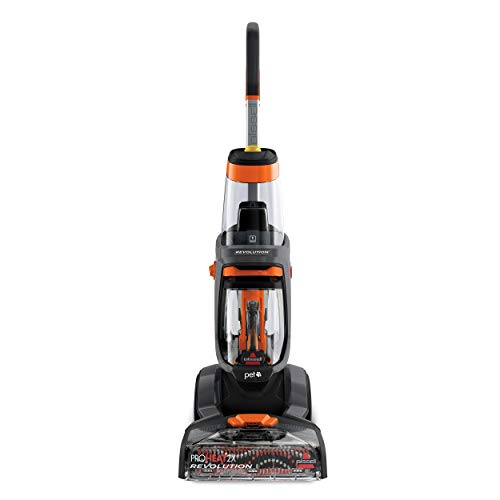


Bissell Carpet Cleaner Types Compared
Before you compare individual specs, settle on the format that fits your home. The three groups below cover nearly the whole Bissell range, and choosing the right format matters more than any single feature.
Portable and Spot Cleaners
These compact machines carry a small clean water tank and a short hose with a handheld scrubbing tool. They shine on stairs, car interiors, upholstery, and single spills, because you carry the unit to the mess instead of pushing it across a room. Storage is simple, since most fit on a closet shelf. If this format appeals to you, our guide to the best portable carpet cleaner compares the wider category across brands.
Full Size Upright Cleaners
An upright works like a vacuum in shape, with a wide cleaning path, a rotating brush roll, and the largest tanks in the lineup. It is the practical choice when you plan to clean whole rooms or several rooms in one session, because you refill less often and cover floor area faster. The trade off is weight and storage, since an upright needs closet floor space and more effort on stairs.
Heat Focused and Heavy Duty Options
Some Bissell models add a built in heater or steam support to keep wash water warm, and heavier duty uprights add stronger suction and wider paths for large homes. Warm water can help loosen greasy or set in stains, although technique and formula choice matter just as much. If you are unsure whether heat based cleaning suits your floors, our explainer on carpet cleaner vs steam cleaner lays out how the two approaches differ.
How We Chose the Best Bissell Carpet Cleaners
We judged the lineup on the factors that change results in real homes: tank capacity, suction strength, brush design, drying support, tool selection, noise, weight, safety listings such as UL or ETL marks, and warranty length. Our comparison draws on manufacturer specifications and patterns in verified buyer feedback rather than on any single review score.
We also weighted ease of ownership. A machine that rinses clean in minutes and stores without fuss tends to get used more often, and frequent light cleaning usually beats rare heroic sessions. Price counted as value for features, never as a simple race to the lowest number.
How to Choose the Right Carpet Cleaner
Tank Size and Water Handling
Tank capacity decides how often you stop to refill and empty, and that rhythm shapes the whole job. Small tanks around half a gallon suit spot work and keep the machine light to carry. Large upright tanks, often one gallon or more, let you finish a big room without a break. Separate clean and dirty tanks are worth wanting, because you never reapply dirty water to the carpet. Also check how the tanks lift out. A tank that seals well and pours cleanly prevents drips across the floor you just washed.
Suction, Brushes, and Heat
Suction does two jobs at once. It pulls loosened dirt out of the pile, and it extracts wash water so carpet dries sooner. Brush rolls and rows of powered brushes scrub solution into the fibers and lift matted traffic lanes. Single brush rolls suit light soil, while dual rotating brushes tend to work better on ground in dirt. Heat features help maintain warm water during the pass, which can speed up stain release. Judge the three together rather than chasing one headline number, because weak suction can leave even well scrubbed carpet soggy.
Tools That Earn Their Cost
Attachments decide how much of your home the machine can actually serve. A crevice style spray tool reaches edges and car footwells, a tough stain tool with stiff bristles handles dried messes, and an upholstery tool lets you clean sofas and pet beds. Pet focused tools add value if animals live with you, and a long hose matters more than extra nozzles you will never attach. Check where tools store. On board storage keeps the set together, while loose tools in a bag tend to vanish into a closet.
Size, Storage, and Noise
Measure your storage spot before you buy, then compare it with the machine footprint and height. Uprights need upright closet space, while portables fit on a shelf or under a sink. Weight matters during use, not just in the spec sheet, because a full tank adds several pounds. Noise also deserves a thought. Carpet cleaners are loud by nature, and stronger motors tend to be louder still, so plan sessions when a sleeping baby or a nervous pet can be in another room.
Safety Features and Certifications
Look for a recognized safety listing, such as a UL or ETL mark, which shows the appliance met independent electrical safety standards. A grounded plug, a cord with intact insulation, and a tank that locks firmly in place all reduce risk around water and electricity. Keep the cord away from the brush roll while you work, and never leave a filled machine sitting on wood flooring. If anyone in your home has breathing sensitivities, ventilate the room during cleaning and let the carpet dry fully before walking on it in socks.
How Much Should You Spend?
Portable spot cleaners commonly sell for under $150, and basic models can fall under $100 during sales. Mid range uprights for whole rooms usually land at about $150 to $250, adding larger tanks and stronger brushes. Heat focused and heavy duty models often run about $250 to $350, and the extra money buys suction, tools, and build quality rather than a different kind of clean. Set your budget by format first, then let features decide inside that tier. Our broader guide to the best carpet cleaner shows how Bissell pricing compares with rival brands.
Who Should Buy Which Bissell Carpet Cleaner?
Pet Owners With Frequent Messes
If accidents happen weekly, a portable spot cleaner earns its shelf space, because you can treat a mess in minutes before it sets. Look for a pet stain tool and a formula made for organic stains. For lingering odors in carpet padding, browse our picks for the best carpet cleaner for pet urine, which focus on machines and formulas aimed at that specific problem.
Homes With Large Carpeted Rooms
Wall to wall carpet in several rooms calls for a full size upright with the largest tank you can store. A wide cleaning path and strong suction cut your passes and shorten drying time. If your rooms are big enough that you plan cleaning days around them, the heavier format saves more time than it costs in storage space.
Renters and Small Space Households
Renters often need carpet refreshed before an inspection, plus quick spot care in between. A compact portable handles both without claiming closet floor space, and it travels easily if you move. Apartment dwellers with only area rugs should skip a full upright entirely, since a portable covers rug sized jobs and stores on a shelf.
The Bissell Carpet Cleaner Lineup Explained
Bissell organizes its range by task rather than by price. The portable families target spots, stairs, and upholstery, the upright families target whole rooms, and the heat focused models sit at the top for buyers who clean often and want warm water support. Model names change across seasons, but the format logic stays stable, so shop by format and tank size first and by name second.
Shoppers often weigh Bissell against its closest rival before deciding. Our head to head on bissell vs hoover carpet cleaner compares the two brands on tanks, tools, and ownership costs. Within Bissell itself, the honest dividing lines are portability, heat, and how much carpet you clean in a typical month.
Common Mistakes to Avoid
- Using too much formula, which leaves sticky residue that attracts fresh dirt faster.
- Soaking the carpet with slow wet passes, which can dampen the padding and slow drying for days.
- Skipping a plain water rinse pass, so loosened soil and solution stay in the pile.
- Treating a stain before testing solution on a hidden corner, which risks color change on delicate dyes.
- Pushing the machine like a vacuum at full speed, which gives the brushes no time to scrub.
- Putting the cleaner away with dirty water inside, which causes odor and can clog the spray path.
How to Make Your Carpet Cleaner Last Longer
Rinse both tanks after every session and leave the lids open until the insides dry, because trapped moisture grows odor fast. Pull hair and string from the brush roll once the machine is unplugged, and wipe the underside so dried solution does not harden into a crust. Run a short cycle of clean water through the hose and tools to clear leftover formula from the lines.
Store the machine empty, indoors, and away from freezing temperatures, since ice can crack tanks and seals. Check the belt and brush bristles a few times a year, and replace worn parts before they strain the motor. Our full walkthrough on how to clean a carpet cleaner covers the deeper monthly routine in step by step detail.
FAQ
What is the best bissell carpet cleaner?
The best choice depends on the size of your jobs. Portable models win for spots and stairs, while uprights win for whole rooms. One point buyers often miss is cleaning path width. A wider path speeds up open rooms but fits poorly between furniture legs, so measure your tightest gap before assuming bigger is better for your layout.
Is Bissell a good carpet cleaner brand?
Yes. Bissell is one of the longest established names in home floor care, and its carpet cleaner range covers nearly every budget and format. A practical advantage is ownership support. Replacement belts, tanks, and formulas stay easy to find years after purchase, which keeps an older machine useful instead of disposable.
How long does a carpet cleaner last?
A well kept home carpet cleaner commonly lasts about five to eight years. The usual failure points are worn belts, tired brush bristles, and seals that start to weep at the tank base. A musty smell that survives a full rinse often signals residue deep in the hose, which a long soak of the removable parts can usually clear.
Is a carpet cleaner worth it?
For homes with carpet in high traffic areas, yes. Renting a machine for a single day often costs about a third of a basic portable, and hiring a professional visit can exceed the price of a mid range upright. Ownership also means you can treat a spill the same evening, when stain removal works best, instead of waiting for an appointment.
How do you clean a carpet cleaner?
Start by emptying and rinsing both tanks, then remove the nozzle cover and rinse trapped lint from the suction path, a spot many owners never open. Wash removable filters under plain water and let them dry fully before reinstalling. Finish by wiping the brush roll housing, because gritty residue there can scratch hard floors when you wheel the machine away.
Final Thoughts
Choosing the best bissell carpet cleaner comes down to format first. Pick a portable for spots and small spaces, an upright for whole rooms, and a heat focused model if you clean often and want warm water support. Compare the product table above against your tank, tool, and storage needs, and you will land on a machine that fits your home instead of fighting it.