
Best Birkenstock Like Sandals: A 2026 Checklist and Buying Guide
Disclosure: We may earn a commission when you buy through links on this page, at no extra cost to you. As an Amazon Associate I earn from qualifying purchases. Learn more
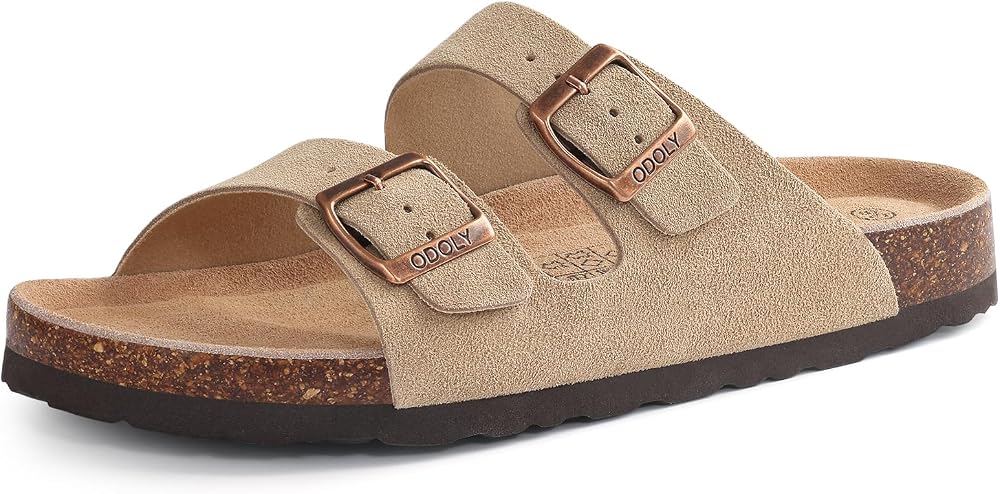
A clear checklist on footbed shape, arch support, strap fit, materials, and value to help you pick the best birkenstock like sandals for daily walking comfort.
Many sandals copy the look of a contoured cork footbed, but far fewer copy the feel after a full day on your feet. Straps stretch, foam flattens, and a shallow arch contour does little for tired legs. This checklist first guide to the best birkenstock like sandals shows you how to judge footbed shape, arch support, and build quality before you spend, so the pair you choose still feels right in month six.
Use the comparison table below to line up prices and materials. Then score each candidate against the six checks that follow, and drop any pair that fails the fit and support checks, whatever its price.


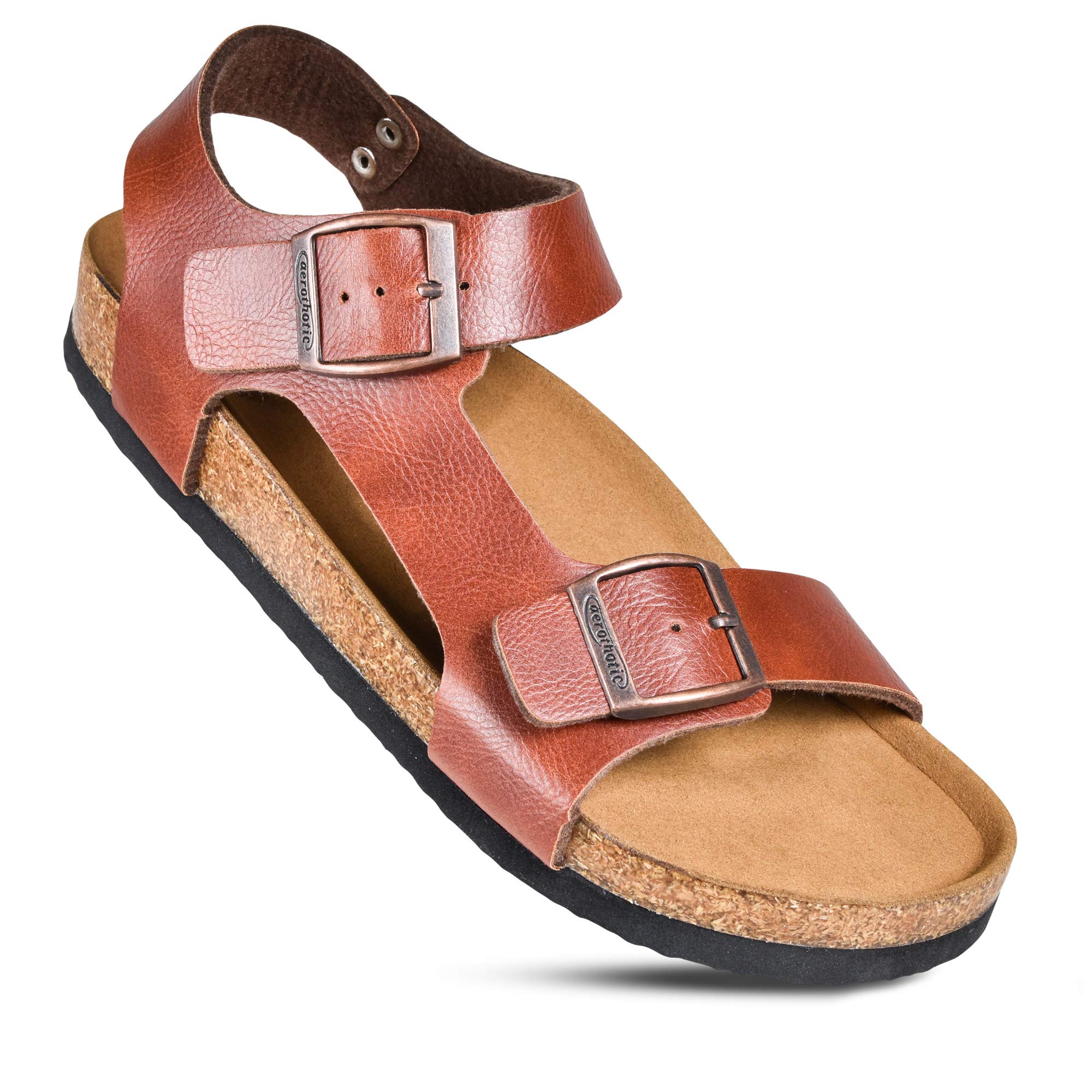

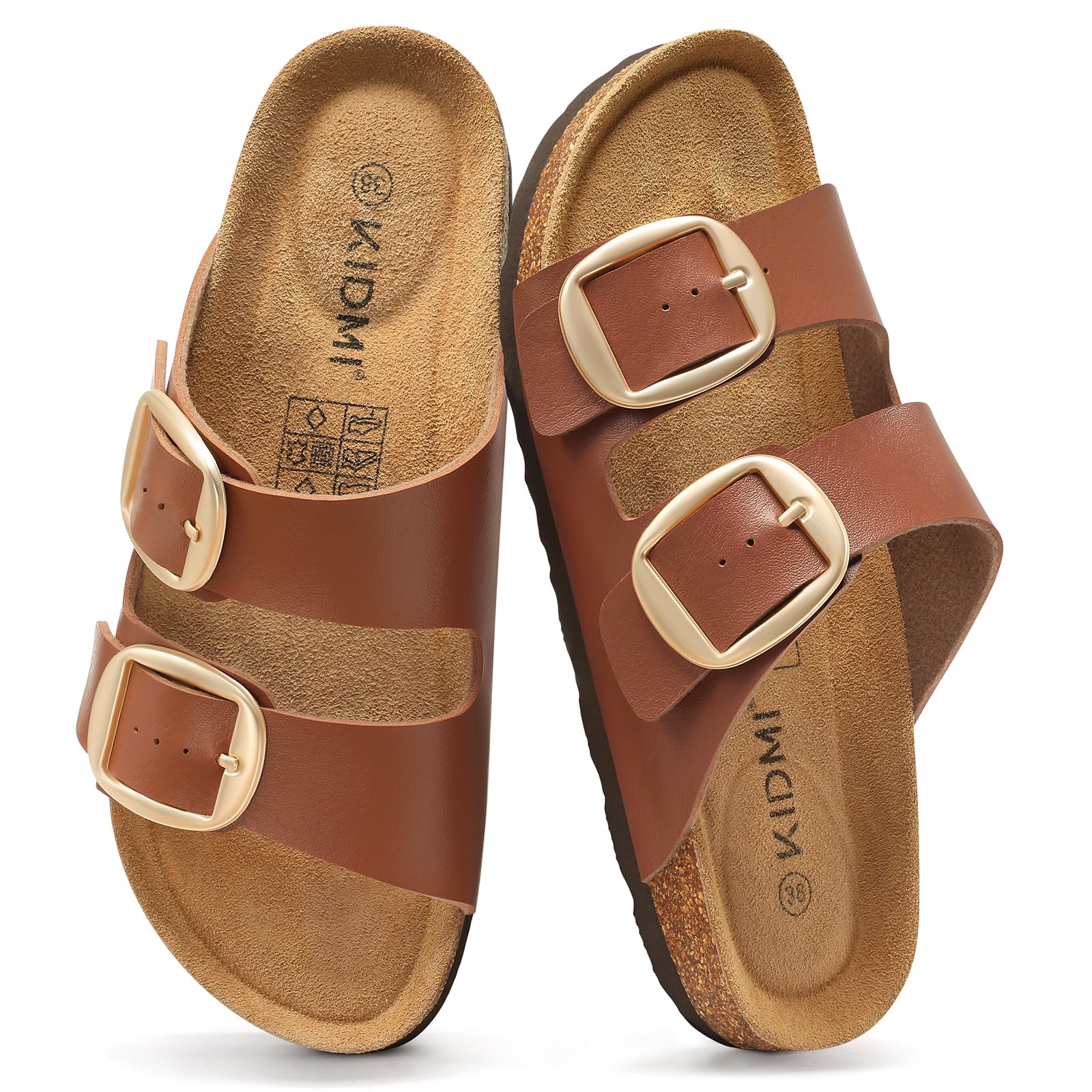
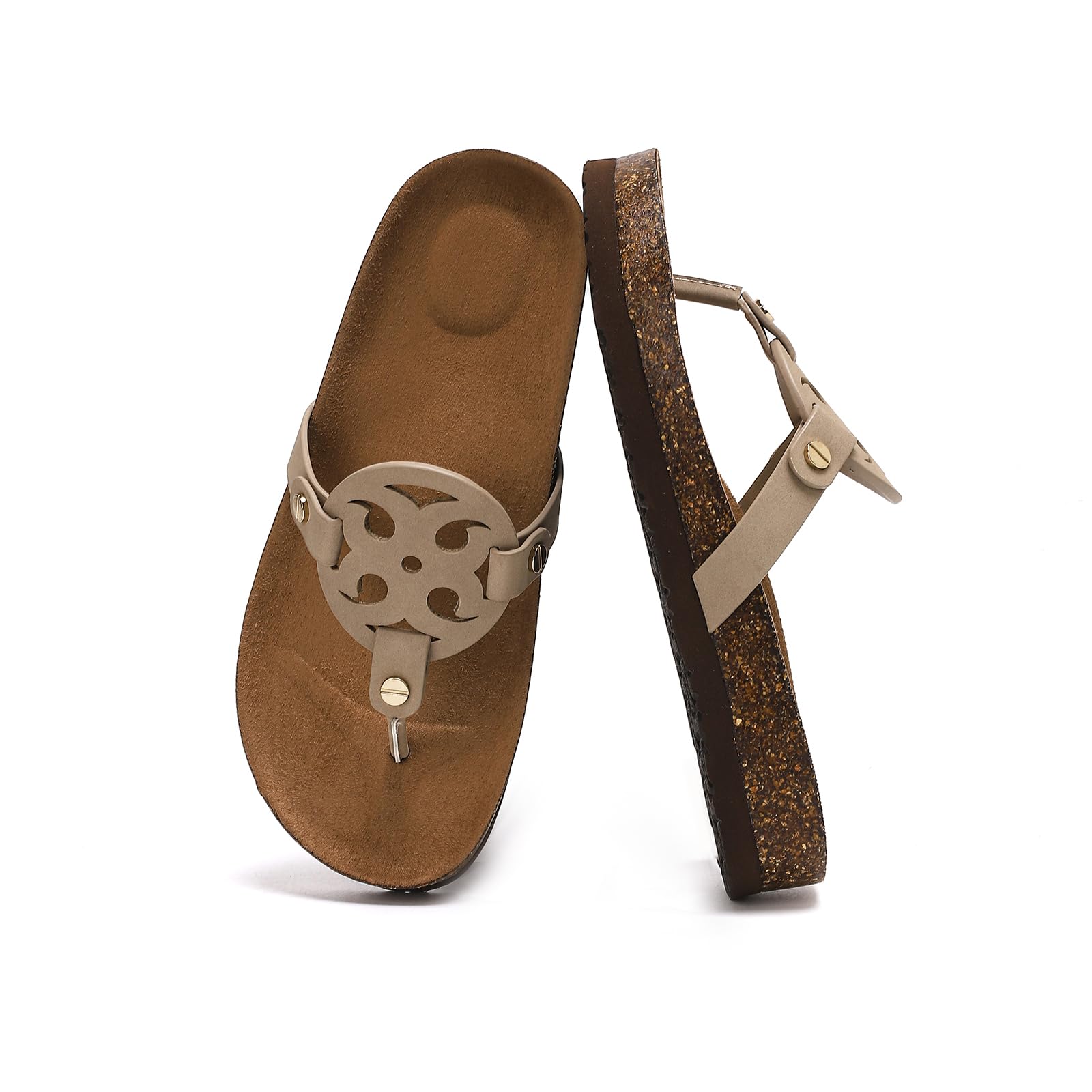
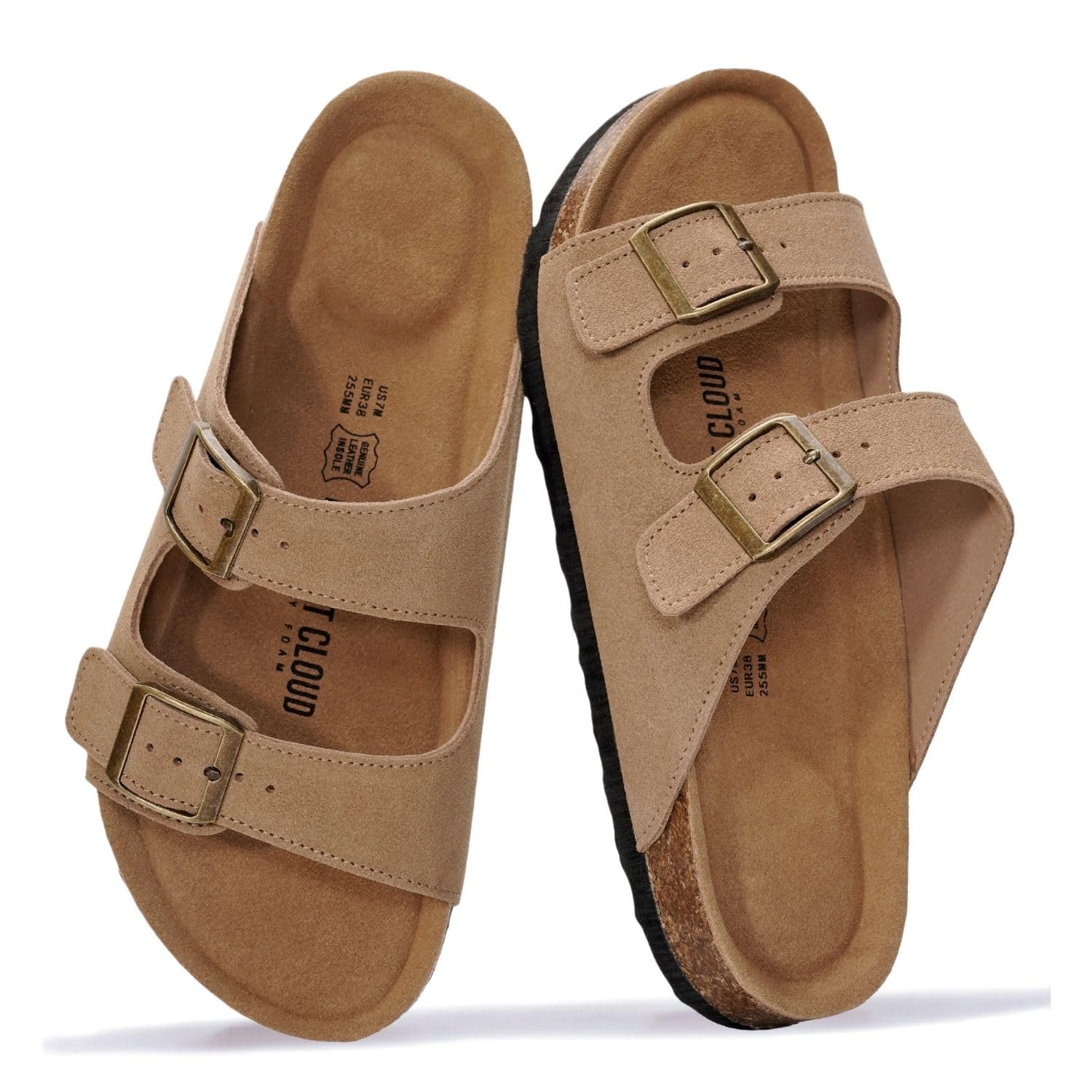
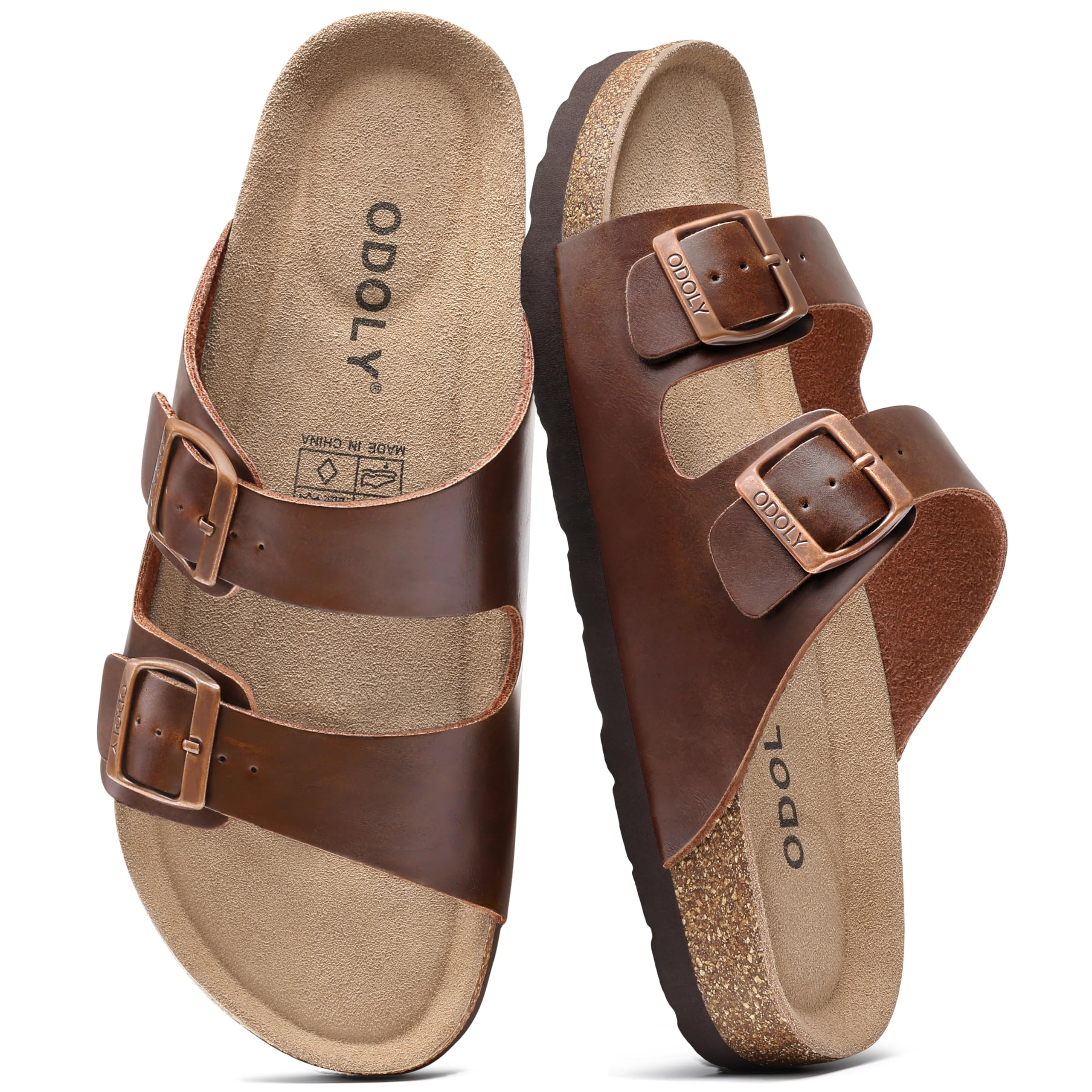
How to Evaluate Birkenstock Like Sandals
Treat these six checks as a scoring sheet. A strong pair passes most of them at once, while a weak pair usually fails early on footbed shape or strap security. You can apply every check in a store or within a home trial period, which makes returns far less likely.
Fit, Sizing, and Toe Box
Measure your feet in the afternoon, when they are at their largest, and match the measurement to the size chart for that exact model rather than your usual shoe size. Your toes should sit inside the raised footbed rim without touching it, with a small gap at the front and back. The toe box should let your toes spread naturally. If your foot spills over the edge or your toes grip to stay centered, the size or width is wrong.
Cushioning and Support
The appeal of this style is structured support, not soft foam alone. Look for a footbed with a defined arch rise, a cupped heel, and a raised toe bar that encourages a natural rolling step. Pure foam footbeds feel plush on day one but often compress flat within a season. Cork and latex blends mold gradually to your foot and hold their shape far longer, which is why they anchor most pairs in this style.
Arch Support and Foot Type
Match the arch contour to your foot type. Flat feet usually need a firmer, more defined arch and a stable heel cup to limit inward rolling. High arches need cushioning at the heel and forefoot to spread pressure. If you have ongoing foot pain, treat sandals as daily support rather than treatment, and ask a podiatrist which contour suits your gait. For the original brand take on this support, compare with our guide to the best birkenstock sandals.
Weight and Flexibility
A supportive sandal should flex at the ball of the foot, not fold in the middle of the arch. Twist the pair gently in store: slight give is fine, but a footbed that twists like a towel will not support you on long walks. Weight matters for travel and all day wear, yet the lightest pairs often achieve savings by thinning the footbed. Aim for a balance, a pair light enough to forget but stiff enough to trust.
Durability and Expected Lifespan
Judge durability by the outsole, the strap anchors, and the footbed material. A lugged rubber outsole with visible tread depth outlasts a smooth thin sole, and straps set into the footbed outlast straps glued on top. With daily wear, a well made cork footbed pair commonly lasts several seasons, while budget foam pairs may flatten within one summer. Darkening of cork from foot moisture is normal and is not a sign of failure.
Waterproofing and Water Resistance
Classic cork and leather pairs are not made for soaking. Water can stiffen leather and break down cork over time, so keep them for dry days and light splashes. If your routine includes pool decks, beach walks, or sudden rain, choose a fully synthetic version with molded straps and a sealed footbed instead. You give up some of the molded cork feel, but you gain a pair you can rinse clean and wear without worry. Shoppers weighing near identical styles can also compare notes in our guide to the best sandals similar to birkenstock.
Three Profiles That Pass the Checklist
Instead of chasing a single winner, match your shortlist to one of these three profiles. Each profile describes what to look for, what it should cost, and the trade off to accept.
Best Overall Profile
The strongest all round profile pairs a genuine cork and latex footbed with leather or quality synthetic straps, adjustable buckles, and a rubber outsole with real tread. Expect to pay around $60 to $120 for this tier in look alike brands. This profile suits daily wearers who walk on pavement, stand for long stretches, and want one pair to handle most of summer. Its only real limit is water, so plan a second synthetic pair if your days involve the pool or the beach.
Best Value Profile
The value profile keeps the contoured footbed shape but uses molded foam or a cork blend with synthetic straps to cut cost, usually around $25 to $50. Support is lighter and the footbed will compress sooner, yet for errands, short walks, and a first trial of this style, it is a sensible spend. Check strap anchors carefully at this price, since weak joins are the most common failure, and confirm the return window before you wear them outdoors.
Best for Heavy Use Profile
Heavy use calls for thicker outsoles, reinforced strap posts, and straps that resist stretching, often in the around $80 to $140 range. This profile suits people on their feet at work, frequent travelers who walk all day in one pair, and anyone replacing sandals every season from wear. Look for a footbed with a deeper heel cup and a toe bar you can feel, plus replaceable or resoleable construction where offered. Weight rises slightly, but lifespan rises far more.
Quick Buyer Checklist
- Does the footbed have a defined arch, a cupped heel, and a raised toe bar you can feel with your fingers?
- Do your toes sit inside the footbed rim with a small gap, without spilling over either side?
- Can every strap adjust, so the sandal stays secure without your toes gripping?
- Does the sole flex at the ball of the foot rather than folding at the arch?
- Is the material right for your routine, cork and leather for dry days or synthetic for wet ones?
- Is the outsole tread deep enough for the surfaces you walk on most?
- Does the seller offer a home trial and a clear return window?
Red Flags to Watch For
- A footbed that looks contoured in photos but feels flat underfoot, with no real arch rise.
- Vague material labels, such as cork effect or leather feel, instead of named materials.
- Straps attached only with surface glue, with no stitching or anchor posts.
- A very short warranty or no stated return policy for unworn outdoor trials.
- Sizing with no width option and no model specific chart, which often means inconsistent fit.
Setup and Care Tips
Break in a cork footbed gradually, starting with an hour or two indoors and adding time each day for the first two weeks. Tighten buckles so the strap sits snug with a finger width of room, and let your feet, not your toes, hold the sandal. Air dry wet pairs away from direct heat, brush dirt from the footbed when dry, and use a cork sealer on exposed cork edges once or twice a season to slow cracking. Rotate two pairs if you wear this style daily. For fit examples across foot shapes, see our guide to the best birkenstock sandals for women.
Frequently Asked Questions
How long is the break in period?
Most cork footbed pairs need about two weeks of gradual wear before the footbed molds to your arches and the straps soften. Start indoors, add outdoor walks slowly, and stop if you see blistering. Foam footbed pairs feel comfortable sooner but mold far less. If sharp pain continues past two weeks, the size, width, or arch shape is likely wrong for your feet rather than a matter of patience.
Do I need waterproof sandals in this style?
Only if water is a regular part of your routine. Occasional splashes will not ruin a cork pair if you dry them slowly at room temperature, but repeated soaking cracks cork and stiffens leather. Regular pool, beach, or boat use calls for a fully synthetic version. Many owners keep one cork pair for dry days and one synthetic pair for wet ones, which also extends the life of both.
Are expensive birkenstock like sandals worth it?
They are worth it when the extra cost buys a real cork and latex footbed, stronger strap anchors, and a thicker outsole, because those parts decide lifespan and support. They are not worth it when the price only buys a logo or fashion colors on the same thin foam base as budget pairs. Judge by the checklist score, not the tag, and remember that cost per season of wear favors the durable pair.
How often should I replace my birkenstock like sandals?
Replace them when the outsole tread wears smooth, the footbed cracks deeply, or the arch contour feels flat and your feet tire faster than they used to. For daily wearers that is often after two to four seasons for cork pairs and after one season for foam pairs. A worn pair used for short garden trips is fine, but move it out of your long walk rotation. Our guide to the best birkenstock sandals for walking covers wear signs for high mileage use.
How should birkenstock like sandals fit?
Your foot should sit fully inside the footbed rim, with toes free to spread and a small gap at front and back. Straps should hold the sandal close so your toes stay relaxed, and your heel should land in the center of the heel cup with each step. Walk on a hard floor during your trial, since carpet hides slipping and edge pressure that pavement will make obvious within minutes.
Wrapping Up
Score every candidate on footbed shape, strap security, and material fit for your routine before you look at price. The comparison table above will help you line up the options, and the profiles show what fair value looks like at each tier. Chosen that way, the best birkenstock like sandals are the pair that still supports you at the end of a long day, not just the pair that looks right in the box.


