
Best Birkenstock Sandals for Women 2026 Fit and Care Guide
Disclosure: We may earn a commission when you buy through links on this page, at no extra cost to you. As an Amazon Associate I earn from qualifying purchases. Learn more

A plain fit and buying guide to Birkenstock sandals for women: footbed shape, narrow and regular widths, strap styles, leather and synthetic uppers.
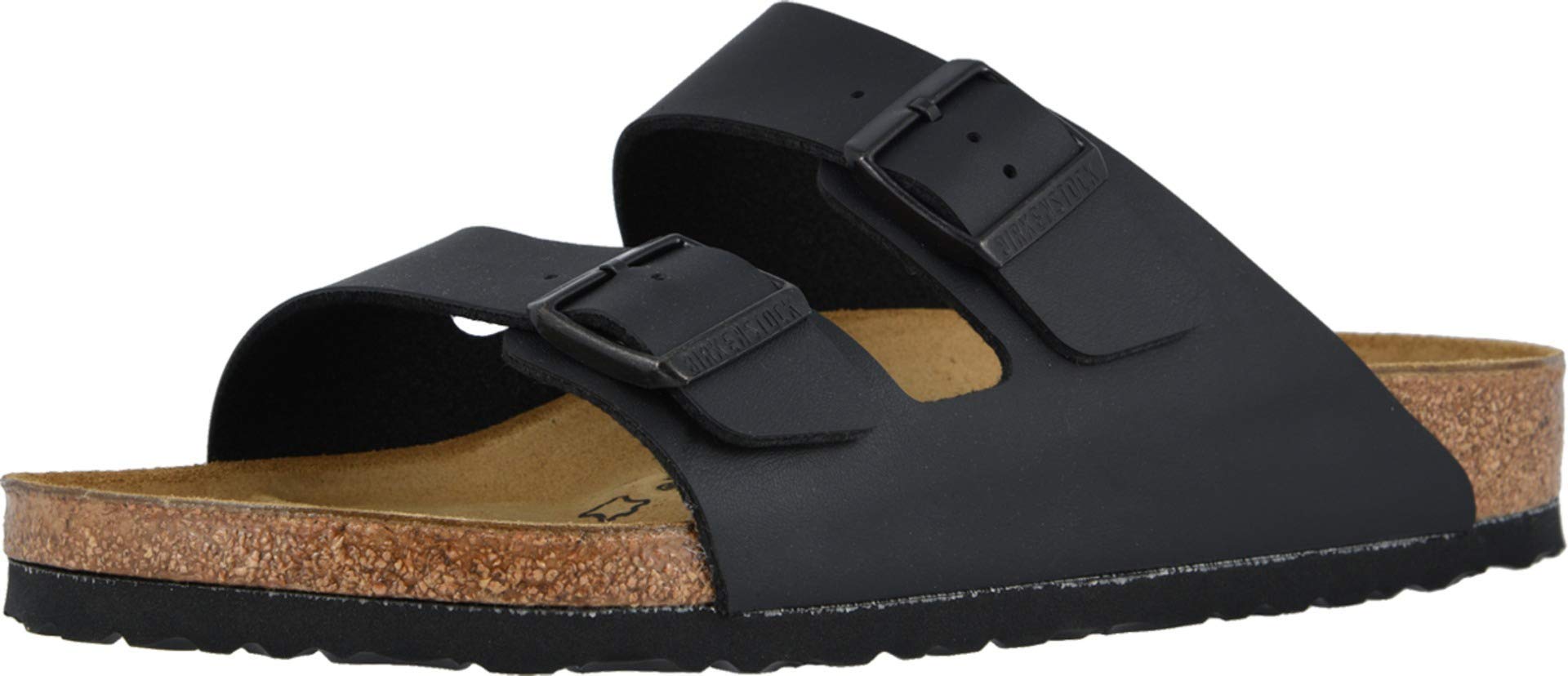
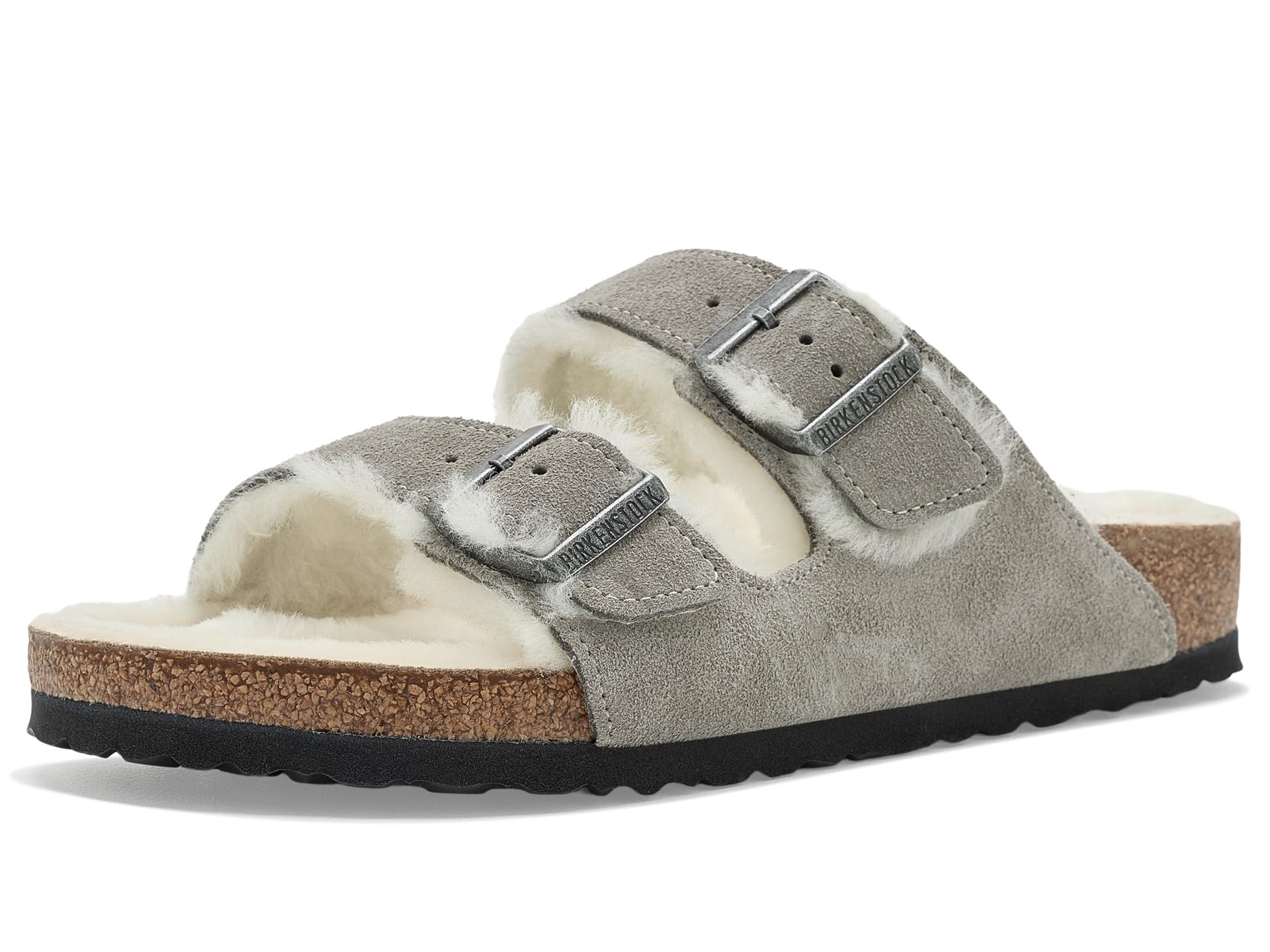
Birkenstock sandals for women share the same contoured cork footbed as the men styles, but the fit questions differ, because best birkenstock sandals for women need to suit narrower feet, different strap placements, and a wider range of outfits. The footbed still molds to your foot over the first weeks, and the width choice still matters more than most buyers expect. The comparison table below shows the main styles side by side, so you can compare footbeds, widths, and uppers before you order.
This guide covers women sizing and width, the strap styles that work for walking versus dressing up, and how leather and synthetic uppers compare for daily wear. It also explains the break in period honestly, including when firmness is normal and when pain means the fit is wrong. With the right pair, these sandals can handle school runs, holidays, and long summer days alike.
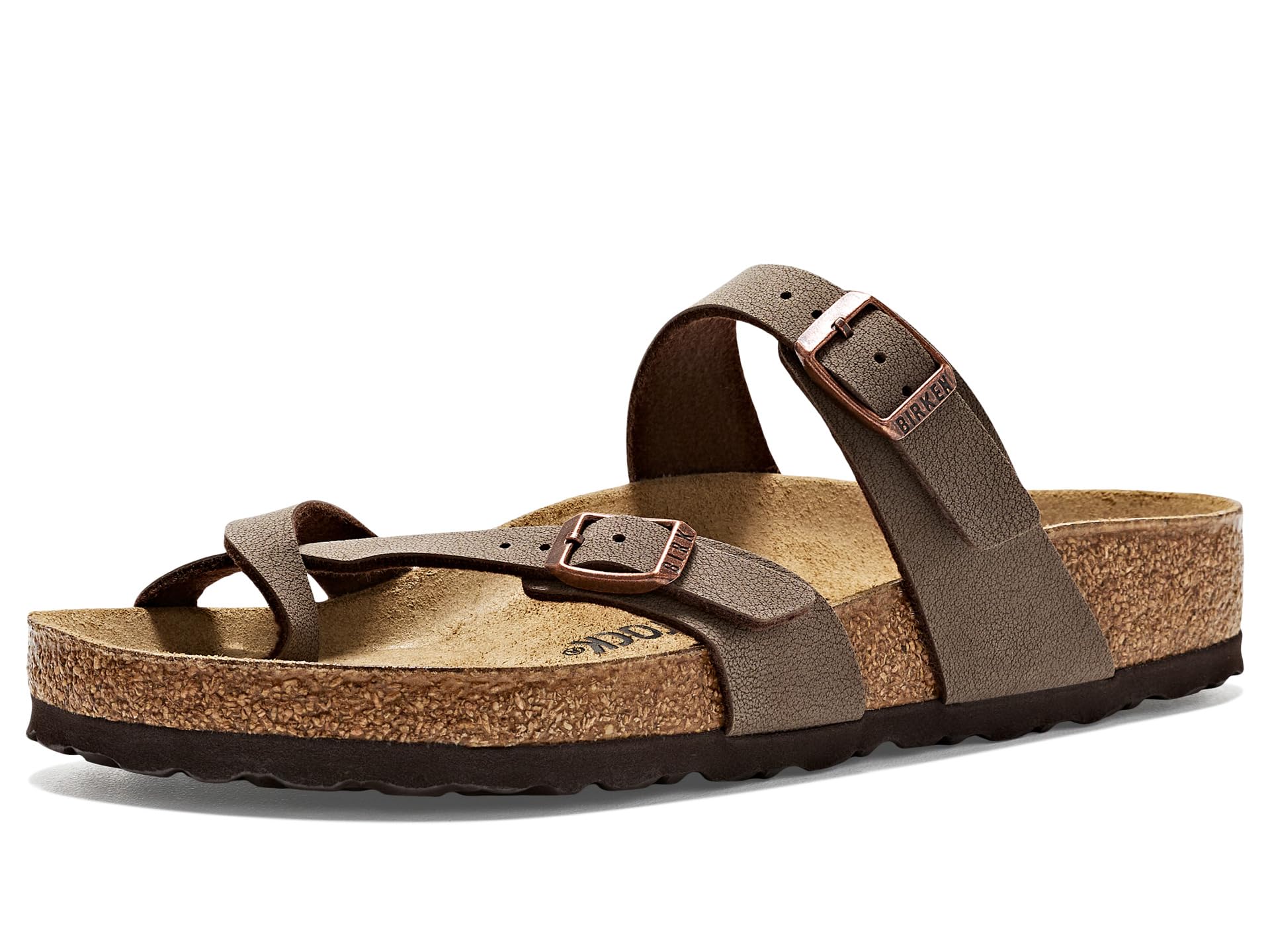
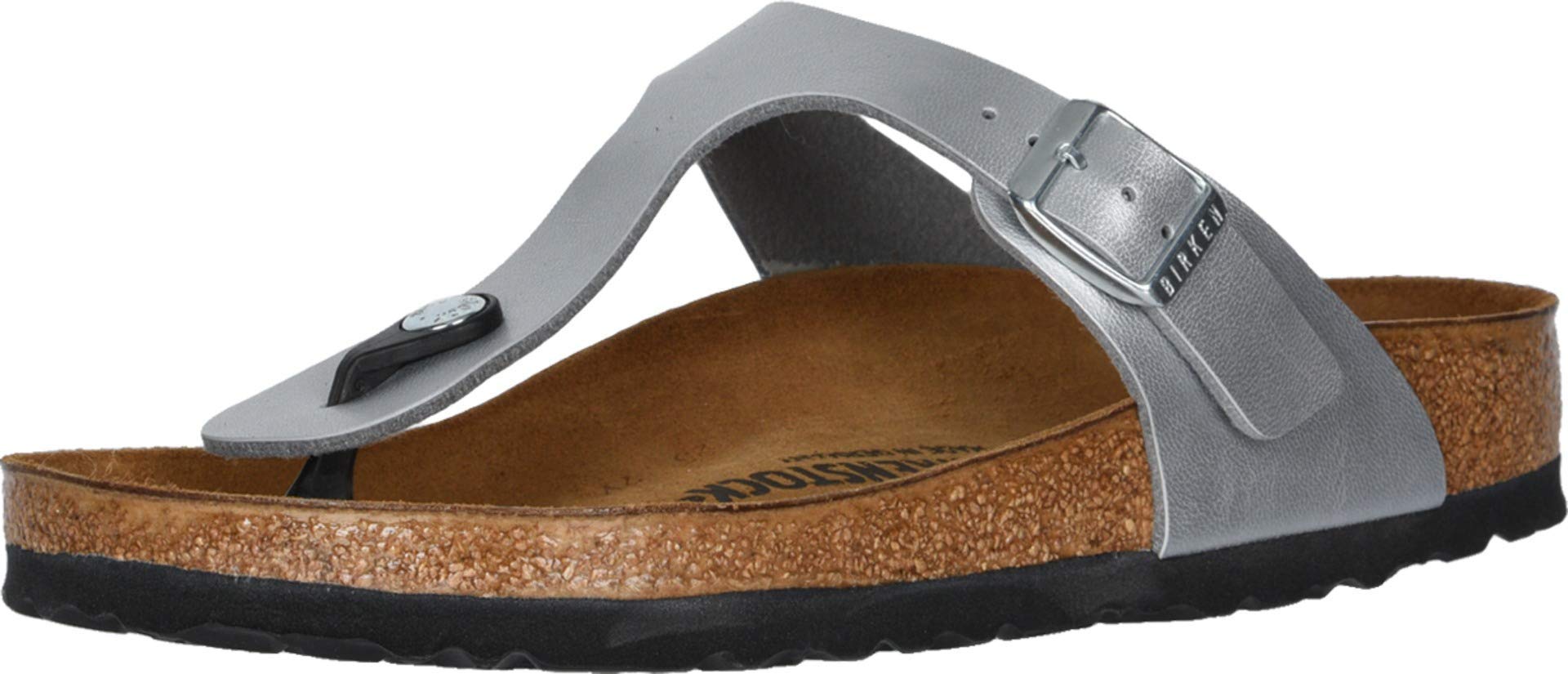
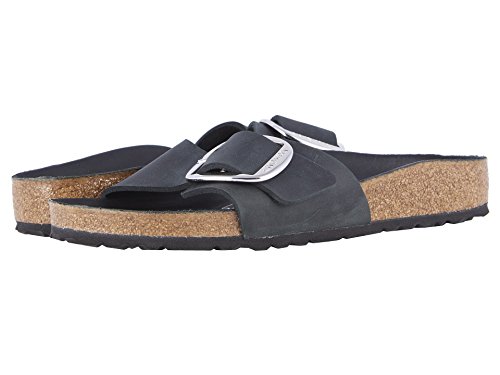

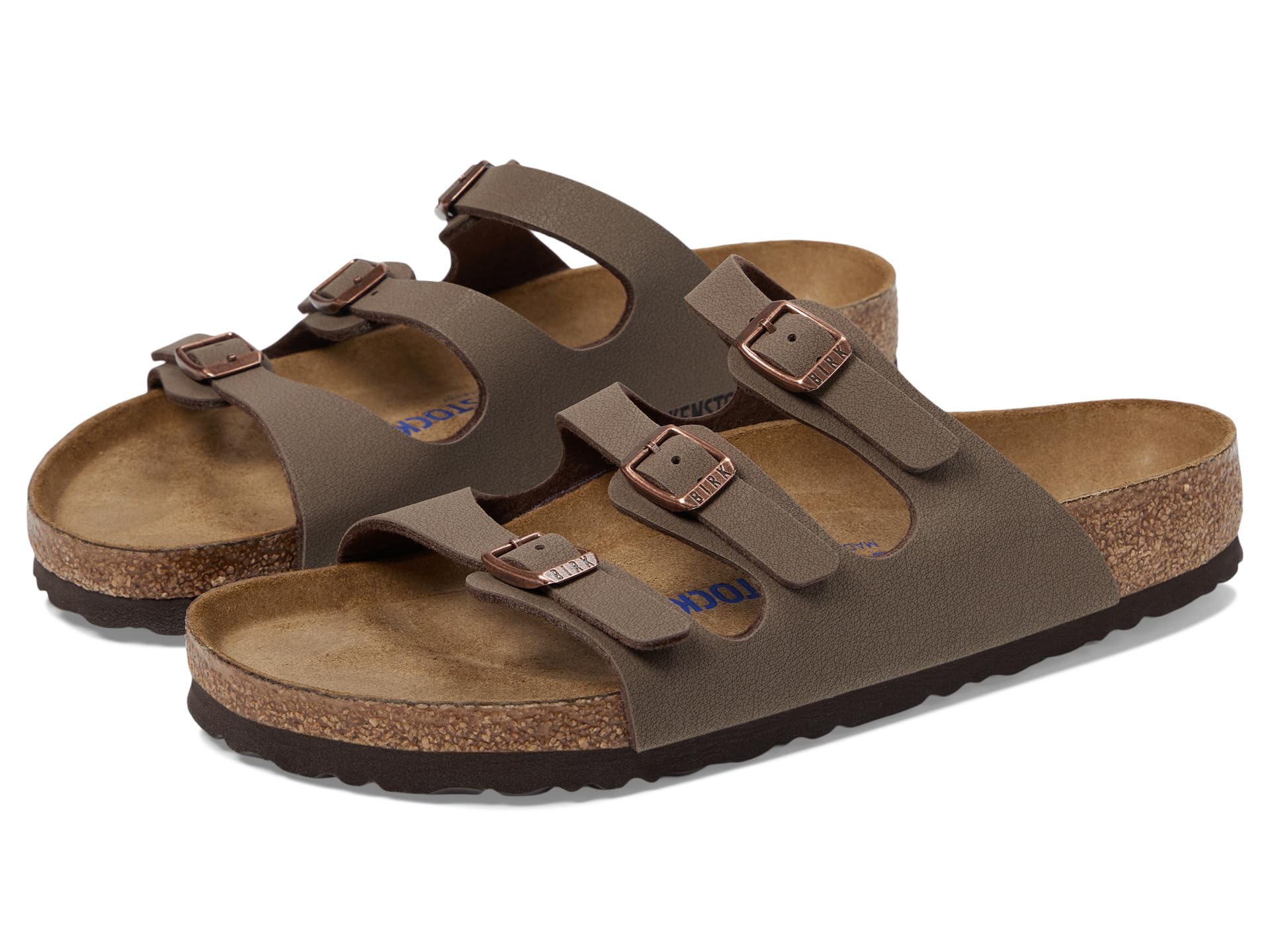



Women Sizing and the Narrow Width Question
Birkenstock sizing uses European sizes, and women often find their usual European size is a good starting point, but the width choice deserves real attention. The narrow width suits slimmer feet and helps stop the foot sliding sideways, while the regular width suits wider feet and gives toes more room to spread. In the correct size, your heel should sit in the heel cup with a small margin front and back, and your toes should not touch the edge.
Try sandals on at the end of the day when feet are slightly larger, and walk around indoors for a while before deciding. Straps should feel snug without digging into the instep, and you should be able to wiggle your toes freely. If the strap feels tight, check the buckle adjustment first, since many styles offer several holes that change the fit more than expected.
Strap Styles: From Everyday to Dressier
Two strap styles with buckles are the workhorse choice for walking, because they hold the foot well and allow fine adjustment across the forefoot and instep. Thong styles feel lighter and dressier, but they give less support and suit shorter outings better than long days on foot. Single strap slides are easy to slip on and off, which suits home and poolside use, but they can let the foot slide forward on longer walks.
For smarter summer outfits, smooth leather in neutral colours works well with dresses and linen trousers, while suede and patterned uppers feel more casual. Closed toe styles protect the toes and suit work settings where open toes are not allowed. Choose the strap style for your longest regular walk, not just for the outfit you have in mind today.
Leather, Suede, and Synthetic Uppers
Leather uppers age well and mold slightly to the foot, and they suit town, travel, and everyday wear. Suede looks soft and casual but marks more easily and needs protection from water and dirt. Synthetic uppers are the easiest to clean, handle water well, and usually cost less, which makes them a good choice for beach days, boats, and rainy weather.
Whatever the upper, the cork footbed needs care: keep it as dry as possible, let wet sandals dry at room temperature, and brush off dirt once dry. Avoid machine washing and direct heat, which can crack the cork. Leather conditioner keeps leather supple, while suede protector helps suede resist light rain and stains.
Support, Comfort, and Foot Health
The contoured footbed, with its raised toe bar, shaped arch, and deep heel cup, suits many women who want firm support rather than a flat sole. During break in, the footbed softens and molds to your foot over one to three weeks, and mild firmness under the arch is normal at first. Sharp pain, blisters, or numbness are not part of normal break in, and they usually mean the size or width is wrong.
These sandals are not medical devices, so women with flat feet, bunions, heel pain, or other foot conditions should talk with a clinician or podiatrist before relying on any sandal for support. Warning signs such as persistent pain, swelling, or skin breakdown deserve professional advice rather than a new pair of sandals. Comfort should improve week by week; if it does not, the fit needs another look.
Break In and Daily Care
Start with short walks and build up gradually over the first weeks, giving the cork time to mold to your feet. Rotate with another pair at first if you walk a lot, so sore spots get a rest. Once broken in, the footbed should feel like it was shaped for you, which is exactly what has happened, and many women keep a pair for years with occasional sole repairs.
Daily care is simple: brush the footbed, wipe the upper with a damp cloth, and store sandals away from radiators and strong sun. If the sole wears unevenly, a repair shop can often fit a new sole and keep a well molded footbed going. Replace the sandals when the cork cracks deeply or the arch support flattens, since a worn footbed can change how you walk.
When a Different Sandal Makes More Sense
Birkenstock sandals are not the best pick for running, rough trail hiking, or jobs that need closed toe protection and grippy soles. For water sports, a water friendly style with a grippy sole is a better choice than leather. For formal occasions, even the smartest leather pair is still a sandal, so plan your outfit accordingly.
If you need a sandal mainly for short trips to the shops, a simple slide may be enough, and the full contoured footbed may be more than you need. But if you walk a lot in warm weather and want support that lasts, the molded footbed is the reason to choose this brand over a flat fashion sandal.
Travelling With Birkenstock Sandals
Birkenstock sandals pack well for holidays, since they are flat, sturdy, and do not need a shoe bag to protect them from other luggage. Wear them on the plane for comfort during long waits, and pack a second pair of closed shoes for cooler evenings or smarter dinners. The cork footbed handles warm climates well, but keep sandals out of direct sun in a hot car, since extreme heat can dry and crack cork over time.
On holiday, rinse sandals after beach days to remove sand and salt, and let them dry fully before packing them away. Sand can work into the footbed texture and cause rubbing if left, so a quick brush and rinse after the beach keeps them comfortable. A well broken in pair is often the most worn item in a holiday bag, which says plenty about how useful the right fit becomes.
Related Buying Guides
For the full range first, see the guide to best birkenstock sandals. If support is your priority, compare best orthopedic sandals for women and best supportive sandals for women, and for all day comfort, the notes on best comfortable sandals for women are useful. Trail use is a different question, covered by best hiking sandals for women.
Frequently Asked Questions
Do Birkenstock sandals for women run true to size?
Most women find their usual European size is a good starting point, but width matters just as much as length. Your heel should sit in the heel cup with a small margin at each end, and your toes should not touch the front edge when you walk. Try both widths if you can, since the narrow width suits slimmer feet and stops sideways sliding, while the regular width gives wider feet more room.
Should I choose narrow or regular width?
Choose narrow width if your feet are slim and you find regular sandals loose or sliding sideways. Choose regular width if your toes feel cramped or the footbed edge presses your little toe. The best test is walking indoors for a while at the end of the day, when feet are slightly larger, and checking that toes stay clear of the edge.
How long does break in take for women styles?
Break in usually takes one to three weeks of regular wear, starting with short walks and building up gradually. Mild firmness under the arch is normal at first, while sharp pain, blisters, or numbness means the size or width is wrong. Rotate with another pair at first if you walk a lot, so the footbed can mold without forcing sore feet through long days.
Are Birkenstock sandals good for bunions or heel pain?
The wide toe area and contoured footbed help some women, but these sandals are not medical devices and cannot replace professional advice. If you have bunions, heel pain, or another foot condition, talk with a clinician or podiatrist before relying on any sandal for support. Persistent pain, swelling, or skin breakdown should always prompt a professional check rather than a different sandal alone.
Can I wear Birkenstock sandals in water?
Leather and suede styles should not be soaked, since water shortens the life of the cork footbed. Synthetic styles handle water better and suit pools, boats, and beach days. Whatever the style, let wet sandals dry at room temperature away from radiators and strong sun, and brush off dirt once dry.
Final Thoughts
The best birkenstock sandals for women are the ones that match your foot width, your longest regular walk, and the places you actually wear them. The product table above gives a quick comparison, but the width test and the break in period matter more than any single style name. Choose carefully, break them in gradually, and care for the cork footbed, and you will have sandals that feel shaped to you because, over time, they truly are.


