
Best Birkenstock Sandals 2026: Before Your First Purchase
Disclosure: We may earn a commission when you buy through links on this page, at no extra cost to you. As an Amazon Associate I earn from qualifying purchases. Learn more
Learn how to choose Birkenstock sandals by footbed shape, strap style, material, and sizing, with practical guidance for first time buyers and daily walking.
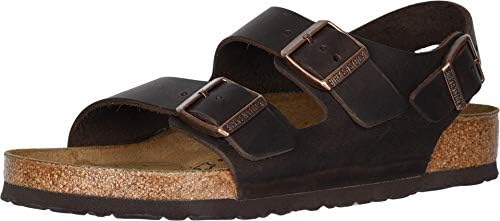
If you are buying your first pair, best birkenstock sandals deserve a careful fitting, because the footbed shape is very different from a flat sandal. The comparison table below shows the main strap and material options side by side, while this guide explains sizing, break in, and everyday comfort.
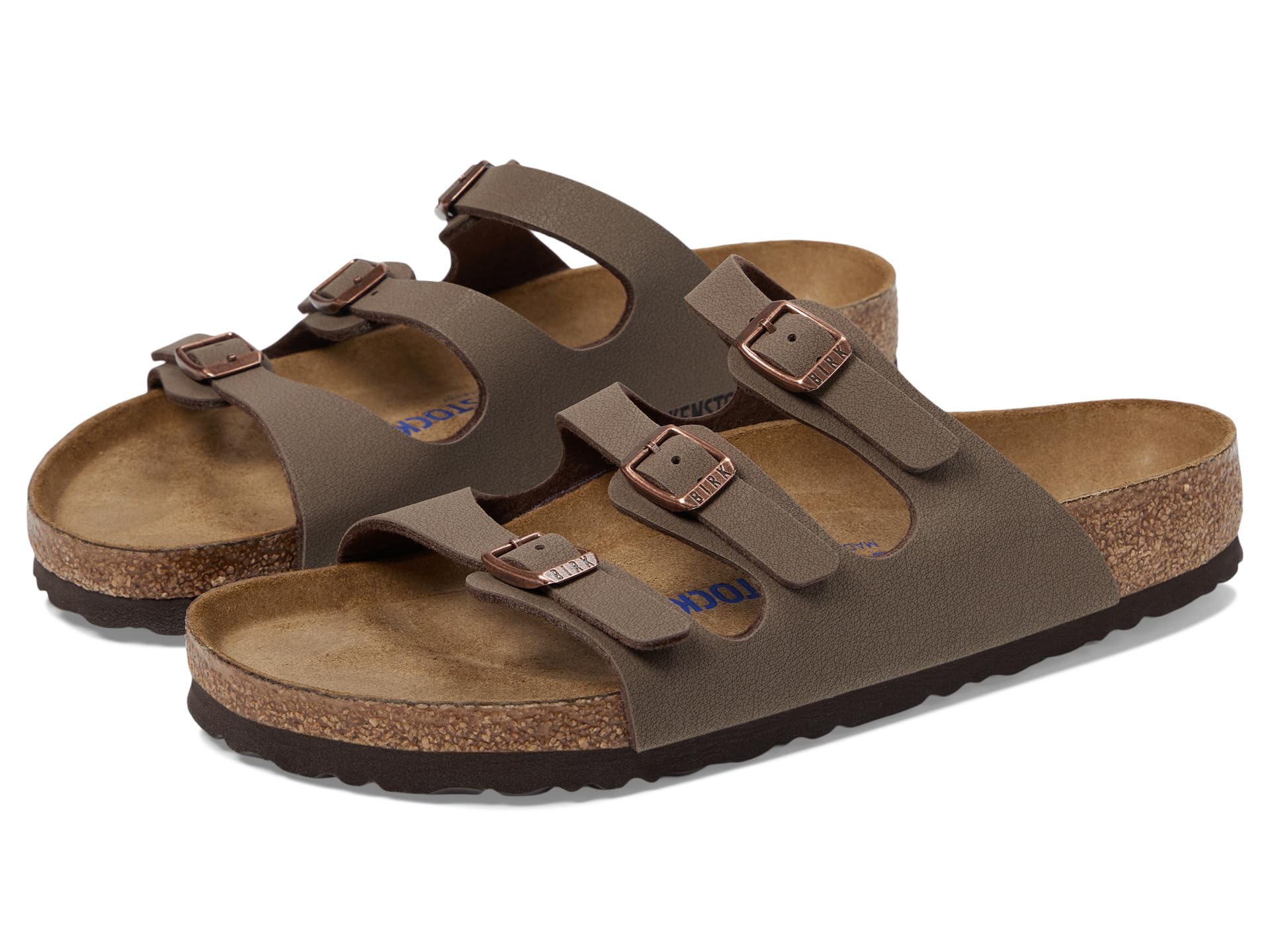
Birkenstock sandals are built around a contoured cork and latex footbed that is shaped to support the arch and spread pressure across the foot. The footbed feels firm at first and moulds gradually to your foot with wear. That break in period is normal, but it also means the first fitting and the right size matter more than with a soft foam sandal.



The Basics of Birkenstock Sandals
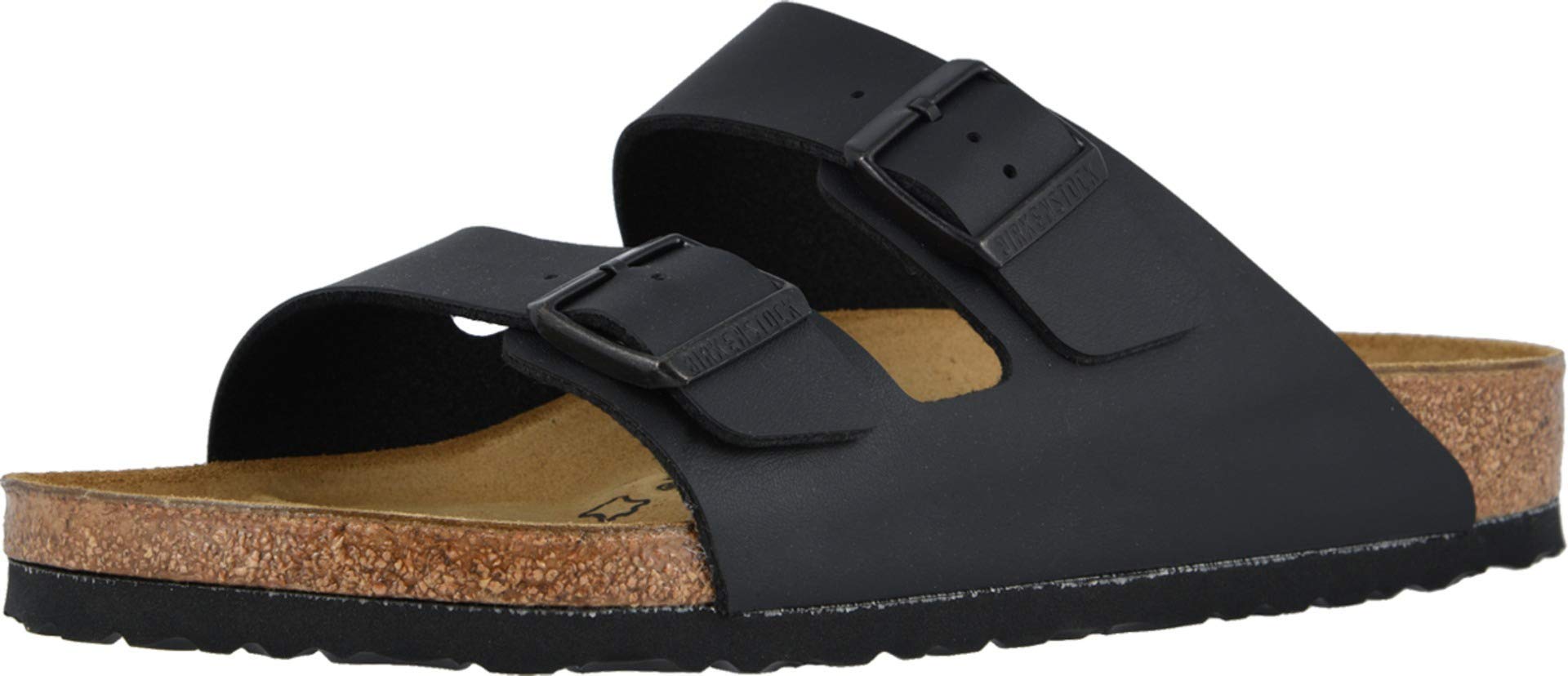
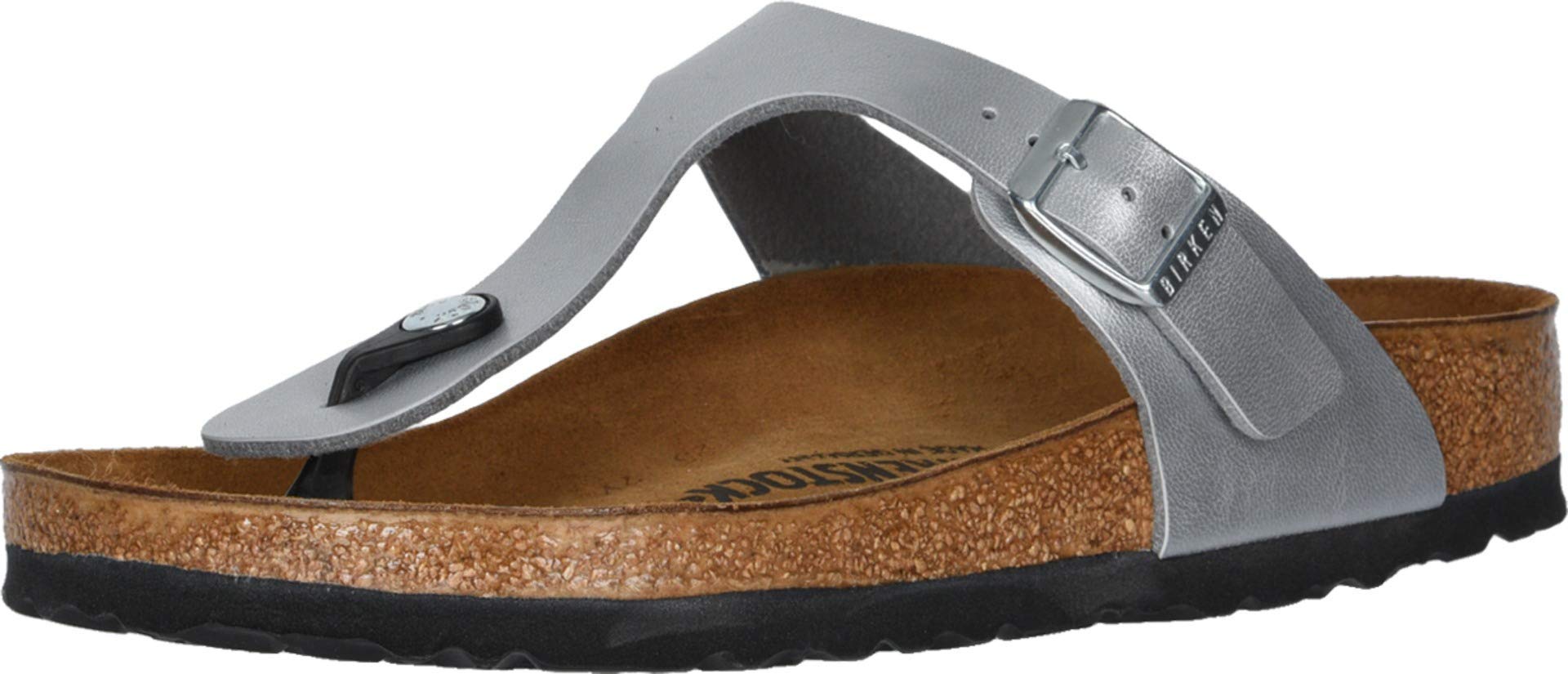
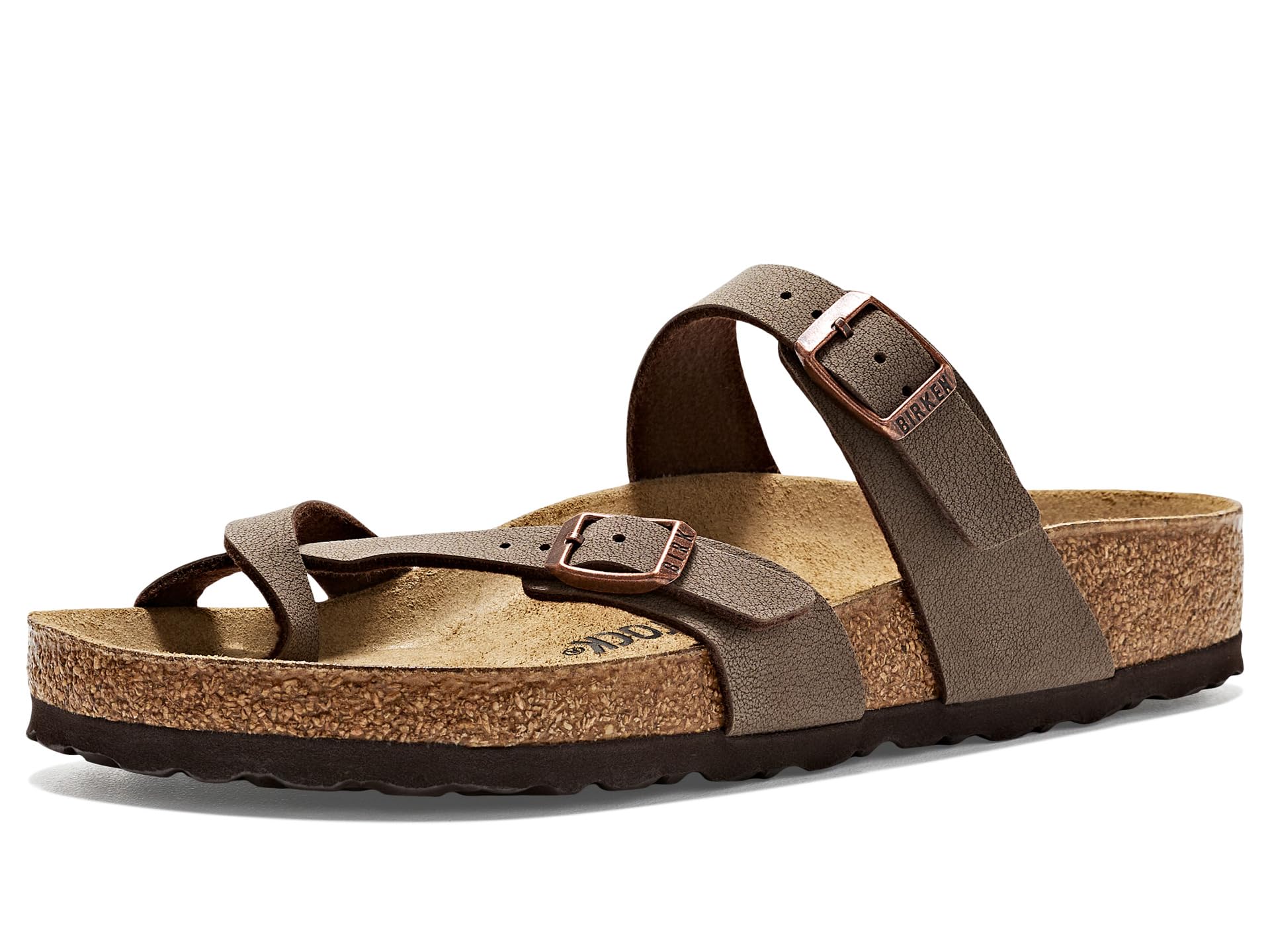
The classic footbed has a raised arch support, a deep heel cup, and a toe bar that encourages a natural gripping motion. The upper is usually leather, suede, or a synthetic material, held by one or more adjustable straps with buckles. Width options matter: a narrow fit suits slimmer feet, while a regular fit suits most feet, and the wrong width can cause rubbing even if the length is correct.
Sizing is also specific. Birkenstock sizes follow European sizing, and the fit should leave a small gap at the heel and toes when you stand, because the footbed is designed to be roomy rather than tight. Your toes should not press against the front edge, and your heel should sit in the heel cup without overlapping the back edge.
Key Features to Compare
Footbed Shape and Support
The contoured footbed is the defining feature, offering arch support, a heel cup, and a toe bar that work together to distribute weight. Some people love this support immediately, while others need time to adjust, especially if they are used to flat shoes. If you have foot pain, bunions, or a diagnosed foot condition, talk with your clinician before relying on any sandal for support.
Strap Style and Adjustability
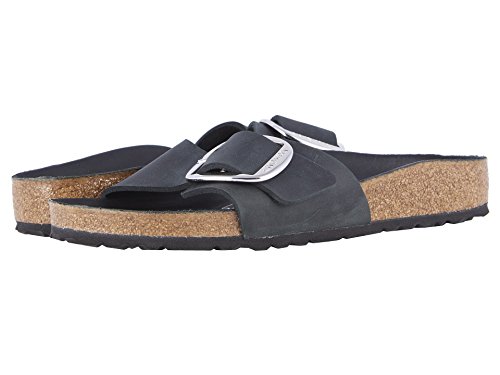
Strap style affects both fit and ease of use. A single strap sandal slips on quickly, while a two strap sandal offers more adjustment across the forefoot. Buckles let you fine tune the fit as the footbed breaks in and as feet swell in heat. Check that straps do not rub the top of the foot or between toes, and adjust them so the foot sits securely without being squeezed.
Material and Durability
Leather uppers age well and mould to the foot, but they need some care and can feel stiff at first. Suede is softer but marks more easily in wet weather. Synthetic uppers are easier to clean and often cost less, but they may not age in the same way. The cork footbed itself is durable, but it should be kept reasonably dry and protected from prolonged soaking.
Sizing and Width Choice
Correct sizing is essential, because a sandal that is too short will push toes over the front edge, while a sandal that is too long will feel clumsy and can cause tripping. Try both feet, stand and walk, and check the heel and toe gaps. If you fall between sizes or widths, seek advice from a retailer with fitting experience rather than guessing.
Everyday Use and Break In
A new pair often needs a gradual break in over one to two weeks, starting with short walks at home and building up. The footbed will soften and mould to your foot, and straps may need readjusting as it settles. Avoid wearing a brand new pair for a very long walk on day one, because blisters and soreness are more likely before the footbed has shaped to you.
Who Should Buy Which Type
For Daily Walking and Errands
For daily walking, a two strap style with a secure fit and a regular width is a reliable starting point for many people. The contoured footbed supports longer walks better than a flat flip flop, and adjustable straps help as feet swell during the day. Pair them with a comfortable walking pace and build up distance gradually during break in.
For Work and Standing All Day
If you stand for long periods, the footbed support and a secure strap fit matter most, but comfort is personal and depends on your feet and work surface. A closed toe style or a style with a back strap may feel more secure for work than an open slide. Try the sandals on the surface you work on, and talk with your clinician if standing causes pain.
For Travel and Warm Weather
For travel, a lightweight, easy to clean pair that slips on and off quickly is handy for airports and warm climates. A synthetic upper may be easier to care for on holiday, while a leather pair may be more durable for daily wear at home. Pack a spare pair of walking shoes for long sightseeing days until you know how your feet respond to a new pair.
Related Choices to Compare
If you are weighing a nearby option, compare the points above with our guides to best sandals similar to birkenstock, best sandals like birkenstocks, best men's birkenstock sandals, best birkenstock sandals for women, and best birkenstock sandals for walking.
Common Mistakes and Care
A common mistake is buying the same size as your usual trainers without checking the Birkenstock fit guidance, which can leave toes hanging over the edge. Another mistake is wearing a new pair for a long walk immediately, which can cause blisters before the footbed has moulded. Break them in gradually and adjust straps as the footbed settles.
Keep the footbed dry, brush off dirt, and avoid soaking the cork in water. Condition leather uppers as the maker suggests, and replace worn soles before they affect your gait. Store sandals away from direct heat, which can dry and crack cork over time.
Frequently Asked Questions
How should Birkenstock sandals fit?
They should fit with a small gap at the heel and toes when you stand, with your heel sitting in the heel cup and toes not pressing the front edge. The foot should feel secure but not squeezed, and straps should be adjustable without rubbing. Try both feet and walk around, because one foot is often slightly larger than the other.
Do Birkenstock sandals need a break in period?
Yes, most pairs need a gradual break in over one to two weeks, during which the cork footbed softens and moulds to your foot. Start with short walks at home and increase distance gradually, adjusting straps as the footbed settles. If pain persists beyond break in, stop and seek advice, because persistent pain is not a normal part of breaking in sandals.
Are Birkenstock sandals good for flat feet?
Many people with flat feet enjoy the arch support, but comfort depends on your foot shape and any diagnosed condition. The contoured footbed offers structured support, yet it is not a medical device and cannot replace custom orthotics where those are needed. If you have foot pain or a diagnosed condition, talk with your clinician before choosing sandals for support.
Can I wear Birkenstock sandals in water?
Most Birkenstock sandals are not designed for prolonged water use, and soaking the cork footbed can damage it. Light splashes are usually fine, but swimming, showering, or long wet walks are not recommended for classic cork styles. If you need a water friendly sandal, look for a style specifically made for wet use.
How do I clean Birkenstock sandals?
Brush off dry dirt, wipe the footbed gently with a damp cloth, and let sandals air dry away from direct heat. Condition leather uppers as suggested by the maker, and avoid harsh cleaners on cork or suede. Regular light cleaning will keep the footbed fresh and help the sandals last longer.
Final Thoughts
Focus on fit first, then strap style and material, and give the footbed time to break in gradually. A well fitted pair that suits your foot shape will feel very different from a pair bought in the wrong size. The comparison table above can help you compare strap and material options before you buy.
For most first time buyers, best birkenstock sandals come down to correct length and width, a strap style that holds the foot securely, and a patient break in. Get those right and the famous footbed has a real chance to work for you.


