
Best Birkenstock Boots for 2026: Types Compared and How to Choose
Disclosure: We may earn a commission when you buy through links on this page, at no extra cost to you. As an Amazon Associate I earn from qualifying purchases. Learn more

Compare Birkenstock boot types by cork footbed, fit, leather and outsole, with sizing, break in and care advice to choose a pair for daily wear.
Choosing a closed boot from a brand known for sandals can feel confusing. Chelsea styles, lace up styles and tall styles all share the same famous footbed, yet they suit very different days. The best birkenstock boots for you are the pair that matches your feet, your weather and the way you actually dress. This guide compares types and fit so you can use the comparison table below with confidence.
Start with two questions. How cold and wet are your usual walks, and do you need a boot you can pull on in seconds or one you can tighten with laces? Your answers narrow the field fast, before price or color enters the choice.
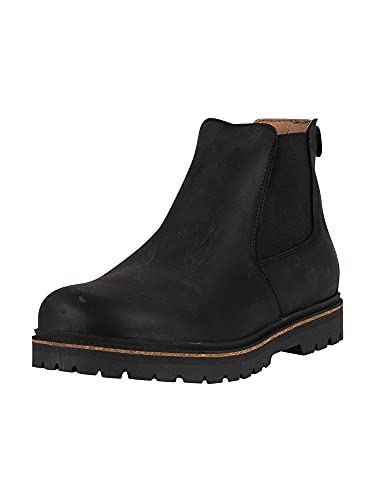

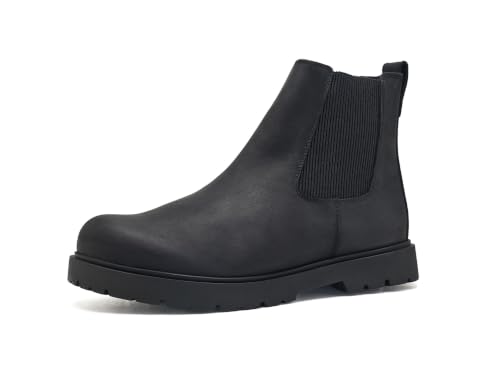

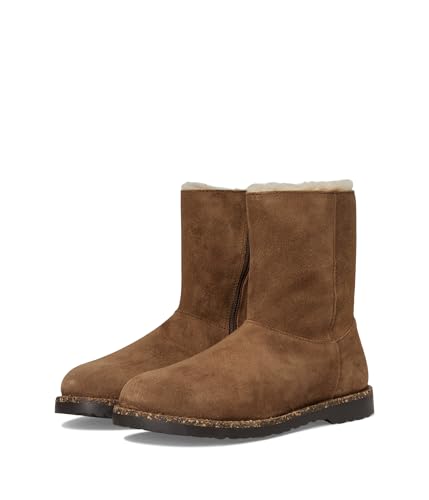
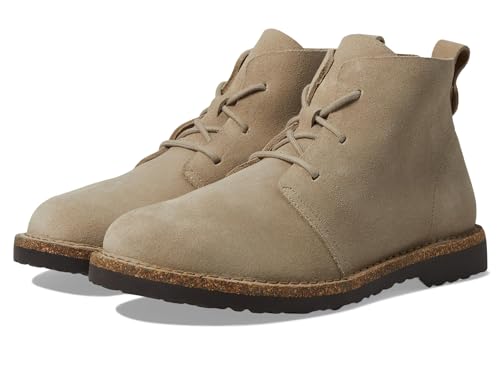
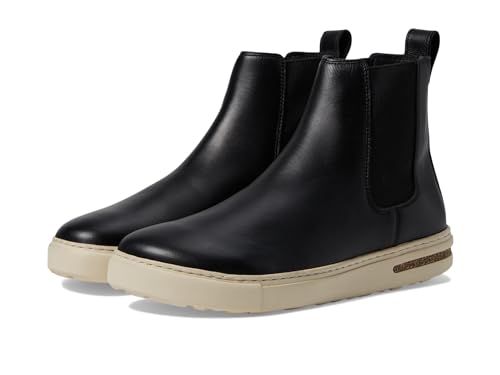
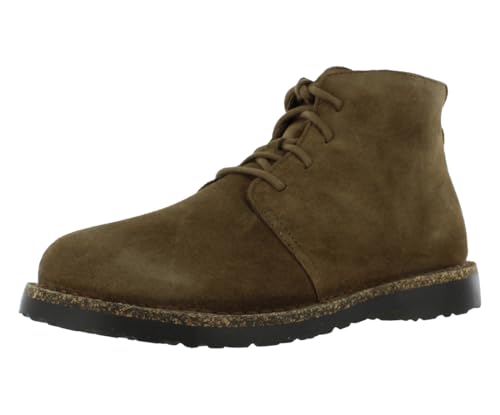
Who Should Buy Birkenstock Boots?
Most buyers want the molded footbed in a closed shoe for cooler months. Your routine decides which shaft height, lining and closure serve you best.
Daily Walkers Who Want Support From Morning to Evening
You walk to transit, stand at work and run errands on the same pair, so support matters more than looks alone. A lace up style lets you adjust the hold over your instep as your feet swell during the day. If you already know the footbed from the best birkenstock sandals, expect a firmer first week in boots.
Commuters Who Need a Clean Look for the Office
You need one pair that works with trousers on a train platform and still grips a wet sidewalk. A Chelsea style in smooth leather reads neat, pulls on fast and has no laces to trail in slush. Choose a rubber outsole with shallow tread, because deep lugs track mud onto office floors.
Cold Weather Walkers Who Also Live in Them at Home
You face frosty mornings and want warmth without a bulky snow boot shape. A lined style with room for thick socks suits you, as long as you size for those socks. At home, many owners rotate to the best birkenstock slippers so the boots can air out between outings.
Types of Birkenstock Boots Compared
The best birkenstock boots on a spec sheet can still fail in daily use if the type fights your routine. Compare the four types below by closure, shaft height and lining first. Price and color matter last.
If your climate stays warm for much of the year, a boot may be your second pair rather than your main pair. See our guide to the best sandals similar to birkenstock for open options built around footbed support.
Chelsea Boots With Elastic Side Panels
Chelsea boots pull on through elastic side panels and sit just above the ankle. They suit commuters and travelers who take shoes off often, because there is nothing to tie. The trade off is a fixed hold, so a narrow heel can lift inside if the size runs large. Try them with your usual socks and walk briskly.
Lace Up Ankle Boots
Lace up ankle boots give you the most control over fit. You can loosen the forefoot on a long day and snug the ankle before a hilly walk, which adds stability on uneven ground. They take longer to put on, and the laces need even tension to avoid pressure on the instep. Choose this type if your two feet differ slightly in size.
Tall Boots With a Higher Shaft
Tall boots cover more of the calf and pair well with dresses, skirts and tucked trousers. The higher shaft keeps splashes and cold air off your lower leg. Fit is less forgiving here, so measure your calf over the clothing you will wear inside. A shaft that pinches when you sit will not relax enough to become comfortable.
Lined Boots for Cold and Wet Days
Lined boots add a soft shearling or fleece layer inside a leather upper, often with a water resistant finish outside. They suit dry cold, light snow and short wet walks, and the lining makes the first wear feel softer. They run warm indoors, so office workers may find them too hot by midday. Leave extra room in the toe box, because lining takes up space.
Key Features to Compare
Use the same four checks for every pair, so a handsome upper cannot hide a poor fit.
Cork Footbed, Arch Support and Cushioning
The shaped cork and latex footbed is the core of the brand. It supports the arch, cups the heel and lets your toes grip a raised bar as you walk, which spreads load across the foot. Cushioning feels firmer than a foam running shoe, so expect stability rather than a soft bounce. If you have ongoing foot pain, numbness or a diagnosed condition, talk with your clinician about personal needs before relying on any boot for relief.
Fit, Width Options and Toe Box
Most styles come in a regular width and a narrow width, and that choice matters as much as length. Your toes should spread flat without pressing the sides, and the widest part of your foot should sit at the widest part of the boot. Measure both feet in the evening and size for the longer foot. Excess length lets the foot slide and rub.
Upper Leather, Suede and Lining Choices
Oiled leather shrugs off scuffs and light rain and suits daily wear, while smooth leather looks sharper for work. Suede feels soft and breathable in dry weather, yet it marks easily and needs a protective spray before the first outing. An unlined upper stays cooler in mild seasons, while a shearling lining adds warmth. Pick the upper for your wettest common day.
Outsole Traction and Sole Build
The rubber outsole decides how the boot behaves on wet pavement, gravel and smooth floors. A patterned tread with moderate depth grips city streets and park paths, while a nearly flat sole feels steadier on indoor tile. Flex the boot by hand, since a sole that bends at the ball of the foot walks more naturally. Very light boots often trade away sole thickness, so check tread depth before you buy.
How to Check the Fit and Break In Birkenstock Boots
Fit the boots late in the day and wear the socks you plan to use most. Stand with full weight on both feet, walk across a hard floor and turn sharply. Your heel may move slightly, but it should not lift clear of the footbed, and your toes must not touch the front on stairs.
Break in a new pair with short wears of about an hour around the house, then add time over one to two weeks. The cork needs warmth and pressure to mold, and stiff leather softens where it bends. Sharp rubbing that returns in the same spot each day points to a size problem.
Common Mistakes to Avoid
- Buying your sandal size without checking, since a closed boot in the same size can fit shorter once socks and lining are added.
- Choosing the narrow width for a sleeker look, which cramps the forefoot and makes long walks ache.
- Wearing a new pair for a full travel day at once, which turns a normal break in period into blisters.
- Treating water resistant leather as fully waterproof, which leaves feet wet after deep puddles or heavy snow.
- Storing boots while the lining is still damp, which invites odor and can crack the cork over time.
Care and Maintenance for Birkenstock Boots
Brush off dust and dried mud after wear, then wipe leather with a barely damp cloth when marks build up. Feed oiled leather with a suitable balm when it looks dry, and refresh suede with a brush rather than soaking it. Seal cork edges when the surface looks dull, because exposed cork dries and crumbles.
Dry wet boots at room temperature with the insides open, away from radiators and direct heat, which can stiffen leather and split cork. Rotating two pairs gives each footbed a day to dry from the inside.
Frequently Asked Questions
How long is the break in period for Birkenstock boots?
Most Birkenstock boots feel settled after about one to two weeks of gradually longer wear. Thick oiled leather takes longer than soft suede, because the upper must crease where your ankle bends. A useful sign of progress is even pressure under the arch with no single hot spot. If one spot still burns after two weeks, have the fit checked.
Do I need waterproof Birkenstock boots for rain and snow?
You need full waterproofing only if you stand in deep puddles or walk far in heavy rain. Most Birkenstock boots use water resistant leather, which sheds light rain and slush, but seams can still let water in. For a short commute, treated leather plus dry socks at work solves most wet days. Reserve a rubber rain boot for flooded streets.
Can I wear Birkenstock boots all day?
Yes, you can wear Birkenstock boots all day once the break in period is done and the width is right. The firm footbed suits people who stand on hard floors, because support does not flatten the way soft foam can. Build up to a full day over the first week. Sore arches that grow worse each hour mean the fit needs a second look.
How should Birkenstock boots fit when they are new?
New Birkenstock boots should feel snug at the heel and midfoot, with clear space in front of your longest toe. Test them on a slope or a step down, because that is when a long boot lets your toes jam forward. A closed boot gives no strap to rescue a poor size, so exchange an uncertain pair before outdoor wear.
How often should Birkenstock boots be replaced?
Replace Birkenstock boots when the outsole wears smooth at the heel, the cork cracks deeply, or the upper splits where it bends. For many owners that point arrives after several years of regular wear, because the footbed holds its shape longer than foam. A cobbler can often renew a worn sole.
Wrapping Up
Match the type to your routine first, then confirm width, toe room and outsole grip in person. Lace up styles reward walkers who adjust fit often, and Chelsea styles reward commuters in a hurry. Use the product table above to compare the pairs that meet those checks.
Chosen that way, the best birkenstock boots become the pair you reach for without thinking, on workdays and weekends alike.


