
Best Birkenstock Slippers by Budget: Smart Picks for 2026
Disclosure: We may earn a commission when you buy through links on this page, at no extra cost to you. As an Amazon Associate I earn from qualifying purchases. Learn more

Choose the best birkenstock slippers by budget and fit, with guidance on cork footbed support, warm linings, sizing, and long term value for home wear.
House shoes work harder than most people think. You stand on hard kitchen floors, climb stairs, and spend hours on your feet at home, often in flat slippers with no support at all. This guide helps you choose the best birkenstock slippers for your budget by explaining what each price tier really delivers in footbed support, warmth, and durability. Begin with your floors and your foot needs, then check the comparison table below to compare styles that match them.
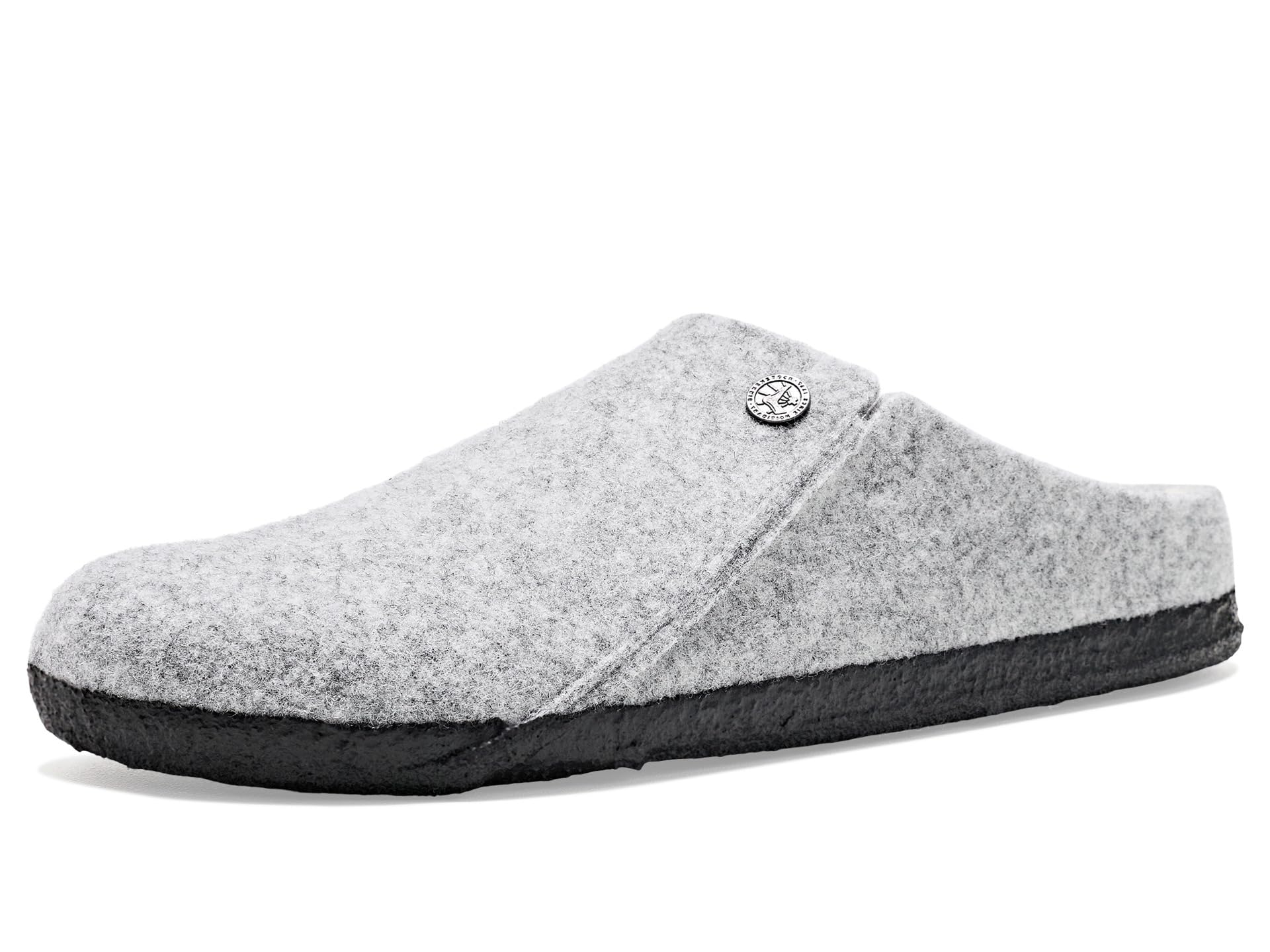
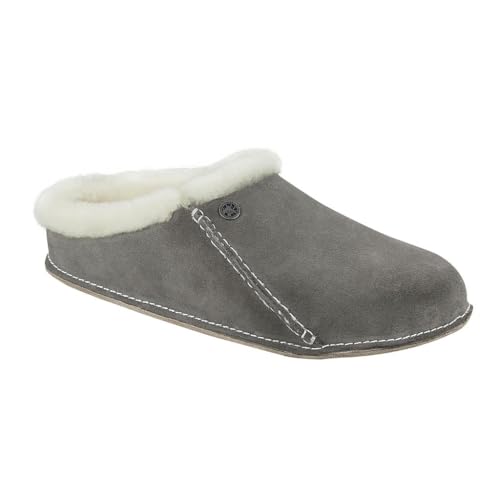
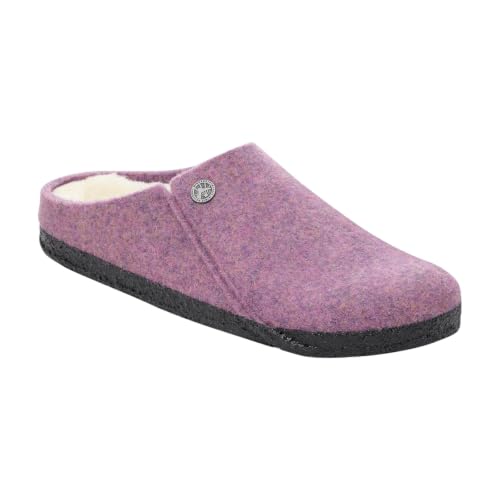
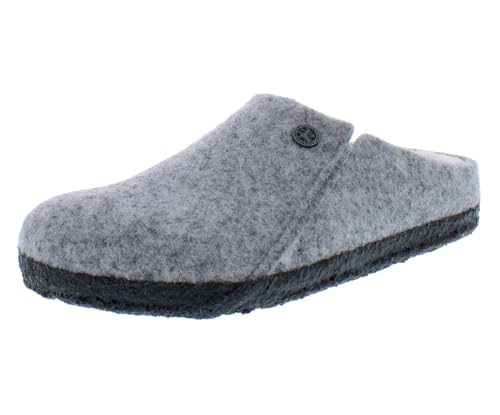
Birkenstock slippers and clog style house shoes share the contoured cork footbed found in the sandals, paired with uppers in wool felt, shearling, or soft fabrics. That combination gives home footwear real arch support, which cheap flat slippers lack. The right pair depends on how warm your home runs, whether you step outside for mail or trash, and how much support your feet need indoors.

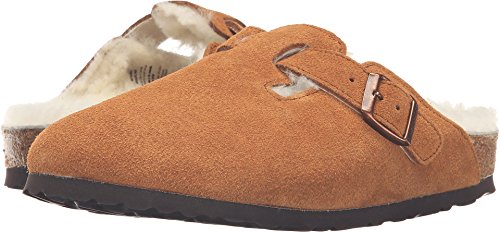

How to Shop by Budget Tier
Price tiers in this category map closely to upper materials and lining. The footbed shape stays broadly similar, so your money mainly buys warmth, softness, and how long the upper keeps its shape. Use the tier notes below to set expectations before you judge any single style in the product table above.
Budget Tier: Who It Suits
Budget styles, often around $50 to $75, suit buyers who want true arch support at home without paying for premium linings. Expect a cork footbed with a wool felt or fabric upper and a light indoor outsole. These pairs handle hard floors and long cooking sessions far better than flat foam slippers. The trade off is warmth and plushness in winter, plus uppers that may soften and loosen sooner. If you run warm or live in a mild climate, this tier covers your needs well.
Midrange Tier: Who It Suits
Midrange styles, often about $75 to $110, suit most households and most feet. This tier usually adds denser felt or suede uppers, better shaped clog designs that stay on during stairs, and in some styles a shearling or warm lining option. Durability improves too, with uppers that hold their shape through a full season of daily wear. For buyers with tired arches who wear house shoes for hours each day, this tier gives the strongest balance of support, comfort, and cost per wear.
Premium Tier: Who It Suits
Premium styles, often above $110, suit cold homes, sensitive feet, and buyers who want one pair to last several winters. Full shearling linings, top grade leather or thick wool uppers, and sturdier outsoles that tolerate quick outdoor steps justify the price for the right user. Warmth is the headline gain, so judge honestly whether your feet run cold. If they do not, premium lining can feel too hot by spring. Shoppers comparing general quality across brands may also enjoy our guide to the best quality slippers for context.
What Your Money Gets You at Each Price Tier
Budget Tier: What to Expect
Expect honest support and simple materials. The cork footbed still needs a short break in, and the arch will feel firm for the first week. Felt uppers breathe well and suit spring and fall, but they offer little insulation on cold floors. Outsoles at this tier are mainly for indoor use, so avoid wet pavement, which can damage cork and stain felt. Value here is excellent if your main goal is replacing unsupportive flat slippers with a shaped footbed at the lowest sensible cost.
Midrange Tier: The Sweet Spot for Most Buyers
Expect a better fit through the heel and midfoot, uppers that resist stretching out, and lining choices for different seasons. Clog styles in this tier stay secure without toe gripping, which matters on stairs. Many buyers find this is the first tier where slippers feel good from morning to night on hard floors. If you shop for a partner as well, our guides to the best slippers for women and the best male slippers cover fit notes for different foot shapes and sizes.
Premium Tier: When Spending More Pays Off
Spending more pays off when cold floors, strong sensitivity to cold, or long winter wear make warmth a daily need rather than a luxury. Shearling manages moisture as well as heat, so feet stay dry and comfortable during long wear. Premium outsoles also handle mail runs and patio steps with more grip and less cork exposure. It does not pay off if you only need light support for short indoor tasks, where a midrange felt clog does the same job for less money and less heat.
Features Worth Paying For (and Ones to Skip)
Break In Period and Comfort Out of the Box
Do not judge a cork footbed by the first hour. The footbed feels firm at first and then shapes to your arch and toes over about one to two weeks of regular wear. Wear them for short periods at first, an hour or two around the house, and build up. Shearling linings compress slightly and mold to your foot during the same period, which improves fit. If sharp pain or numbness appears, that signals a sizing problem rather than normal break in, so exchange sizes early while returns are easy.
Arch Support and Foot Type
The contoured footbed supports the arch, spreads load across the foot, and cups the heel, which helps tired feet on hard floors. Flat feet may need the full break in to adapt to the arch, while high arches often feel relief right away. If heel pain is your main indoor complaint, consistent support at home can matter as much as your outdoor shoes, a point our guide to the best slippers for plantar explores in detail. Persistent heel or arch pain deserves advice from a clinician rather than a footwear change alone.
Fit, Sizing, and Toe Box
Your heel should sit fully in the heel cup and your toes should clear the front edge without touching. Clog styles should feel secure at the instep without pressing, and your foot should not slide forward on stairs. Try slippers in the evening with the socks you plan to wear, since feet swell during the day and winter socks add volume. If you fall between sizes and wear thick socks, most buyers prefer the larger size. A roomy toe box lets toes spread naturally, which improves balance on hard floors.
Cushioning and Support
Cork footbeds feel firm rather than squishy, and that firmness is the point: support holds its shape instead of collapsing by midday. Shearling or soft lining adds surface comfort without removing structure. If you want a plusher step for tender joints, look for styles that pair the cork base with a cushioned lining rather than switching to a flat memory foam slipper that offers no arch shape. For quick outdoor steps, check that the outsole has real tread, because smooth indoor soles can slip on wet stone or tile.
Long Term Costs to Factor In
A supportive pair costs more up front than flat foam slippers but usually lasts far longer, which lowers cost per wear. Protect your investment with simple care: keep cork away from soaking water, apply cork sealant when edges look dry, and air the pair out between wears. Shearling benefits from a gentle brush and full drying if it gets damp. Budget for replacement in two to four years with daily use, sooner if the outsole wears smooth or the footbed cracks. Households that rotate two pairs extend the life of both, since cork and lining recover between days. For men comparing casual home styles beyond this brand, our guide to the best guy slippers offers a useful contrast.
Birkenstock Slippers: Your Questions Answered
How often should I replace my birkenstock slippers?
Replace them when the arch feels flat, the cork cracks deeply, or the outsole wears smooth enough to slip on hard floors. With daily home use, most pairs last about two to four years. Lining that has packed down and no longer feels warm is another clear sign. If new foot or heel aches appear at home, worn support may be the cause, so do not push an old pair past its useful life.
Can I wear birkenstock slippers all day at home?
Yes, after the break in period, most people can wear them all day comfortably. The shaped footbed supports long standing on hard floors better than flat slippers. Build wear time gradually during the first two weeks and alternate with bare feet or socks on soft carpet if you like variety. If pain builds through the day or lingers overnight, shorten wear time and check your size and footbed shape with a fitter or clinician.
Are expensive birkenstock slippers worth it?
They are worth it if you need real warmth from shearling, top grade uppers, or a sturdier outsole for brief outdoor steps. Those upgrades serve cold homes and sensitive feet well. If your home is warm and your wear is light, a midrange felt style gives the same footbed support for less. Spend on lining and materials only when your daily conditions call for them, and always put fit before tier.
How should birkenstock slippers fit?
They should fit with your heel centered in the heel cup, toes clear of the front edge, and a secure instep that does not pinch. Try them in the evening with your usual indoor socks. Walk on hard floor and stairs at home during the return window to test for heel slip or toe pressure. A clog that needs constant toe gripping to stay on is the wrong size or shape for you.
How long is the break in period for birkenstock slippers?
Plan on about one to two weeks of regular home wear. The cork gradually takes the shape of your foot and the lining settles, so comfort improves day by day. Start with short sessions and add time as the arch feels more natural. Mild awareness of the arch and toe bar is normal at first. Blistering, sharp pain, or numb toes are not normal, and they mean you should reassess size or style.
Do I need waterproof shoes instead of slippers outdoors?
For anything beyond a dry, quick step outside, yes, change into shoes. Cork footbeds and felt or shearling uppers are not built for rain, puddles, or snow, and soaking can crack cork and ruin lining. Premium outsoles tolerate a dry patio or mailbox run, but treat that as a bonus, not a purpose. Keeping your slippers indoors only is the simplest way to make a good pair last for years.
Wrapping Up
Choose your tier by warmth and wear time: budget felt for mild homes, midrange for daily support on hard floors, and premium shearling for cold floors and long winters. In every tier, fit and a patient break in decide comfort more than price. Compare your finalists in the product table above and pick the best birkenstock slippers for your home, and talk with your clinician if foot pain persists despite supportive footwear.


