
Best Bird Watching Binoculars under $100: A First Time Buyer's Guide for 2026
Disclosure: We may earn a commission when you buy through links on this page, at no extra cost to you. As an Amazon Associate I earn from qualifying purchases. Learn more
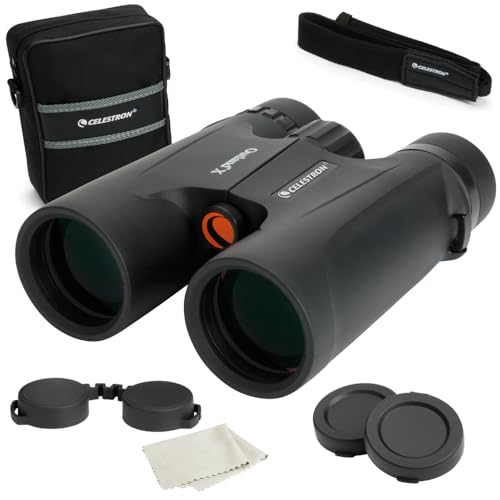
Learn how to choose the best bird watching binoculars under $100 with plain English spec help, simple setup steps, and rookie mistakes to avoid.
A first pair of binoculars turns a walk past a pond into a morning of herons, warblers, and wood ducks you can actually name. Finding the best bird watching binoculars under $100 matters less than most new birders fear, because this budget already covers honest glass and simple controls. This guide explains every term in plain English, so the numbers on a box stop feeling like a test.
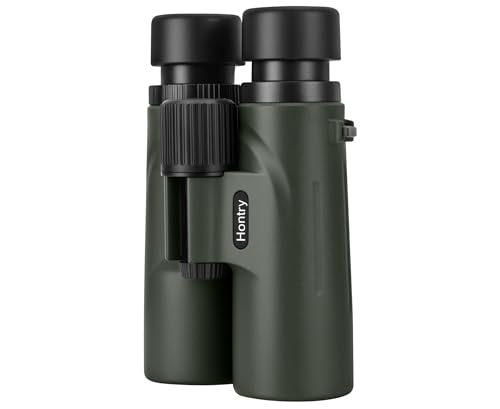
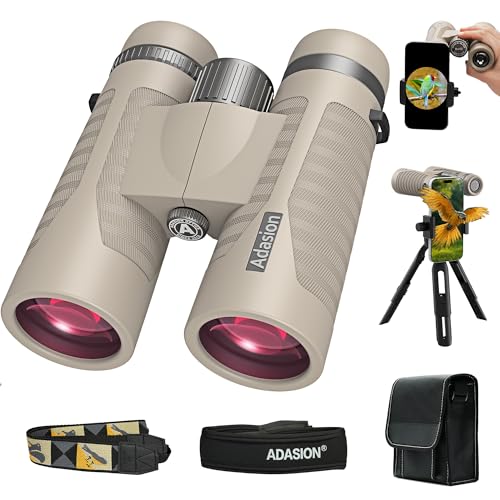
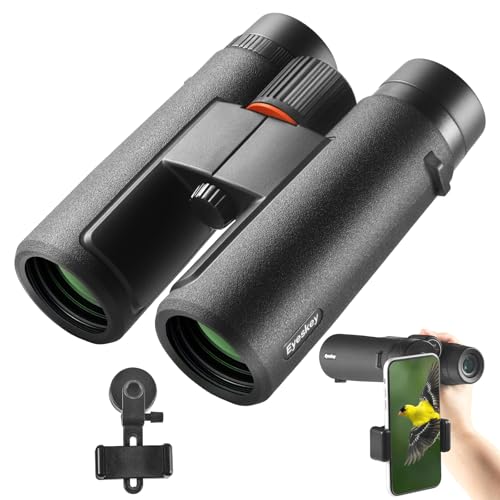
You will learn what the specs mean, what this budget can and cannot buy, and how to set up a new pair on day one. The comparison table below gathers the current options, so you can match each model against the guidance as you read. By the end, you will know which tradeoffs are worth accepting.




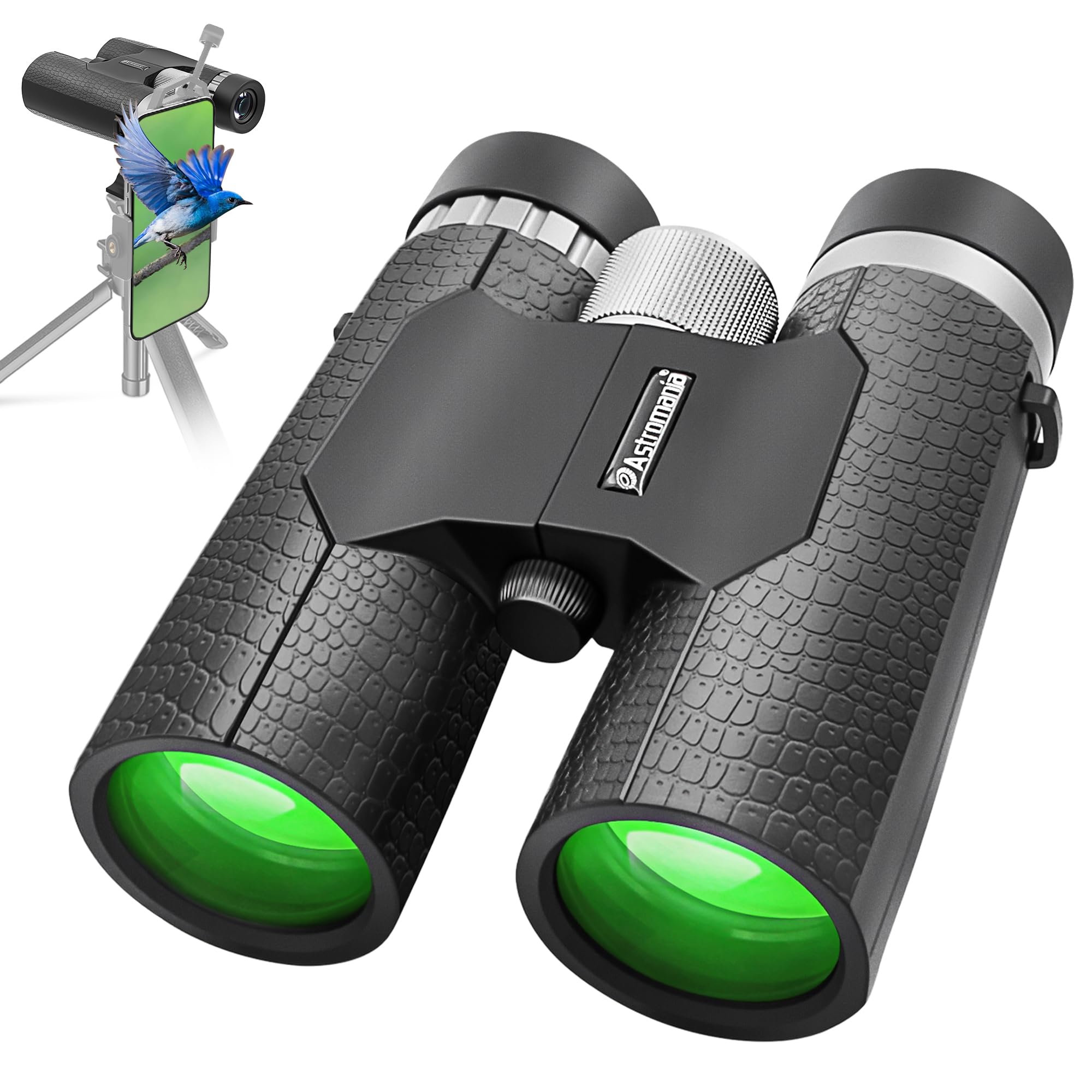
Bird Watching Binoculars 101: The Basics
Binoculars are two small telescopes joined side by side, one barrel for each eye. Light enters through the large front lenses, called objective lenses, and prisms inside fold that light so the pair stays short enough to carry. Because both eyes stay involved, the view feels natural and judging distance feels easier.
A center focus wheel turns both barrels into sharp focus at once, and a smaller diopter ring fine tunes one side to match your eyes. There is no autofocus, no battery, and no sensor inside, which is good news for a first purchase. Once set for your face, the pair works the same way on every outing.
Birding places special demands on that simple design. Birds move fast, sit in dim woods, and often show only subtle color differences, so a birding pair favors a wide view, honest color, and focus that responds quickly. For the broader category picture, see our guide to the best binoculars bird watching for how these pairs differ from travel and hunting models.
Key Specs Explained in Plain English
Spec sheets look dense, yet only a handful of numbers shape what you see. The right balance for a shaded forest trail differs from an open lakeshore.
What You Can Realistically Get Under $100
At this budget, the best bird watching binoculars under $100 share a sensible pattern, with multicoated glass, rubber armor, and waterproof seals appearing on many models. Expect a clear center view, a focus wheel that turns smoothly, and a basic case and strap. The cuts usually show at the edges of the view, where sharpness fades sooner, and in smaller comforts like basic eyecups. Our guide to the best binoculars under $100 shows the wider market at this price.
Magnification, Objective Lens Size, and Field of View
The two numbers printed on every pair, such as 8x42 or 10x42, tell you magnification and objective lens size in millimeters. Eight power makes a bird appear eight times closer, while ten power adds reach at the cost of a narrower view and more visible hand shake. The 42 mm front lenses gather enough light for dawn and dusk outings.
Field of view tells you how wide a scene you see at 1000 yards, often about 300 to 380 feet on pairs in this class. A wider field makes it far easier to land on a bird after you spot it with your naked eyes. For a deeper sizing walkthrough, see our guide to the best size binoculars for bird watching before you decide.
Close Focus, Eye Relief, and the Focus Wheel
Close focus is the shortest distance that still sharpens, and about 6 to 8 feet lets you study butterflies, feeder birds, and warblers up close. Eye relief is the distance your eyes can sit behind the eyecups while still seeing the whole picture, and about 15 to 19 mm suits most glasses wearers. Twist up eyecups set that distance, so try each stop rather than only the extremes.
The focus wheel deserves equal attention, because birding means constant small turns. A wheel that moves smoothly with one finger, without grit or sudden jumps, keeps quick birds within reach.
Size, Weight, and Ergonomics
Full size binoculars in the 8x42 class usually weigh about 20 to 28 ounces, enough heft to steady the view without wearing out your neck. Smaller 8x32 pairs trim weight and pack easier, though they give up some comfort in dim light. Grip texture and a strap that spreads weight shape how long you happily carry a pair. If pack space matters most, compare the tradeoffs in our guide to the best compact binoculars for bird watching.
Low Light Performance
Birds are most active near dawn and dusk, so dim light ability matters more than midday brightness. Divide the objective size by the magnification to get the exit pupil, the width of the light beam reaching your eye. An 8x42 pair gives about 5.2 mm, which matches your pupils in low light better than the roughly 4.2 mm from a 10x42 pair. Good coatings raise that advantage by passing more gathered light through the glass.
Glass, Coatings, and Prisms
Two prism layouts dominate this budget. Porro prism pairs have offset barrels and often deliver a rich, deep view for the money, while roof prism pairs keep a straight, compact shape that packs well. Inside, BAK4 glass generally gives a rounder, brighter picture than BK7 glass. Coatings cut glare, and the terms step up from coated to fully coated to fully multicoated, with each step passing more light and improving contrast on shaded birds.
Weatherproofing and Build
A weatherproof pair shrugs off drizzle, dew, and splashes at the lake edge, and birding rarely waits for perfect skies. Better models are sealed and filled with nitrogen, so the inside lenses stay free of fog when you step from a warm car into cold air. Rubber armor guards against bumps on trail posts and car doors. Check that the armor feels secure and the center hinge moves with firm, even resistance.
Who Should Buy Which Style of Birding Binoculars?
Backyard and feeder watchers. If most of your birding happens from a porch or kitchen window, an 8x42 pair with a short close focus covers nearly everything you will watch. The wide field keeps fast feeder traffic easy to follow. Comfort matters more than reach, because your birds come close.
New trail and park birders. If you walk woods and pond edges for an hour or two, choose the pair you can hold steady the longest. An 8x42 suits most trails, while a lighter 8x32 makes sense for long walks in bright, open places. A secure strap keeps the pair from swinging as you walk.
Travelers and occasional birders. If binoculars share a bag with everything else, a compact roof prism pair earns its place. You give up some dim light comfort, but a small pair in your pocket beats a larger pair left at home. If keeping costs down matters more than reach, our guide to the best budget binoculars for bird watching explains where the lowest prices still make sense.
Rookie Mistakes to Avoid
Most first pair regrets come from chasing the wrong number. Watch for these five traps.
- Choosing 12 power or higher for extra reach, which makes the view shake so much that small birds become harder to identify.
- Judging a pair by magnification alone, which can leave you with small front lenses that look dim at dawn.
- Buying variable zoom binoculars, which usually deliver a narrow and dim picture compared with a fixed power pair.
- Ignoring eye relief while wearing glasses, which cuts off the edges of the view and leaves dark rings around the picture.
- Skipping waterproof seals to save a little money, which lets one rainy morning fog the inside lenses and end the outing.
Getting Started: Setup and First Use
Your first setup takes about ten minutes, and it pays off on every outing that follows. Work through these steps in order at home.
- Set the barrel width by moving the barrels on the center hinge until the two circles merge into one clean image with no dark edges.
- Place the eyecups for your eyes, keeping them down if you wear glasses and raising them until the view fills out if you do not.
- Set the diopter once: cover the right front lens and focus on a still target with the center wheel for your left eye, then cover the left lens and turn the diopter ring until the right eye view turns sharp.
- Practice on still targets, such as a feeder, a roof sign, or a duck resting on a pond, so the wheel movement feels natural.
- Learn the spot then lift habit by keeping your eyes on the bird and raising the barrels straight to your face, so the bird sits near the center.
Clean glass only with a soft lens cloth, never your shirt, since grit caught in fabric can scratch the coatings.
Care and Keeping Your Binoculars Clear
Put the objective caps and the eyepiece cover back on whenever the pair goes into your bag, because zippers and keys scratch glass faster than trail use does. If rain or dew soaks the pair, let it air dry at room temperature before closing it in a case, so trapped moisture does not linger on the coatings.
Store the binoculars in a cool, dry spot at home, out of direct sun and away from a hot car trunk, where heat can soften seals over time. Every few months, check the strap lugs, the hinge tension, and the eyecup movement.
FAQ
Can you get a good pair of bird watching binoculars under $100?
Yes, you can get a genuinely good pair at this budget for learning birds. Quality varies slightly between individual pairs at this price, so a fair return window matters. Check the focus wheel and the view edges as soon as your pair arrives.
What specs matter most for beginners buying bird watching binoculars?
The specs that matter most are moderate magnification, a wide field of view, and a weight your arms can hold steady. Eight power suits most beginners because the picture stays calmer than at ten power. One test helps more than any spec sheet: hold the pair up for a full minute and notice whether you still feel relaxed at the end.
Which bird watching binoculars handle low light better, 8x42 or 10x42?
An 8x42 pair handles low light better because its larger exit pupil feeds your eye more light at dawn and dusk. Brace your elbows on a fence post, and shade the front lenses with a hat brim when stray light spills across the glass.
How much should a beginner spend on a first pair of bird watching binoculars?
Most beginners do well spending under $100, with the happiest results usually near the top of that range, where coatings and seals improve. Keep part of your budget for a harness strap or a pocket field guide, since both get used on every outing.
Is a smartphone enough for bird watching instead of binoculars?
No, a smartphone is not enough on its own, because its small sensor and digital zoom crop away the feather detail you need for identification. Binoculars use real glass and both of your eyes, so the view stays bright and three dimensional at distance. Your phone still earns its place for recording songs, logging sightings, and snapping photos for later study.
What do the numbers 8x42 and 10x42 mean on bird watching binoculars?
The first number is magnification and the second is the front lens width in millimeters, so 8x42 magnifies eight times through 42 mm lenses. Treat those numbers as a starting point rather than a verdict. Two pairs with identical numbers can still differ in field width, color, and brightness, which is why the comfort checks in this guide matter.
Final Thoughts
Start simple: choose a comfortable 8x42 or 10x42 pair with a wide field, honest coatings, and seals you can trust, then spend your learning time outside. The product table above pulls the current options together, so you can compare them against these points in minutes. Chosen well, the best bird watching binoculars under $100 will carry you through many seasons of first sightings, and your skills transfer to any pair you own later.


