
Best Biotin Tablets for Hair Regrowth: Types Compared and How to Choose for 2026
Disclosure: We may earn a commission when you buy through links on this page, at no extra cost to you. As an Amazon Associate I earn from qualifying purchases. Learn more

Compare each type, its ideal users, and price range to pick the best biotin tablets for hair regrowth with a clear, honest guide.
Regrowth is a slow and often emotional goal, and the shelf of options can feel confusing fast. Plain biotin tablets, blended hair formulas, and clinician guided treatments all claim a place in your routine, yet they suit very different situations. This guide to the best biotin tablets for hair regrowth compares those types plainly, so you can match the approach to the likely cause of your shedding instead of buying on hope.
Start with the comparison table below for doses and serving sizes. Then read the type comparisons and safety notes, because regrowth depends far more on cause and consistency than on any single ingredient.



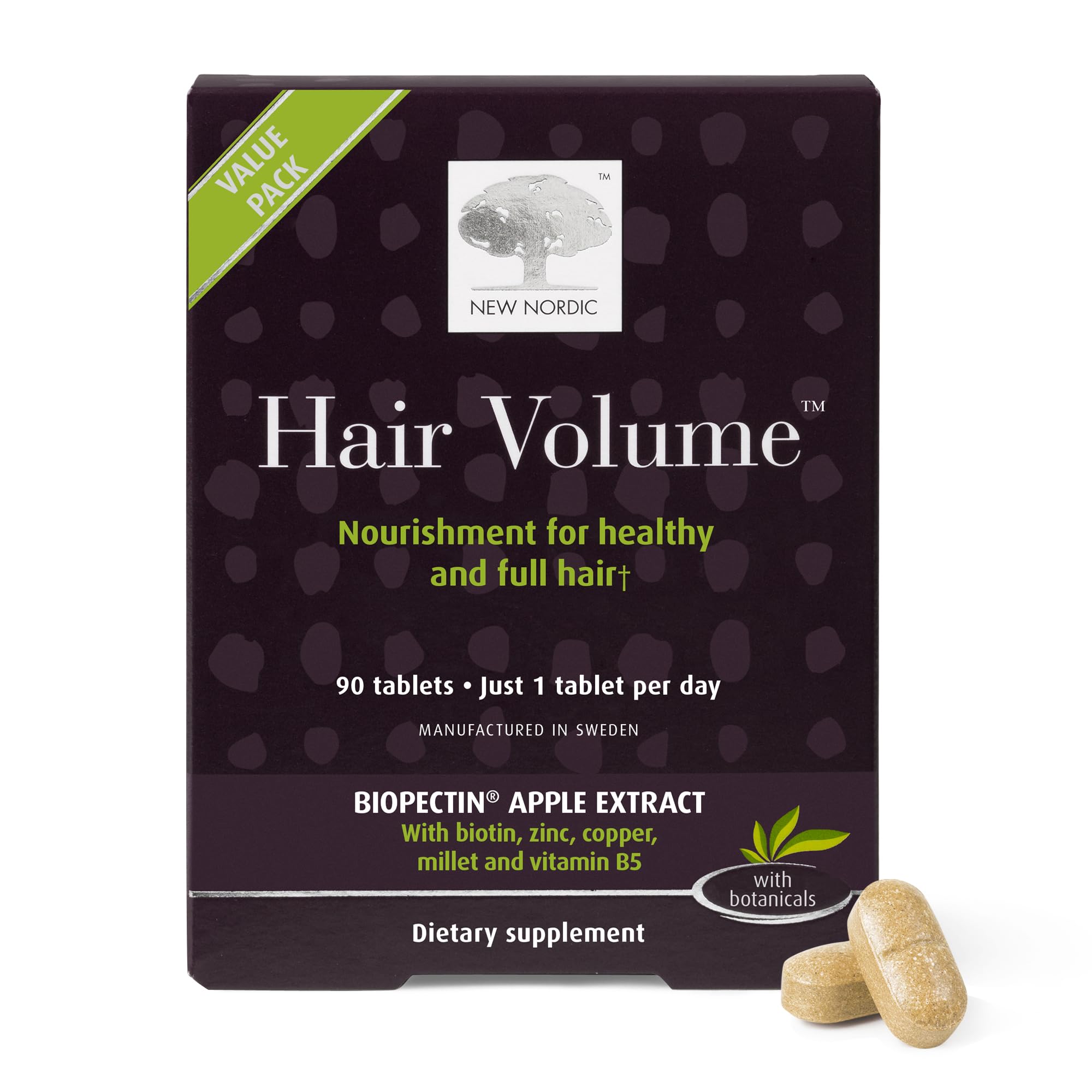
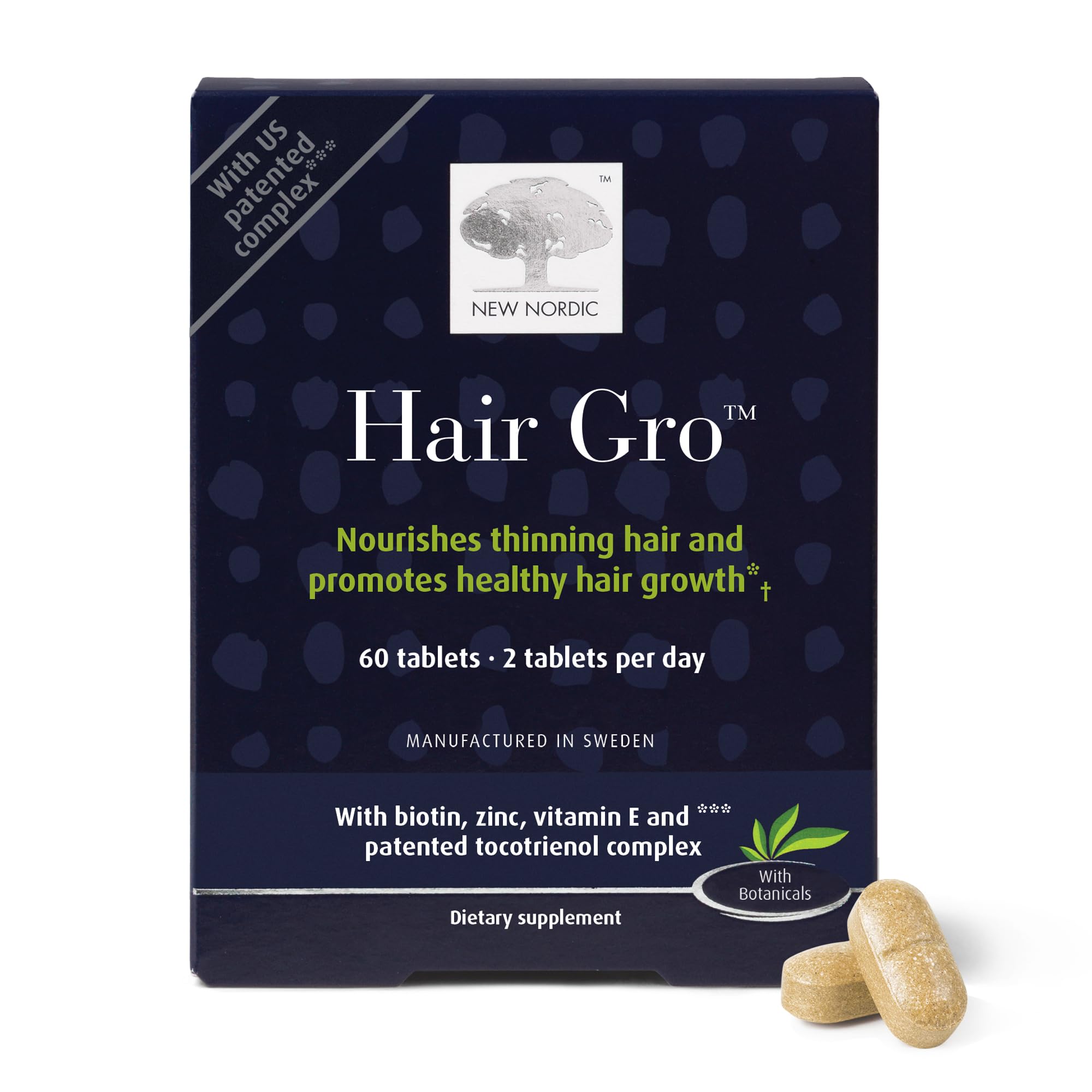
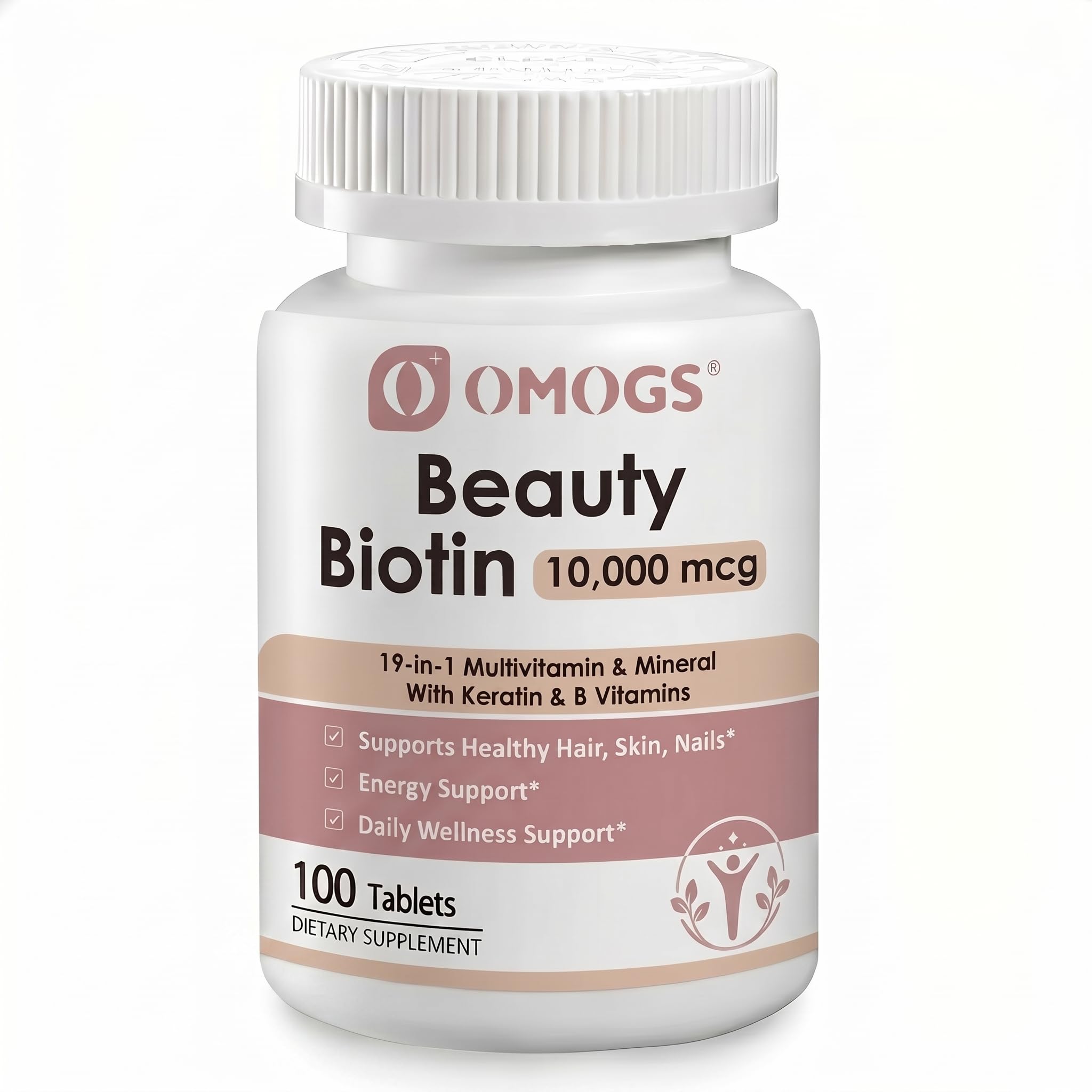


How Biotin Tablets Compare to Other Options
No single route fits every cause of hair loss. The comparisons below set biotin tablets beside the main alternatives shoppers weigh, with honest limits for each. A tablet can support nutrition, but it cannot replace diagnosis when shedding is sudden, patchy, or severe.
Biotin Tablets vs Broader Hair Regrowth Tablets
Biotin only tablets do one narrow job: they top up a single B vitamin. Broader formulas add nutrients such as zinc, folate, and vitamin D, which can help when several small gaps exist in your diet. The trade off is complexity, since each added ingredient brings its own limits and interactions. If you want to compare the wider category, see our guide to the best hair regrowth tablets for how blended formulas differ in dose and purpose.
Biotin Tablets vs Topical and Clinical Care
Topical products and clinical care act on the scalp and the hair follicle directly, while a tablet works through general nutrition. For pattern hair loss, thyroid related shedding, or scarring conditions, a dermatologist guided plan is the route with real evidence behind it. Tablets may sit alongside that plan when a clinician agrees, but they should not delay it. Months spent on the wrong route are months of regrowth you cannot recover.
Biotin Tablets vs Diet First Changes
A diet first approach costs little and helps your whole body, not just your hair. Regular protein at meals, plus foods rich in iron, zinc, and B vitamins, supports the growth cycle from the ground up. Tablets make sense when meals are restricted, appetite is low, or a test shows a gap you cannot close with food alone. For many people the honest answer is both: steady meals first, and a modest tablet only where a real gap remains.
Who Should Choose Biotin Tablets?
Biotin tablets fit best when your diet is limited, when a clinician suspects low intake, or when you want a simple low cost addition while you investigate other causes. They fit poorly as a sole plan when shedding is rapid, when bald patches appear, when the scalp is inflamed, or when hair loss runs with fatigue, weight change, or other symptoms that suggest a medical cause. In those cases a medical visit comes first, and any supplement decision follows the findings. Shoppers whose concern is general fullness rather than regrowth after shedding may prefer our guide to the best biotin tablets for hair instead.
One more group should pause before buying: people who are pregnant, nursing, or managing a thyroid condition. Supplement needs and safe dose ranges differ in these situations, and hair shedding after childbirth is common and often temporary. A short conversation with your clinician first can save money and worry, and it ensures any tablet you choose fits your medicines and your stage of life.
How to Choose the Best Biotin Tablets for Hair Regrowth
Once you decide a tablet belongs in your plan, choose it the way you would choose any supplement you will take for months. The checks below keep the focus on label quality, fit with your other products, and realistic expectations.
Dose and Serving Size
Adult needs sit at about 30 mcg of biotin per day, yet regrowth formulas often list far higher amounts. Higher is not proven better, and very high doses raise the lab test concern described below. Prefer a product that states its dose clearly per serving, and count the servings per day honestly, since a formula that needs three tablets daily will cost more and be easier to forget than the label price suggests.
Label Quality and Transparency
A trustworthy label lists every active ingredient with its amount, names the form of each vitamin, and gives a full other ingredients list. Be cautious with proprietary blends that group ingredients under one combined weight, because you cannot tell how much of anything you are getting. Independent quality seals from recognized testing groups add confidence, and a maker that publishes contact details and batch testing information is easier to trust than one that hides behind bold front label claims.
Fit With Your Current Routine
List everything you already take before you buy. Multivitamins, energy drinks, and fortified foods can already supply biotin, and stacking sources quietly pushes your total far above the label number you focused on. Also consider timing and stomach comfort, since some people find B vitamins easier with food. Readers comparing growth focused options can cross check doses in our guide to the best biotin tablets for hair growth.
Features That Matter for Hair Regrowth
Regrowth has a timeline you cannot rush. Hair cycles through growth and rest phases over months, so any nutrition based approach needs at least three to six months before you judge it. Look for products that state this honestly rather than promising visible change in weeks. Practical features help too: a bottle size that covers a full trial, a tablet size you can swallow daily, and a price per month you can sustain without gaps in the routine.
Tips to Get the Most From Your Biotin Tablet
Take the tablet at the same time daily, keep dated photos in the same light each month, and change nothing else in your hair care during the first months so you can judge fairly. Be gentle with new growth: limit tight styles, reduce heat, and avoid harsh chemical services while shedding is active. Most importantly, tell your doctor that you take biotin before any blood work, because biotin can distort some thyroid and heart related lab results, and ask whether to pause it before testing.
Biotin Tablets: Your Questions Answered
What features matter most in biotin tablets for hair regrowth?
A clear dose, a transparent label, and a price you can sustain for several months matter most. Regrowth judging takes time, so a three month supply at a fair monthly cost beats a costly short trial. Independent quality testing adds trust. Features that promise speed matter least, because the hair cycle sets the pace and no tablet can shorten it in a meaningful way.
How long does regrowth take with biotin tablets?
Expect months, not weeks. Fine new hairs may appear along the hairline after about three months when nutrition was part of the problem, with fuller change taking six months or more. Take monthly photos to see gradual progress your eyes miss day to day. If you see no change at all after six months of steady use, the cause likely lies elsewhere and deserves a medical review.
Can biotin tablets regrow hair on their own?
Only when low biotin or poor overall nutrition is a real part of the cause, which is less common than marketing suggests. Pattern loss, thyroid issues, low iron, illness, and stress related shedding each need their own response. A tablet can support a wider plan, but treating it as the whole plan risks delay. A dermatologist can often identify the cause in one visit with a scalp exam and blood work.
Are there warning signs I should not ignore?
Yes. Sudden heavy shedding, round bald patches, scalp pain, itching with scale, sores, or hair loss paired with fatigue or weight change all call for prompt medical care. These signs can point to conditions where early treatment protects the follicles and improves outcomes. Do not spend months trialing supplements while such signs continue. Book the visit first, then decide about tablets with real information in hand.
Does grey hair change what I should choose?
Grey hair tends to be coarser and drier, so regrowth care for grey hair often pairs nutrition with gentler styling and moisture focused care. Supplements do not restore pigment, since color loss is driven mainly by age and genetics. If grey coverage and texture are your main concerns, our guide to the best biotin tablets for grey hair covers that angle in depth.
How much should I expect to spend each month?
Plain biotin tablets are usually the lowest cost route, often under $20 per month, while blended regrowth formulas commonly run about $20 to $50 per month depending on serving size and added ingredients. Price per month, not price per bottle, is the fair comparison. Spending more buys added nutrients and testing claims, not faster follicles, so set a budget you can hold for a full six month trial.
Wrapping Up
Match the type to the cause first, then choose on dose clarity, label quality, and a monthly cost you can sustain. Keep the lab test warning in mind, watch for the warning signs listed above, and talk with your clinician about your personal needs before and during any long trial. Used with that care, and judged against the product table above, the best biotin tablets for hair regrowth become a measured support for regrowth rather than a hopeful guess.


