
Best Biotin Tablets of 2026: Complete Buying Guide
Disclosure: We may earn a commission when you buy through links on this page, at no extra cost to you. As an Amazon Associate I earn from qualifying purchases. Learn more

A clear buying guide to biotin tablets covering dose, tablet form, label quality, timing, and value, plus a simple checklist to use before you buy.
Biotin labels can look confusing at first glance. One bottle lists a tiny dose in micrograms, the next lists a dose many times larger, and both promise support for hair, skin, and nails. This guide helps you sort out what actually matters so you can choose best biotin tablets for your routine with confidence. You will learn how dose, tablet form, added nutrients, and label quality differ, and you can use the comparison table below to compare options side by side once you know what to look for.
Biotin is vitamin B7, a water soluble vitamin your body uses to turn food into energy and to support normal keratin production. Most people get some biotin from food, and true deficiency is uncommon. A tablet can still make sense if your diet is limited, your clinician has flagged a gap, or you want a simple daily habit. The key is choosing a sensible dose in a form you will actually take every day.


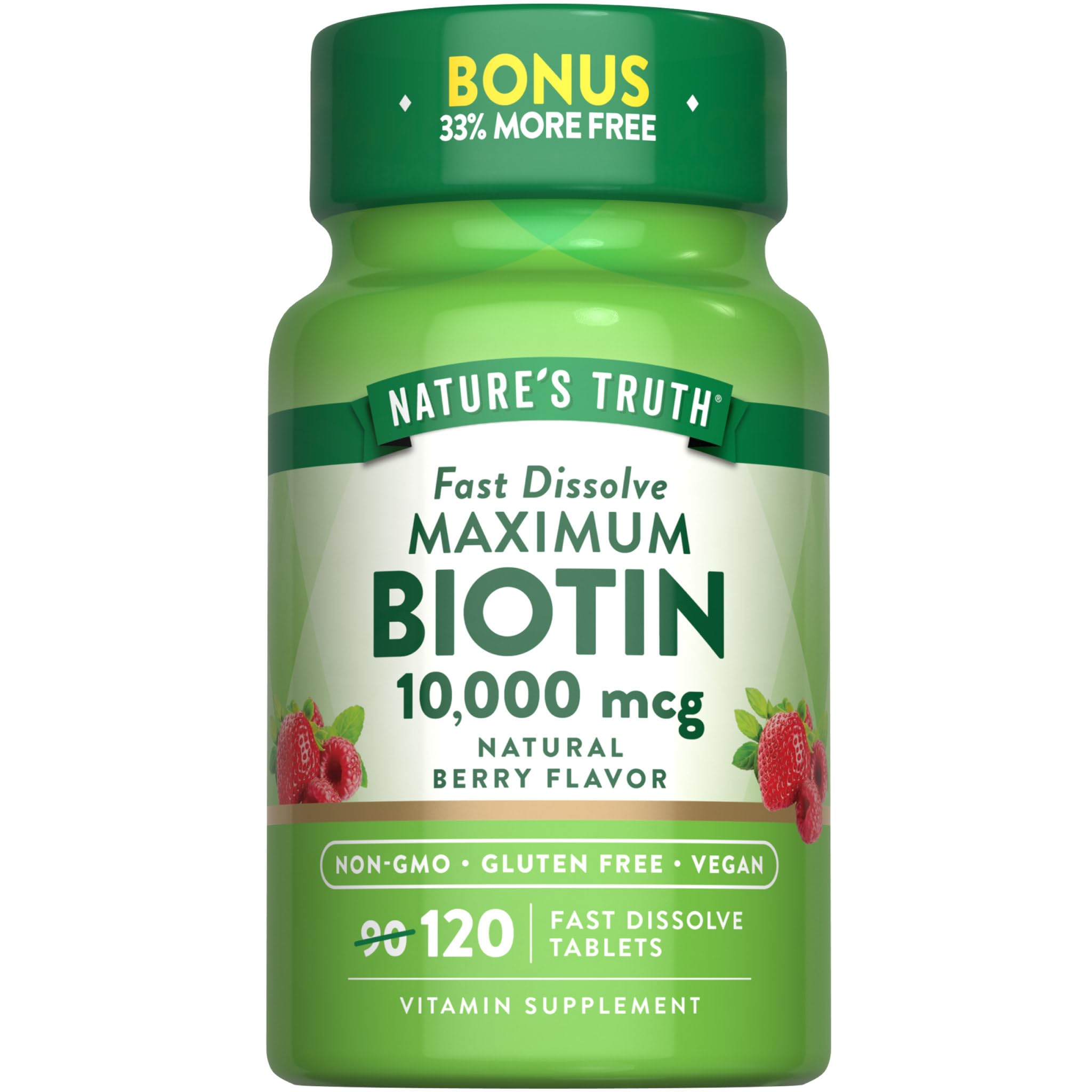


What the Price Tiers Usually Give You
Price alone tells you very little about a biotin tablet, because the vitamin itself is inexpensive. What changes across tiers is dose per tablet, bottle size, added nutrients, and how much testing and label detail the maker provides. Use the tiers below as a guide to value rather than as a promise that spending more gives you stronger results.
Budget Tier: Simple and Sensible
Budget options, often under $10 for a two or three month supply, usually give you a plain biotin tablet with few or no added nutrients. That simplicity is a strength if you only want biotin and already take a multivitamin. Check that the dose is stated clearly in micrograms and that the label lists the full serving size. A very low price with a vague label or no lot details is a reason to pause, because label clarity is part of what you are paying for even at this tier.
Midrange Tier: The Sweet Spot for Most Buyers
Midrange bottles, often about $10 to $20, tend to add helpful extras such as a clear third party testing note, a smaller and easier to swallow tablet, or a thoughtful blend with nutrients like vitamin C or folate. Many buyers land here because the daily cost stays low while the label gives more confidence. If two bottles look similar, choose the one with the clearer dose, fewer unnecessary fillers, and a serving size of one tablet per day for simple adherence.
Premium Tier: When Paying More Makes Sense
Premium options, often above $20, usually charge for extras such as organic or allergen free sourcing claims, chewable or fast dissolving forms, and larger counts of added nutrients. Those extras only help if they match a real need, such as a tablet you can take without water or a formula that avoids an ingredient you cannot tolerate. A premium price never proves a formula works better for hair or nails, so judge it by fit and label quality rather than by price alone.
How to Choose the Best Biotin Tablets
A good choice starts with your reason for taking biotin and ends with a label you can read and trust. Work through the points below in order. Dose and safety come first, then form and daily fit, then value. By the end you will have a short checklist you can apply to any bottle in the product table above in under a minute.
Dose and Potency: More Is Not Always Better
Biotin doses are listed in micrograms, written as mcg. The daily value for adults is 30 mcg, yet many tablets list 1,000 mcg, 5,000 mcg, or even 10,000 mcg per serving. Because biotin is water soluble, extra amounts generally leave the body in urine, but a huge dose is not proven to give faster or stronger results for most people. A practical approach is to start with a moderate dose, give it at least eight to twelve weeks, and only change one thing at a time so you can judge the effect fairly.
High doses carry one important caution. Biotin can interfere with certain lab tests, including some thyroid and heart related tests, and can make results look wrong. Tell your clinician and the lab that you take biotin before any blood work, and ask whether you should pause it for a few days before the test. This single step prevents a lot of confusion and is a strong reason to keep your dose sensible rather than chasing the largest number on the shelf.
Tablet Form, Size, and Daily Fit
Tablets vary more than you might expect. Some are small round tablets that are easy to swallow, while others are larger coated tablets or chewable tablets with flavoring. If swallowing pills is hard for you, a chewable or a mini tablet can make daily use realistic. Check the serving size too. One tablet once a day is far easier to stick with than two or three tablets spread across the day. Also note whether the tablet should be taken with food, since a routine tied to breakfast is easier to remember.
Timing matters less than consistency, but a steady routine helps you notice changes over time. If you want detailed timing help, see our guide to the best time to take biotin tablets for morning and evening trade offs. Food timing also affects comfort for some people, so our notes on the best time to eat biotin tablets explain how to pair a tablet with a meal to reduce stomach upset.
Added Nutrients and Formula Focus
Some tablets contain biotin alone, while others blend it with nutrients such as keratin, collagen, vitamin C, vitamin E, folate, or zinc. A blend can be convenient, but it can also duplicate what your multivitamin already gives you. Read the whole supplement facts panel, not just the front label. If hair support is your main goal, compare focused options in our guide to the best biotin tablets for hair and check whether the blend matches that goal. Avoid blends with long lists of tiny amounts that add cost without a clear purpose.
Label Quality, Testing, and Allergens
Look for a label that states the dose per tablet, the number of tablets per bottle, and full contact details for the maker. Notes about testing by an independent lab or certification group add confidence, because supplements are not approved for effectiveness before sale in the United States. Check the other ingredients list for allergens and for sweeteners or coatings you want to avoid. Store the bottle away from heat and moisture, and check the expiration date when it arrives, since a bargain bottle close to expiry is poor value.
Who Should Be Careful or Skip Biotin
Talk with your clinician before starting biotin if you are pregnant, nursing, under 18, or taking medicine for seizures or another long term condition. Stop and seek medical advice if you notice warning signs such as a rash, swelling, trouble breathing, ongoing stomach pain, or unusual changes after starting any supplement. Biotin supports normal hair and nail structure, but sudden hair loss, brittle nails with other symptoms, or skin changes can signal thyroid issues, low iron, or another condition that needs proper diagnosis rather than a supplement alone.
Tablets Compared With Other Forms
Tablets are only one way to take biotin. The right form depends on your habits, your budget, and whether you want biotin alone or combined with other nutrients. Here is how the main options compare so you can decide whether a tablet is truly your best fit.
Gummies
Gummies are pleasant to take and need no water, which helps some people stay consistent. The trade offs are added sugar or sweeteners, a lower dose per piece in many formulas, and a higher cost per month. Gummies can also melt or stick together in heat. Choose gummies only if taste is the reason you would otherwise skip your supplement, and keep them out of reach of children, who may mistake them for candy.
Capsules and Softgels
Capsules often contain biotin powder alone or in a blend, and softgels may include oils. They can be easier to swallow than a large tablet for some people, but they may cost more and some capsule shells are not suitable for vegetarian diets. If you like a tablet routine but dislike chalky texture, a capsule is the closest alternative. Compare dose per capsule and servings per day, since some products need two capsules to reach the listed dose.
Liquid and Food Sources
Liquid biotin allows flexible dosing with a dropper, but taste and measuring each day can become a chore, and bottles may need refrigeration after opening. Food sources such as eggs, nuts, seeds, sweet potatoes, and certain vegetables give biotin along with protein and other nutrients, and they should remain the base of your intake. A tablet is best viewed as a simple top up to a varied diet, not as a replacement for balanced meals.
How to Get the Most From Your Routine
- Take it at the same time each day. Tie your tablet to breakfast or another daily habit so you rarely miss a dose.
- Give it enough time. Hair and nails grow slowly, so judge any change over at least two to three months, not two weeks.
- Change one thing at a time. If you also start a new shampoo or diet, you will not know what helped.
- Note lab tests in advance. Write your biotin dose on your appointment notes so your care team can plan around test interference.
- Store it well. Keep the bottle closed, dry, and away from bathroom steam to protect tablet quality.
- Track simple signs. A monthly photo of your nails or hairline gives a fairer record than memory alone.
FAQs
How long does it take for biotin tablets to show results?
Most people need at least eight to twelve weeks to judge results fairly. Nails grow slowly and hair cycles take months, so early changes are subtle. Take a clear photo at the start and again each month in the same light. If you see no change after three months of steady use, talk with your clinician about other causes rather than raising the dose on your own.
Can I take biotin tablets with other vitamins?
Yes, in most cases you can, but check for overlap first. Many multivitamins already contain biotin, so a separate high dose tablet may add far more than you need. Add up the biotin from all your supplements and keep the total sensible. If you take prescription medicine, ask your pharmacist to check for interactions, especially if your routine includes several new products at once.
Should I take biotin in the morning or at night?
Either time works, because consistency matters more than the clock. Morning use pairs well with breakfast and is easy to remember. Night use suits people whose stomach feels sensitive in the morning. Pick one time and stick with it for a full month before judging. Avoid taking it right before lab work unless your care team says it is fine.
What dose of biotin should a beginner start with?
A beginner does well starting with a moderate dose close to common daily use rather than the highest dose on the shelf. The adult daily value is only 30 mcg, so even 1,000 mcg is already well above basic needs. Starting lower makes side effects less likely and makes it easier to tell whether biotin helps you at all. You can review your choice with your clinician at your next visit.
Can biotin tablets cause side effects?
Side effects are uncommon but can include mild stomach upset, nausea, or skin breakouts in some people. Stop use and seek care for warning signs such as swelling, rash with itching, or trouble breathing. The most overlooked risk is lab test interference, which can mislead your care team. Always list biotin on your supplement record and mention it before blood tests and medical procedures.
Wrapping Up
Focus on three things: a sensible dose you understand, a tablet form you will take daily, and a clear label from a maker you can contact. Ignore giant dose numbers and vague promises, and give any choice a fair two to three months. When you are ready, look again at the comparison table above and pick the best biotin tablets that fit your routine, your budget, and your health needs, and talk with your clinician about your personal needs before you start.


