
Best Blackhead Remover Vacuums of 2026: Complete Buying Guide
Disclosure: We may earn a commission when you buy through links on this page, at no extra cost to you. As an Amazon Associate I earn from qualifying purchases. Learn more

Learn how to choose the best blackhead remover vacuums with guidance on suction levels, tips, skin safety, charging, and care for clearer looking pores.
A pore vacuum can lift oil and debris from clogged pores, but too much suction on the wrong skin causes bruising and broken capillaries. This guide explains the best blackhead remover vacuums in terms of suction control, tip choice, and safe technique, so you can judge a device by your skin rather than by bold claims.
Start with the comparison table below to compare suction levels and tip sets, then read the buying guide that follows. If you have active acne, rosacea, eczema, or broken skin, skip these devices and talk with a dermatologist about safer options first.


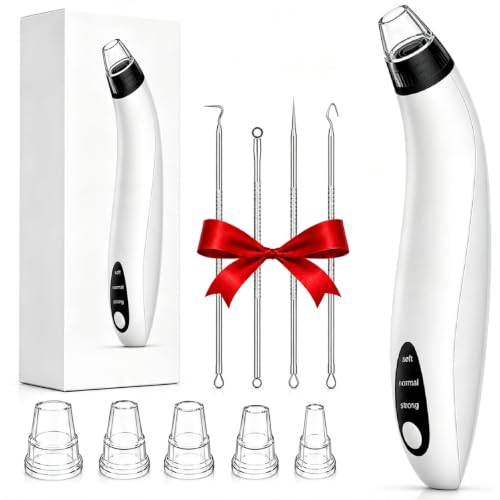
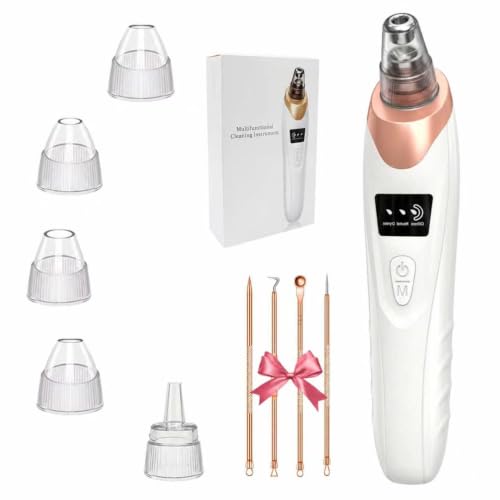


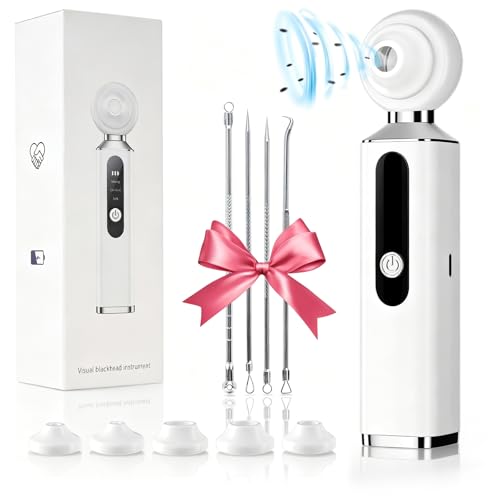
Price Profiles at a Glance
Use these three profiles to judge any device in the product table above. Each profile describes a tier of design and who it suits, rather than a single model that may change with stock.
All Round Profile
The strongest all round design suits most skin types because it offers several low suction levels, not just one powerful setting. Look for at least three tips, including a small round tip for the nose and a gentle oval tip for wider areas, plus a clear display of the level in use. A rechargeable battery and washable tips keep upkeep simple. The trade off is price, since this tier usually costs around $20 to $40, but control is exactly what you are paying for.
Value Profile
A value design, around $10 to $20, suits first time users with oily or combination skin who want to learn the technique on the least sensitive area, the nose. Expect two or three suction levels and a basic set of tips. You may give up a display screen and get a simpler button control instead, which is fine if the lowest level is truly gentle. Avoid value devices that advertise extreme suction as their main feature, because power without control is the main cause of marks and soreness.
Upgrade Profile
An upgrade design, around $30 to $45, adds a small camera that shows a magnified view of the skin on your phone, which helps you place the tip and avoid dragging. Better motors hold suction steady, and tip sets include softer silicone edges that glide with less friction. Even at this tier, no home device matches a professional extraction, so set expectations on gradual improvement.
How to Choose the Best Blackhead Remover Vacuums
This is the core of the decision. Work through each factor with your skin type in mind, because the right device for an oily nose can be the wrong device for dry or reactive cheeks.
Device Type and Tip Set
Most home pore vacuums are handheld wands, and the tip set decides where they can work. A small round tip concentrates suction for the sides of the nose, a larger round tip covers the chin and forehead, and an oval tip spreads suction for a gentler pass. Microdermabrasion style tips add light exfoliation but raise irritation risk, so beginners should master plain tips first. A kit with four or more tips sounds generous, yet three well shaped tips you actually use beat a box of extras you never touch.
Suction Power and Levels
Suction is often listed in kilopascals, but the number matters less than the spacing of the levels. You want a lowest level that feels like a light pull, with small steps upward, rather than a jump from weak to harsh. More maximum suction is not better, because blackheads release with steady gentle pressure and skin prep, not force. Practical tip: test any new device on the back of your hand, then on your jawline, before you use it on your nose or cheeks.
Battery and Charging
Most devices run cordless on a rechargeable battery that lasts for many short sessions, since a full routine takes only a few minutes. USB charging is handy for travel, and a battery indicator prevents a device dying mid routine. Corded models exist but limit your angle at the mirror, which hurts control. Whatever you choose, never use a pore vacuum while it is plugged in near a sink or bath, because water and mains power are a dangerous mix.
Size, Grip, and Control
A slim, light device is easier to keep moving in slow, steady strokes, which is the technique that avoids bruises. The level button should be reachable without shifting your grip, so you can drop suction the moment skin looks stressed. A textured grip helps when your hands are damp from washing your face. Heavy or bulky devices tire your hand and invite pressing down, and pressing is a habit to avoid, since the suction should do the work while the tip just glides.
Cleaning and Hygiene
Tips touch oil, sunscreen residue, and skin flakes, so they must be easy to wash after every use. Removable tips that rinse under warm water with mild soap are the simplest to keep clean, and many sets include small filters or sponges that trap debris before it reaches the motor. Replace those little filters on the schedule in the manual, because a clogged filter weakens suction and tempts you to raise the level. Never share tips between people without a full wash and dry first.
Skin Types and Areas
Oily and combination skin with visible blackheads on the nose, chin, and forehead suits these devices best. Dry, thin, or reactive skin tolerates only the lowest level, brief passes, and fewer sessions, and some people should skip suction entirely. Keep the device off moles, cold sores, sunburn, healing spots, and any area with visible broken capillaries. The skin around the eyes is too thin for pore suction, so treat that zone as out of bounds at every level.
Chamber and Filter Design
Some devices collect loosened debris in a small clear chamber or on a filter pad, which lets you see whether a session is actually clearing anything. That feedback helps you stop once a pass stops producing debris, instead of repeating strokes until the skin is angry. Fine mesh filters protect the motor from oils that would shorten its life. If a design hides its filter or makes replacements hard to find, expect suction to fade within months and budget for a different brand later.
Types of Pore Vacuum Devices
Basic Handheld Devices
Basic handheld models offer two or three suction levels and a few tips at the lowest prices. They suit a first try on the nose and chin if your skin is not reactive. Their limits are coarse level steps and basic tip materials, so technique matters more. Keep sessions short and infrequent while you learn how your skin responds.
Multi Tip Kit Devices
Kit devices add tip shapes for different zones, plus spare filters and sometimes a stand or case. They suit households where one device serves one person across nose, chin, and forehead routines. The extra tips only help if you will actually swap them, so value the tip quality over the tip count. Soft edged tips in this group tend to glide with less redness.
Camera Assisted Devices
Camera models pair with a phone app to show a magnified view of each pore as you work. They suit detail oriented users who want to target single clogged pores and avoid repeat passes. Setup takes longer, and the app adds a phone dependency you may not want at the sink. Picture quality varies, so treat the camera as a placement aid, not as proof of deep cleaning.
Steam Prep and Combo Devices
Some kits bundle a warm steam spray or a heated prep step meant to soften oil before suction. Warmth and a gentle cleanse do help pores release debris with less suction, which is good for skin safety. You can get the same prep from a warm shower and a mild cleanser, so do not pay a large premium for this bundle. Avoid any combo that pushes you to steam for long periods, because heat itself can flare reactive skin.
Care and Maintenance Tips
- Wash every tip with warm water and mild soap right after use, then let it air dry fully before storage.
- Replace or rinse the small debris filter on the manual schedule so suction stays even and predictable.
- Charge the battery before it sits empty for weeks, and store the device dry, away from steamy bathroom shelves if possible.
- Wipe the device body with a damp cloth only, and never rinse the motor unit under a tap.
- Inspect tip edges for cracks or rough spots, because a damaged edge drags on skin and raises irritation risk.
- Keep a simple log of level, area, and skin reaction for your first month, so you can spot patterns before they become problems.
FAQs
Are pore vacuums safe for sensitive skin?
They can be risky for sensitive skin, so start only on the lowest level, on the nose, for a few seconds, and only if your skin is calm that day. Stop at once if you feel pain or see a dark mark forming. People with rosacea, eczema, or frequent broken capillaries should ask a dermatologist before using suction at all, because safer extraction and treatment options exist.
How often should you use a blackhead remover vacuum?
Once a week is enough for most people, and many do better every two weeks. Daily use strips and stresses the skin barrier, which can trigger more oil and more breakouts, the opposite of your goal. Judge by how your skin looks two days after a session, not right after, since delayed redness and flaking are common signs you overdid the level or the frequency.
Does a pore vacuum remove blackheads permanently?
No, it clears the surface plug, but the pore keeps producing oil and can refill within days to weeks. Lasting improvement comes from a steady routine with a gentle cleanser and, for many people, a salicylic acid product used as directed. Think of the vacuum as one occasional step, not a cure. If blackheads return within a day or two, the issue is oil flow and skin turnover, which a clinician can help you address.
When should you see a dermatologist instead of using a pore vacuum?
See a dermatologist if you have painful, deep, or spreading breakouts, marks that last more than a few days, or blackheads that never improve with gentle care. Also get advice before using suction if you take acne medication, use strong retinoids, or have a diagnosed skin condition. Professional extraction and prescription options work on causes a home device cannot reach, and early advice prevents scarring.
Wrapping Up
Choose control over power: fine suction steps, tips that suit your zones, and a design you can keep clean. Prep skin gently, keep the tip moving, and let the product table above guide your shortlist on levels and tip sets. Used with that restraint, the best blackhead remover vacuums can clear surface clogs while keeping your skin calm, and you should talk with a dermatologist about your personal skin needs before regular use.


