
Best Biotin Tablets for Grey Hair in 2026: Which Type Is Right for You?
Disclosure: We may earn a commission when you buy through links on this page, at no extra cost to you. As an Amazon Associate I earn from qualifying purchases. Learn more

Learn how to choose the best biotin tablets for grey hair by comparing dose, formula, safety, and value, with clear notes on labels and expectations.
Walk into any supplement aisle and the biotin shelf seems to promise everything at once, stronger hair, faster growth, and even your natural color back. The honest picture is more modest. Grey hair is driven mainly by genetics and age, and biotin, also called vitamin B7, mainly helps people whose hair problems are linked to a genuine deficiency of the vitamin.
That does not make the choice pointless. It makes choosing well more important, so you buy a sensible formula at a fair price instead of a huge dose you do not need. This guide to the best biotin tablets for grey hair compares the main types, explains what labels really tell you, and sets out the safety points clearly. The comparison table below sums up the options before the detail.


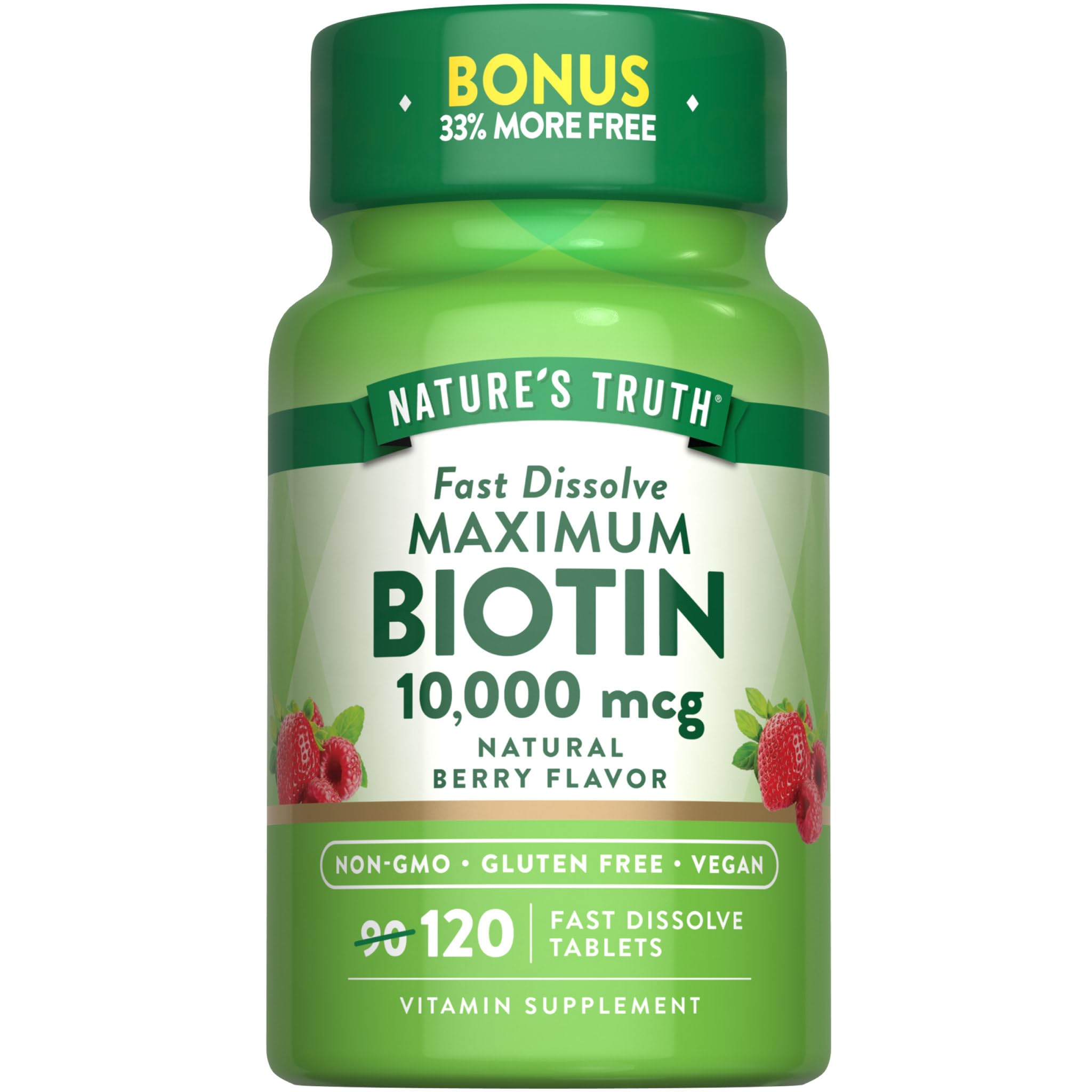


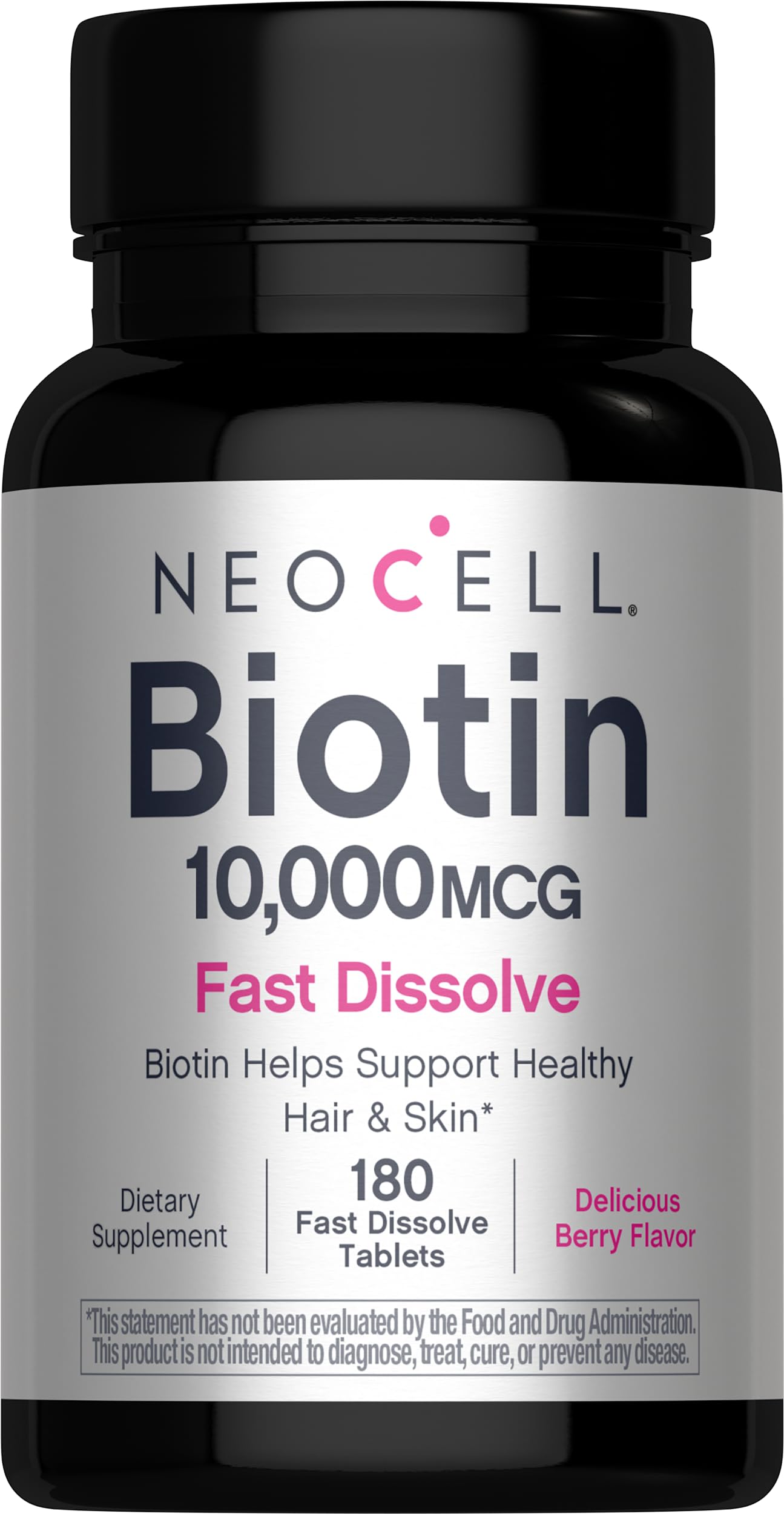


How Biotin Tablets Compare to Other Options
Biotin comes in several forms, and tablets are only one of them. The right form depends on your routine, your stomach, and whether you want biotin alone or a blend aimed at hair health more broadly. Here is how the main options compare on cost, convenience, and what each one can realistically do.
Biotin Tablets vs Gummies and Liquids
Tablets are usually the cheapest way to take biotin, they store well, and the dose per tablet is exact, which makes tracking your intake simple. Gummies taste pleasant and suit people who dislike swallowing pills, but they often add sugar and cost more per dose, and their biotin content can vary more between batches. Liquids absorb quickly and allow small dose adjustments, yet they need measuring and refrigerating in some cases. For a plain, low cost daily habit, tablets win. For someone who will only stay consistent with a gummy, the gummy wins, because a routine you keep beats a perfect routine you abandon.
Biotin Tablets vs Combination Hair Formulas
Combination formulas blend biotin with other nutrients linked to hair, such as folate, vitamin B12, zinc, or copper, in a single tablet. They suit people whose diet is limited, because grey or thinning hair can sometimes reflect a broader nutritional gap. The trade off is control. You cannot adjust one nutrient without changing all of them, and blends cost more. A plain biotin tablet suits someone who has confirmed a low intake of biotin alone. If you suspect a wider deficiency, a blood test and a clinician visit will guide you better than guessing with a blend.
Biotin Tablets vs Topical and Salon Options
Topical products and salon color change how hair looks today, while a tablet, at best, supports the hair that grows in over coming months. Dye covers grey fully and predictably, and tinted sprays and powders hide roots between appointments. No supplement can match that speed or certainty, and any product claiming to restore color in weeks should be treated with suspicion. Many people combine both routes, using color for appearance while improving diet and correcting any deficiency for hair quality. That pairing sets honest expectations, which is the theme of this whole guide.
Who Should Choose Biotin Tablets?
Biotin tablets make the most sense for adults who eat a restricted diet, have digestive conditions that limit absorption, or have signs that suggest low B vitamin intake, such as brittle nails alongside hair changes. They also suit people who simply want a low cost, low effort way to make sure a common nutritional gap is covered. They are a poor fit if you expect grey strands to turn dark again, because that outcome is not supported for most people. Sudden greying, greying in your teens or early twenties, or grey hair paired with fatigue, weight change, or pale skin deserves a medical look first, since thyroid problems and vitamin B12 deficiency can sit behind it and both are treatable once found.
How to Choose the Best Biotin Tablets for Grey Hair
Once you know a tablet is a reasonable step, the label becomes your best tool. The five checks below turn a wall of marketing into a short decision, and they apply to every brand on the shelf.
Dose and Strength
Adults need only about 30 micrograms of biotin a day from food and supplements combined, yet tablets often contain 1,000 to 10,000 micrograms. More is not automatically better. Biotin is water soluble, so much of a huge dose leaves the body unused, and very high doses carry a real drawback covered in the safety section below, interference with common lab tests. A sensible approach is to choose a modest dose unless a clinician advises otherwise. Check the amount per tablet, not per serving, since some labels list a serving as two or three tablets to make the number look bigger.
Added Ingredients and Formula Focus
Read the full supplement facts panel, not just the front of the bottle. Some tablets add keratin, collagen, or herbal extracts, and each addition should have a clear reason to be there. Long ingredient lists are not a sign of quality, and they raise the chance of an ingredient you react to or a medication clash. Also check what the tablet leaves out. If you avoid gluten, gelatin, or certain sweeteners, confirm the label states the product fits your needs, and note whether the tablet is scored so you can split it for a lower dose.
Features That Matter for Grey Hair
For grey hair specifically, the feature that matters most is honesty about cause. Greying happens when pigment cells in the follicle slow down, and biotin does not restart those cells in people who are not deficient. So judge a tablet by whether it supports overall hair strength and growth conditions, not by color claims. Stable dosing, a clean formula, and a price that lets you stay consistent for six months matter more than bold promises. New hair grows about half an inch a month, so any fair trial is measured in months, and a tablet that fits your budget for that whole period is the practical winner.
Tablet Size and Daily Routine
A tablet you dread swallowing will end up forgotten in a drawer. Check the tablet size in product photos with a sense of scale, and look for coated tablets if plain ones stick in your throat. Think about when you will take it. Linking the tablet to an existing habit, such as breakfast or brushing your teeth, keeps the routine steady without alarms and apps. Once a day formulas are easier to sustain than two or three times a day schedules, and that convenience is a genuine feature, not a minor detail, when results depend on months of steady use.
Testing, Labels, and Brand Transparency
Supplements are not approved for effectiveness before sale, so third party testing is your main quality signal. Look for seals or statements showing the product was tested by an independent lab for identity and purity, and for a maker that lists a full address and batch information. Be wary of labels that hide amounts inside a proprietary blend, since you cannot judge a dose you cannot see. A transparent label, a modest claim, and a reachable company tell you more about quality than a famous name or a dramatic before and after photo ever will.
How to Get the Most From Your Biotin Tablets
- Store the bottle dry and cool. A bathroom cabinet full of steam is a poor home for tablets, so keep the bottle in a bedroom drawer or kitchen cupboard away from the stove, with the lid closed tightly.
- Check the expiry date when you buy. Large bargain bottles can outlast their date before you finish them, which wastes money and weakens the product, so match bottle size to about three months of use.
- Take progress photos monthly. Hair change is slow and memory is unreliable, so a photo in the same light each month shows you honestly whether anything is shifting at the roots or in hair strength.
- Review your other supplements. Biotin hides in many multivitamins and beauty blends, and stacking products can push your total intake far past what you intended without any added benefit.
FAQs
What features matter most in biotin tablets for grey hair?
A clear dose on the label matters most, followed by third party testing and a short, understandable ingredient list. For grey hair, also value honesty. A maker that describes biotin as support for normal hair health is more trustworthy than one promising color restoration. One extra feature is easy to miss. Check the tablet count against the serving size, because a bottle that looks like a three month supply sometimes holds only six weeks when the serving is two tablets a day.
Can biotin tablets reverse grey hair?
For most people, no, biotin cannot reverse grey hair, because greying is mainly driven by genetics and the natural aging of pigment cells. The exception is the uncommon case where a true biotin deficiency is part of the problem, and correcting it can improve hair quality as new hair grows. Anyone whose greying arrived suddenly or very young should ask a doctor about thyroid function and vitamin B12 before spending on supplements, since those causes are both more likely and more treatable.
How long should I take biotin tablets before judging the result?
Give any trial at least three to six months, because hair grows slowly and only new growth can show a change. Judge by hair strength, breakage, and how new growth looks at the root, not by expecting existing grey strands to change, since the length of a hair cannot regain pigment. Take a dated photo at the start so the comparison is fair. If nothing improves after six months of steady use, stop and reassess with a clinician rather than raising the dose on your own.
Are high dose biotin tablets safe?
Biotin has a good general safety record, but high doses can distort important lab tests, including thyroid tests and the heart test used to check for a heart attack, which can lead to wrong results. Tell every doctor and lab that you take biotin, and ask whether to pause it before blood work. High doses can also cause skin breakouts in some people. If you are pregnant, breastfeeding, or taking regular medication, ask your clinician before starting, since your situation may change the advice.
Should I take biotin tablets with food?
Taking biotin with food is a sensible default, because it reduces the chance of mild stomach upset and ties the tablet to a meal you already eat daily. Biotin from food and supplements absorbs well either way for most people, so comfort and routine matter more than timing tricks. One caution is raw egg whites, which contain a protein that binds biotin and blocks absorption. Normal cooking removes that effect, so cooked eggs are fine and are actually a good natural source of the vitamin.
How much should I spend on biotin tablets?
Around $8 to $20 for a three month supply of a plain, tested tablet is the normal and sensible range. Premium blends cost around $25 to $45 for the same period, and the extra money buys added ingredients you may not need rather than stronger biotin. Spend on testing and label clarity before you spend on marketing. Also compare price per tablet at your real dose, not the headline bottle price, since serving sizes differ and a cheap looking bottle can be the costly one in practice.
Wrapping Up
Choose a modest dose, a transparent label, and a price you can sustain for six months, and keep your expectations set on hair strength rather than color change. If your greying is sudden, very early, or paired with other symptoms, see a doctor first and talk with your clinician about your personal needs before any supplement. With those rules, finding the best biotin tablets for grey hair becomes a calm, informed decision, so compare the options in the product table above and start with the simplest formula that fits. Readers comparing wider options may also find our guide to the best biotin tablets for hair useful, along with the best biotin tablets for hair growth, the best anti grey hair tablets, the best biotin tablets for hair regrowth, and our overview of the best hair tablets.


