Best Binoculars Under $300 in 2026: What Actually Matters Before You Buy
Disclosure: We may earn a commission when you buy through links on this page, at no extra cost to you. As an Amazon Associate I earn from qualifying purchases. Learn more

Shopping on a budget? Learn which coatings, prisms and exit pupil sizes make the best binoculars under $300 worth buying for birding, hunting and travel.
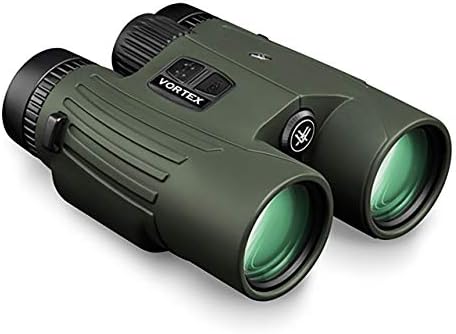
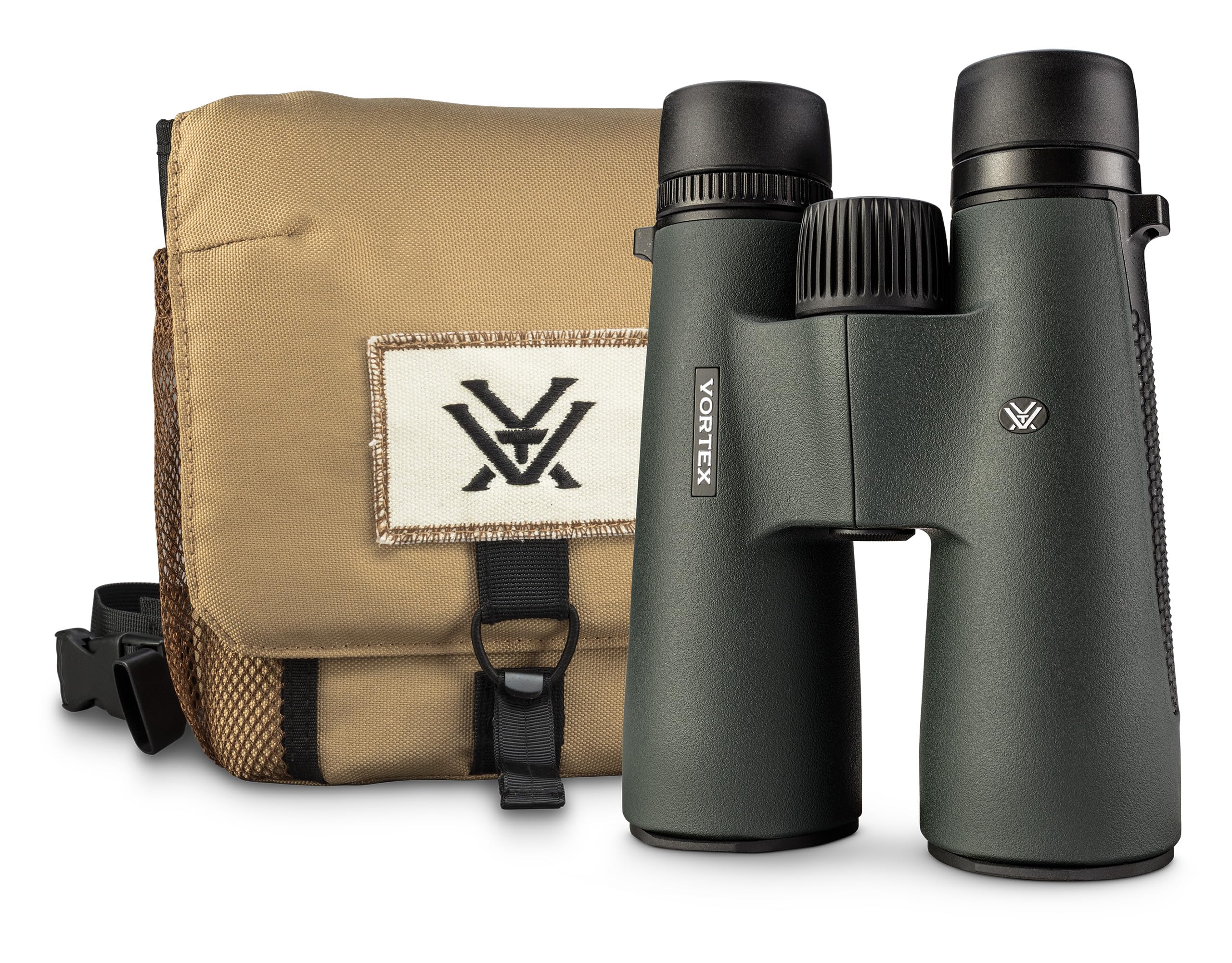
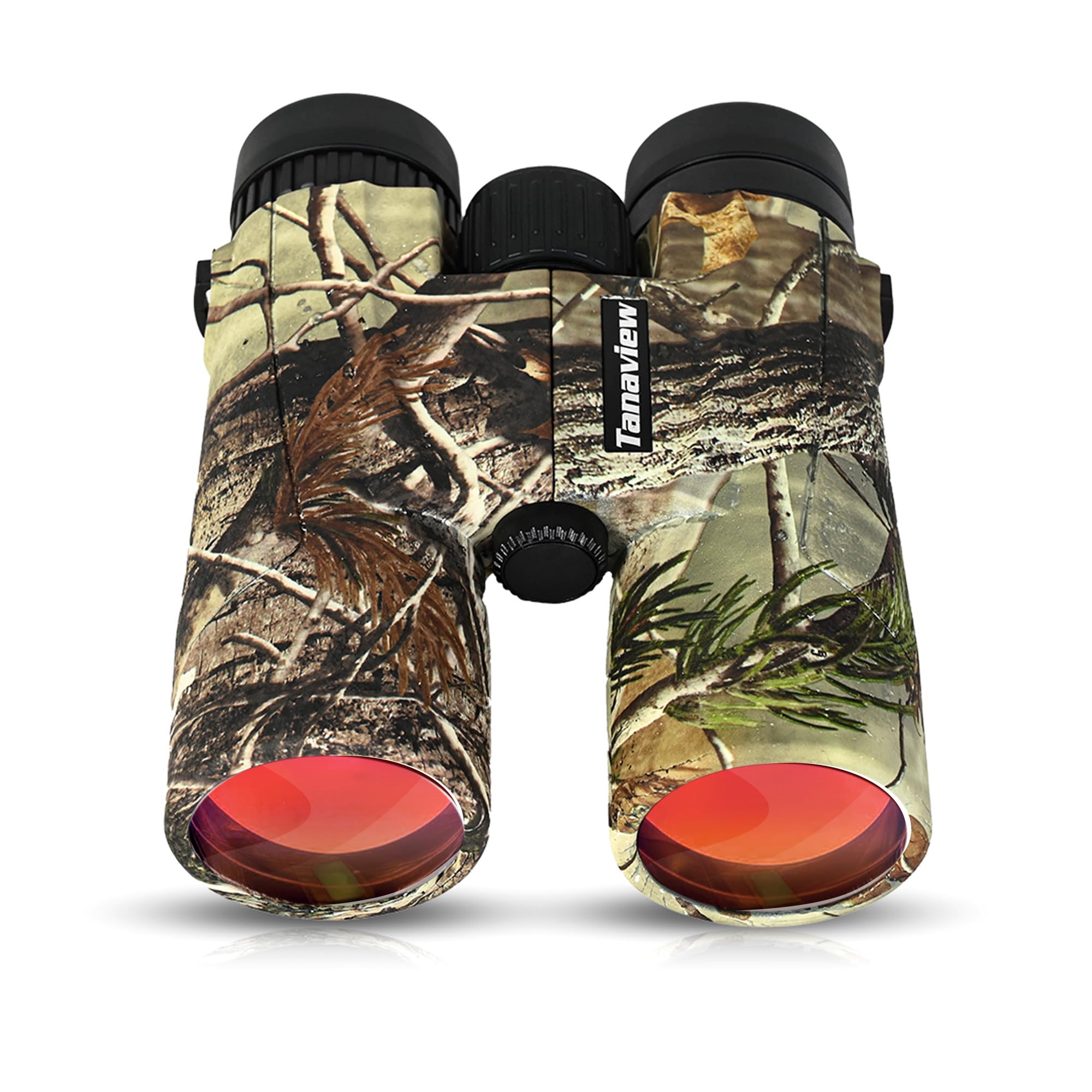
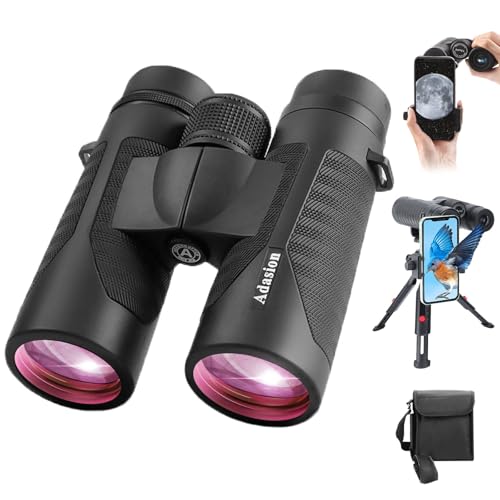
Under this figure, binoculars stop being toys and start being honest glass, but the money only works when it lands in the right places. This guide reads best binoculars under $300 as a checklist problem: which spec classes deserve the budget, which figures are marketing, and which use deserves the spend. The product table lays out the main configurations side by side before the detail starts.
Stated plainly, the glass classes under this figure are honest classes. What separates a good pair from a disappointing one is the coating class and the prism class, because that is exactly where the figure shows, while the money above this tier buys refinement classes.






The Criteria That Matter at This Figure
What the Money Realistically Buys
The tier box comes first. Under $300, a buyer can expect fully coated or multicoated glass, a sealed and fog resistant housing on many pairs, and coatings on the prisms that keep the image bright at dawn and dusk. What the tier does not buy is the last layer of polish: edge sharpness across the whole field, premium glass that controls color fringing in hard light, and the lightest magnesium housings.
Prism and Coating Classes Decide the Image
Two prism classes dominate this tier. Roof prism pairs are slim and easy to pack, while porro prism pairs are wider and often brighter for the same money. The coating class matters as much as the shape: a phase coated roof prism keeps contrast high, and fully multicoated lenses pass more light than a single coated set.
Magnification and Objective Size
The two numbers on every pair describe power and lens size, and they trade against each other. An 8x42 pair gives a wider field and a steadier image, while a 10x42 pair reaches farther and shakes more in the hand. Shoppers comparing formats should read our guide to the best 10x42 binoculars under $300 before deciding, because the right answer depends on how still the viewer can hold and how far the subjects sit. Bigger objective lenses gather more light but add weight.
Low Light and the Exit Pupil
Low light reading starts with the exit pupil, which is the objective size divided by the magnification. A 42 mm lens at 8 power gives a pupil a little over 5 mm, close to what a dark adapted eye can use, so dawn and dusk views stay bright. Maker figures, though, are only rough guides in general terms: coatings, glass quality, and the viewer's eyes all move the real result. Treat every twilight number as a guide to the class, never as a promise about a specific evening.
Field of View and Close Focus
Field of view decides how much of a scene fits in the glass at once, and it is the spec that makes following movement easy or frustrating. A wide field helps at ball games, on water, and when scanning a tree line for birds. Close focus decides the nearest sharp distance, which matters for insects, flowers, and museum style viewing. A pair that focuses down to about six feet covers both worlds.
Where the Budget Goes: Best Binoculars Under $300 by Use
Hunting Glass at This Tier
Hunting asks for brightness in the first and last minutes of light, a housing that shrugs off rain, and a focus wheel that works with gloves. Readers weighing a dedicated hunting pair can compare the picks in our guide to the best hunting binoculars under $300, which sorts the same budget by woodland needs. For whitetail country specifically, the best deer hunting binoculars under $300 guide narrows the field to the closer ranges and thicker cover most deer hunters actually glass.
Birding and General Nature Viewing
Birding rewards a wide field, honest color, and a close focus for the bird that lands near the trail. An 8 power pair is the common starting point because it is steady, bright, and forgiving for new eyes. Our guide to the best birding binoculars under $300 compares the configurations birders choose most at this figure. The use class decides where the figure goes in general terms: one glass class rarely serves every use class at this tier, so a birder and a hunter spending the same money should land on different pairs.
Night Use and Its Honest Limit
Standard glass gathers the light that exists, and no coating class creates light that is not there. After full dark, the honest tool is a different technology class, and readers who need to see in true darkness should look at the best night vision binoculars under $300 instead. For twilight, though, a bright 8x42 from this tier still does real work.
How the Money Splits Across the Tier
The product table above sorts the field into bands, and the bands behave predictably. Pairs at about $80 to $150 cover casual use, stadium seats, and a first nature pair for a family. The middle band at about $150 to $220 is where coating and prism classes step up together, and most buyers should shop here first. The top band at about $220 to $300 buys the strongest glass this tier offers, better sealing, and focus wheels that stay smooth for years.
Whichever band fits, reserve a little of the budget for the carry class: a harness or a padded case protects the purchase far better than a neck strap alone.
Quick Buyer Checklist
- Is the prism class named, and is the roof prism phase coated?
- Are the lenses fully multicoated rather than only coated?
- Does the exit pupil reach about 4 mm or more for low light use?
- Is the field of view wide enough for the subjects you follow?
- Does the close focus distance suit near subjects as well as far ones?
- Is the housing sealed against fog and light rain?
- Does the weight feel fine for the longest session you plan?
- Is the warranty long enough to cover a dropped pair?
Red Flags to Watch For
- Zoom figures headline the listing while the glass class goes unnamed.
- The listing promises extreme magnification with a small objective lens, a pairing that yields a dim and shaky image.
- No coating class is stated anywhere, which usually means the weakest class is fitted.
- The housing claims waterproofing with no mention of sealing or fog purging.
- The price sits far below the band for the stated specs, which usually means the specs are invented.
Setup and Care Tips
Set the interpupillary distance once so the two circles merge into one, then set the diopter on the right eye with the lens cap trick the manual describes. Clean lenses with a blower first and a lens cloth second, never a shirt, because grit scratches coatings. Store the pair in a dry padded bag with the caps on.
Frequently Asked Questions
Can a good pair of binoculars be bought under $300?
Yes, a good pair can be bought under $300, and for most viewers this tier is the honest stopping point. The glass, coatings, and sealing in the middle and top bands cover hunting, birding, travel, and stadium use without strain. What the money above this tier adds is refinement rather than a new category of view. A buyer who picks the right configuration for one main use will rarely feel the ceiling here.
What specs matter most for a first time binocular buyer?
The specs that matter most are the coating class, the exit pupil, and the field of view, in that order. Coatings decide how bright and contrasty the image looks in real light, the exit pupil decides dawn and dusk performance, and the field decides how easily moving subjects stay in view. One point the body skips: eye relief matters if you wear glasses, so look for about 15 mm or more so the full field stays visible with eyewear on.
How much should a beginner spend on a first pair of binoculars?
A beginner should spend about $150 to $220, the middle band of this tier, for a first pair. That band buys the coating and prism classes that make viewing pleasant, without paying for refinement a new eye cannot yet judge. Spending less often means a dim image that teaches the wrong lesson about the hobby. Spending the full figure makes sense only when the main use is already clear, such as weekly birding or a season of hunting.
Which binocular configuration is better for low light?
An 8x42 configuration is better for low light than a 10x42 at the same price. The lower power gives a larger exit pupil, so more of the gathered light reaches the eye, and the image holds steadier as light fades. A 10 power pair shows more detail at noon but gives some of it back at dusk. Hunters who sit until last light and birders who start at dawn both benefit from choosing the 8 power class first.
What do the numbers 8x42 and 10x42 on binoculars mean?
The first number is magnification, so 8x makes a subject look eight times closer, and the second number is the objective lens size in millimeters. A 42 mm front lens gathers enough light for dawn and dusk while keeping the pair carryable. One trade hides inside the numbers: raising magnification without raising lens size shrinks the exit pupil and the field of view together. That is why the same 42 mm lens serves two different viewing styles.
Is a smartphone camera enough instead of binoculars?
A smartphone camera is not enough instead of binoculars for real viewing. Phone zoom crops a small sensor and softens fast, while glass shows a live, bright, three dimensional view with no battery and no screen glare. Phones win at recording what was seen, and they pair well with a scope or a steady rest for photos. For watching wildlife behavior, reading a distant sign, or following a play, dedicated glass remains the better tool.
Final Thoughts
The checklist is short once the classes are clear: protect the coating and prism classes, match the exit pupil to your light, and let the use class decide where the figure goes. Judged that way, best binoculars under $300 is a tier with no bad seats, only mismatched ones. Compare your shortlist against the product table above, pick the configuration that fits your main use, and spend the savings on the case and harness that keep it aligned.