Best Binoculars Under $1000 for 2026: What Your Money Really Gets You
Disclosure: We may earn a commission when you buy through links on this page, at no extra cost to you. As an Amazon Associate I earn from qualifying purchases. Learn more

Shoppers weighing the best binoculars under $1000 can see what each price tier buys in glass quality, coatings, and build, and which upgrades are worth it.
A four figure budget sounds simple, but binoculars below it range from casual glass for the ballpark to instruments that serve serious birders and hunters for decades. The best binoculars under $1000 are not one product type; they are several levels of glass, coating quality, and build stacked under a single price ceiling.
This guide walks through what each spending level actually delivers, which features change the view in ways you can see, and which extras only raise the price. The product table lays the main options side by side, so you can match a level to your use and your wallet.


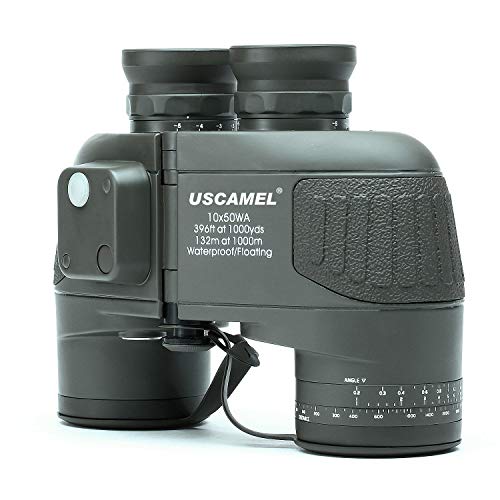

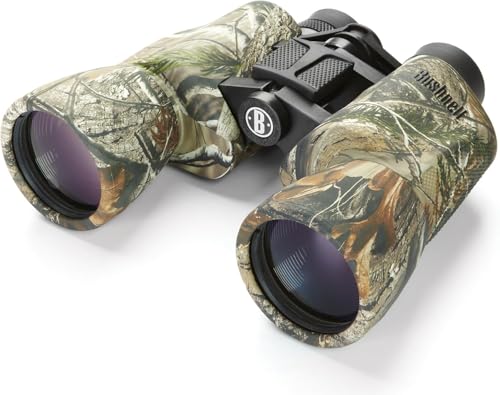
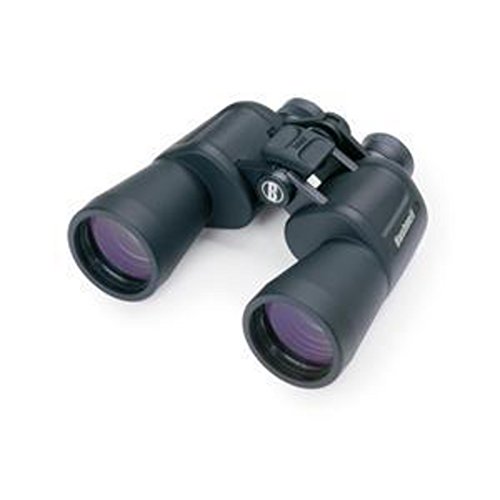
Three Spending Levels, Three Different Instruments
Prices on major marketplaces cluster into three broad bands below the ceiling. The jump between bands buys better glass and coatings first, and only then extra features, so it helps to know what each band feels like in the field.
Getting Started: About $200 to $350
Pairs in this band already deliver a satisfying view for backyard birds, school sports, and casual hunting in good light. Most use BaK 4 prisms and multi coated optics, with waterproof bodies on many models. The limits show up at dawn and dusk, where the image loses brightness faster, and toward the edges, where fine detail softens. Focus wheels can feel slightly gritty, and eye relief is sometimes short for glasses wearers. For occasional use a few weekends a year, this band honestly covers the need.
The Serious Hobby Range: About $350 to $650
This is where the view changes in ways anyone can see. Fully multi coated optics, phase coated roof prisms, and ED glass appear across the band, so colors stay cleaner and contrast holds up against bright backgrounds. Waterproof and fogproof sealing is standard, focus wheels turn smoothly, and close focus distances shrink enough for butterflies and feeder birds. Low light performance improves because better coatings pass more light, not because the lenses grow. Most regular birders and hunters who glass for hours settle here and stop shopping.
Near the Ceiling: About $650 to $1,000
Spending near the ceiling buys glass and coatings that approach flagship level, plus wider fields of view, better dielectric prism coatings, and longer, more generous warranties. Builds get tougher and lighter at the same time, and small comforts such as locking diopters and smoother hinge tension become common. The honest caveat is diminishing returns: the step from this band to models above the ceiling is far smaller than the step from the entry band to the middle. Buy here when you use binoculars weekly and notice small flaws.
Features Worth Paying For (and Ones to Skip)
What You Can Realistically Get Under $1000
Expect excellent center sharpness, strong low light performance from a 42 mm objective, and a durable waterproof build that shrugs off rain. What this ceiling still excludes is the very widest fields of view, the lightest bodies in a few flagship lines, and image stabilization, which usually starts above this budget. Spend on glass before gadgets. Skip bundled accessory kits, inflated magnification claims, and digital sounding extras that add cost without touching the image.
Glass and Coatings Decide the Image
ED glass reduces the purple and green fringing that outlines high contrast edges such as branches against a bright sky, and the benefit grows at 10x magnification. Phase coating on roof prisms restores contrast that the prism design would otherwise lose, so it matters on every roof prism model. Read coating wording carefully: fully multi coated means all air to glass surfaces carry multiple layers, while a plain coated label may mean only some surfaces got one layer. Two pairs with identical numbers on the box can look very different because of these choices.
Magnification and Holding the Image Steady
An 8x image is easier to hold still and shows a wider field, while 10x reaches farther but magnifies every hand tremor along with the subject. For long sessions of glassing hillsides, a tripod adapter steadies either power and reveals detail that shaky hands hide. One safety rule applies at every price: never point binoculars at the sun, and never sweep them near it, because concentrated sunlight through the lenses can damage your eyes in an instant.
Eye Relief and Fit for Your Face
Eye relief of about 15 mm or more lets glasses wearers see the full field without pressing the eyecups into their lenses. Twist up eyecups with firm stops help both groups share one pair. Check the interpupillary distance range if the binocular will be shared with a smaller adult or a teenager, because a hinge that will not close far enough leaves two circles instead of one image. Hinge tension should hold your setting without creeping, and the diopter ring should stay put once you set it for your eyes.
Focus Feel and Everyday Handling
A good center focus wheel turns with even resistance and reaches from close focus to infinity in about one and a half turns, fast enough to follow a moving bird without overshooting. Close focus near 2 m opens up insects, flowers, and feeder visitors at arm's length. Weight between about 600 and 750 g suits most adults for a full day, especially on a wide, padded strap. Rubber armor earns its keep here, not as decoration, but as grip with cold or wet hands and as protection against the knocks of travel.
Matching the Glass to How You Will Use It
Birders live on fast focus, close focus, and a wide field that keeps a moving bird in view, and they benefit most from the middle band and up. Plumage detail at dawn also rewards the better coatings in that range. For a deeper look at models chosen for feathers and field marks, see our guide to best birding binoculars under $1000.
Hunters put low light reach and ruggedness first, because legal light starts before the sun clears the trees. A rubber armored 8x42 or 10x42 with a wide field covers most deer and elk country, and a harness keeps the pair quiet against the chest. Our guide to best hunting binoculars under $1000 compares the options built for that work.
If your use is occasional, such as a few trips and some backyard watching each year, a lower band may serve you just as well for far less money. Compare the options among best binoculars under $500 and best binoculars under $200 before stretching to this ceiling, because unused sharpness is still money spent.
Long Term Costs to Factor In
The binocular itself is nearly the whole cost, which is the quiet advantage of a nonelectronic tool. A padded case or chest harness runs about $20 to $40, a tripod adapter about $15 to $25, and lens cleaning supplies a few dollars a year. Warranty length and service quality differ by maker, so a longer warranty in the upper bands has real value if a hinge or focus mechanism ever needs work. There are no batteries, subscriptions, or apps to pay for later.
FAQs
Can you get a genuinely good pair of binoculars under $1000?
Yes, this ceiling buys glass that most users cannot outgrow, with sharpness and brightness close to flagship models. At this level the limiting factors become your eyes, your technique, and the conditions, not the instrument. One extra point in favor of this band is resale: well kept pairs from known makers hold value, so upgrading later costs less than starting over from a cheap pair.
Is 8x42 or 10x42 the better choice for bird watching?
An 8x42 is the better default for most birders, because its wider field keeps fast, close birds in view and the image stays steadier in the woods. A 10x42 helps with distant shorebirds, raptors, and waterfowl across open water, where subjects stay far away. Many birders who own both reach for the 8x42 on forest trails and save the 10x42 for lakes, fields, and migration watch points.
What does exit pupil mean, and why should buyers care?
Exit pupil is the objective size divided by the magnification, so an 8x42 gives about 5.25 mm and a 10x42 gives about 4.2 mm. It describes the width of the light beam reaching your eye. Your own pupil opens to roughly 5 to 7 mm in dim light, so the larger beam of an 8x42 keeps the view bright and easy to align at dusk, while a small exit pupil can feel dim and fussy to position.
Are Porro prism binoculars still worth considering below $1000?
Yes, a Porro prism design can deliver equal or better depth perception for less money, because the simpler prism path is cheaper to build well. The trade offs are bulk, weight, and fewer fully sealed waterproof bodies, since the offset barrels are harder to seal. Birders who watch from a porch or a car often accept the size gladly. Field users who hike far usually prefer the compact shape of roof prism models instead.
How long should a binocular at this price last?
A well built pair should serve for decades, because there is little to wear out beyond hinge tension, eyecup rubber, and the focus mechanism. Coatings survive normal cleaning with a soft cloth and gentle blower; most damage comes from grit wiped across dry lenses. Keep the pair in its case, rinse salt spray off after coastal trips, and expect the optics to outlast several generations of phones and cameras you own alongside it.
Wrapping Up: Best Binoculars Under $1000
Under this ceiling, your money should go to glass quality, honest coatings, and a fit your hands and eyes enjoy, in that order. Match the spending band to how often and how seriously you glass, and the best binoculars under $1000 for you will be clear. Look at the product table to compare the finalists side by side before you order.