
Best Binoculars to Buy of 2026: Complete Buying Guide
Disclosure: We may earn a commission when you buy through links on this page, at no extra cost to you. As an Amazon Associate I earn from qualifying purchases. Learn more

Choose the best binoculars to buy: a clear guide to magnification, lens size, glass quality and price bands for your first pair.
Buying your first pair of binoculars goes wrong when you shop by magnification alone. The honest way to choose is to read a pair by its use class first: what you plan to watch, where, and in what light. This guide walks through the sizes, glass, and price bands behind the best binoculars to buy, so your first pair fits the job from day one.
One format suits most first buyers. An 8x42 pair is the all round class, bright enough for dusk, light enough for a day bag, and steady in the hands. The comparison table below sets the main types side by side, and the buying guide after it explains each spec in plain terms before you spend anything.
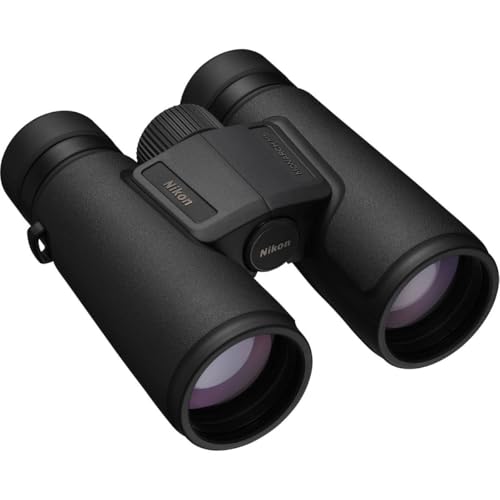


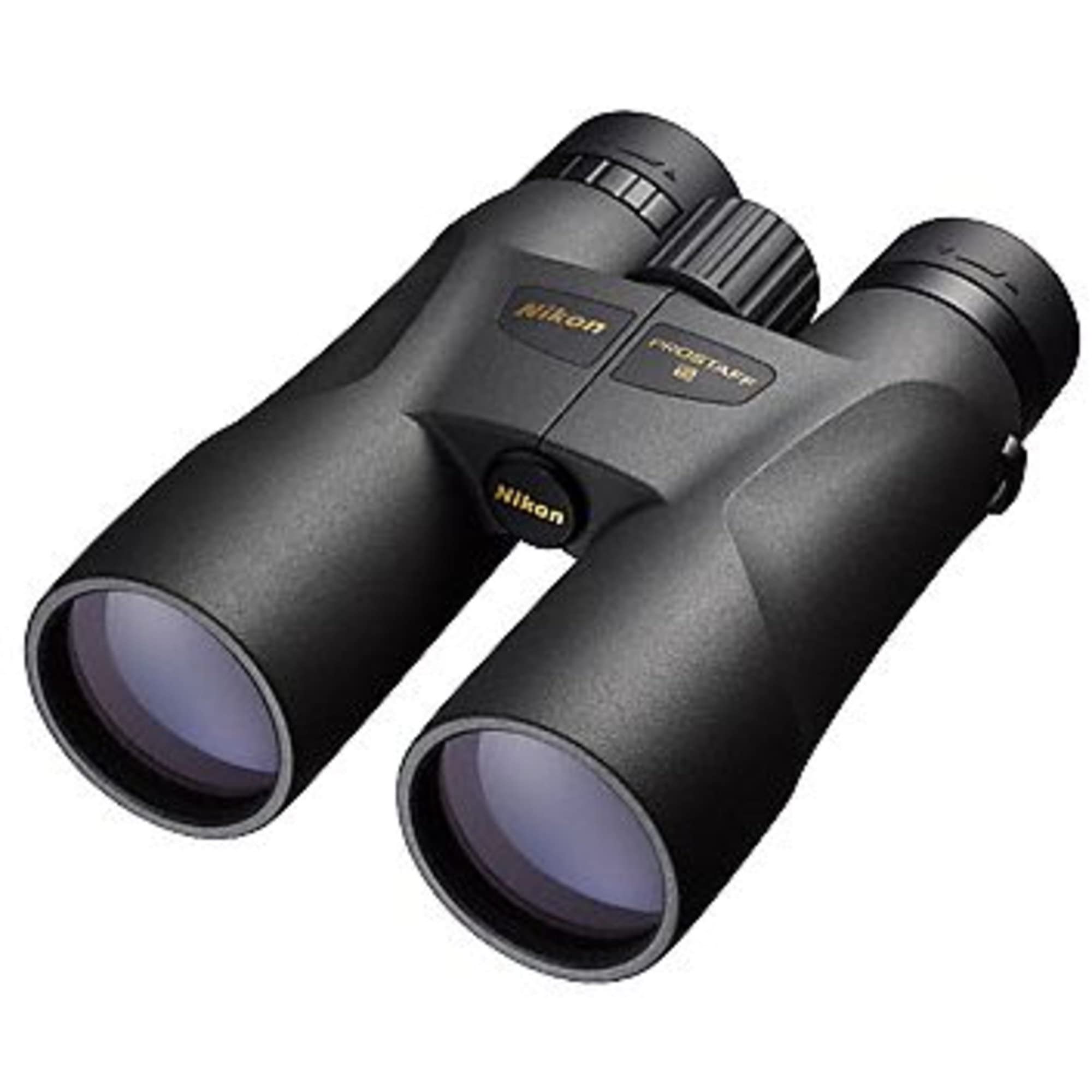


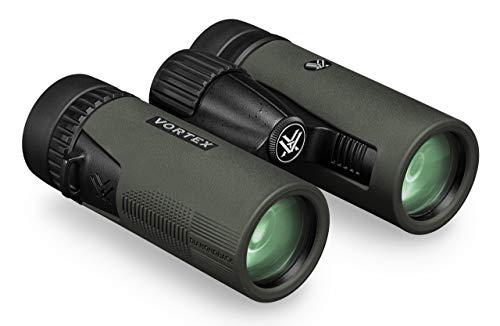


What Each Budget Band Buys
Price bands in binoculars map closely to glass quality, coatings, and build, so set your band by the light you plan to watch in most often.
Under $100: Simple Pairs for Casual Use
Pairs under $100 use simpler glass and coatings, and the view often softens toward the edges. They serve well for stadium seats, school events, and a first look at the hobby. Read the star scores at this band with care, because they mostly reward the low price, and any list of best rated compact binoculars sorts rough value rather than proven glass quality.
About $100 to $300: Where Glass Steps Up
This band is where the view changes most per dollar, and glass quality is where the money shows most clearly. Coatings improve, the field of view widens, and sealed bodies with fog proof internals become common. An 8x42 or 10x42 in this band covers birding, travel, and sport without strain, and the glass holds up at dawn far better than entry pairs. For most first time buyers, this is the band to aim at.
Above $300: Coatings, Build, and Warranty
Above $300 you pay for polish: flatter fields, closer focus, tougher housings, and coatings that keep colours true in hard light. The warranty also steps up in this band, and a long warranty governs how long a pair stays in service, because repairs and cover for accidents stretch across decades of use. Hunting lists reward this dawn strength, and the scores behind best rated binoculars for hunting reflect low light work more than a general star average does.
How to Choose the Best Binoculars: Buying Guide
Six checks decide whether a pair suits you, and none of them needs a showroom or a spec sheet habit to understand.
Magnification and Objective Lens Size
The two numbers in a format like 8x42 or 10x42 tell you power and lens width. More power shows more detail and more hand shake, while wider lenses gather more light and add weight. Shoppers comparing the best binoculars to buy usually settle on 8x42 for all round use or 10x42 for open views. Dividing the lens width by the power gives the exit pupil, about 5.3 millimetres on an 8x42, a fair guide to dusk brightness.
Glass and Lens Coatings
Glass and coatings set the ceiling on clarity. Coated lenses pass more light and cut glare, and the best pairs coat every glass surface in the path. Prism shape also matters: roof prism pairs are slim and straight, while porro prism pairs are wider and often give a richer sense of depth for the money. Edge sharpness is the quickest test in a store, so look at a straight roofline near the edge of the view.
Field of View and Eye Relief
Field of view is the width of the scene you see at 1,000 yards, and a wide field makes moving subjects far easier to follow. That is why birders prize it, and our guide to best binoculars for birdwatching covers the figures to look for. Eye relief is the distance your eye can sit from the lens and still see the full picture, which glasses wearers must check before buying. Once the basics feel familiar, a focused guide to best binoculars birding helps you fine tune for feeders and trails.
Focus Wheel and Hand Shake
Most pairs focus with a centre wheel that should turn smoothly without grit or free play. A diopter ring on one eyepiece balances the pair to your two eyes, and you set it once. Hand shake grows with magnification, so a 12x pair often shows less in practice than a steady 8x pair unless you rest your elbows. Judge focus feel in person if you can, because it varies more than the spec sheet suggests.
Weight and Weather Sealing
Full size pairs weigh about 20 to 28 ounces, mid size pairs about 14 to 20 ounces, and compacts under 12 ounces. Sealed and nitrogen filled bodies are fog proof and shrug off rain, which matters anywhere the weather turns. An unsealed pair costs less and lives happily indoors at the theatre or the stadium. Match the sealing to the worst weather you will actually sit through, not the worst you can picture.
Ease of Use for Your Skill Level
Eye cups that twist up and stay put suit shared pairs and glasses wearers. The barrels must hinge narrow enough for your eye spacing, a detail children and smaller faces should check first. Lens caps that tether to the strap save the glass when you climb or scramble. Simple controls beat clever ones in the field, where cold fingers and low light punish fiddly designs.
Types of Binoculars
Most pairs fall into four families, and the right family follows from where you will use them most of the time.
Compact Binoculars
Compacts in 8x25 or 10x25 weigh under 12 ounces and ride in a jacket pocket. They suit travel, concerts, and stadium sports, where light is good and distances are short. Their small lenses give a dim view at dusk, so they make poor wildlife glass once the sun drops.
Mid Size Binoculars
Mid size pairs in 8x32 or 10x32 balance weight and brightness for walkers and travellers. They hang lightly on a strap all day and still give a wide and lively view. Many hikers settle here when a full size pair feels like too much to carry over long miles.
Full Size Binoculars
Full size pairs in 8x42 and 10x42 are the default choice for wildlife, sport at range, and general outdoor use. The larger lenses keep the view bright in poor light, and the bodies are big enough for easy focus work with gloves on. The trade is bulk, which matters on steep ground and in small packs.
Specialty Binoculars for Night and the Water
Some uses need their own class. Marine pairs add deep sealing and sometimes a compass, astronomy pairs use large lenses on a tripod, and night viewing is its own field again, where our guide to the best night binoculars explains the light gathering and digital options. Buy into a specialty class only when your main use truly lives there.
Setup and Care Tips
A few habits set a pair up well and keep the glass clear for years.
- Adjust the hinge width until the two circles merge into one clean round image.
- Set the diopter once per user by focusing the fixed eye first, then matching the other side.
- Clean lenses with a blower and a lens cloth, never a shirt tail or tissue, which drag grit across coatings.
- Keep the caps on in transit and store the pair in a dry, padded bag away from heat.
- Carry the pair on a harness or a wide strap rather than a thin cord on long days.
Binocular Questions Answered
Which binocular size is better for low light viewing?
An 8x42 or 8x56 serves low light best, because lower power over wide lenses gives a larger exit pupil and a brighter image at dusk. Your own eyes set the limit here: the pupil opens to about 7 millimetres when you are young and less with age, so past a point the extra light has nowhere to go. Brightness also falls fast once the sun drops.
What does 8x42 or 10x42 mean on binoculars?
The first figure is magnification and the second is the front lens width in millimetres, so a 10x42 makes subjects look ten times closer through 42 millimetre lenses. Makers stamp the figures on or near the focus wheel, beside the field of view. A quick division of the two numbers gives exit pupil size, a handy check when you compare pairs side by side.
Is a smartphone enough instead of binoculars?
For casual snaps it can be, but a phone zoom is mostly cropping, so detail dissolves at the distances binoculars are built for. Glass also keeps working with cold hands, gloves, and no signal, and it never drains the battery you rely on for maps and calls. Many watchers use both: glass to find and follow, phone for the photo.
What specs matter most for a beginner buying a first pair of binoculars?
Format, weight, and eye relief matter most, because a pair that fits your eyes and hands gets used while a heavy one stays home. One buying point is easy to miss: fit is personal, so choose a seller with simple returns and swap the pair if the image never settles into one clean circle. A return window protects a first purchase better than any spec.
How much should you spend on your first pair of binoculars?
About $100 to $300 is the sensible first spend, where glass and sealing take a real step up. Hold a little of the budget back for a padded case or harness, because bare glass in a loose bag ages fast. Spending past $300 buys polish rather than a new class of view, so step up later once your main use is proven.
Final Thoughts
Choose by use class first, then format, then glass, and the rest of the spec sheet falls into place. An 8x42 from the middle band serves most first buyers for years, and the warranty behind it keeps it in service. Whatever you pick from the best binoculars to buy, compare the formats in the product table above and match the pair to the light you watch in most.


