
Best Binoculars Online at Every Price: What Your Money Really Gets You for 2026
Disclosure: We may earn a commission when you buy through links on this page, at no extra cost to you. As an Amazon Associate I earn from qualifying purchases. Learn more
Shop the best binoculars online without overspending: price tiers, features worth paying for and long term ownership costs explained.
Online listings make binoculars look both endless and confusing. Prices run from pocket money to rent money, photos all look bright, and every seller claims pro quality. Sorting the best binoculars online is easier when you shop by tier and by verifiable specs instead of by bold promises.
This guide shows what each price tier really delivers, which upgrades are worth paying for, and which extras you can skip. You will also learn the hidden costs of ownership and the checks to run the day your box arrives. Start with the comparison table below, then use the tiers to set a budget that fits your actual outings.
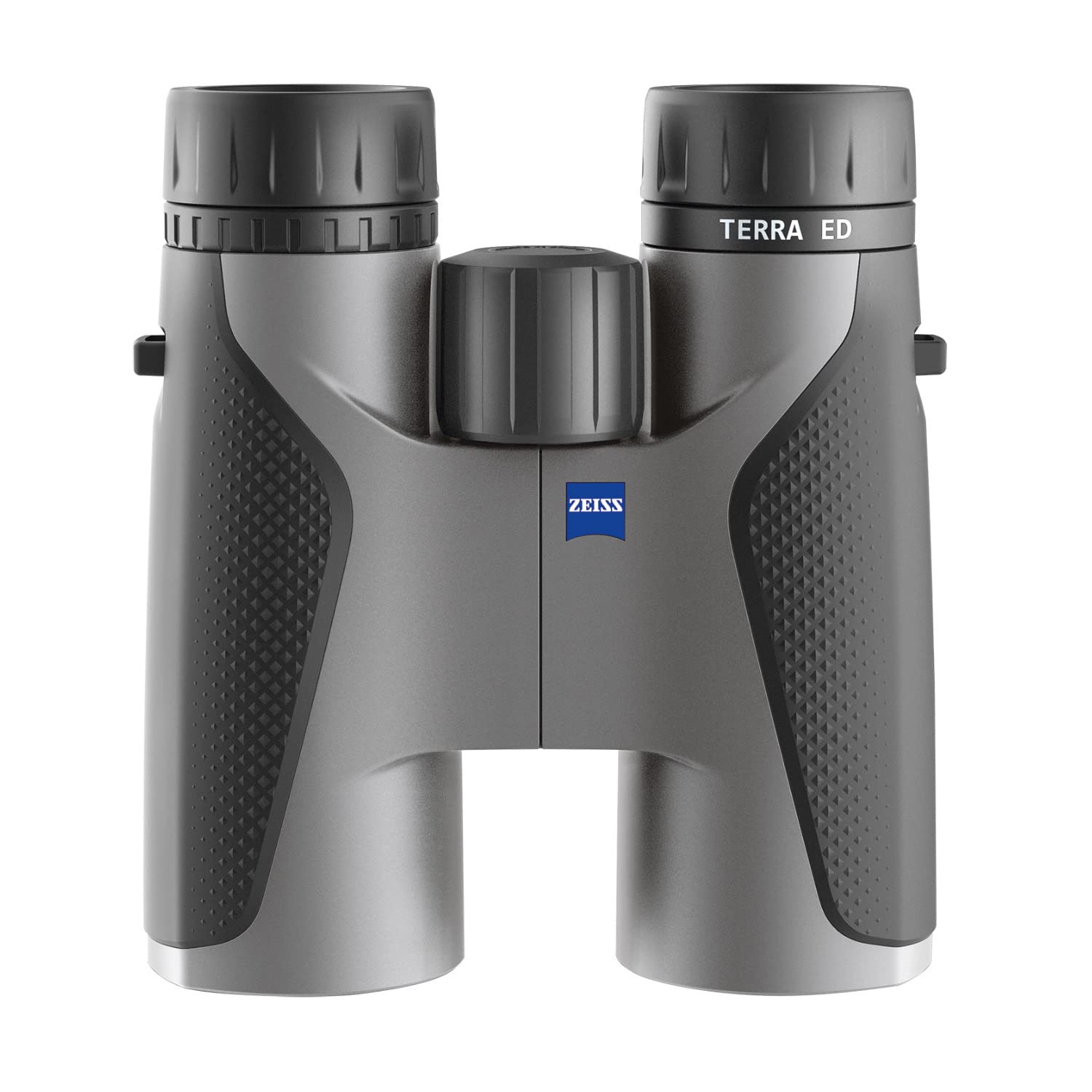


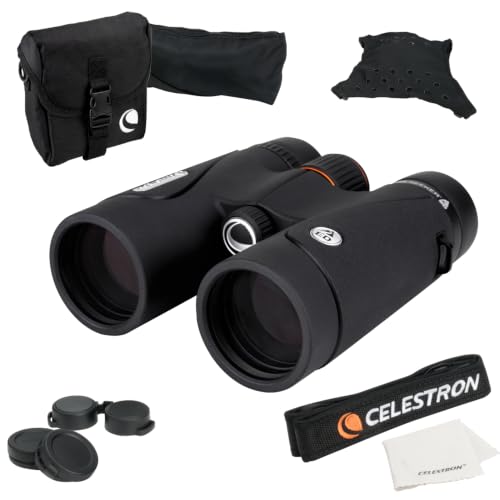
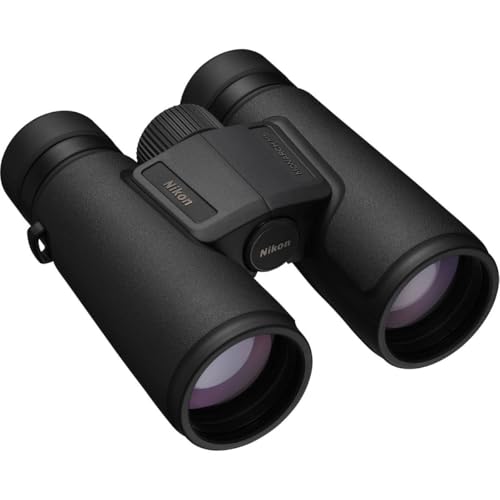


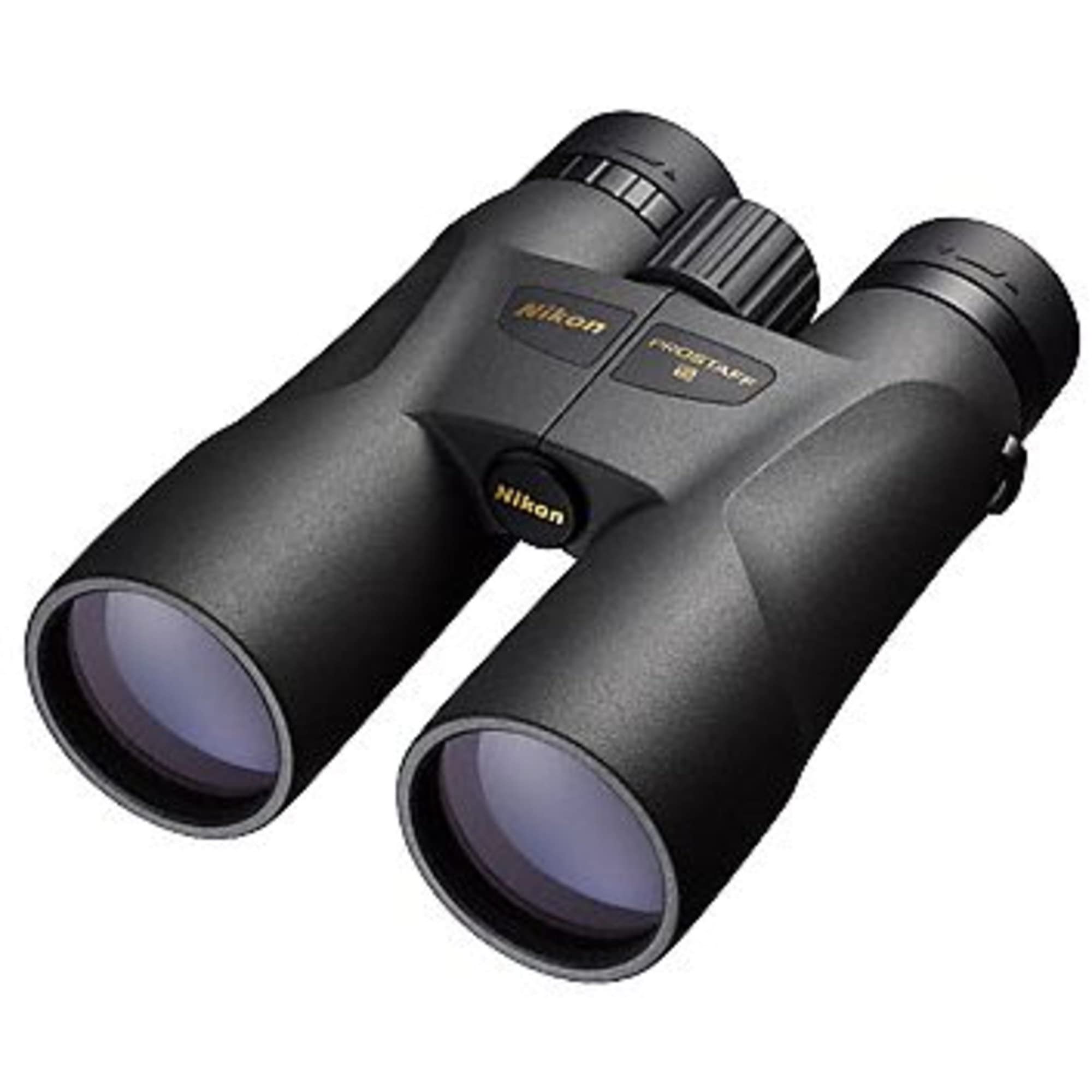
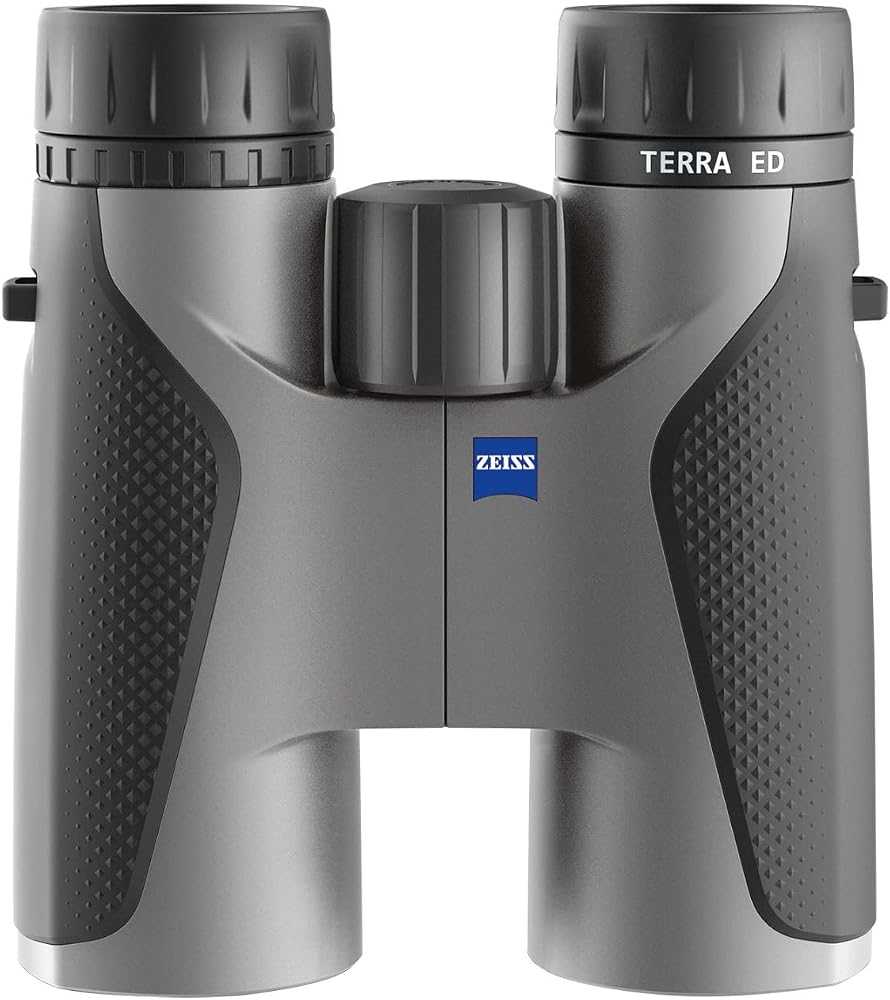
Top Tiers by Budget
Online value is not the lowest price on the page. It is the lowest price for sealed, aligned, well supported glass that matches your use. The three tiers below describe what a smart purchase looks like at each level, who it suits, and the limit you accept when you choose it.
Best Budget Tier
A good budget pair online, around $80 to $150, should still give you waterproof sealing, multi coated optics, and a return window you trust. Expect a pleasant daylight view with a softer edge and modest low light reach. This tier suits students, families, and occasional event watchers who need honest glass for seats, scenery, and garden birds. The key skill is checking alignment on arrival. Look through both barrels at a straight edge and confirm you see one clean image, not a doubled or tilted view.
Best Midrange Tier
Midrange pairs, around $200 to $500, are the online sweet spot for most buyers. Fully multi coated glass, fogproof sealing, better eye relief, and stronger warranties all become normal here. Views stay bright into evening, and mechanics feel smoother and more durable. This tier suits regular birders, travelers, and hunters who want one pair for years. Compare seller reputation carefully at this level, favor authorized sellers, and keep the product table above open while you weigh field of view against weight.
Best Premium Tier
Premium pairs, around $800 and well beyond, buy superb glass, wide flat fields, and top level service. Online, the main risks are gray market stock and unclear warranty coverage, so buy only from sellers who state the warranty plainly. This tier suits serious watchers who glass for hours and notice small gains in contrast and edge clarity. The limit is simple cost. If you go out monthly rather than weekly, the midrange tier may deliver more happiness per dollar spent.
What Your Money Gets You at Each Price Tier
Budget Tier: What to Expect
At budget prices you pay for the basics done correctly. That means a standard 8x42 or 10x42 shape, basic but real coatings, and sealing that survives rain. You give up the widest fields, the brightest dusk views, and the longest warranties. Small comforts such as firm eyecup stops may feel crude. None of that ruins casual use. What ruins it is poor alignment or missing specs, so favor listings that publish field of view, eye relief, and warranty terms in full.
Midrange Tier: The Sweet Spot for Most Buyers
Midrange money buys balance. Optical quality jumps, build quality steadies, and support becomes genuinely useful, with spare parts and clear repair paths. Most buyers stop here happily because the view covers dawn walks, travel, and events without strain. When comparing listings, use our guide to the best rated binoculars to cross check how owner ratings line up with specs, since a high rating on a vague listing means less than a solid rating on a fully described one.
Premium Tier: When Spending More Pays Off
Spending more pays off when your use is demanding and frequent. Premium glass holds contrast in harsh backlight, stays sharp across more of the field, and keeps its mechanics smooth for years. Premium service also matters, because a fast, fair repair protects a large purchase. If you lead walks, hunt in low light, or travel far for wildlife, the upgrade earns its keep. If not, put the difference toward trips, fuel, and time outside, where any good pair shines.
Features Worth Paying For and Ones to Skip
Low Light Performance
Low light performance is worth paying for if you watch at dawn or dusk. It comes from a generous exit pupil and strong coatings, not from a night vision claim on a normal binocular listing. An 8x42 will outsee a 10x25 compact every evening. Pay for objective size and coating quality before you pay for higher magnification. Skip listings that promise impossible brightness with tiny front lenses, because physics sets a limit no marketing can repeal.
Optical Quality and Coatings
Coating quality is the feature that most separates tiers online, where you cannot hold the product first. Fully multi coated optics with quality prisms deliver contrast you notice on feather detail and distant signs. Extra low dispersion glass in higher tiers reduces color fringing on bright edges. These upgrades are worth money for birders and hunters. Casual event watchers can accept simpler coatings and spend less, as long as sealing and alignment are sound and the seller accepts returns.
Ease of Use for Your Skill Level
Ease of use is worth more than exotic extras. A smooth focus wheel, clear diopter setting, and comfortable eyecups help every skill level. New buyers should favor 8x magnification and a wide field, which make finding subjects forgiving. App connected gimmicks and zoom levers add little for binoculars and can add failure points. If you shop mainly for birds, compare field and close focus notes with our guide to the best binoculars for birdwatching before you chase reach alone.
Size, Weight, and Ergonomics
Size and weight shape whether a pair gets carried. Full size glass gives the best view but needs a harness for long days, while 32 mm models travel easier with a small brightness cost. Online photos hide scale, so read the listed weight and dimensions and compare them with a pair you already know. Pay for good eyecups and a decent case. Skip ultra light claims that come with tiny exit pupils if your watching runs into evening, because dim glass stays home.
Video and Phone Adapters
Phone adapters can be fun for recording a distant nest or a scoreboard moment, and some buyers enjoy sharing quick clips. Treat adapters as an accessory, not a reason to choose a pair. Standard binoculars have no built in video, and image quality through an adapter depends on your phone and your patience. Buy the binoculars for the optical view first, then add an inexpensive adapter later if you still want one. Focused birders often prefer the simpler path described in our guide to the best binoculars birding setups.
Long Term Costs to Factor In
The listing price is only the first cost. Add a harness or a better strap, a padded case if the included one is thin, lens covers, and cleaning supplies. None is expensive alone, but together they can add about $30 to $80 to a budget setup. Premium pairs may need insurance on big trips, and out of warranty alignment or cleaning carries a service fee. Shipping and returns matter online too. A slightly higher price from a seller with free, simple returns often costs less in the end than a bargain that is hard to send back.
Warranty length changes long term value more than most buyers expect. A pair with strong coverage and stocked parts can be repaired and kept, while a cheap pair with no support gets replaced whole. When you compare two similar listings, give real weight to the maker and seller behind them. That judgment is the same one hunters make in our guide to the best rated binoculars for hunting, where service after a hard season matters as much as the first view.
Binoculars: Your Questions Answered
What specs matter most for beginners?
Magnification, eye relief, and field of view matter most for beginners shopping online. Choose 8x for a steadier and wider view, at least 16 mm of eye relief if you wear glasses, and published field of view numbers you can compare across listings. Waterproof sealing is essential outdoors. Avoid zoom models and extreme power, no matter how exciting the listing sounds. A simple, well described 8x42 from a reputable seller is the safest first purchase on the internet.
How much should I spend on my first one?
Spend about $150 to $300 on a first pair bought online. That range reaches the lower midrange, where sealing, coatings, and warranties become dependable and returns are handled by established sellers. Spending much less raises the odds of misalignment and vague specs. Spending much more is hard to judge without experience. Keep a small reserve for a harness and case, and buy during a return friendly window so you can try the pair on a real outing.
Which is better for low light?
An 8x42 is better for low light than a 10x42 or any small compact bought at a similar price. Its larger exit pupil sends more light to your eye, and midrange coatings preserve contrast as the day fades. If evening use is central for you, step up one tier for coatings rather than stepping up in magnification. Also check the arrival test in dim light at home, because a misaligned pair looks worst exactly when light is scarce.
Is a smartphone enough instead?
No, a smartphone is not a substitute for binoculars, even though online listings for phone lenses claim otherwise. Phone zoom crops and softens detail, and add on phone lenses rarely align well or survive weather. Binoculars give a bright, steady, two eye optical view with no battery drain. Use the phone for photos and notes after your glass finds the subject. That division of labor works on every trip and costs nothing extra.
What does 8x42 or 10x42 mean?
The first number is magnification and the second is the diameter of the front lenses in millimeters. An 8x42 pair shows subjects eight times closer, and a 10x42 pair shows them ten times closer. The 8x view is wider, steadier, and a little brighter, while the 10x view reaches farther with more visible shake. Online, treat any listing that hides this basic format or mixes it with camera zoom claims as a listing to skip. Compact shoppers can compare smaller options in our guide to the best rated compact binoculars once the basics are clear.
Final Thoughts
Set your tier first, demand full specs and a fair return path, and check alignment the day your pair arrives. Those habits protect you more than any single brand name or rating score. Shopped that way, the best binoculars online for your budget stop being a gamble and become a tool you trust on every outing. Use the comparison table above to confirm current prices and choose the pair that matches your hours outside.


