Best Binoculars on the Market of 2026: Complete Buying Guide
Disclosure: We may earn a commission when you buy through links on this page, at no extra cost to you. As an Amazon Associate I earn from qualifying purchases. Learn more

Compare the best binoculars on the market by size, glass, coatings and price, with plain guidance on magnification and low light use for every budget.
Walk into any optics shop and the wall of binoculars looks almost identical, yet prices run from under $50 to well over $1,000. The difference sits in the glass, the coatings, and how honestly the specs are stated. Shoppers comparing the best binoculars on the market need a way to sort real optical quality from marketing filler before they spend anything.
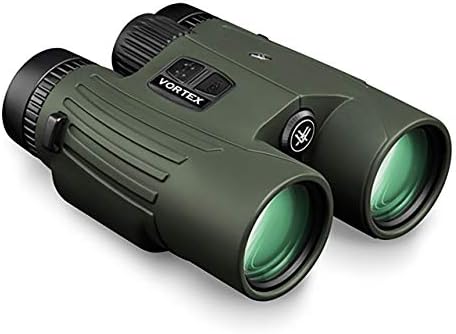
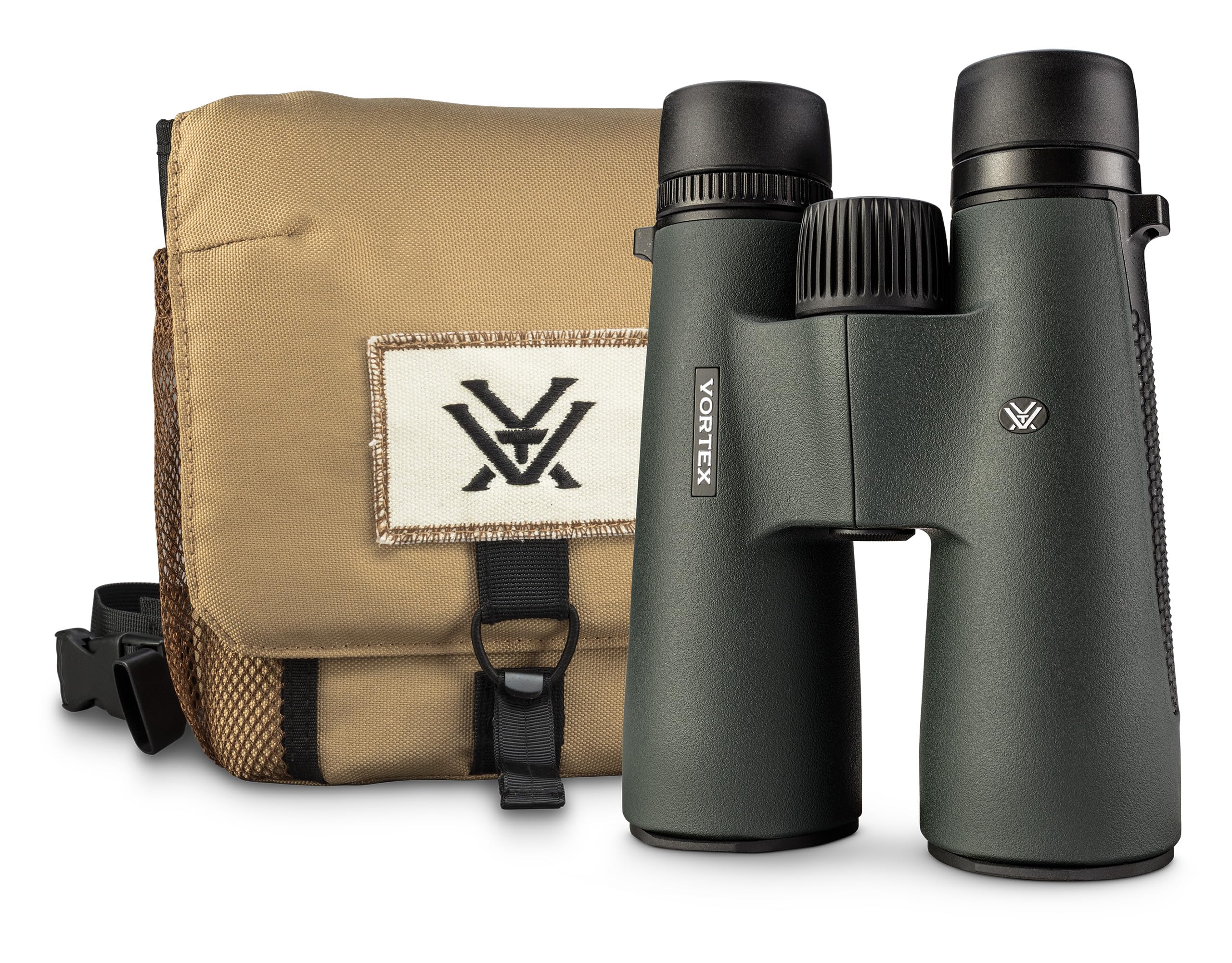
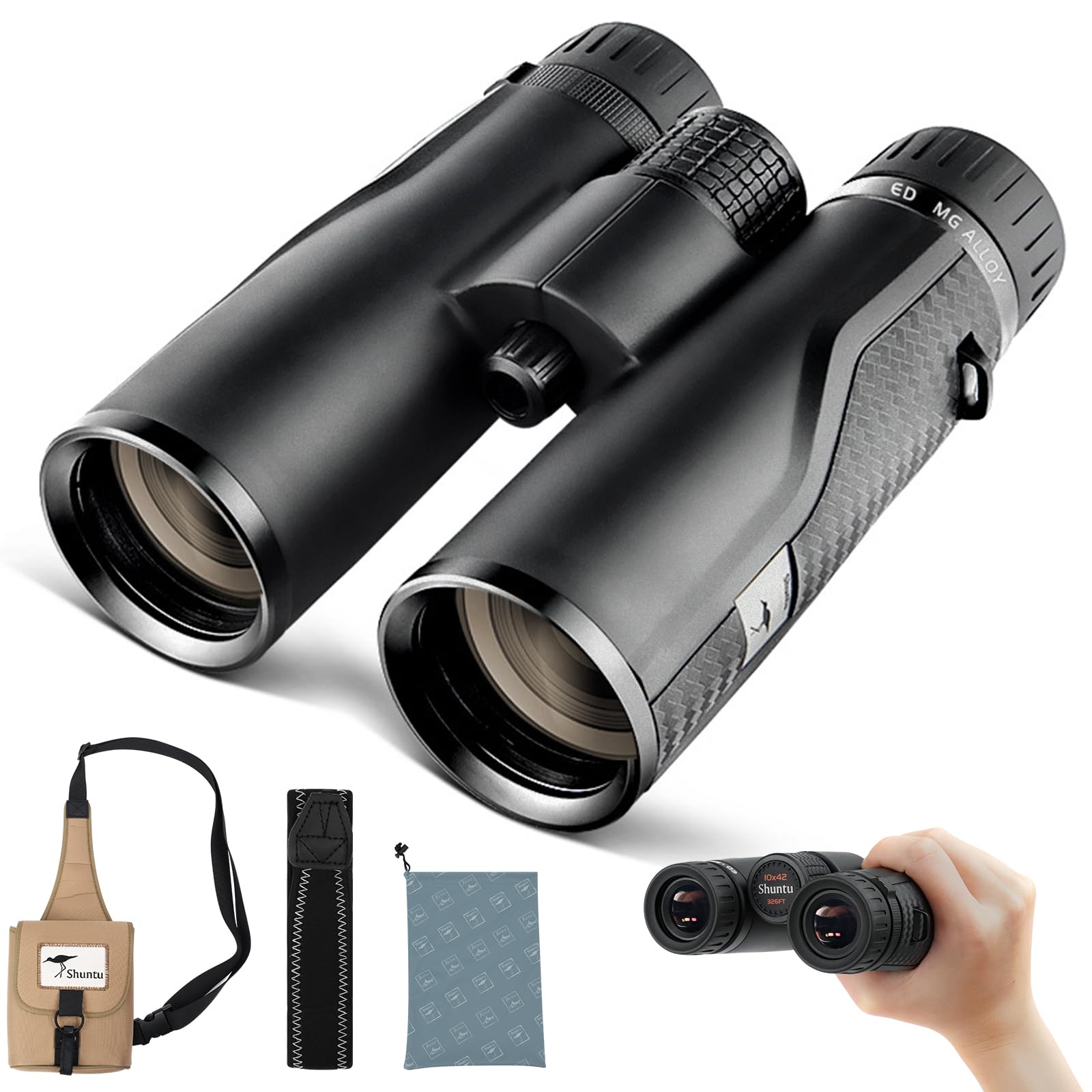
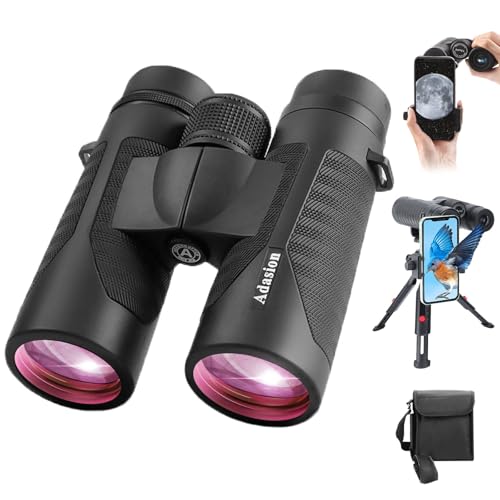
This guide walks through the sizes, the glass, and the price bands that matter, so you can match a pair to your main use, whether that is birds at dawn, a stadium seat, or a harbor view. The product table puts the main options side by side for a quick first scan.

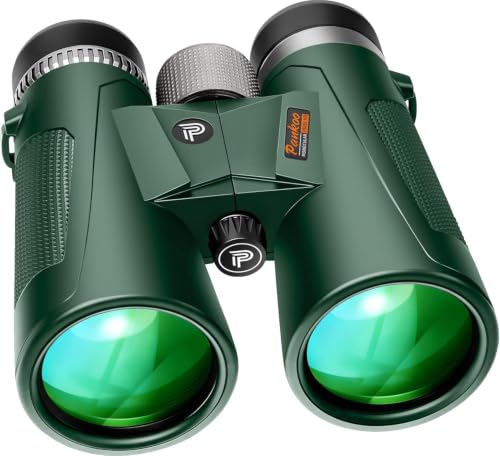
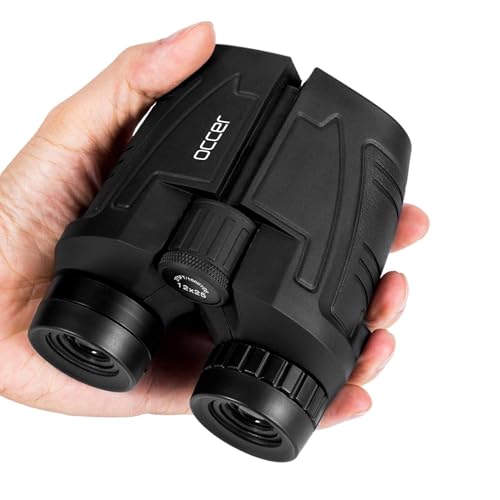


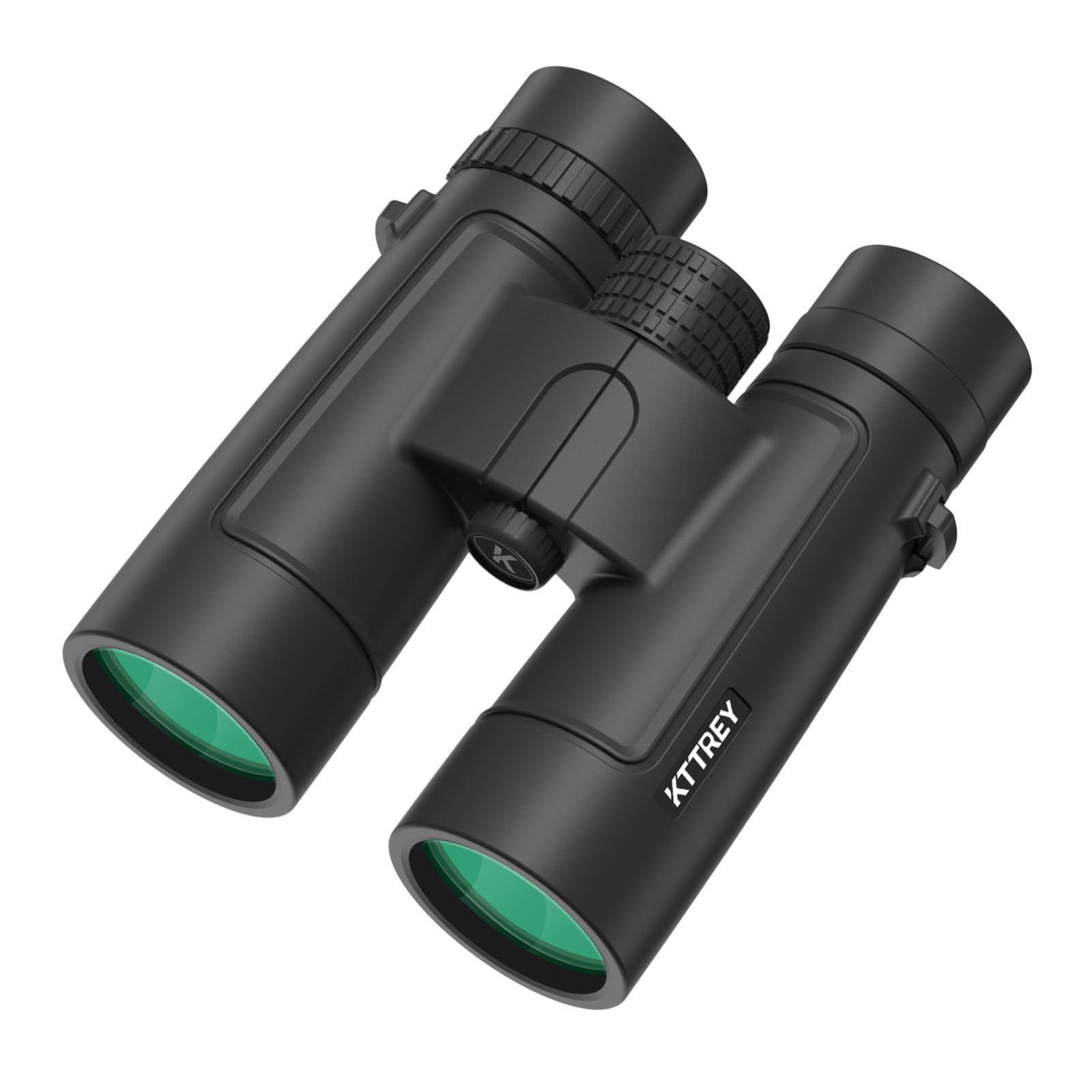
What Your Money Buys: Three Spending Levels
Entry Level: About $50 to $150
At this level you get usable glass for casual use, usually with basic coatings and a narrower field of view. Images look fine in daylight but lose contrast at dawn and dusk, and edges of the view may soften. These pairs suit occasional sports viewing, concerts, and a first pair for a child.
Mid Range: About $150 to $400
This band is where most buyers land, and for good reason. Fully multi coated glass, better prisms, and sealed bodies appear here, so the view stays bright and clear in mixed light. Weight and build quality also improve, which matters on long walks. For birding, travel, and general outdoor use, this level covers nearly every need without paying for bragging rights.
Premium: About $400 and Up
Premium money buys top grade glass with very low dispersion elements, wide and flat fields of view, and rugged housings built to survive years of field use. Colors look true, fine feather detail resolves at distance, and the image stays sharp almost to the edge. Serious birders, guides, and hunters who glass for hours tend to choose this tier and keep the same pair for years.
How to Choose the Best Binoculars on the Market: Key Features to Compare
Plenty of listings compete for the title of best binoculars on the market, and the spec sheet decides which claims hold up. Work through the six factors below and any pair you shortlist will be easier to judge. If you prefer to shop listings directly, you can compare the best binoculars on Amazon once you know which size and tier fit your plans.
Glass Quality and Coatings
Glass and coatings shape brightness and contrast more than any other factor. Fully multi coated lenses pass more light and cut glare, so colors stay rich instead of washed out. Extra low dispersion glass, often shortened to ED glass, reduces the purple fringing that can outline birds against a bright sky. Two pairs with identical numbers on paper can look very different, and this is usually why.
Magnification and Objective Lens Size
The two numbers in a size like 8x42 describe power and lens diameter. The first number is magnification, so 8x makes a subject look eight times closer. The second is the objective lens width in millimeters, and a wider lens gathers more light. Most buyers do best with 8x42 or 10x42, since higher power also magnifies hand shake and narrows what you can see at once.
Low Light Performance
Dawn and dusk are prime hours for wildlife, so light gathering matters. Divide the objective size by the magnification to get the exit pupil, and a result around 4 to 5 mm keeps the view bright as light fades. A 42 mm lens at 8x gives an exit pupil of about 5.25 mm, which is generous. Good coatings help just as much, since they decide how much of that gathered light actually reaches your eyes.
Size, Weight, and Ergonomics
A full size pair often weighs about 24 to 30 ounces, which is easy to hold for a few minutes but tiring over a whole morning. Compact models drop to around 10 to 14 ounces and fit a jacket pocket, though their smaller lenses give a dimmer view. Grip shape, focus wheel placement, and eyecup comfort decide how a pair feels after an hour, so favor designs you can hold steady without strain.
Focus Wheel and Eye Relief
The center focus wheel should turn smoothly with one finger and hold its setting when you lower the binoculars. Eye relief, the distance your eyes can sit from the eyepieces while still seeing the full view, matters most for glasses wearers, who generally need about 15 mm or more. Twist up eyecups let you set that distance instead of guessing each time.
Durability and Weather Sealing
A sealed and nitrogen purged body keeps internal fog from forming when you step from a warm car into cold air, and it blocks dust and light rain. Rubber armor adds grip and absorbs knocks against rocks, boats, and stadium rails. Check the warranty length as well, because a maker willing to cover a pair for many years is signaling how the housing and hinges will hold up.
Types of Binoculars to Consider
Full Size Binoculars
Full size models use objectives of 42 mm or more and deliver the brightest, widest view. They are the default choice for birding, hunting, and marine use where light and detail matter most. The trade off is bulk, so they hang on a strap rather than ride in a pocket.
Mid Size Binoculars
Mid size pairs use objectives around 30 to 36 mm and balance brightness against packability. They suit hikers and travelers who want a real view without a heavy neck load. In bright and moderate light they give up little to full size models, which makes them a smart middle path.
Compact Binoculars
Compacts use objectives of 28 mm or less and fold small enough for a purse, glove box, or coat pocket. They shine at concerts, theater, and stadium events where you only glass now and then. Their small lenses limit dawn and dusk use, so treat them as a convenience pair rather than your only optics.
Astronomy Binoculars
Astronomy models run large, often 15x70 or bigger, and gather the light needed for the moon, planets, and star clusters. Their size and power demand a tripod for steady viewing. If night skies are your main interest, this type opens views that a general purpose pair cannot match.
Care and Maintenance Tips
- Clean lenses with a soft lens cloth or brush, never your shirt, because grit in fabric can scratch coatings.
- Store the pair in a dry, padded case so hinges and focus parts stay protected between trips.
- Keep lens caps on when the binoculars hang unused, since dust settles fastest on exposed glass.
- Never point binoculars at the sun, because focused sunlight can damage the optics and your eyes.
- Wipe off salt spray and rain before storing, so moisture does not sit on seals and metal parts.
Binoculars: Your Questions Answered
Which binocular size is better for low light viewing?
An 8x42 pair is usually better in low light than a 10x42 pair of similar quality. The lower power spreads the same gathered light over a larger exit pupil, so the image looks brighter at dawn and dusk. Bigger objectives help too, though a well coated 8x42 often beats a cheaply coated 10x50 once coatings enter the picture.
What specs matter most for a first pair of binoculars?
Start with an 8x42 size, fully multi coated glass, and a field of view wide enough to follow moving subjects. Those three cover most beginner needs for birds, travel, and sports. After that, comfortable eyecups and a focus wheel you can reach with one finger matter more than extreme magnification numbers printed in large type on the box.
How much should a first pair of binoculars cost?
Plan on about $100 to $250 for a first pair you will keep for years. Below that band, glass and coatings often disappoint once the light drops. Inside that band you get sealed bodies, decent ED glass on some models, and warranties that make the purchase feel safe. Spending more mainly buys edge sharpness and low light polish rather than a different category of tool.
What does 8x42 or 10x42 mean on binoculars?
The first number is magnification and the second is the objective lens diameter in millimeters. An 8x42 makes subjects appear eight times closer through 42 mm front lenses. A 10x42 brings subjects closer still but shows a narrower slice of the scene and shakes more in your hands. Neither is better in general, because the right pick depends on distance, light, and how steady you can hold the pair.
Can a smartphone replace binoculars for distant viewing?
A phone can record a distant scene, but it cannot match the live view through real optics. Digital zoom crops and softens the image, so feather detail and boat names dissolve into blur. Binoculars show a bright, steady, three dimensional view with no battery to drain. Many people carry both, using the phone for photos and the binoculars for actually watching.
Our Verdict
For most buyers, an 8x42 or 10x42 pair from the mid range band, with fully multi coated glass and a sealed body, is where value peaks. Match the size to your main use, weigh low light needs honestly, and let the glass quality settle close calls. Look back at the product table above, shortlist the best binoculars on the market for your budget, and you will end up with a pair that earns its place in your bag for years.