Best Binoculars on Amazon for 2026: What Actually Matters Before You Buy
Disclosure: We may earn a commission when you buy through links on this page, at no extra cost to you. As an Amazon Associate I earn from qualifying purchases. Learn more

Compare the best binoculars on amazon by magnification, objective size, eye relief, build, and price to find a pair that fits how you watch.
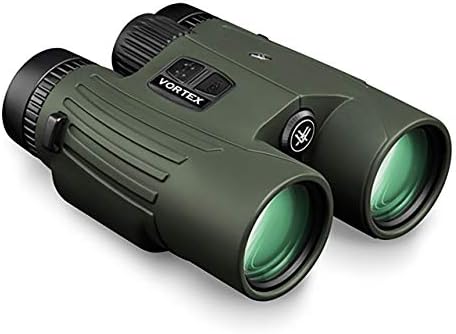
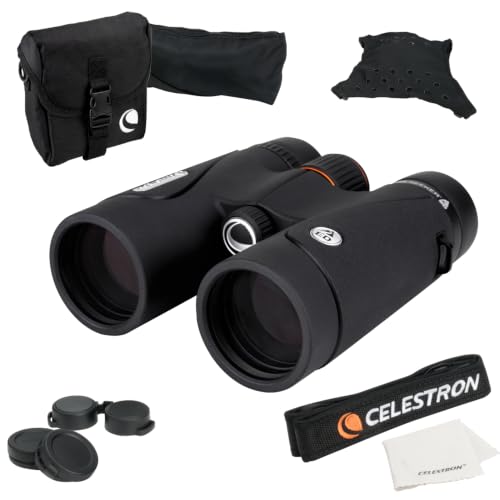
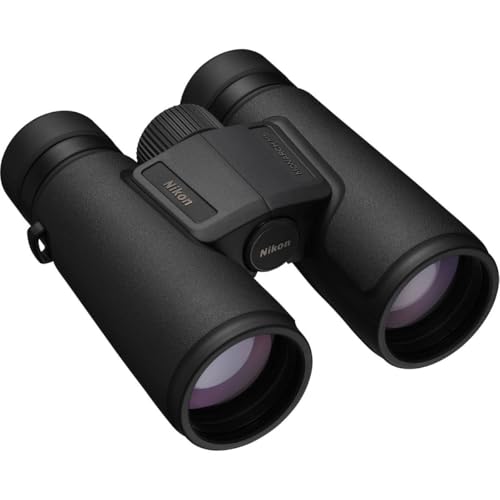
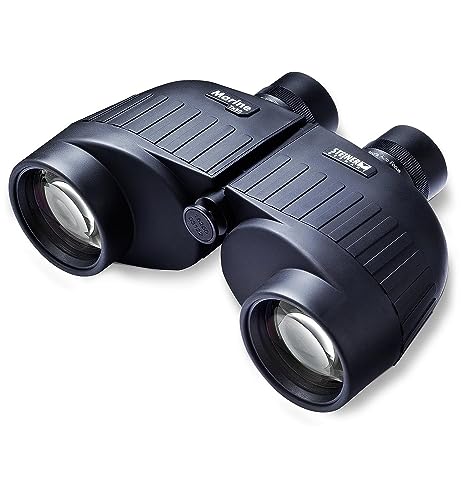
Shopping for best binoculars on amazon can feel overwhelming because listings use similar words for very different optics. This guide gives you a clear checklist for magnification, objective size, eye relief, build quality, and price, so you can compare pairs on facts instead of marketing claims. The product table shows a range of pairs side by side to help you narrow the field before you read the details.
A good pair should match how you will actually use it, whether that means birding at dawn, watching a game from the stands, or scanning a trail from a viewpoint. Size, weight, focus feel, and weather sealing matter as much as the headline magnification number, and a pair that is awkward to hold will stay at home. Read through the checklist, note the features that matter for your trips, and then check the picks in the table against your short list.






Who Should Buy Which Binoculars
Birders and Wildlife Watchers
Birders need a wide field of view, steady handling, and enough brightness for shaded woods and early morning light. An 8x42 pair is a common starting point because it balances detail, brightness, and a forgiving view, while a 10x42 pair suits open country where subjects sit farther away. Look for smooth focus, good close focus for nearby birds, and sealed construction for dew and light rain.
Travelers and Concert Goers
Travelers benefit from compact pairs that pack small and weigh little, even if that means a smaller objective lens and a dimmer view at dusk. An 8x25 or 10x25 pair fits a jacket pocket or a small day bag and works well in bright venues and daylight sightseeing. Check that the folded size, case, and strap suit your bag, and that the eyecups adjust easily for glasses.
Boaters and Outdoor Workers
People who use optics near water or in rough weather should put sealing, grip, and flotation friendly handling first. A full size pair with a rubber armored body, nitrogen purged housing, and a secure strap handles spray, dust, and drops better than a delicate compact pair. A 7x50 pair is popular on boats because the lower magnification steadies the view on moving water.
Key Features to Compare
Magnification and Objective Size
The two numbers in a name such as 8x42 describe magnification first and objective lens diameter in millimeters second. Higher magnification shows more detail but also magnifies hand shake and narrows the field of view, so a steady 8x view often feels more useful than a shaky 10x view. A larger objective gathers more light, which helps at dawn and dusk, but it also adds weight and bulk that matter on long walks.
Field of View and Close Focus
Field of view tells you how wide a scene you can see at a set distance, and a wider view makes it easier to find and follow moving birds or players. Close focus tells you how near a subject can sit and still look sharp, which matters for butterflies, feeder birds, and nearby wildlife. Compare both numbers in the same units across listings, and treat a very narrow view as a warning sign for active watching.
Eye Relief and Eyecups
Eye relief is the distance from the eyepiece to the point where the full view appears, and it matters most if you wear glasses. Look for at least about 15 millimeters of eye relief if you wear glasses, plus twist up or fold down eyecups that let you set the right distance. A pair with short eye relief can clip the edges of the view for glasses wearers, even when the optics themselves are good.
Brightness and Low Light Performance
Brightness depends on objective size, glass quality, and coatings working together, not on any single number. Exit pupil, found by dividing objective size by magnification, gives a rough guide, with a larger exit pupil helping in dim light up to the limit of your own pupils. Twilight factor is another rough guide, but real world brightness also depends on coating quality and internal stray light control, so read user guidance about edge sharpness and glare with care.
Build, Sealing, and Weight
Sealed and nitrogen purged bodies resist internal fogging when you move between warm and cold air, while rubber armor protects against bumps and improves grip in wet hands. Check the stated water resistance level and whether the maker describes the pair as waterproof or only water resistant, since those terms mean different things. Weight matters on long outings, so compare weights across listings, and confirm that the strap and case suit your carrying style.
Spending Levels Without Named Picks
At a modest budget, around $50 to $120, you can find a solid daylight pair with decent coatings and a sturdy body, but you should expect simpler focus controls and less edge sharpness. This range suits casual use, first pairs for children under supervision, and backup pairs kept in a car or cabin. Spend time on fit and eye relief here, because a comfortable modest pair beats an awkward expensive one.
In the middle range, around $120 to $250, coatings, focus smoothness, and sealing usually improve, and the view stays brighter at dawn and dusk. This range suits regular birders, hikers, and sports watchers who use optics weekly and want a pair that lasts for years. Look for a clear warranty, a reputable maker, and a focus wheel that moves smoothly without play.
Above about $250, you pay for wider fields, flatter edge sharpness, better stray light control, and lighter premium materials. This range suits dedicated watchers who spend long hours glassing and notice small optical differences. Before paying more, confirm that the gain matches your use, since a premium pair used twice a year may not repay its price.
Quick Buyer Checklist
- Does the magnification suit your subjects and your ability to hold the pair steady?
- Does the objective size give enough brightness for your usual light without too much weight?
- Is the eye relief long enough for your glasses, and do the eyecups adjust easily?
- Is the body sealed against moisture and fogging for your climate and use?
- Does the focus wheel move smoothly, and does the diopter adjust for your eyes?
- Does the size, weight, strap, and case fit the bag you actually carry?
- Does the warranty cover defects for a reasonable period, and is service easy to reach?
- Do the listed specs match across the listing, the maker page, and the manual?
Red Flags to Watch For
Be wary of listings with vague specs, such as magnification with no objective size, or brightness claims with no field of view or eye relief numbers. Missing warranty details, unclear sealing claims, and photos that show a different pair than the description all deserve a second look. Extremely high magnification claims in a tiny, cheap body are another warning sign, since physics limits what small optics can deliver. If a listing leans on superlatives instead of numbers, move on to a listing that states its specs plainly.
For a related comparison, see our guide to the best binoculars on the market when you want a broader view of current types.
How to Make Your Binoculars Last Longer
Use a lens cloth, not your shirt, since shirt fabric can drag grit across coatings and leave fine scratches over time. Keep the lens caps on during transport, store the pair in a dry, padded bag, and avoid leaving it in a hot car for long periods. Check the strap, hinge, and eyecups now and then, and clean the body with a soft damp cloth after dusty or salty outings. If the pair gets wet, dry the outside gently and let it air dry with the caps off in a clean indoor space before storing it again.
Frequently Asked Questions
What specs matter most for beginners buying binoculars?
Magnification, objective size, field of view, and eye relief matter most for beginners, because they decide how steady, bright, and comfortable the view feels. An 8x42 pair is a safe starting point for most daylight and low light use, while a compact 8x25 pair suits travel and bright venues. Sealed construction and a smooth focus wheel matter more than headline claims about coatings alone. Choose the pair you will actually carry rather than the most powerful one.
How much should I spend on my first pair of binoculars?
Most first time buyers do well around $80 to $180, where coatings, focus, and build are solid for regular daylight use without premium pricing. Below that range, check eye relief, field of view, and warranty with extra care, since weak specs often hide behind low prices. Above that range, gains show up mainly in low light brightness, edge sharpness, and lighter materials. Set your budget by how often you will use the pair, then spend on fit and sealing before chasing higher magnification.
Is a smartphone enough instead of binoculars?
A smartphone works for quick looks and photos, but it cannot match the bright, steady, wide view of dedicated optics for distant wildlife or sports. Digital zoom crops the image and loses detail, while binoculars use glass to magnify the scene without that loss. Phones also struggle in low light and drain batteries faster during long watching sessions. If you watch distant subjects often, a dedicated pair adds real value, and you can still use the phone for photos and notes.
What does 8x42 or 10x42 mean for binoculars?
The first number is magnification, so 8x makes a subject look eight times closer than the naked eye, while 10x makes it look ten times closer. The second number is the objective lens diameter in millimeters, so 42 means a 42 millimeter front lens that gathers light for the view. An 8x42 pair gives a steadier, wider, brighter view than a 10x42 pair, while the 10x42 pair shows more detail for distant subjects. Your choice depends on how steady your hands are and how far your subjects usually sit.
Which binoculars are better for low light viewing?
Pairs with larger objectives, good coatings, and moderate magnification usually perform better in low light than small, high power pairs. An 8x42 or 7x50 pair gathers more light per unit of magnification and steadies the view, which helps at dawn, dusk, and under tree cover. Check exit pupil and coating descriptions, and favor sealed bodies that resist fogging in cool damp air. Never look at the sun through binoculars, since it can damage your eyes. If you notice eye discomfort or vision changes, ask your doctor or an eye care professional.
Final Thoughts
Start with your use, then match magnification, objective size, eye relief, and sealing to that use before you compare prices. A comfortable, well sealed pair with honest specs will serve you better than a powerful pair that is heavy, awkward, or poorly sealed. Keep the checklist from this guide beside you as you compare listings, and revisit the product table once you have a short list. With that approach, best binoculars on amazon becomes a practical choice rather than a gamble, and you can enjoy a clearer view on every outing. For a narrower shopping route, see our guide to the best binoculars amazon listings grouped by type.