
Best Binoculars Money Can Buy: Every Type Explained Side by Side for 2026
Disclosure: We may earn a commission when you buy through links on this page, at no extra cost to you. As an Amazon Associate I earn from qualifying purchases. Learn more

Compare premium binocular types side by side to find the best binoculars money can buy, with clear notes on glass, brightness, build and value.
Premium binoculars can cost ten times more than entry level pairs, and the listings rarely explain what that money changes in the view. This guide compares each premium type side by side so you can find the best binoculars money can buy for your eyes and your outings, and know exactly what top tier spending adds.
Start with the comparison table below for price bands and weights. Then use the type guide to decide where premium money helps you and where it simply adds cost.


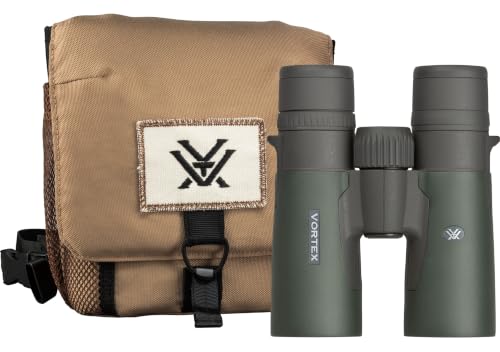

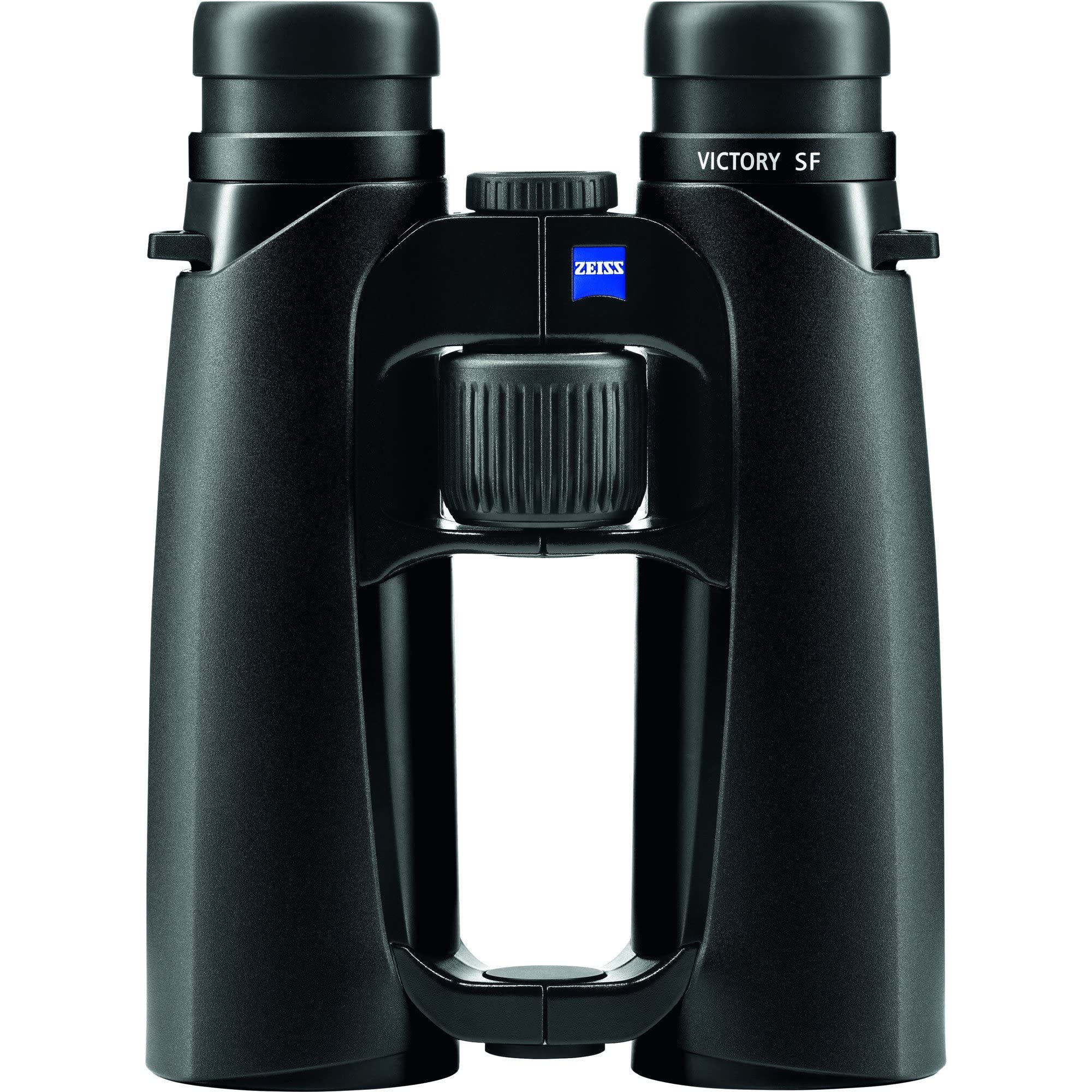


Types of Premium Binoculars Compared
Three types dominate the high end. They share excellent glass, but they serve different hands, trips, and subjects.
Full Size Binoculars
Premium full size models in 8x42 and 10x42 are the flagship format for birding, wildlife, and travel where light varies. Top tier money buys edge to edge clarity, wide fields of view, and focus wheels that feel precise in gloves. Expect about $800 to $2,500 and weight around 26 to 32 ounces. Hunters comparing value can also see our guide to the best hunting binoculars for the money for mid price alternatives that keep most of the view.
Compact Premium Binoculars
High end compacts in 8x32 or 10x32 shrink the flagship view into a lighter body you can carry all day. Glass quality stays superb, but smaller lenses give up some dawn and dusk brightness compared with 42 mm models. Prices run about $600 to $2,000. Choose this type if you hike, travel, or watch from kayaks and small boats, where a heavy binocular stays home and helps nobody.
Specialist and Stabilized Binoculars
Some premium budgets go to specialists instead, such as image stabilized binoculars for boats, rangefinder models for hunting, or large 10x50 and 15x56 glass for astronomy and long range glassing. Stabilization calms shake far beyond what hands can do, and rangefinders merge distance data into the view. Hunters weighing that format can see our guide to the best rangefinder binoculars for the money before paying flagship prices for a feature they may not need.
Full Size Binoculars vs Compact Binoculars: Which Should You Choose?
Choose full size glass if you watch in low light, sit for long sessions, or wear glasses and need generous eye relief. Choose premium compacts if you move all day and know a lighter pair will be in your hands instead of your pack. Brightness is the clearest difference, since a 42 mm lens delivers a larger exit pupil than a 32 mm lens at the same power. Comfort over hours favors full size models, while freedom of movement favors compacts. Your most common outing, not your rarest trip, should decide this one.
Readers set on the classic 10x42 format can compare value options in our guide to the best 10x42 binoculars for the money, while brand loyal shoppers can check our guide to the best vortex binoculars for the money for that maker mid tier and premium lines.
How to Choose the Right Premium Binoculars
Glass Quality and Image Clarity
At the top end, image quality is about refinement rather than basics. Extra low dispersion glass controls color fringing on high contrast edges like white birds against dark water. Phase coated prisms and premium lens coatings lift contrast and color accuracy. The practical test is reading fine feather or fur detail in shade at distance. If a costly pair does not clearly beat a mid price pair in that test, the extra money is buying finish, not view.
Size, Weight, and Ergonomics
Premium glass only helps when it is comfortable for hours. Check grip texture with wet or gloved hands, focus wheel size, and how the barrels balance when raised quickly. Weight differences of a few ounces matter on all day hikes, while open bridge designs can ease one hand holding. Eyecups should hold their settings firmly, and the neck strap or harness mounts should sit flat so the binocular hangs still against your chest.
Durability and Weather Sealing
Flagship binoculars should be waterproof and fogproof, usually sealed and filled with nitrogen or argon gas to stop internal fogging. Rubber armor should absorb drops without peeling, and lens coatings should shed water so rain beads off instead of smearing. Check the warranty terms carefully, because leading makers back premium glass with long, no fault style coverage. Strong warranty support is a real part of what top tier money buys.
What You Can Realistically Get on a Budget
If flagship prices are out of reach, about $200 to $400 still buys genuinely good glass with modern coatings and waterproof builds. You give up some edge sharpness, a bit of field width, and the finest focus feel, but the center view is often close. Never cut budget on basic sealing or on a smooth focus wheel, because those affect every outing. Large lens fans can compare our guide to the best 10x50 binoculars for the money for brighter budget options.
Focus and Stabilization
Binoculars do not use autofocus, so your focus wheel skill is the system. Premium wheels turn with even resistance and no gritty spots, letting you follow moving birds smoothly. Image stabilization, where fitted, steadies the view electronically or mechanically and shines on boats and in high magnification models. It adds weight, cost, and batteries to manage. Most land based birders and hunters do better spending that money on better glass instead.
Before paying flagship prices, try any finalist outdoors in flat, dull light if the store allows it, because bright showroom lighting hides weak contrast. Look at a shaded sign with fine lettering, then at a bright edge against the sky to check for color fringing. Turn the focus wheel slowly from near to far and feel for grit or loose spots. A pair that stays smooth, bright, and calm in those simple checks will almost always satisfy you in the field as well.
Tips to Get the Most From Your Binoculars
Adjust the diopter once for your eyes and mark the setting so you can restore it after sharing. Keep both lens caps attached with the supplied tethers so they are never lost in the field. Clean glass only with a blower first, then a lens cloth, because wiping grit across coatings causes fine scratches. Store your binoculars in a dry padded case, carry them on a harness rather than a neck strap on rough ground, and send flagship glass in for maker servicing if the focus wheel ever develops play.
Binoculars: Your Questions Answered
How much should I spend on my first premium binoculars?
For a first premium pair, about $400 to $900 is the sweet spot where glass, build, and warranty all step up clearly. Below that range you are in strong mid tier territory, which many users happily keep for life. Above about $1,500, gains narrow to edge clarity, focus refinement, and prestige finish. Buy the best pair you can justify for your most frequent outing, not for a once a year trip.
Which binoculars are better for low light?
Full size binoculars with larger objective lenses are better for low light. An 8x42 gives an exit pupil of about 5.3 mm, which feels bright at dawn and dusk, while a 10x42 gives about 4.2 mm and a slightly dimmer but more magnified view. Premium coatings widen the gap further by passing more light through each lens. If twilight watching defines your hobby, lens size should outrank magnification in your budget.
What specs matter most for binocular beginners?
Field of view, eye relief, and focus smoothness matter most for beginners, even at premium prices. A wide field helps you find and follow moving subjects, and eye relief around 16 mm or more keeps glasses wearers comfortable. Start at 8x magnification for steadiness. Beginners often assume the costliest spec is magnification, but an easy, bright, wide view teaches your eyes faster and keeps you watching longer each outing.
Is a smartphone enough instead of premium binoculars?
No, a smartphone cannot match premium binoculars for watching distant subjects. Phone zoom crops a small sensor area and softens detail, and screens struggle in bright sun. Premium glass shows feather detail, color, and depth that no phone view reproduces. Phones still help for recording sightings and sharing locations, so treat the phone as a notebook that rides along, while the binocular remains the actual viewing instrument.
What does 8x42 or 10x42 mean on binoculars?
The first number is magnification and the second is objective lens diameter in millimeters. An 8x42 shows subjects eight times closer through 42 mm lenses, giving a wide, bright, steady image. A 10x42 reaches further but narrows the field and magnifies hand shake. At premium prices both formats use superb glass, so choose by subject distance and light. Most all round buyers who watch varied wildlife end up happiest with 8x42.
Wrapping Up
At the top end you are paying for clarity to the edge, calm handling, and sealing and warranty support that last for decades. Decide the format by your light and your miles first, then let glass quality settle the rest. When you are ready to choose the best binoculars money can buy for your own outings, compare your finalists with the comparison table above and pick the pair that fits your hands as well as your budget.


