
Best 10x50 Binoculars for the Money: A Buyer Checklist for 2026
Disclosure: We may earn a commission when you buy through links on this page, at no extra cost to you. As an Amazon Associate I earn from qualifying purchases. Learn more

Best 10x50 binoculars for the money, judged on glass, coatings, exit pupil, eye relief and build so your budget goes where you can see it.
A 10x50 binocular promises a bright and steady view at a fair price, yet spec sheets make value priced models sound nearly identical. The best 10x50 binoculars for the money are not the ones with the longest feature list. They are the ones that spend your budget on glass, coatings, and build quality you can actually see. This guide gives you a simple checklist for judging that balance before you order.
Use the checklist as you scan the comparison table below, because the table shows prices and headline specs while the sections that follow explain what those numbers mean in real viewing. By the end, you will know which corners are safe to cut and which ones cost you a clear view.


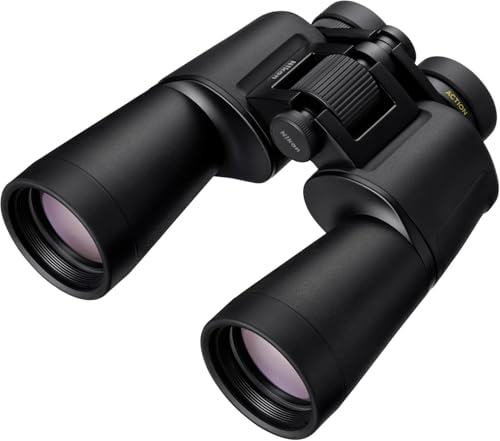
Key Features to Compare in 10x50 Binoculars
A binocular sends its image straight from lenses and prisms to your eyes, so glass quality, light transmission, and honest mechanical design decide almost everything about value.
What You Can Realistically Get on a Budget
At value prices, expect clean center sharpness, decent coatings, and a sturdy plastic or metal body rather than premium edge clarity or exotic glass. Most shoppers find the practical sweet spot at about 80 to 200 dollars, where views are bright and focusing feels smooth. Below that range, coatings and alignment quality often drop fast. Above it, you pay for wider fields, better edge sharpness, and lighter frames, gains that matter most to frequent users.
Objective Lens Size and Brightness
The second number in 10x50 is the objective lens diameter, 50 mm in this case, and it controls how much light the binocular gathers. Divide 50 by the magnification of 10 and you get a 5 mm exit pupil, the beam of light that reaches each eye. That generous exit pupil keeps the view bright at dawn and dusk and makes eye placement forgiving. It is the main optical advantage this size holds over smaller models.
Prism Type and Optical Coatings
Most 10x50 models use Porro prisms, which give a wide and naturally deep view at a modest price, while slimmer roof prism designs cost more to make well. Ask what glass the prisms use, since BaK 4 glass passes light more cleanly than BK 7 glass in budget models. Coatings matter just as much. Fully multicoated lenses cut internal reflections on every air to glass surface, so contrast stays strong when you look toward bright sky or water.
Magnification and Field of View
A magnification of 10 brings distant subjects close enough to read detail on birds, boats, and players, but it also magnifies hand shake. Field of view tells you how much scene you see at once, stated as feet at 1,000 yards. Around 300 feet or more helps you find and follow moving subjects without constant scanning. A very narrow field often signals cheap optics, even when the magnification number looks the same on paper.
Eye Relief and the Focus System
Eye relief is the distance your eyes can sit behind the eyepieces while still seeing the full field, and glasses wearers usually need about 15 mm or more. Twist up eyecups let you set that distance quickly and hold it during use. The center focus wheel should turn smoothly with no gritty spots or loose play, because you will adjust it constantly. A diopter ring on one eyepiece then balances focus between your two eyes.
Size, Weight, and Handling
A typical 10x50 weighs about 25 to 35 ounces, so it feels solid in two hands but heavy around the neck on a long walk. Wide Porro bodies spread the grip nicely and stay stable, which helps during minutes of continuous viewing. If you hike far or travel light, that weight is the honest cost of the larger lenses. Many owners solve it with a harness that moves the load from the neck to the shoulders.
Durability and Weather Protection
Look for a sealed body that is described as waterproof and fogproof, ideally purged with dry nitrogen so the inner lenses stay clear when temperatures change. Rubber armor adds grip and absorbs small bumps around the lenses and prism housing. Check that lens caps and a case come in the box, since replacing lost caps is an annoying extra cost.
Buying Guidance: Where Your Money Matters Most
Value is not about paying the least. It is about paying for the parts of the binocular you will notice every time you raise it. The guidance below replaces guesswork with clear spending priorities drawn from the product table above, so you can match a model to your budget with confidence. Think of it as a working definition of the best 10x50 binoculars for the money, applied line by line.
Where to Spend a Little More
Spend first on prism glass and coatings, because those two items set the brightness and contrast of everything you see. A model with BaK 4 prisms and fully multicoated lenses will usually beat a cheaper model with fancy extras. Paying a bit more for a smooth focus wheel and solid hinge also pays off daily, since loose mechanics make precise focus tiring. If you wear glasses, proper eye relief is worth money too, because a cut off field wastes the optics you bought.
Where You Can Safely Save
Skip costly extras that add little at this size, such as image stabilization, which is rare and pricey on 10x50 models and unnecessary for most daylight viewing. A basic strap, soft case, and simple lens caps are enough for most owners, so elaborate accessory bundles should not sway you. Fancy coatings with trademarked names matter less than the plain statement that lenses are fully multicoated. Saving here lets you move up one tier in glass quality instead.
Matching Value to Your Main Use
Think about your longest typical session and your usual light. Birders who watch in shade and at dawn gain the most from the bright 50 mm lenses, while stadium fans may value a wide field more than top coatings. If you split time between hobbies, compare your shortlist with our guide to the best binoculars 10x50 for a broader look at the size class.
Quick Buyer Checklist
Run through these questions before you buy. A strong value model should earn a yes on nearly every line.
- Are the prisms made of BaK 4 glass, and is that stated clearly in the listing?
- Are the lenses fully multicoated rather than only coated or multicoated in part?
- Does the exit pupil math work out to about 5 mm for bright low light views?
- Is eye relief at least about 15 mm if you plan to view while wearing glasses?
- Is the field of view around 300 feet at 1,000 yards or wider?
- Is the body sealed against water and internal fogging?
- Does the focus wheel design allow smooth one finger adjustment?
- Can you accept a weight of about 25 to 35 ounces for your typical outing?
Red Flags to Watch For
Some listings hide weak optics behind bold claims. Walk away or dig deeper when you spot any of these warning signs.
- The listing promises huge magnification with night vision style claims but never states prism glass or coating type, which suggests the optics are the weak point.
- Field of view, eye relief, or close focus distance is missing from the specs, so you cannot judge basic handling before the binocular arrives.
- The price sits far below similar models while the copy stresses free accessories, a pattern that often means the glass budget was cut to fund the extras.
- The warranty lasts only a few months or is hard to find in the listing, which leaves you unprotected if the hinge or focus wheel loosens.
- Reviews praise brightness but mention double images or one side out of focus, signs of poor collimation that make viewing tiring and can cause eyestrain.
Hunters who need a model tuned for dawn and dusk in the field may also want to read our guide to the best hunting binoculars for the money, where camouflage finishes and close focus for brush country get extra attention.
Setup and Care Tips for 10x50 Binoculars
Correct setup takes two minutes and improves every view after it. Start by adjusting the hinge until the two circles merge into one round image with no dark edges. Then cover the right lens, focus the left side with the center wheel, and switch sides to set the diopter ring for your right eye. Note the diopter setting so you can restore it after someone else uses the binocular.
Clean lenses only when grit or smudges actually affect the view. Blow loose dust away first, then use a soft lens cloth with a drop of lens fluid and a gentle circular motion. Wiping a dry and dusty lens with a shirt grinds grit across the coating, so keep the cloth in the case instead. Store the binocular in its padded case in a dry spot at home, caps on, away from car trunks that bake in summer heat.
Handle the focus wheel and hinge with steady pressure rather than force. If the image starts to look doubled after a hard drop, stop using the binocular and contact the maker about collimation service, because forcing the hinge rarely fixes alignment.
Frequently Asked Questions
Are 10x50 binoculars better than 10x42 binoculars in low light?
Yes, 10x50 binoculars deliver a brighter view in low light because their larger lenses produce a 5 mm exit pupil versus about 4.2 mm on a 10x42. That extra brightness helps most during the first and last minutes of usable light, when your own pupils are fully open. Younger eyes tend to gain the most from it. If smaller size matters more, compare options in our guide to the best 10x42 binoculars for the money before deciding.
What specs matter most for beginners buying 10x50 binoculars?
Beginners should put prism glass, coatings, and eye relief at the top of the list when buying 10x50 binoculars. Those three decide brightness, contrast, and comfort more than any accessory in the box. One more beginner friendly test is close focus. A model that focuses at about 10 feet or closer lets you study butterflies and feeder birds, which keeps new users engaged between bigger outings.
What does 10x50 mean on binoculars?
On binoculars, 10x50 means the view appears 10 times closer than with the unaided eye, and each front lens measures 50 mm across. The pair of numbers appears on nearly every model, so it is the fastest way to compare size classes. Shoppers who like one maker across sizes can browse our guide to the best vortex binoculars for the money to see how the same brand prices its larger and smaller options.
Can a smartphone replace 10x50 binoculars for distant viewing?
No, a smartphone cannot replace 10x50 binoculars for live distant viewing, because digital zoom crops the image and softens detail quickly. Point and shoot compacts and mirrorless cameras record fine photos, yet they show the scene on a small screen with one eye. A binocular gives both eyes a bright and magnified live view with real depth. Use the phone to record what you found after the binocular helps you spot and identify it.
How much should you spend on your first pair of 10x50 binoculars?
Most first time buyers should spend about 80 to 200 dollars on a first pair of 10x50 binoculars. That range covers BaK 4 prisms, full multicoating, and sealed bodies without paying for premium glass. One smart move is to reserve a little of the budget for a padded harness, since carrying comfort decides whether the binocular comes along at all. If you later add ranging for golf or hunting, our guide to the best rangefinder binoculars for the money explains that step up.
Final Thoughts
Value in this size class comes from a short list of honest traits: BaK 4 prisms, fully multicoated lenses, a 5 mm exit pupil, enough eye relief for your eyes, and a sealed body that shrugs off weather. Score any candidate against the checklist, check it against the product table above, and ignore bundles that trade glass quality for free extras. Chosen that way, the best 10x50 binoculars for the money will give you bright and comfortable views for years without stretching your budget.


