
Best Binoculars If You Wear Glasses in 2026: Budget, Midrange, and Premium Guide
Disclosure: We may earn a commission when you buy through links on this page, at no extra cost to you. As an Amazon Associate I earn from qualifying purchases. Learn more

Compare binoculars for glasses wearers by eye relief, eyecup stops and price tier, with a simple fit check that keeps the whole round view clear.
Wearing glasses changes how a binocular fits, because your frames hold the eyecups away from your eyes. The best binoculars if you wear glasses give you enough eye relief to see the whole round view at once, with no dark edges. Prices run from under $100 to over $1,000, and this guide shows where that money helps, so you can read the comparison table below with a clear plan.
Start with your frames and your usual outing. Thick frames, progressive lenses and long sessions place different demands on eyecups, focus wheels and weight. The sections below match those needs to the specs that matter, tier by tier.


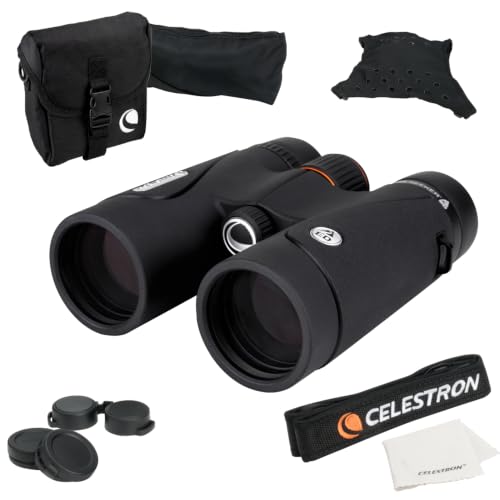
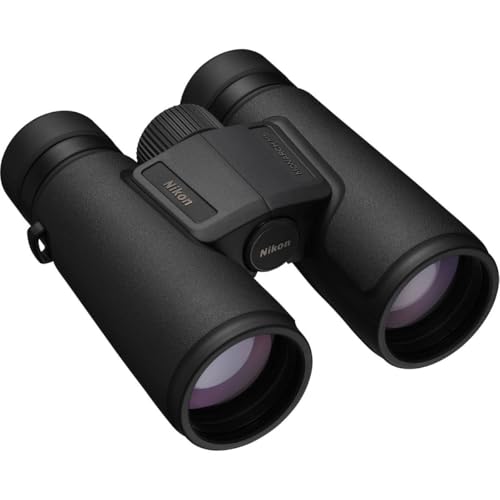


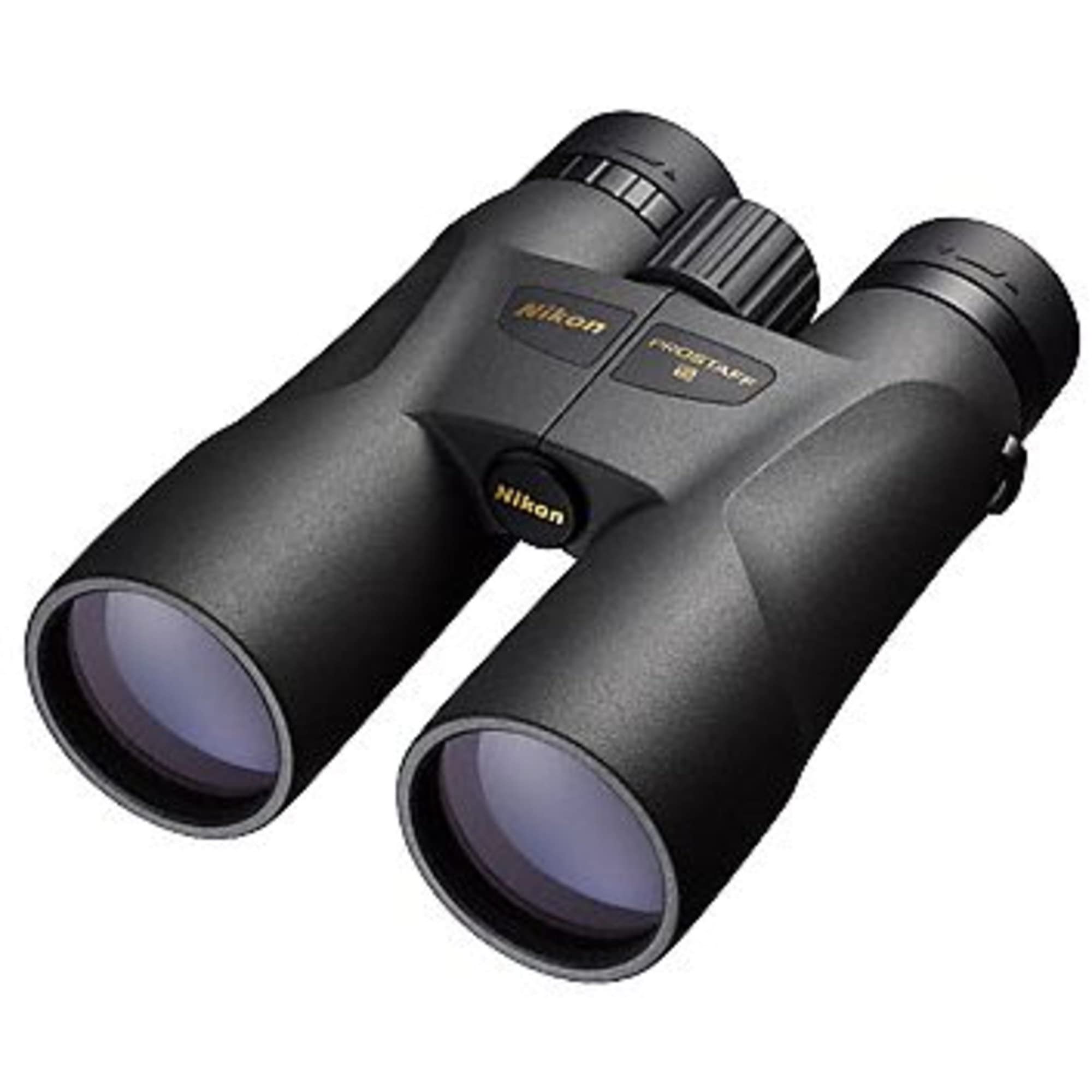

Who Should Buy Binoculars for Wearing With Glasses?
Your lens type and frame shape matter as much as the places you view. Find the group closest to you first.
Birders Who Wear Glasses on Long Morning Walks
You scan for minutes at a time and follow small movements through trees, so a wide field of view and a smooth focus wheel matter most. Choose 8x42 optics with long eye relief and eyecups that stay put at the setting your frames need.
Sports and Concert Viewers Who Wear Glasses
You raise the binoculars in short bursts and need the full view the moment they reach your eyes. Compact binoculars in 8x32 or 10x32 can suit you, as long as eye relief stays generous and the eyecups click into place fast. A smaller objective lens gathers less light, so evening games will look dimmer than through a 42 mm pair.
Readers With Strong Prescriptions or Progressive Lenses
You may look through a different part of your lens as you tilt your head, so small shifts in eye position can change the view. Look for a large exit pupil, forgiving eye placement and a diopter dial you can set once and mark. If one eye still sees far less clearly after careful setup, talk with your eye clinician about your personal needs before spending more on glass.
Key Features to Compare
Compare these factors in order, because the first two decide whether you see the full picture at all.
Eye Relief Long Enough for Your Frames
Eye relief is the distance from the eyepiece lens to the point where the full view forms. Your glasses add distance, so most wearers need about 15 to 20 mm, and thick frames often need the upper part of that range. A model listing 17 mm or more lets you hold the binoculars naturally instead of pressing them into your frames. Short eye relief shows up as black edges that shrink the view.
Twist Up Eyecups With Firm Stops
Eyecups set how close your glasses sit to the eyepiece. With glasses on, you normally turn the cups fully down, and without glasses you raise them again. Cups with two or three firm stops between those points help when a frame sits unusually close or far from your face. Cups that drift under pressure change your eye relief each time you lift the binoculars.
Field of View That Survives Your Glasses
Field of view tells you how wide a scene you see, often listed in feet at 1,000 yards. A wider field, around 330 to 420 feet for an 8x model, helps you find birds and follow play, and it leaves margin when your glasses trim the outer edge of the view. Narrow models can feel like looking through a tube once frames are in the way.
Magnification, Objective Lens and Exit Pupil
The numbers 8x42 mean eight times magnification and an objective lens 42 mm wide. Dividing 42 by 8 gives an exit pupil of about 5.3 mm, the width of the light beam reaching your eye. A larger exit pupil forgives small shifts in eye position behind glasses and looks brighter at dawn and dusk.
Diopter Dial and Focus Wheel Reach
The diopter dial adjusts one barrel to match your two eyes, which rarely match exactly. With glasses that already correct your vision, the dial often sits near zero, but a range of about plus or minus 3 to 4 leaves room for small differences. The main focus wheel should turn smoothly with one finger while your other hand steadies the barrels.
Interpupillary Distance and Frame Fit
Interpupillary distance is the spacing between the two barrels, and it must match the spacing of your eyes so the two circles merge into one. Most models adjust from about 56 to 74 mm. Wide frames can also touch the eyecups before your eyes reach the right point, so check that the bridge clears your nose comfortably. For more fit basics, see our guide to the best binoculars for glasses.
What Glasses Wearers Get at Each Budget
Price buys better glass, firmer eyecups and a wider view. When you shop for the best binoculars if you wear glasses by budget, judge each tier on those points first.
Budget Tier: Full Views for Under About $100
Expect honest 8x42 optics, eye relief around 15 to 18 mm and basic twist up cups that may lack firm middle stops. The view is often sharp in the center and softer near the edges. This tier suits a first pair or occasional games, as long as the returns policy lets you test the fit at home.
Midrange Tier: Crisper Glass for About $100 to $300
This range brings better coated glass, a wider field of view and eyecups that hold their stops through a full day of use. Weatherproof sealing with nitrogen filling to prevent internal fogging becomes common. Most weekly viewers notice this step more than any other. Our guide to the best binoculars for glasses wearers shows how this tier compares for regular use.
Premium Tier: Widest Fields Above About $300
Above about $300, and up toward $1,000 and beyond, you pay for very wide and flat fields, strong low light views and durable eyecups. Eye relief of 18 to 20 mm or more is common, which helps thick frames most. Buy this tier for frequent dawn, dusk or sea viewing rather than for occasional outings.
Running Costs and Warranty Cover to Plan For
The purchase price is not the whole cost. A padded strap or chest harness, often about $20 to $60, can matter more than a case upgrade if you walk far. A warranty covering eyecup and focus repairs protects the parts you adjust most.
Common Mistakes to Avoid
- Buying on magnification alone leaves you with a narrow view that your glasses shrink even further.
- Ignoring listed eye relief means dark edges appear the moment the binoculars meet your frames.
- Raising the eyecups while wearing glasses pushes your eyes too far back and cuts off the outer field.
- Pressing the eyecups hard into your frames smears your lenses and still fails to restore the full view.
- Choosing the smallest compact model without checking eye relief trades pocket size for a view you cannot fully see.
- Skipping a home fit test wastes the return window on a pair your frames were never going to suit.
Care and Maintenance for Binoculars Used With Glasses
Glasses and eyepieces pick up skin oil and dust quickly, so clean both often. Blow loose grit off the lenses first, then wipe with a clean microfiber cloth in small circles from the center outward. Never use a shirt or paper towel, because trapped grit can scratch the coatings.
Store the binoculars in their case with the eyecups down and the caps on, in a dry place out of direct sun. If the barrels get wet, let them dry open before casing them. Note your diopter number so you can reset it after lending the pair. For more handling notes, see our guide to the best binoculars for people with glasses.
Frequently Asked Questions
How much eye relief do glasses wearers need on binoculars?
Most glasses wearers need about 15 to 20 mm of eye relief to see the full view. With the eyecups fully down, raise the binoculars and check all four edges of the circle at once. If you must press into your frames to clear the edges, the model is too short for you.
What does 8x42 or 10x42 mean on binoculars for glasses wearers?
The first number is magnification and the second is the objective lens width in millimeters. For glasses wearers, the quiet advantage of 8x42 is its larger exit pupil, which forgives small shifts in eye position behind your frames. A 10x42 shows more detail on distant targets, but hand shake appears sooner, so a fence rail or monopod helps on long looks.
Can glasses wearers use binoculars with progressive lenses?
Yes, glasses wearers can use binoculars with progressive lenses, and many do so daily. The distance zone of a progressive lens sits in its upper part, so settle your frames to look through that zone, then set the eyecups to match. If the view swims as you move, a single vision pair of glasses often feels steadier for viewing sessions.
How much should a glasses wearer spend on a first pair of binoculars?
A glasses wearer can start well at about $100 to $200, where long eye relief and firm eyecup stops become reliable. Spending less can work, but fit varies more at the lowest prices, so buy where returns are easy. Put leftover budget toward a comfortable strap first.
Should glasses wearers choose roof prism or porro prism binoculars?
Either design can suit glasses wearers, because eye relief is a design choice in both, not a prism trait. Porro prism models often give a wide view for less money but feel bulkier in a bag. Roof prism models are slimmer and seal well for wet weather. Judge eye relief and eyecup action first.
The Bottom Line
Fit comes before glass quality for a glasses wearer. Confirm eye relief of about 15 to 20 mm, eyecups that hold the setting your frames need, and a field wide enough to survive your frames. Then pick a tier by how often you view, and use the product table above to check those points side by side.
Chosen that way, the best binoculars if you wear glasses are simply the pair that shows you the whole scene the moment you lift them, with no pressing, squinting or dark edges in the way.


