
Best Binoculars for Watching Rowing in 2026: What Your Money Really Gets You
Disclosure: We may earn a commission when you buy through links on this page, at no extra cost to you. As an Amazon Associate I earn from qualifying purchases. Learn more

Compare binoculars for watching rowing by budget, with guidance on magnification, field of view, waterproofing and steady viewing from shore.
Rowing races move fast, start early, and often finish far from where you stand. Prices range from under $100 to several hundred dollars, and paying more does not always help on a riverbank. The best binoculars for watching rowing keep a moving shell in view, stay bright in flat morning light, and feel steady in your hands. Use the comparison table below to match price to the features that matter.
Think about your usual race day first. Do you follow one crew from a fixed spot, walk the bank, or watch heats all morning in changeable weather? Your answers point to the right magnification, weight, and sealing, and show which upgrades to skip.


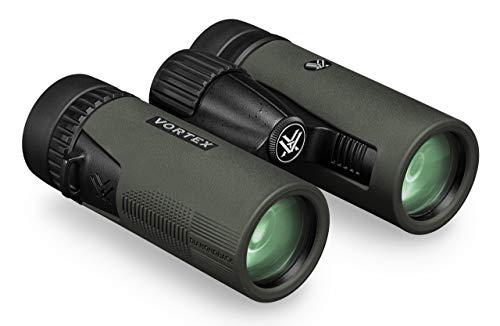


Who Should Buy Which Binoculars for Rowing?
Pick for the way you watch. A spectator near the finish needs a different balance of power and weight than a parent who moves along the course with children in tow.
Parents Following a Junior Crew From the Bank
You need to find one boat quickly among several, then follow it without losing the crew when other shells cross your view. Choose 8x magnification with a wide field of view, because lower power is easier to hold steady while you pan. A light body and a comfortable neck strap matter between races.
Fans Watching a Full Morning of Heats
You watch race after race, often in bright glare off the water and sometimes in passing rain. Choose a waterproof 8x42 or 10x42 model with generous eye relief, so long sessions do not tire your eyes. Brightness and comfort deserve more of your budget than extra power.
Spectators Who Watch From Far Down the Course
You may view the start or the middle of a 2000 meter course from a bridge, a dock, or a distant bank. Choose 10x magnification if you can hold it steady or rest your elbows on a rail, because extra power brings distant crews closer. Accept a narrower field of view, and practice finding the right lane before the race begins.
Key Features to Compare
Compare these factors in order, so a low price cannot hide a narrow view or weak sealing.
Magnification for Following Shells Down the Course
Magnification tells you how much closer a crew appears, with 8x and 10x the most useful choices for rowing. An 8x view is steadier in the hand and makes it easier to follow a shell across the water. A 10x view shows more detail on distant boats, but every small hand movement looks larger too. Start with 8x, and choose 10x only if you watch from far away and can brace your arms.
Field of View for Tracking a Moving Crew
Field of view is the width of the scene you can see at a set distance, and a wide view helps you keep a moving shell and its rivals in the same picture. When a crew drifts toward the edge, a wide field gives you time to pan smoothly instead of hunting for the boat again. Field is stated in feet at 1000 yards or in degrees. Spectators who track wildlife between races may also see our guide to the best binoculars bird watching.
Objective Lens Size and Brightness in Early Light
The objective lens is the large front lens, and its diameter is the second number in names like 8x42. A 42 mm lens gathers more light than a 32 mm lens, which helps during dawn heats, overcast finals, and viewing under tree shade. Larger lenses add weight, so a 32 mm model can suit midday racing if you walk far. Coatings that reduce glare off water are worth paying for at any tier.
Waterproof and Fogproof Sealing for Riverbanks
Riverbanks bring spray, damp grass, sudden showers, and cool air that can fog internal glass in warm sun. Sealed binoculars rated waterproof keep rain out, and fogproof models filled with dry nitrogen stop moisture from clouding the view inside. This matters for rowing, because your gear sits outdoors for hours near water. Check that the maker states both ratings plainly.
Focus, Eye Relief, and Comfort for Long Viewing
A smooth center focus wheel lets you sharpen a crew as it approaches, while a diopter dial on one eyepiece balances the view for your two eyes. Eye relief is the distance your eyes can sit from the eyepieces while still seeing the full picture, and glasses wearers usually need about 14 mm or more. Image stabilization steadies high power views, but stabilized models cost far more and add bulk.
Price Tiers for Watching From the Riverbank
Spending more mainly buys brighter glass, stronger sealing, and smoother mechanics. Comparing best binoculars for watching rowing by tier shows where the gains appear and where they level off on the bank.
Budget Tier: Clear Enough for Occasional Race Days
Models at about $50 to $100 usually offer 8x42 or 10x42 power with basic coatings and simple cases. The center view is often clear in daylight, though edges may soften in poor light. Sealing varies a lot here, so read the rating with care. This tier suits families at a few regattas each season, much as casual stadium fans start small in our guide to the best binoculars for watching football.
Middle Tier: Brighter Glass for Regular Regatta Fans
Models at about $100 to $250 usually add better coatings, more reliable waterproof and fogproof sealing, and a focus wheel that moves without grit. The view stays brighter in early light, and eye relief tends to improve too. For most rowing spectators, this tier gives the strongest balance of view quality, durability, and price across a full season.
Premium Tier: Sharp Distant Detail for Dedicated Spectators
Models at about $250 to $600 bring higher grade glass and coatings that keep contrast strong when crews are backlit on bright water. Edges look sharper and focus action feels precise. Stabilized models sit above this range and help only a narrow group. Pay this much if you attend many regattas, watch from long distances, or want one pair for many seasons. For wider context, see our guide to the best binoculars for watching sports.
Extra Costs of Owning a Regatta Pair
The purchase price is not the full cost of ownership. A padded case, a wider strap, lens cloths, and replacement eyecups can add about $20 to $60 over time. Choosing solid sealing at the start often saves money later, because internal moisture damage is rarely cheap to fix.
Common Mistakes to Avoid
- Choosing 12x or higher power for handheld viewing makes the image shake and causes you to lose the shell.
- Buying compact lenses for dawn races gives a dim view when heats start in low light.
- Ignoring field of view makes tracking a fast crew across lanes much harder.
- Assuming splash resistance equals waterproof sealing leaves internal glass open to fog and damage.
- Carrying binoculars on a thin strap all morning strains your neck and makes you leave them in the car.
- Storing binoculars wet in a closed case invites mold on the lenses and a lasting musty smell.
Care and Maintenance for Rowing Binoculars
After a wet race day, wipe the body with a soft dry cloth and let the binoculars air in a cool room before you close them in a case. Blow loose grit from the lenses before wiping, because sand from a towpath can scratch coatings. Use a lens cloth and cleaner only when water spots remain.
Between regattas, store the binoculars in their case away from heat in a parked car. Check strap mounts and the focus wheel for looseness every few outings. If the view turns cloudy inside the lens, contact the maker instead of opening the body yourself.
Binoculars for Watching Rowing: Your Questions Answered
What features matter most in binoculars for watching rowing from the bank?
A wide field of view, steady 8x power, and plain waterproof sealing matter most for bank viewing. Before a regatta, practice by following a cyclist or a passing car smoothly for ten seconds. If you keep losing the moving subject, choose a wider field or lower power rather than paying for more magnification.
Which binoculars are better for low light rowing races at dawn?
Binoculars with a larger exit pupil are better for dawn rowing races, and an 8x42 pair is a strong example. Position also helps more than many buyers expect. Stand where the course is not directly toward the rising sun, and shade the front lenses with a cap brim when glare washes out the first heats.
Is a smartphone enough instead of binoculars for watching a rowing race?
No, a smartphone is not enough for following a full rowing race at distance. Phone zoom crops the picture and loses detail, and the screen is hard to read in bright light off the water. A phone still earns its place for recording a finish, checking results between heats, and sharing a short clip with family at home.
What does 8x42 or 10x42 mean on binoculars for rowing?
The first number is magnification and the second is the objective lens diameter in millimeters, so 8x42 makes a crew look eight times closer through a 42 mm front lens. Dividing 42 by 8 gives an exit pupil of about 5.3 mm, a useful brightness clue. A 10x42 pair gives about 4.2 mm, which is one reason it can look dimmer at dawn.
How much should I spend on a first pair of binoculars for watching rowing?
Most first time buyers should spend about $100 to $250 on their first pair for rowing. Before you pay, borrow a club or family pair for one regatta, and note whether distance or dim light was your bigger problem. That outing tells you whether your money should go toward 10x power or brighter 42 mm glass.
Final Thoughts
For most spectators, an 8x42 waterproof pair in the middle tier covers junior races, club regattas, and championship mornings without fuss. Choose 10x only for distant viewing with support, and spend on sealing and coatings before extra power. Use the product table above to compare field of view, weight, and price.
When you judge best binoculars for watching rowing by how well they follow a crew in real light, the right pair becomes easy to spot. Pick the pair you will happily carry to the bank.


