
Best Binoculars for Watching Football Games in 2026: A Stadium Buying Guide
Disclosure: We may earn a commission when you buy through links on this page, at no extra cost to you. As an Amazon Associate I earn from qualifying purchases. Learn more

Compare binoculars for watching football games by magnification, wide field of view, brightness, eye relief, weight and price for your seat in the stadium.
From a high seat, jersey numbers blur, a catch near the far sideline is hard to judge, and you miss who made the tackle. The right best binoculars for watching football games bring the line of scrimmage close without making the view shake. This guide matches magnification, view width and brightness to where you sit, so you can use the comparison table below with confidence.
Your seat decides most of the choice. A fan near midfield needs a wide view to follow a play as it develops, while a fan in an end zone or upper tier needs a little more power. Glasses, night kickoffs and stadium entry rules change the answer too.


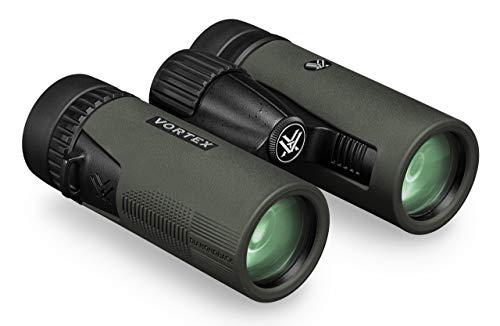


Who Should Buy Which Binoculars for Football Games?
Start with the seat you hold most often. Distance to the field, how much of the play you want in view at once and how long you hold the binoculars up shape the right pick.
Fans Sitting High or Far From the Field
You watch from the upper tier, an end zone or a corner, so plays on the far side can look small. Choose magnification of 10 times with an objective lens of about 42 mm for a bright view at distance. A steady grip and a neck strap matter, because higher power magnifies hand shake as well as the players.
Fans Sitting Close Who Want to Follow the Whole Play
You sit in the lower rows and your problem is not distance but speed. A sweep or a deep pass can leave a narrow view before you find the ball again. Choose magnification of 7 or 8 times and the widest field of view you can afford, so the quarterback, the receivers and the safety stay in frame together.
Families and Fans Who Share One Pair at the Game
You pass the binoculars between adults and older children, so quick adjustment matters more than the last bit of power. Choose 8 times magnification, a large center focus wheel and twist up eye cups that help each viewer set eye position fast. Keep the pair light, around 20 to 24 ounces, so younger fans can hold it steady through a drive.
Key Features to Compare
Compare these factors in order when you shop for the best binoculars for watching football games. Together they decide whether the view feels close, wide and calm enough for four quarters.
Magnification for a Fast Moving Game
Magnification tells you how much closer the action appears, so 8 times makes a player 100 yards away look as if he stood about 12 yards off. For most seats, 8 times is the calm middle ground, with enough reach to read a number and little shake. Choose 10 times only for distant seats. Power above 10 times narrows the view and turns small hand movements into a bouncing image.
Field of View to Follow the Play
Field of view is the width you can see at a set distance, often listed in feet at 1,000 yards. A wide figure, about 340 to 420 feet for an 8 times model, lets you watch a route develop without swinging the binoculars back and forth. That width keeps a play action fake readable, because the running back, the ball and the line stay visible at once.
Objective Lens Size and Brightness for Night Games
The second number in a rating such as 8 by 42 is the objective lens width in mm, and larger front lenses gather more light. A 42 mm lens gives a bright image under stadium lights and at dusk, while a 32 mm lens is lighter but dimmer late in a game. Exit pupil, lens size divided by magnification, sums this up, and a figure near 5 mm suits low light well.
Eye Relief and a Focus Wheel You Can Use Quickly
Eye relief is the distance your eye can sit from the rear lens while still seeing the full view, and glasses wearers need about 15 mm or more. Without it, the edges turn black and you lose the outside receiver. The focus wheel should turn smoothly with one finger, because you refocus each time the line of scrimmage moves. A diopter ring corrects a difference between your eyes, set once before kickoff.
Size, Weight and Stadium Entry Rules
Full size pairs often weigh about 24 to 30 ounces, while compact models can weigh under 16 ounces and feel easier late in the game. Many stadiums limit bag size or require a clear bag, and some restrict cases, so check the venue policy before you travel and wear the pair on a strap if a case is not allowed. For smaller pairs, see our guide to the best small binoculars for football games. Weight you notice at kickoff feels double by the fourth quarter.
Prism Design, Lens Coatings and Weather Sealing
Roof prism models are straight and slim, while porro prism models are wider and often give a strong sense of depth for less money. Coatings cut glare from stadium lights and raise contrast, which helps you pick a dark jersey out of a shaded end zone. Sealed, fog proof construction keeps the inside clear on cold nights.
Types of Binoculars for Football Games Compared
Three size classes cover nearly every seat. The right class depends on how much brightness you need after dark and how much weight you will carry through the gate and up the stairs.
Full Size Binoculars for Distant Seats and Night Games
Models labeled 8 by 42 or 10 by 42 are the classic stadium choice. Large front lenses keep the image bright under lights, and the body gives your hands a firm hold. They suit upper tier and end zone seats best. The cost is size, since they take real space in a bag.
Mid Size Binoculars for Most Seats in the Stadium
Models labeled 8 by 32 balance reach, brightness and carry weight for the middle rows. They are easier to hold for a full game and fit more stadium bag rules than full size pairs. On a bright afternoon you lose little, though the view dims sooner at night.
Compact Binoculars for Light Travel and Lower Rows
Models labeled 8 by 25 fold small enough for a coat pocket, which suits fans who walk far or sit close. The trade is a narrow view and a dimmer image once the sun drops, so they fit day games better than night games. If you follow the sport from smaller grounds too, see our guide to the best binoculars for football games for seat by seat advice.
Common Mistakes to Avoid
- Choosing 12 or 15 times magnification makes hand shake blur numbers and tires your arms.
- Ignoring field of view leaves you chasing the ball and missing blocks that decide the play.
- Buying a tiny lens for night games gives a dim view just when the game reaches its final drive.
- Forgetting eye relief as a glasses wearer cuts off the edges of the view and hides wide receivers.
- Skipping the venue bag rules can force a long walk back to the car before kickoff.
- Judging brightness in a bright store misses how a pair performs at dusk.
Care and Maintenance for Football Binoculars
Clean the lenses with a soft lens cloth, never a shirt sleeve, because grit dragged across a coating can leave fine scratches. Blow loose dust off first, then wipe in small circles from the center outward. Keep the lens caps on during tailgates.
Store the pair in a dry, padded bag at home, away from a hot car trunk where heat can harm seals. If rain soaks the body, let it air dry open before you close the bag. Readers who also watch wildlife can see our guide to the best binoculars for animal watching. Check the strap and hinge each month.
FAQ
What magnification should football fans choose for binoculars at a stadium?
Most football fans should choose 8 times magnification for stadium binoculars. It reads jersey numbers from most seats while keeping shake low and the view wide. One extra check is to hold a borrowed pair steady during a full drive, because a power that feels fine for ten seconds can feel shaky after ten plays. Fans in the highest rows may prefer 10 times.
Is a smartphone enough instead of binoculars for watching a football game?
No, a smartphone is not enough instead of binoculars for watching a football game from distant seats. Phone zoom crops a digital image, so numbers soften, and holding a phone up drains the battery you need for tickets. A phone still helps for replays and stats. Binoculars give a bright optical view with no screen glare.
How much should fans spend on binoculars for watching football games?
Most fans should plan on about $80 to $250 for binoculars for watching football games. Pairs under $80 often skimp on coatings and focus smoothness, while the step up buys clearer edges and better sealing. Think in cost per season, since a pair used for years of home games costs little per outing.
Which binoculars work better for low light football games?
Binoculars with a larger objective lens and a lower magnification work better for low light football games, such as 8 by 42 rather than 10 by 32. That pairing gives a larger exit pupil, so more light reaches your eye. Seat position helps too, because seats facing away from the brightest floodlights show less glare in the lenses.
Can football fans bring binoculars into every stadium?
Football fans can bring binoculars into most stadiums, but case and bag rules vary by venue. Many grounds allow the binoculars on a neck strap while limiting the bag, and some events add checks for large lenses. Read the venue entry page the week of the game, because policies change by event. Arrive early the first time you bring a new pair.
Final Thoughts
Match magnification to your distance from the field, keep the view wide enough to follow a play, and choose a lens size that stays bright after dark. Then check eye relief, weight and entry rules. Use the product table above to compare those points.
Chosen that way, the best binoculars for watching football games become part of the day, ready for kickoff and still comfortable in the final minutes.


