
Best Binoculars for Football Games in 2026: Where the Money Goes
Disclosure: We may earn a commission when you buy through links on this page, at no extra cost to you. As an Amazon Associate I earn from qualifying purchases. Learn more

Compare the best binoculars for football games by price tier, field of view and glass quality, with clear guidance on where extra spending actually helps.
Stadium glass ranges from pocket money to serious money, and the gap between a cheap pair and a good pair is easy to see once the ball is snapped. The best binoculars for football games share a few traits: moderate magnification, a wide view, and optics that stay clear under bright floodlights. This guide shows what each spending level really delivers.
Below, the spending levels come first, followed by the features that matter in the stands and the costs people forget. The picks in the table help you match a pair to your seat and your budget.





Three Spending Levels for Stadium Seats
Bargain Bleachers: Under About $50
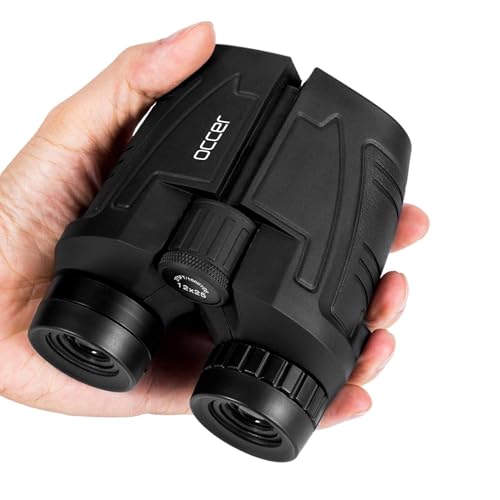
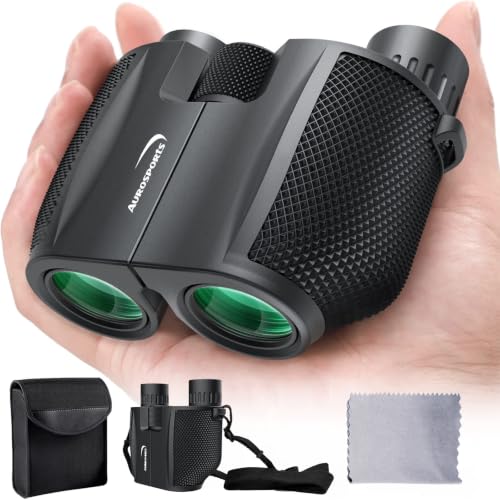
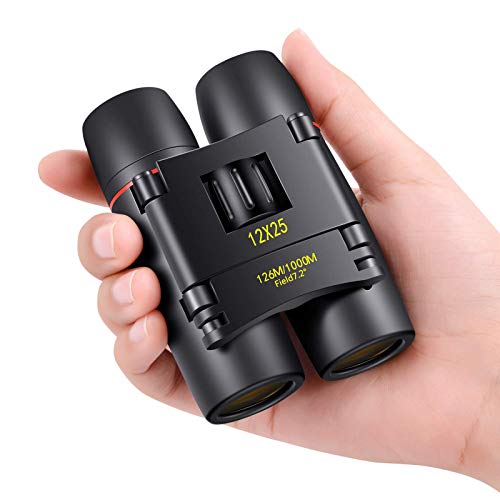
Entry pairs at this level are small, light, and simple, often 8x21 or 10x25 compacts with basic coated glass. They suit a fan who attends one or two games a season and sits fairly close to the field. Expect a narrower view and dimmer images late in night games. For occasional use, they still beat squinting at the far hash marks.
The Middle Rows: About $50 to $120
This band brings full size 8x42 and 10x42 models with multi coated lenses, sturdier focus wheels, and rubber armor that shrugs off small drops. The wider view makes it easier to follow a developing play without moving the glass. Most regular fans land here, because the jump in clarity over bargain pairs is obvious from the first series.
Front Row Glass: About $120 to $300
Higher spending buys better glass, wider fields of view, and housings sealed against rain and fog. Colors look truer, edges stay sharper, and the image holds up when the action moves to the far end zone. Season ticket holders and fans in the upper deck get the most from this tier, since distance exposes every weakness in cheap optics.
What Changes as the Price Climbs
Entry Glass and Its Honest Limits
Cheap binoculars cut costs in the prisms and coatings, so the picture looks slightly hazy next to better glass. Eye cups may be simple fold down rubber, and the focus wheel can feel loose. None of that ruins a sunny afternoon game, but it does limit night games and long sessions. Treat an entry pair as a trial to learn which size you like.
Middle Glass and the Value Zone
Mid priced pairs usually add phase coated prisms and fully multi coated lenses, which lift contrast and brightness together. You also get twist up eye cups, a center focus wheel with a firm feel, and a tripod socket you may never use but costs nothing to have. Build quality improves as well, with hinges that stay tight season after season.
Top Glass and What the Extra Money Buys
At the top, extra low dispersion glass reduces color fringing on white yard lines against green turf. Fields of view stretch wider, so a quarterback rolling out stays in frame longer. Sealed and nitrogen purged bodies resist internal fogging when you move from a warm concourse to cold night air. Warranty terms also tend to lengthen at this level.
Features Worth Paying For (and Ones to Skip)
Weather Sealing and Fog Resistance
Rain delays and cold evenings are part of football, so a waterproof and fogproof rating earns its keep. Look for O ring sealed bodies described as nitrogen purged, which keep moisture out of the optics. This feature appears from the middle tier upward and is worth choosing over gimmicks like built in compasses. A sealed pair also shrugs off spilled drinks better.
Glass Coatings and Image Clarity
Lens coatings, not megapixels or zoom claims, decide how bright and sharp the view looks. Fully multi coated lenses on all air to glass surfaces pass the most light, while cheaper pairs coat only some surfaces. From the stands, better coatings mean you can read jersey numbers in shadowed parts of the field. This is the single upgrade most worth funding.
Eye Relief, Focus Speed, and Carrying Comfort
Eyeglass wearers should look for eye relief of about 15 mm or more so the full view stays visible with glasses on. A large center focus wheel that turns smoothly with one finger helps you track a receiver downfield. Neck strap comfort matters too, since the pair rides on your chest for hours. Padded straps appear as bundled accessories in mid tiers.
Features That Matter for Football Games
Football rewards a wide field of view more than raw power, so 8x magnification with a view of about 330 feet at 1,000 yards suits most seats. Higher 10x power helps only in the far upper deck, and it magnifies hand shake as well. If you prefer a smaller pair for crowded rows, our guide to best small binoculars for football games covers compact options in detail.
Costs Beyond the Sticker Price
Plan on a few extras: a chest harness or padded strap at about $15 to $30, a hard case for travel at about $15 to $25, and lens cleaning supplies for a few dollars. A clear stadium approved bag may also be needed where bag policies apply. None of this is large, but a mid tier pair plus sensible accessories still costs less than jumping a full tier for features you may not notice. Keep the receipt and warranty card, since hinge and focus repairs are the claims owners actually file.
Binoculars for Football Games: Questions Answered
What magnification works best from the upper deck at a football game?
A 10x42 pair is the practical ceiling for upper deck seats, because it pulls the far sideline closer while staying hand holdable. Anything stronger turns normal hand movement into a swimming image that tires your eyes by the second half. If your seats vary by game, 8x42 is the safer all around choice, since it trades a little reach for a wider and steadier view.
Can binoculars be brought into a stadium on game day?
Most stadiums allow binoculars, but many require them to be carried loose or in a clear bag that meets the venue bag policy. The case itself is often the problem, since soft cases can count as prohibited bags. Check your stadium rules page before you go, and carry the pair on its strap through security to keep entry simple and quick.
Do binoculars help during night football games?
Yes, a full size pair with a 42 mm objective lens gathers enough light to stay useful under floodlights. Exit pupil is the number behind this: a 10x42 pair gives about 4.2 mm, which suits lit stadiums well. Small 25 mm compacts look noticeably dimmer after dark, so night game fans should favor the larger format even if it weighs a little more.
How steady do football binoculars need to be held?
Steadier than most new owners expect, because magnification multiplies every tremor along with the image. Brace your elbows on your knees or the seat arms, and hold the barrels rather than the ends. If you still see shake at 10x, step down to 8x rather than paying for image stabilization, which adds cost and weight that stadium use rarely justifies.
Are binoculars worth bringing to a high school football game?
Yes, and a modest pair is plenty, because high school fields put you much closer to the action than a pro stadium. An 8x32 or even a decent compact gives a clear view of line play from small bleachers. Our companion guide to best binoculars for watching football games walks through size choices for smaller venues. Whatever you bring, never point binoculars at the sun while you wait for kickoff.
Final Thoughts
Start with your seat: close seats favor 8x and a wide view, distant seats justify 10x and better glass. Spend first on coatings and sealing, and skip decorative extras that add nothing from the stands. The best binoculars for football games for most fans sit in the middle tier, where clarity, durability, and price balance out. Check the product table to compare the tiers against your budget before you order.

