
Best Binoculars for the Price for 2026: Which One Fits the Way You Use It?
Disclosure: We may earn a commission when you buy through links on this page, at no extra cost to you. As an Amazon Associate I earn from qualifying purchases. Learn more

Match size, magnification, and light gathering to your routine to choose the best binoculars for the price without paying for features you never use.
There is no single model that suits every routine, so the smartest way to shop is to match the optic to how you will actually use it. The best binoculars for the price for a traveler who packs light will look very different from the right pair for a nature watcher who spends long hours at dawn. This guide compares the features that matter, so you can check the product table and judge each type by your own routine rather than by price alone.
Price still matters, but it should follow use, not lead it. A compact pair that you carry every day often gives more value than a larger pair that stays at home. A brighter pair matters most in dim light, while a wide view matters most at games and events.





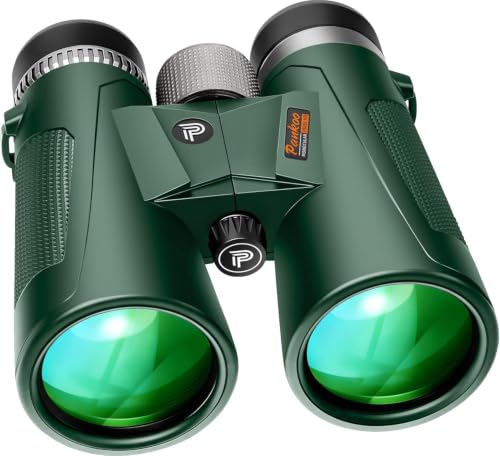
Who Should Buy the Best Binoculars for the Price?
Start with your main use, because it decides size, magnification, and brightness. The groups below cover the most common routines.
For Travelers and Day Trippers
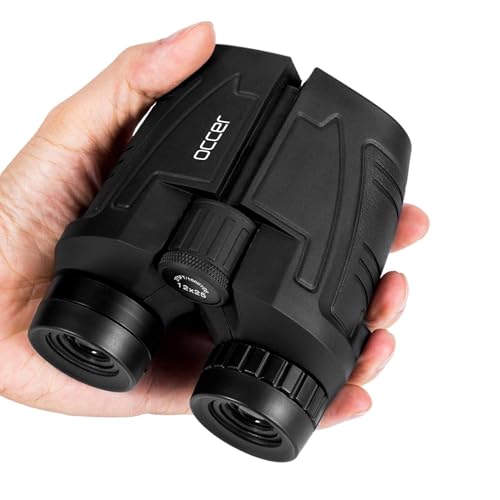
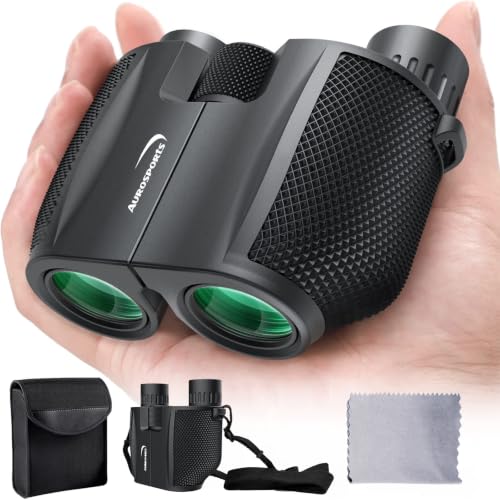
Travelers need a pair that fits in a jacket pocket or a small day bag, so compact models with 8x magnification and a 25 to 32 mm objective lens often work best. They are light enough to carry all day, quick to raise for a passing view, and steady enough for handheld use on a walk or a boat tour. Look for a folding bridge, a padded case, and a neck strap that does not dig in after hours of wear.
If you travel by air, check packed size and weight before you buy, because a pair that seems small at home can still crowd a carry on bag. A rain guard for the eyepieces and a simple lens cloth are more useful on the road than extra features you will never adjust. For a related look at smaller options, see our guide to best low price binoculars when you want a backup pair for a bag or a car.
For Nature Watchers and Birders
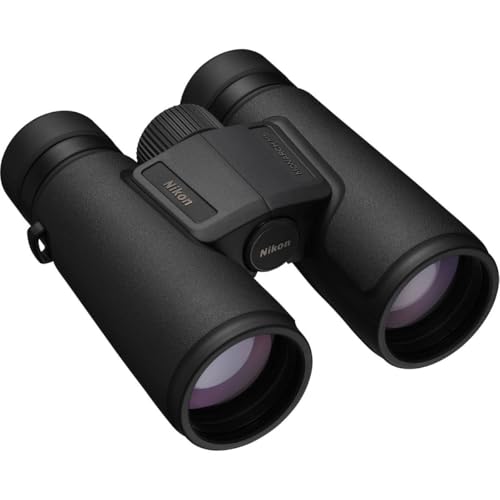
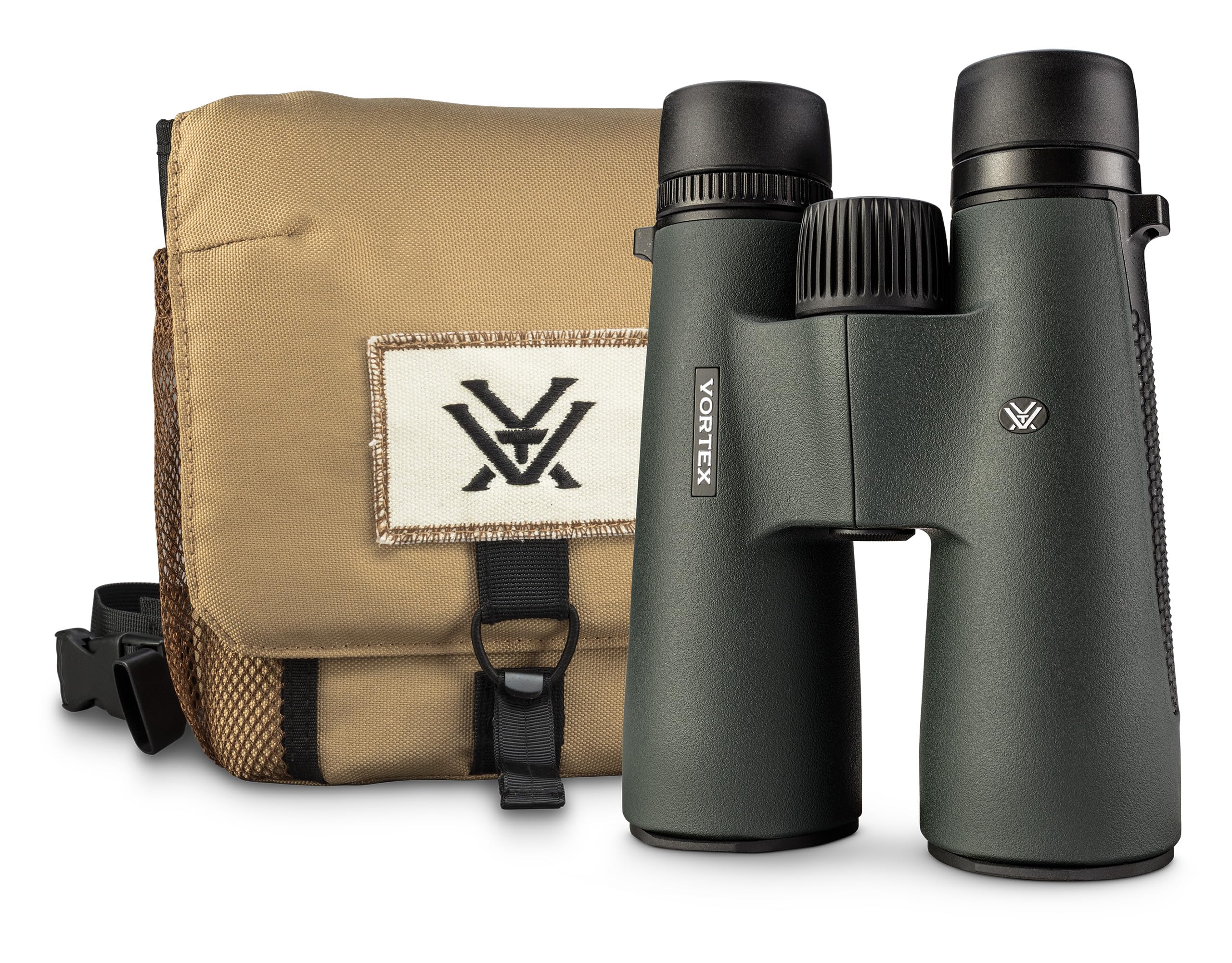
Nature watchers spend long periods scanning trees, shorelines, and open fields, so comfort and a steady, bright image matter more than raw power. A mid size pair with 8x magnification and a 42 mm objective lens gives a bright view in shade and at dawn, while keeping the image steady enough to follow a moving bird. A wide field of view helps you find the subject first, which is often more important than seeing it a little larger.
Eye relief matters if you wear glasses, so look for twist up eyecups that let you set the distance that suits you. Weather sealing also matters on trails, because fog inside the tubes can end a morning faster than any other fault. If birding is your main use, see our guide to best binoculars for birdwatching for factors that suit that routine in more detail.
For Sports Fans and Event Viewers
Sports fans and event viewers need a fast, wide view that follows action across a field or a stage. A pair with 8x or 10x magnification and a wide field helps you track play without constant searching, while a mid size body stays steady for a full game. A firm focus wheel that turns smoothly with one finger is a real advantage when the action moves quickly.
Weight still counts here, because a heavy pair tires your arms during a long match. Choose a model you can hold steady for several minutes at a time, and try the strap and grip in a shop if you can. For a broader look at well regarded options, see our guide to best rated binoculars and compare them by field of view rather than by price alone.
Key Features to Compare
Once you know your main use, compare the features below in order of importance for that use. A feature that transforms one routine may barely matter in another, so resist the urge to pay for every specification at once.
Power and Stabilized Models
Most binoculars need no battery at all, because they are purely optical instruments that gather light through glass. Battery power only enters the picture with stabilized models, which use a small motor to steady the image at higher magnification. Those models suit viewers who struggle to hold a pair steady, but they add weight, cost, and a battery to manage.
For most buyers, a steady 8x pair gives a clearer view than a shaky 12x pair, with no battery needed. If you choose a stabilized model, check battery type and whether it still works as a normal pair when the battery runs out.
Objective Lens Size and Light Gathering
The objective lens is the large front lens, and its diameter decides how much light reaches your eyes. A 42 mm lens gathers noticeably more light than a 25 mm lens, which shows up at dawn, at dusk, and in deep shade. That extra light also gives a larger exit pupil, the small circle of light that leaves the eyepiece, which makes the image easier to hold in view.
Larger lenses add size and weight, so the right choice depends on when you watch. Daytime travelers can accept a smaller lens, while early morning watchers gain real value from a larger one. Do not judge a lens by diameter alone, because coatings that reduce glare and improve contrast also affect brightness in a way that numbers cannot show.
Low Light Performance
Low light performance depends on objective size, exit pupil, and glass quality working together. A pair with 8x magnification and a 42 mm lens gives an exit pupil of about 5 mm, which suits most eyes in dim light. Higher magnification with the same lens size gives a smaller exit pupil, so the image can look darker even though the subject looks larger.
Twilight factor only hints at detail in dim light and says nothing about color or contrast. Judge low light value by a generous exit pupil, good coatings, and a magnification you can hold steady. If you mainly watch in daylight, save money here and spend it on a wider field or a lighter body instead.
Size, Weight, and Ergonomics
Size and weight decide whether a pair travels with you or stays behind, so treat them as viewing features, not as minor details. A compact pair under about 400 grams suits a pocket or a small bag, while a full size pair over about 700 grams suits a car, a hide, or a viewing point where you set it down often. Grip shape, bridge width, and eyecup adjustment matter just as much, because a pair that fits your hands stays steady longer.
Try the focus wheel and the diopter control, which adjusts for the difference between your two eyes. Both should move smoothly without slipping, and a comfortable strap helps on long days with a larger pair.
Features That Matter for The Price
The price question is really a value question: which features change your view enough to justify their cost for your routine? For most buyers, the best binoculars for the price are a mid size pair with fully coated lenses, a wide field, weather sealing, and a solid warranty. Those features affect every view you take, unlike a higher magnification that only helps in narrow cases.
Skip features that sound impressive but add little for your use, such as extreme magnification on a pair you cannot hold steady, or a rangefinder built into a pair meant for casual walks. See our guide to best mid price binoculars to compare what the middle of the market usually offers. Spend the saving on a good strap, a padded case, and a lens cloth, which protect the pair you already own.
Common Mistakes to Avoid When Buying Binoculars
- Judging by price alone, because the cheapest pair with high magnification often gives a dim, shaky view.
- Choosing too much magnification, because a 12x or larger image is hard to hold steady without a rest.
- Ignoring size and weight, because a pair that stays at home gives no value at all.
- Overlooking eye relief, because glasses wearers need enough distance to see the full field.
- Skipping the warranty check, because a short warranty can cost more than a slightly higher purchase price.
How to Make Your Pair of Binoculars Last Longer
Good care starts with the lenses. Use a lens cloth, not your shirt, because fabric can trap grit and scratch a coating over time. Blow loose dust off first, then wipe gently in a circle, and keep the lens caps on when the pair is in a bag. Carry a spare battery only if you own a stabilized model, and store batteries apart from the pair in damp weather.
Store the pair in a dry, padded bag, away from heat and direct sun, and never leave it on a car dashboard on a hot day. Check the strap, hinge, and eyecups now and then. With that routine, a well made pair can serve for many years, and the product table will help you compare care friendly designs before you buy.
Frequently Asked Questions
What features matter most in binoculars for the price?
The features that matter most are magnification you can hold steady, an objective lens that suits your light, and a field wide enough to find subjects quickly. Fully coated lenses, weather sealing, and comfortable eyecups also affect every view, so they deserve priority over extra magnification. A good warranty matters too, because it protects the value of a pair you plan to keep for years. Check the strap and case as well, since a pair that is awkward to carry will see less use no matter how good its glass is.
Which is better for low light, higher magnification or a larger lens?
A larger lens is usually better for low light, because it gathers more light and gives a larger exit pupil at the same magnification. Higher magnification with the same lens size shrinks the exit pupil, so the image can look darker and shakier at dawn or dusk. A pair with 8x magnification and a 42 mm lens is a strong starting point for dim conditions. Coatings and glass quality also play a part, so compare real world brightness rather than a single number when you can.
What specs matter most for beginners buying binoculars?
Beginners should focus on 8x magnification, a mid size body, a wide field of view, and generous eye relief. Those four points make the pair easy to aim, steady to hold, and comfortable for long sessions. A simple center focus wheel and a diopter that stays set will also help, because fiddly controls frustrate new users. Avoid very high magnification at first, since it narrows the view and magnifies every small hand movement.
Is a smartphone enough instead of binoculars?
A smartphone is enough for a quick photo or a short look at a nearby subject, but it cannot match a pair of binoculars for distant detail. Phone zoom crops the image and loses sharpness, while binoculars gather light optically and keep the view bright and detailed. Binoculars also work without a battery, a signal, or a screen that glares in sunlight. For casual snapshots, a phone is fine, but for watching wildlife or sport, dedicated optics are the better tool.
What does 8x42 or 10x42 mean on binoculars?
The first number is magnification, so 8x makes a subject look eight times closer than with the naked eye. The second number is the objective lens diameter in millimeters, so 42 means a 42 mm front lens that gathers light. An 8x42 pair gives a brighter, steadier view than a 10x42 pair, while the 10x42 pair shows a larger but narrower and slightly darker image. Divide the second number by the first to find the exit pupil, which hints at low light performance.
How much should I spend on my first pair of binoculars?
Most first time buyers do well in the middle of the market, at about $100 to $250, where coatings, sealing, and build quality improve sharply over the cheapest pairs. Below that range, you often trade brightness and durability for a low price, while above it you pay for refinements that beginners may not notice. Spend within that range on a pair that fits your main use, and keep some budget for a strap and a case. If you later take up a demanding use, you can upgrade with a clear idea of what you need.
Final Thoughts
Match the pair to your routine first, then let price follow. A compact pair suits travel, a bright mid size pair suits nature watching, and a wide, steady pair suits sport and events. In each case, prioritize steady magnification, suitable light gathering, and comfort over headline numbers.
Never look at the sun through binoculars, and follow local wildlife and trail rules when you watch outdoors. Check the product table once more, compare the options by your main use, and choose the best binoculars for the price that you will actually carry and enjoy.


