
Best Binoculars for Sailing in 2026: What Your Money Really Gets You
Disclosure: We may earn a commission when you buy through links on this page, at no extra cost to you. As an Amazon Associate I earn from qualifying purchases. Learn more

Compare the best binoculars for sailing by price tier, with plain guidance on the 7x50 format, waterproofing, floating straps and compass models.
A pair of marine binoculars can cost under $80 or well over $600, and the boxes rarely explain what the extra money changes. A short list of specs does most of the work on the water. Choosing the best binoculars for sailing means matching the format, the sealing and the build to how and where you sail. This guide is organized by price, so you can see exactly what each tier adds and what it leaves out.
The comparison table below lines up the main classes side by side with typical prices. After it, we walk through the three price tiers, the features that earn their cost on a moving deck, and the long term costs that most buyers forget to budget for.


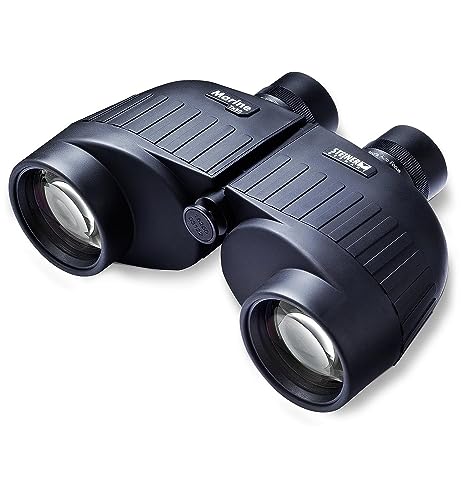


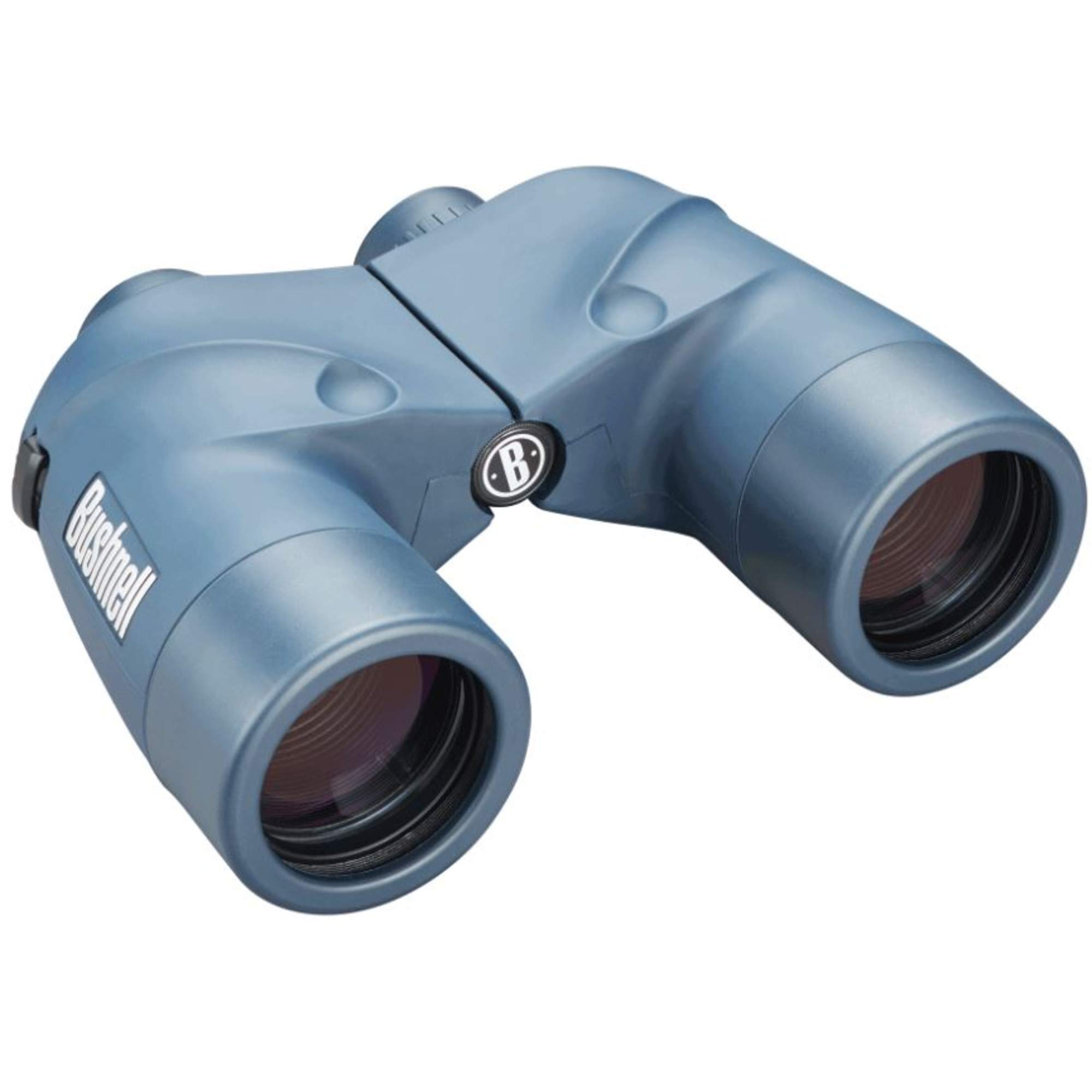

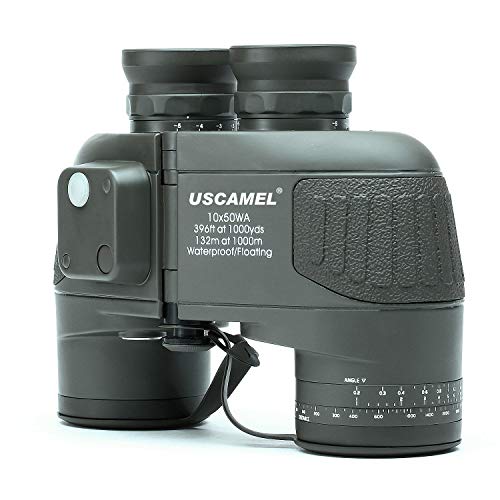
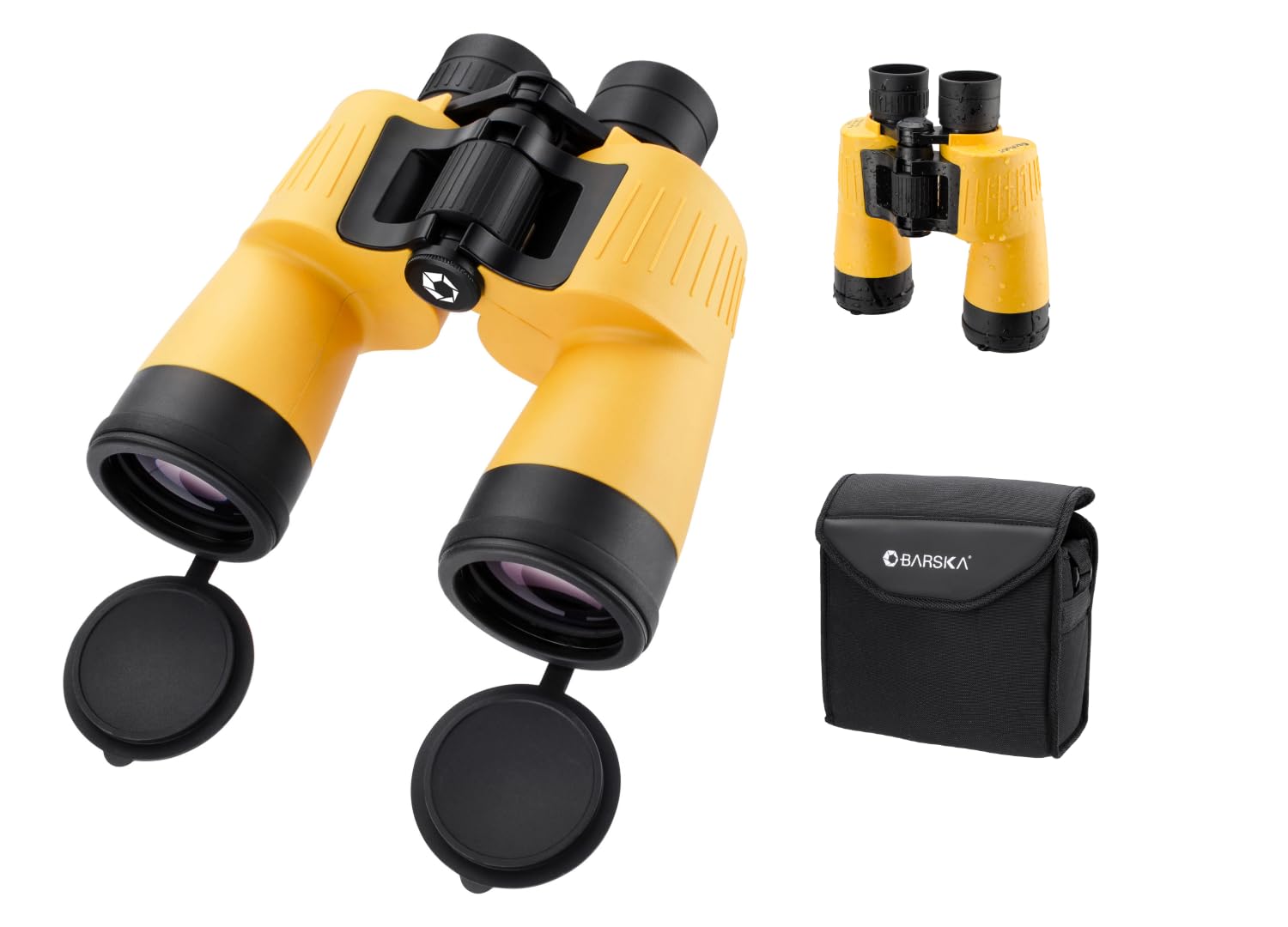
What Your Money Gets You at Each Price Tier
Price tiers in marine binoculars are really about glass quality, sealing and build. The format stays similar across the range, because the water demands the same things at every budget. What changes as you spend more is how clear, bright and tough the pair is, and how long it survives salt air.
Budget Tier: Sealed Basics for About $70 to $150
Budget marine binoculars are usually 7x50 porro prism models with basic waterproof sealing and simple lens coatings. They give a bright, wide view that works well for picking out channel markers and watching traffic in daylight. The trade offs are weight, softer edges in the image and coatings that lose contrast when you look toward the sun. This tier suits occasional sailors and anyone who wants a spare pair in the cockpit, but read the sealing claim carefully because spray finds weak seals.
Midrange Tier: Better Glass and True Fog Proofing
Midrange pairs, about $150 to $350, add full multi coating on the lenses, nitrogen filling that keeps the inside from fogging, and lighter, tougher housings. The view gains real contrast, which matters when you read a distant buoy number against a bright sky. Many models at this level add a floating strap and rubber armor that grips with wet hands. For most coastal cruisers and club racers, this is the tier where spending more stops buying raw spotting power and starts buying comfort on long watches instead.
Premium Tier: Top Coatings, Compass and Armor
Premium marine binoculars, about $350 to $700 and above, refine everything at once. The best glass and coatings squeeze out the last bit of brightness at dawn and dusk, and the housings shrug off drops on deck. This is also where built in compasses and range reticles appear, along with individual eyepiece focus that stays set once you dial it in. Offshore sailors and navigators who take bearings by eye get the most from this tier, while daysailors rarely need it, because the midrange view already covers harbor work.
Features Worth Paying For (and Ones to Skip)
Across every tier, three features decide how a pair performs on the water, and they are worth more than any headline spec. A fourth choice, sharing one pair between boat and shore, shapes which format you should pick. Here is how to judge each one.
Start With the 7x50 Format and Its Exit Pupil
Stated plainly, the 7x50 format is the marine standard, and it earns that place because seven power magnification keeps the image steady when the deck rolls under you, while the 50 mm objective lenses gather generous light. Divide the objective size by the magnification and you get the exit pupil, about 7.1 mm on a 7x50, which is the width of the light beam reaching your eye. That wide beam stays bright at dusk and stays forgiving when the boat moves, because your eye does not have to sit in one exact spot. A 10x50 shows a little more detail in calm water but shakes more and dims the view.
Waterproofing and a Floating Strap Decide the Drop Test
Every sailing binocular should be sealed against water, and the honest rating to look for is full waterproofing with nitrogen filling, not vague splash resistance. Sealing keeps spray and rain out, and the dry gas inside stops internal fog when you step from a cool cabin into warm air. The second half of the story is what happens when the pair goes over the side. A floating strap, or a housing buoyant enough to float on its own, turns a lost pair into a recoverable one, but only if the strap is fitted and adjusted before you leave the dock.
A Built In Compass Is a Bearing Tool
A built in compass overlays a bearing scale on the view, so you can read the direction of a mark, a headland or another vessel without putting the binoculars down. Navigators use those bearings to plot a position and to check whether a crossing boat holds a steady course toward them. Good marine compasses are damped, so the reading settles instead of swinging, and some add a light for night use. If you race or navigate by chart, the compass is worth paying for, and if you sail one familiar bay, it is money you can keep.
One Pair for the Boat and the Shore
Many sailors want one pair to cover harbor work and trips ashore. A 7x50 is large for a hiking pack, yet it serves well for watching wildlife from an anchorage. Readers who spend more time on land often compare guides to the best binoculars for birdwatching and notice the favored 8x42 format, which is handier ashore but dimmer on the water at dusk, and roundups filed under best binoculars birding reward light weight over sealing for the same reason. Pick the format for the place you use it most, because the water is far less forgiving of a fragile pair.
Features You Can Safely Skip
Skip magnification above 10x, because shake on a small boat erases the extra detail it promises. Skip zoom models, which lose brightness and sealing to their moving parts. Be wary of compact pairs as your main glass, because they crowd the lists of best rated compact binoculars while a 25 or 30 mm objective gathers too little light for a gray dawn. Electronic extras such as cameras add cost and failure points on the water, so spend on glass, sealing and grip instead.
Long Term Costs to Factor In
The purchase price is only part of the bill. Budget for a floating strap if one is not included, a dry storage case, lens cleaning supplies and, on long cruises, a second basic pair for guests. Seals and armor age in salt air, so a model with a long warranty and a real service network can cost less over ten years than a cheap pair replaced twice.
FAQs About Sailing Binoculars
What magnification is best for binoculars on a sailboat?
Seven power is the best choice for most sailboats, because it keeps the image steady on a moving deck. A larger, heavier boat with a sheltered cockpit can sometimes handle 10x for reading distant marks. Before you pay for more power, try holding the pair with one hand while braced against the cabin top. If the image swims in that test, drop back a power, because no coating upgrade can fix a view you cannot hold still.
Do sailing binoculars really need to float?
No, flotation is insurance rather than a requirement, and a sealed pair sinks without it. A floating strap only helps if it is worn, adjusted and brightly colored enough to spot in chop, and only in water calm enough for a safe recovery. Never send a crew member reaching far over the side or turn the boat into traffic for the sake of gear. Treat flotation as a cheap backup plan, and keep a firm grip and a neck strap as the main one.
How do I take a bearing with a compass binocular?
Center the object in the view and read the number on the compass scale where it sits, keeping the binoculars level as you read. A tilted pair drags the compass card and shifts the reading, so brace your elbows and roll with the boat instead of fighting it. Practice first on marks whose bearings you already know from the chart. That habit teaches you how far your readings drift, which matters more than the last degree of compass precision.
Can I use sailing binoculars for stargazing at anchor?
Yes, a 7x50 is a fine astronomy glass, and many sailors use the same pair both ways. The wide exit pupil that helps at dusk also suits dark skies, and the low power keeps star fields steady without a mount. A reclined deck chair steadies the view far better than standing at the rail. Wipe the lenses dry before you start, because evening dew settles fast on cool glass and softens every star.
How should I clean salt spray off binocular lenses?
Rinse the lenses gently with fresh water before you wipe anything, because dried salt crystals scratch coatings when they drag across glass. Shake off the rinse water, then blot and polish with a clean microfiber cloth in small circles. Store the pair in its case with a fresh pack of silica gel, which pulls moisture from the air inside. In a humid cabin, that small habit is the difference between clear glass and a mildew spotted lens a season later.
The Bottom Line
Match the tier to your sailing: budget glass for a spare, midrange for most cruising, and premium when you navigate by eye. Whatever you spend, insist on the 7x50 format, honest waterproofing and a floating strap. Check the product table above to compare the current classes side by side, and choose the best binoculars for sailing your budget reaches without giving up the sealing.


