
Best Binoculars for Safari Viewing in 2026: Every Type Explained Side by Side
Disclosure: We may earn a commission when you buy through links on this page, at no extra cost to you. As an Amazon Associate I earn from qualifying purchases. Learn more

Compare the best binoculars for safari viewing by type, with pros and cons, ideal users and price range, and choose the right style for your trip.
On safari, animals rarely wait while you sort out confusing specs. A lion may rest in shade and a bird may leave a branch in seconds. The best binoculars for safari viewing give you a bright, steady view fast, and the comparison table below helps you match a type to your trip.
Start with how you will travel. Vehicle viewing, walking with a guide, and bird watching on foot place different demands on size, weight, and magnification. The sections below compare types first, then explain the features that matter in heat, dust, and changing light.

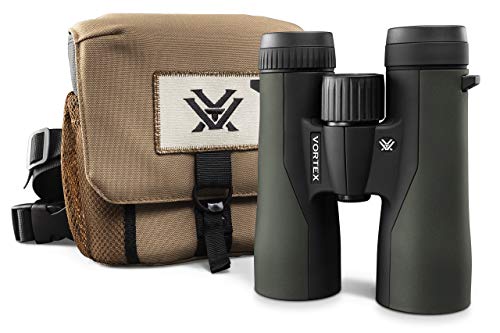


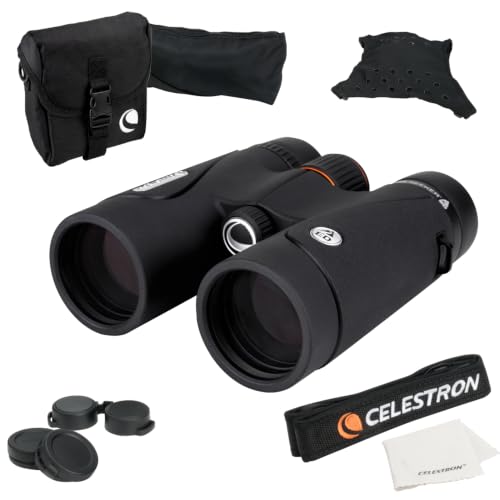
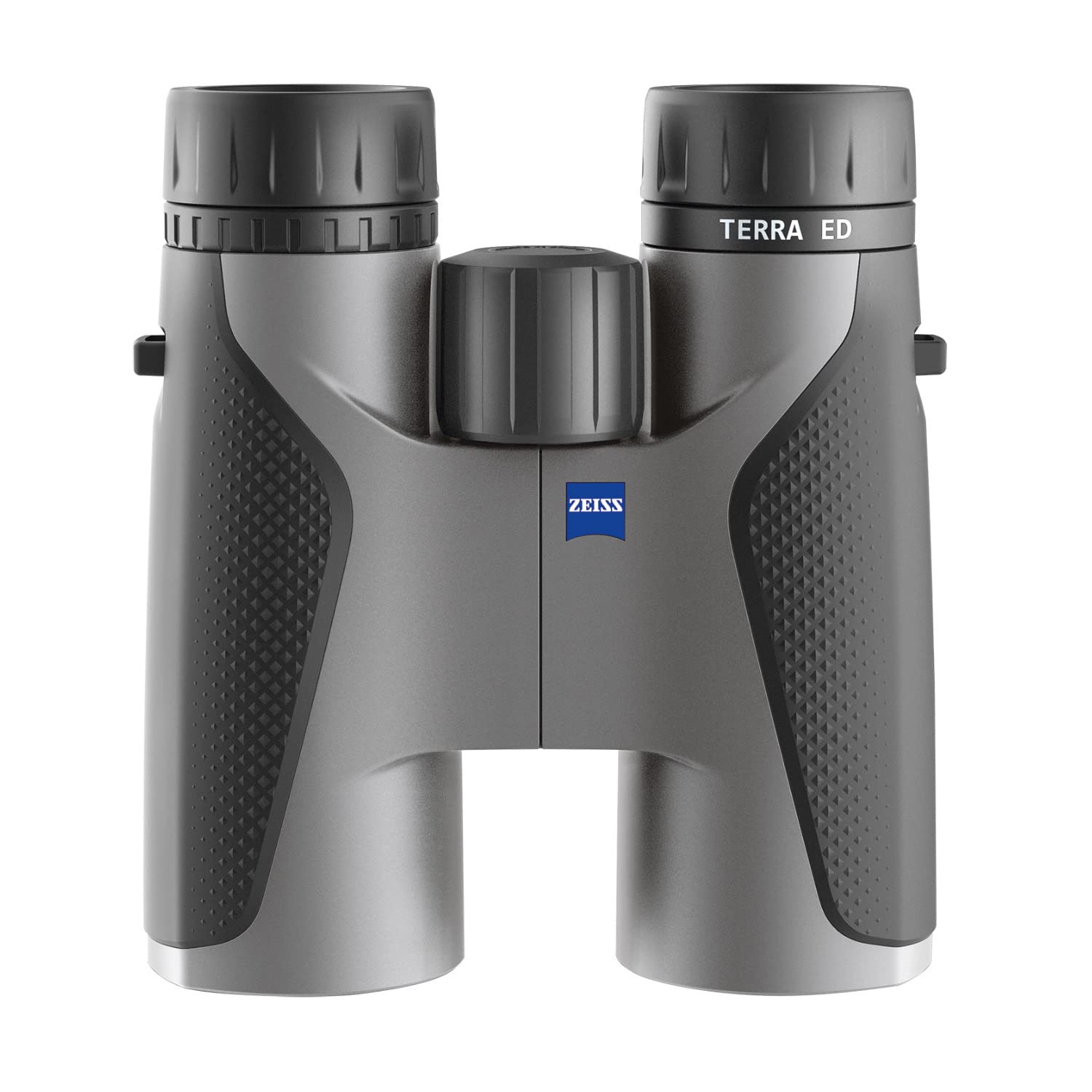
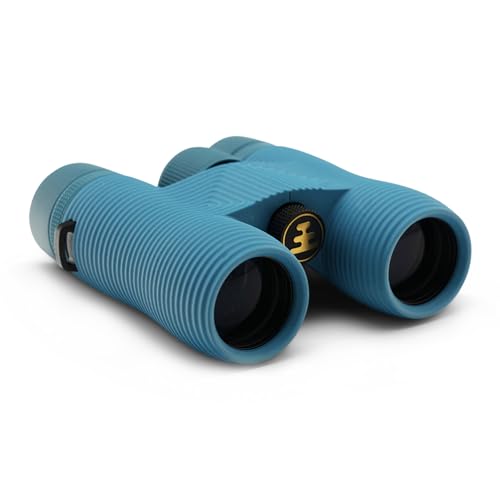


Who Should Buy Binoculars for Safari Viewing?
Your daily safari pattern should decide the size and power you carry. Choose for the longest session you expect, not for one short stop.
Guests on Vehicle Game Drives
You view from a seat, often over long distances, and you can rest your elbows on a rail. A full size pair suits you because weight matters less in the vehicle and the larger lens keeps shaded animals easier to see.
Travelers on Guided Walking Safaris
You carry your binoculars for hours, with water and a camera also competing for space. A mid size or compact pair suits you because a lighter load leaves you fresher for the walk. Choose a pair you can raise with one hand while your other hand steadies you on uneven ground.
Bird Watchers on Safari
You need to find a moving bird in branches, follow it quickly, and notice fine color before it flies. A wide field of view and a short close focus distance suit you at woodland edges and near waterholes. If birds are your main goal, see our guide to the best binoculars for viewing wildlife for a closer look at that use.
Types of Binoculars Compared
When you compare the best binoculars for safari viewing by type first, the trade offs become simple. Each type below balances brightness, size, and price in a different way.
Full Size Roof Prism Binoculars for Safari Viewing
Roof prism binoculars have straight barrels and a slim shape that packs neatly beside a camera. In full size form, often 8x42 or 10x42, they give a bright view at dawn and feel balanced during long scans. They cost more than simple porro models, often about $150 to $500, but their sealed build suits dusty roads well.
Mid Size and Compact Binoculars for Safari Travel
Mid size models such as 8x32 and compact models such as 8x25 trade some low light brightness for a lighter carry. They fit in a jacket pocket and feel less tiring on walking days. Their smaller lens gathers less light, so shaded views look dimmer early and late in the day. If pack space is tight, see our guide to the best small binoculars for safari before you decide.
Porro Prism Binoculars for Safari Viewing
Porro prism binoculars have an offset barrel shape that often gives a strong sense of depth and a wide view for the price. They cost less than roof prism models, often about $80 to $250, and suit a lodge based trip where bulk matters less. They are wider and harder to pack, and many lower priced models seal less well against dust and rain.
Key Features to Compare
Compare these features in order, because the first ones decide what you can see and the rest decide how comfortable that view stays.
Magnification and Objective Lens Size for Safari Binoculars
Magnification tells you how much closer an animal appears, while the second number gives the objective lens diameter in millimeters. An 8x42 pair makes a subject look eight times closer and feels steadier in your hands. A 10x42 pair shows more detail at long range, but it magnifies hand shake and narrows the view. For most safari use, 8x42 suits mixed distances and walking, while 10x42 suits open plains.
Field of View and Close Focus for Safari Binoculars
Field of view is the width you can see at a set distance, and a wider field makes it faster to locate an animal after your guide points toward a tree. Close focus tells you the shortest distance that still forms a sharp image, which matters for butterflies, lizards, and birds near a lodge. A close focus of about 6 to 8 feet gives you that near detail.
Glass Quality and Brightness for Safari Viewing
Brightness depends on lens size, glass quality, and coatings that help light pass through the binoculars. Better coatings make colors look more natural in harsh sun and keep contrast in shade, where many animals rest. Judge brightness by exit pupil as well, found by dividing lens size by magnification, so 8x42 gives about 5.3 mm.
Eye Relief and Focus Wheel Handling on Safari
Eye relief is the distance your eyes can sit from the eyepieces while you still see the full view, and glasses wearers usually need about 16 mm or more. Twist up eyecups let you set that distance quickly when you switch between sunglasses and bare eyes. The center focus wheel should turn smoothly with one finger, because you often refocus as an animal moves between shade and open ground.
Weatherproof Build, Armor, and Weight for Safari Binoculars
Safari dust is fine, roads are rough, and a sudden shower can arrive during a drive. Look for a waterproof and fogproof body, often described as nitrogen purged, plus rubber armor that helps your grip and softens knocks against a vehicle rail. Weight matters with time, because a full size pair often weighs about 24 to 30 ounces and can pull on your neck after an hour.
Choosing Between 8x42 and 10x42 for a Safari
In open country where herds graze far away, 10x42 can reveal stripes, horns, and facial marks that 8x42 shows less clearly. In woodland, at waterholes, and on foot, 8x42 usually wins because the wider, steadier view helps you find the animal first.
Try this test before you buy. Notice how much hand shake you have after a short walk. If shake is obvious, choose 8x42, because extra power will not help a view that will not settle. For regional advice on heat and dust, see our guide to the best binoculars for african safari, and for a broader shortlist see our guide to the best safari binoculars.
Common Mistakes to Avoid
- Choosing 12x or higher magnification for safari viewing worsens hand shake and makes distant animals harder to find.
- Buying a very small objective lens for dawn drives gives a dim view just when many animals are most active.
- Ignoring eye relief if you wear glasses cuts off the edges of the view and makes long viewing tiring.
- Skipping a waterproof and fogproof rating lets dust and sudden rain damage a pair that must work outdoors daily.
- Packing binoculars loose in a main bag lets hard items scratch lenses and knock the barrels out of alignment.
- Waiting until the first game drive to learn the focus wheel wastes viewing time while animals move on.
Care and Maintenance Tips for Safari Binoculars
Use a soft lens cloth, not your shirt, because shirt fabric can hold grit that scratches a lens coating. Blow loose dust away first, then wipe gently in a small circle.
After a wet or dusty day, let the binoculars dry in shade before you pack them away. Store them in a dry, padded bag away from direct heat, such as a closed vehicle left in the sun. Check the strap, hinges, and eyecups before each outing, and stop using a pair that shows a double image, because that sign points to misalignment needing professional repair.
FAQ
What features matter most in binoculars for safari viewing?
A steady magnification, a bright objective lens, and a wide field of view matter most in binoculars for safari viewing. One point many buyers miss is strap comfort, because a harness style strap can spread weight across your shoulders during a full day of stops.
What does 8x42 or 10x42 mean in safari binoculars?
In safari binoculars, the first number is magnification and the second is the objective lens size in millimeters. An animal 80 yards away viewed through an 8x pair looks as if it stood about 10 yards away, which gives you a sense of scale. Check the numbers printed near the focus wheel before you travel, because borrowed pairs often differ from the size you practiced with.
What specs matter most for beginners choosing safari binoculars?
Beginners choosing safari binoculars should favor forgiving specs, meaning 8x magnification, a 42 mm lens, and a focus wheel that feels easy to turn. These choices reduce shake and make finding animals simpler while you learn. Practice on signs and trees near home first, because smooth focusing is a skill that improves fast. A simple pair you understand beats a complex pair left in its case.
How much should you spend on your first pair of binoculars for safari viewing?
You should expect to spend about $100 to $250 for a solid first pair of binoculars for safari viewing. Below that range, brightness and sealing often drop in ways you will notice at dawn. Above that range, you mainly pay for clearer edges, better coatings, and a smoother focus feel. For a once in a lifetime trip, spending toward the top of that range beats buying twice.
Which safari binoculars are better for low light viewing at dawn?
Safari binoculars with a larger exit pupil, such as 8x42, are better for low light viewing at dawn than a higher power pair of the same lens size. The larger exit pupil sends a broader beam of light to your eye as day breaks. Arrive at your first stop early and let your eyes adjust, because good optics cannot offset eyes still adapted to bright lodge lighting.
Final Thoughts
Choose the type that fits your travel style first, then check magnification, lens size, field of view, and sealing in that order. Vehicle guests can enjoy full size brightness, walking travelers gain from a lighter carry, and bird watchers gain from a wide view. Use the product table above to confirm size, weight, and price before you order.
When you judge the best binoculars for safari viewing by how fast and how comfortably they bring a distant animal into clear view, the right pair becomes much easier to spot.


