
Best Binoculars for National Parks: A Buyer Checklist for 2026
Disclosure: We may earn a commission when you buy through links on this page, at no extra cost to you. As an Amazon Associate I earn from qualifying purchases. Learn more

Choose the best binoculars for national parks with a checklist on magnification, lens size, field of view, weather sealing and weight for long park days.
National parks ask a lot from one pair of binoculars. In a single day you might scan a wide valley for elk, follow a hawk across a canyon rim, and read detail on a cliff face in fading light. This guide gives you a clear checklist for choosing the best binoculars for national parks, so you can judge any model by the specs that actually change what you see on the trail.
Work through the criteria below in order, note the numbers that fit your trips, and then compare your shortlist against the comparison table below. A model that passes every item on your personal checklist will serve you better than one chosen on magnification alone.


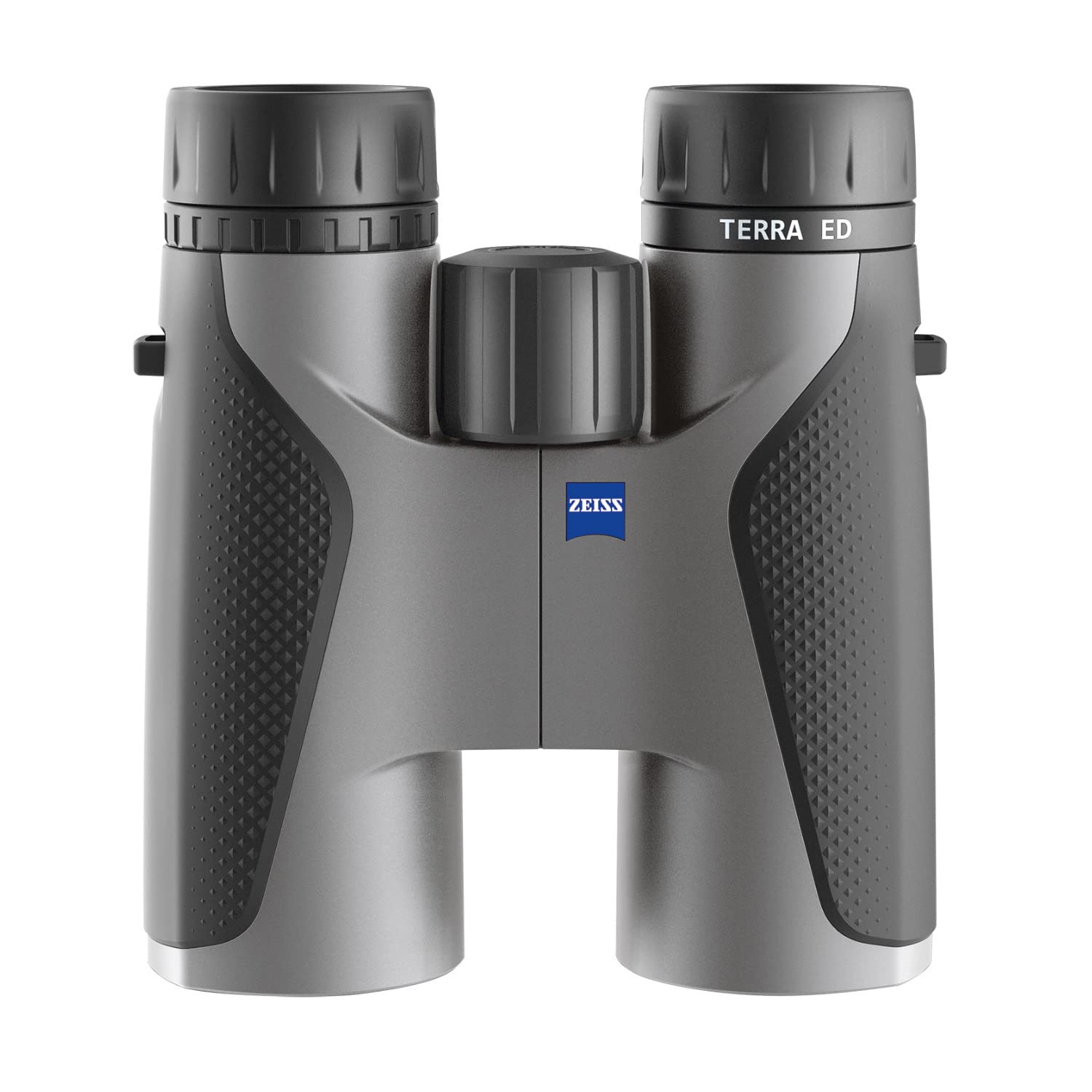

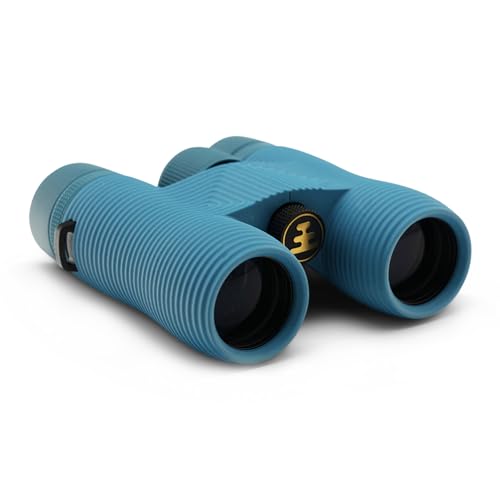
Key Features to Compare Before You Buy
Start with the six criteria in this section and treat them as pass or fail checks rather than nice extras. If you also want a broader view of the market beyond park trips, see our guide to the best rated binoculars for general use rankings, then come back and apply the stricter park focused checks below.
Magnification and Objective Lens Size
Binoculars are described by two numbers, such as 8x42 or 10x42. The first number is magnification, or how much closer a subject appears. The second is the diameter of the front objective lens in millimeters, and a larger lens gathers more light for a brighter image. For most park visitors, 8x42 is the balanced choice because it is easier to hold steady and shows a wider scene. Choose 10x42 when you mostly watch distant wildlife across open ground and can brace your elbows on a railing, a pack, or your knees.
Field of View and Close Focus
Field of view describes how wide a scene you can see at a set distance, usually listed in feet at 1,000 yards. A wider field helps you find a moving animal and keep it in frame while it walks, feeds, or flies. Numbers around 330 feet or more at 1,000 yards feel generous for scanning meadows and shorelines. Close focus is the nearest distance that still gives a sharp image, and a figure under about 8 feet lets you study butterflies, wildflowers, and lizards near the trail instead of backing away from them.
Eye Relief and Comfort With Eyeglasses
Eye relief is the distance your eye can sit from the rear lens while still seeing the full image, and it matters most if you wear glasses or sunglasses. Look for at least 15 mm, and more is better if your frames sit far from your eyes. Twist up eyecups let you set that distance in seconds, so test both positions before a trip. Comfort also includes a focus wheel that turns smoothly with one finger, since stiff wheels make it hard to follow birds or boats in motion.
Durability and Weather Sealing
Park weather changes fast, and a clear morning can turn into rain, dust, or waterfall mist by noon. Choose binoculars listed as waterproof, since sealed bodies keep rain and splashes out during a shower at a viewpoint. Fogproof models are filled with dry nitrogen or a similar gas, which stops the inner lenses from fogging when you step from a cold car into warm air. A rubber armor coating adds grip with gloves and protects the body from the small knocks that happen around rocks, tailgates, and crowded overlooks.
Weight, Size, and Carrying Comfort
A full size pair around 8x42 often weighs about 22 to 28 ounces, which most adults can carry all day on a good strap or chest harness. Compact models near 8x25 or 10x25 weigh far less and fit in a jacket pocket, but their small lenses give a dimmer view at dawn and dusk. Think honestly about your longest planned hike. If you regularly walk more than five miles with a pack, a mid size 8x32 can be a smart middle ground that keeps brightness acceptable while cutting noticeable weight from your neck.
Lens Coatings and Low Light Clarity
Glass coatings reduce glare and pass more light through to your eyes, and makers describe them with terms such as coated, fully coated, multicoated, and fully multicoated. Fully multicoated glass is the level to aim for on a primary park pair, because wildlife is most active in the softer light of early morning and evening. Some premium models add image stabilization, which steadies the view at higher magnification, though it adds cost, weight, and batteries. For most visitors, steady hands and 8x magnification deliver clearer results than extra power they cannot hold still.
Matching the Checklist to Your Park Plans
The same checklist leads to different answers depending on where you go and what you hope to see. Use the groups below to decide which criteria deserve the most weight for your trips.
Wide Valleys, Lakes, and Mountain Views
If your park days center on big scenery, prioritize field of view and comfortable eye relief over raw power. An 8x42 pair lets you sweep a whole meadow or lakeshore without losing track of where you started, and it stays steadier during long scans from a windy rim. Travelers planning a trip focused on geysers and big herds can also read our guide to the best binoculars for Yellowstone National Park, which applies these same criteria to that park in detail.
Wildlife Watching at a Distance
Grizzly bears, wolves, and nesting eagles are usually viewed from far away, often under strict distance rules set by rangers. Here 10x42 earns its place, since the extra magnification brings facial detail and behavior into view without approaching the animal. Support matters as much as power, so rest the binoculars on a trekking pole, a fence rail, or a car window mount when you can. Birders scanning flocks between wildlife stops may also enjoy our guide to the best binoculars for birdwatching, which leans harder into close focus and fast focus wheels.
Light Packs and Long Hikes
When every ounce counts on a climb to a fire lookout or a long loop trail, a compact or mid size pair you actually carry beats a heavy pair left at the lodge. Look at 8x32 models first, since they keep a reasonably bright image while trimming size and weight. Check that the strap or harness works with your pack straps, because a neck strap under a loaded hip belt and shoulder straps quickly becomes a sore spot. Whatever size you choose, pick the pair you will still be carrying at mile eight.
Quick Buyer Checklist
Before you order, answer each question below. A yes on every line means the model fits park use; a no tells you exactly which spec to reconsider.
- Is the magnification 8x or 10x, matched to how steady your hands are and how distant your subjects sit?
- Is the objective lens at least 32 mm for hiking pairs or 42 mm for your main viewing pair?
- Does the field of view reach about 330 feet at 1,000 yards or more for easy scanning?
- Is eye relief at least 15 mm if you wear glasses or plan to view with sunglasses on?
- Is the body listed as both waterproof and fogproof for rain, mist, and temperature swings?
- Can you carry the weight comfortably for your longest planned walk with your usual pack?
- Does the close focus distance of about 8 feet or less let you view insects and flowers near the trail?
Red Flags to Watch For
Some listings look impressive until you read them closely. Watch for these warning signs before you spend money.
- Extreme magnification claims such as 20x or 30x on a small handheld pair, since the view will shake too much to use without a tripod.
- Vague glass descriptions with no mention of coatings, which usually means a dim image in shade and at dusk.
- No statement about waterproofing or fogproofing, which leaves the optics open to rain damage and internal fog.
- Zoom binoculars sold on a wide magnification range, since zoom designs often give a narrow field and softer detail than fixed power models.
- Very short warranties or unclear return terms, which suggest the maker does not expect the focus wheel and hinges to last.
Comparing your shortlist against the product table above makes these gaps easy to spot, because the key specs sit side by side. If a listing hides its field of view or eye relief numbers, treat that silence as a red flag of its own and move on to a model that publishes full specifications.
Setup and Care Tips for Binoculars
Set up your pair once at home and it will feel natural at every viewpoint. First, adjust the hinge until the two circular views merge into one clean image with no dark edges. Next, set the diopter ring, usually on the right barrel, by focusing on a distant sign with one eye closed, then the other, until both eyes see equal sharpness. Mark or note that setting, because it rarely needs changing afterward.
Care is simple but specific to optics. Clean lenses only with a soft lens cloth or lens pen, never a shirt sleeve, since grit on fabric can scratch coatings. Blow loose dust off first, keep the lens caps on between stops, and store the binoculars in a padded case in a dry place at home. If the pair gets soaked, let it air dry fully before casing it. Check the strap and hinge tension before each trip, and if you also follow nesting birds at dawn, our guide to best binoculars birding covers early light habits that pair well with these routines.
Frequently Asked Questions
What features matter most in binoculars for national parks?
Weather sealing, a wide field of view, and comfortable eye relief matter most in binoculars for national parks. Sealed and fogproof bodies handle rain and temperature swings, a wide field helps you track moving wildlife, and generous eye relief keeps the full image visible with sunglasses on. Magnification gets the attention, but these three traits decide how much you enjoy a full day of viewing.
What specs should beginners look for in binoculars for national parks?
Beginners should start with 8x42 binoculars for national parks, fully multicoated glass, and a focus wheel that turns smoothly with one finger. The 8x power is forgiving for new hands, and the 42 mm lenses stay bright in shade. One beginner friendly bonus is a wide neck strap or harness included in the box, since comfort decides whether the pair leaves your pack.
How much should you spend on binoculars for national parks?
Plan on about $100 to $250 for a capable first pair of binoculars for national parks. Below that range, coatings and sealing are often weak, while spending more brings clearer glass and sturdier hinges. Spending more mainly refines edge sharpness and low light brightness, so buy the level that matches how many park trips you realistically take each year.
What does 8x42 or 10x42 mean on binoculars?
On binoculars, 8x42 means the image appears eight times closer and the front lenses measure 42 mm across. The 10x42 version brings subjects closer but shows a narrower slice of the scene and magnifies hand movement more. A helpful way to picture it is that 8x suits scanning a whole valley, while 10x suits studying one animal inside that valley.
Which binoculars work better in low light at dawn and dusk?
Binoculars with larger objective lenses and fully multicoated glass work better in low light, so a 42 mm pair outperforms a 25 mm compact as light fades. An 8x42 also holds a slight brightness edge over a 10x42 with the same lens size, because lower magnification spreads the gathered light over a smaller image. Arriving at a viewpoint a few minutes before sunrise gives any pair its best chance.
Is a smartphone enough instead of binoculars in a national park?
A smartphone is not enough instead of binoculars in a national park, because phone zoom crops and softens the image just when detail matters most. Binoculars show a steady, bright, true view with both eyes, which is safer and more pleasant during long wildlife watches. Keep the phone for photos and park maps, and let the binoculars do the viewing work they are built for.
Final Thoughts
Judge every candidate against the same short list: sensible magnification, an objective lens of 32 mm or more, a wide field of view, real weather sealing, and weight you can carry all day. The product table above lets you compare those numbers quickly before you decide. Choose the best binoculars for national parks for the trips you truly take, and they will earn their space in your pack season after season.


