
Best Binoculars for Indoor Concerts for 2026: What Actually Matters Before You Buy
Disclosure: We may earn a commission when you buy through links on this page, at no extra cost to you. As an Amazon Associate I earn from qualifying purchases. Learn more

Use this checklist to choose binoculars for indoor concerts, covering magnification, lens size, brightness in dim halls, focus, comfort, and fair value.
An indoor concert asks more of binoculars than a bright afternoon outdoors. The hall is dim, stage lights keep changing, and your seat stays fixed all evening. Choosing the best binoculars for indoor concerts means matching magnification, brightness, and comfort to that setting, and the comparison table below lets you check those points side by side.
This guide uses a simple checklist instead of scores, so you can see which specs suit a balcony and which suit a floor seat. Readers in larger venues can see our guide to the best binoculars for concerts.


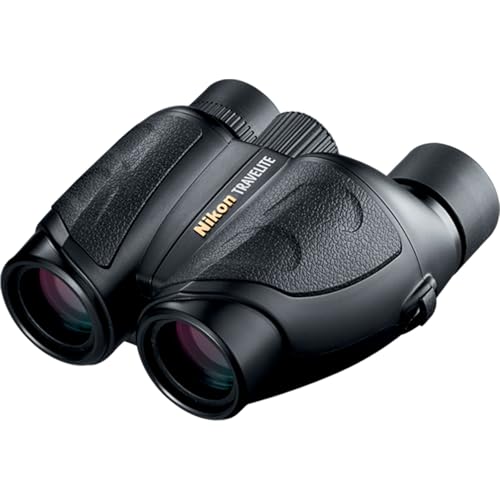

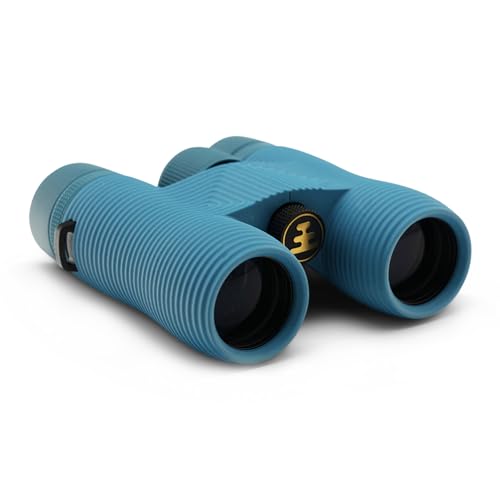

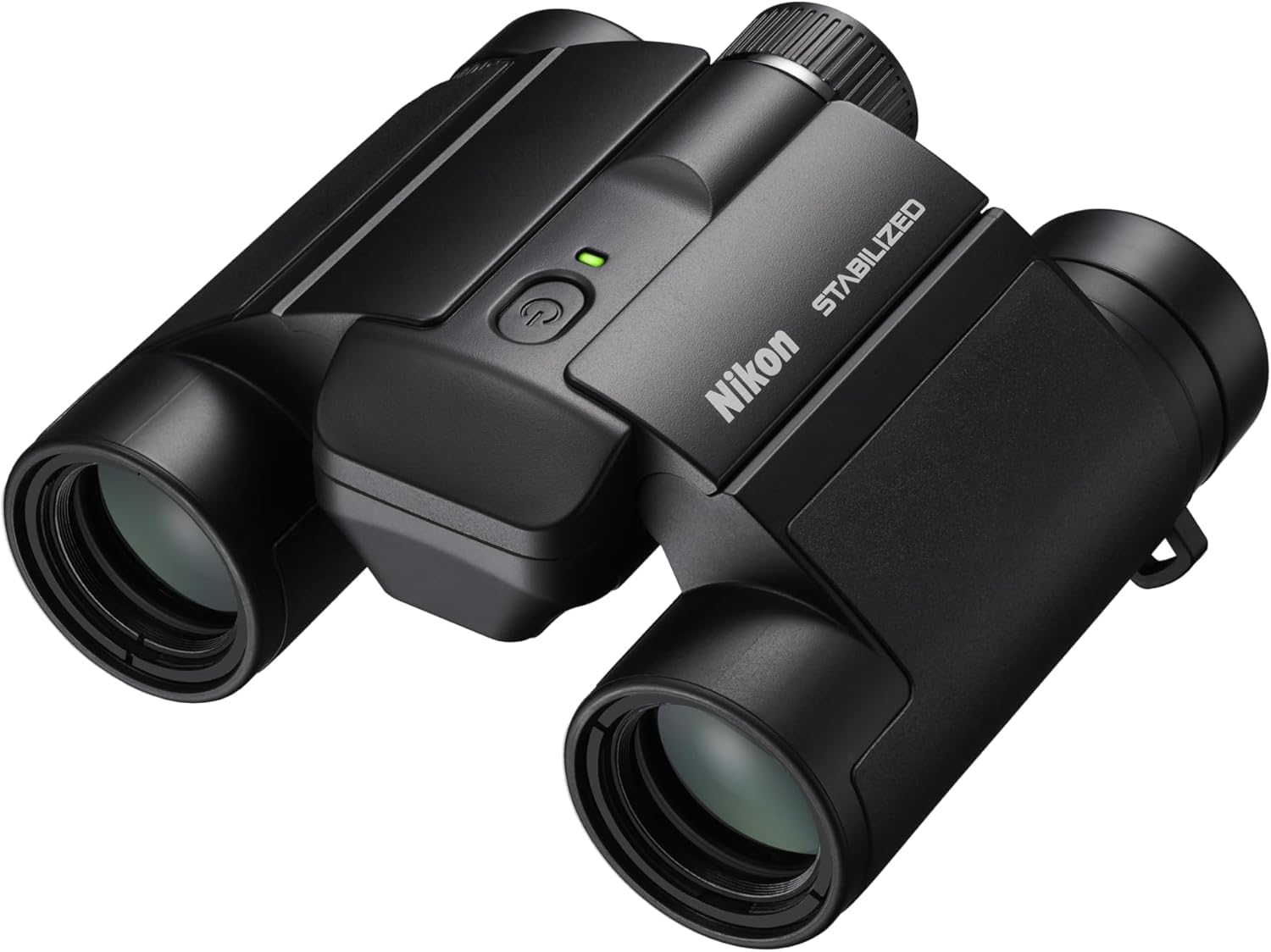


Who Should Buy Binoculars for Indoor Concerts?
Your seat distance and the kind of show you attend should shape your choice more than any single spec.
Balcony Listeners Who Want Facial Detail
You sit far from the stage and want expressions, hands on instruments, and small movements during quiet songs. Steady 8x magnification will serve you better than a stronger rating you cannot hold still. Look for a generous field of view, because a narrow view makes it hard to find a singer after the lights shift.
Floor Seat Fans Who Value a Wide Stage Picture
You sit closer, so raw power is rarely your problem. A 6x or 8x pair with a wide field lets you follow dancers, a full band, or a choir without constant panning. Compact size helps, because you raise and lower the pair often. If a small bag matters most, see our guide to best compact binoculars for concerts.
Regular Concertgoers Across Halls and Arenas
You attend often, in venues of many sizes, and want one pair that travels well and holds up to repeat use. Durability and a solid warranty matter more than one standout spec. Because you may also attend stadium shows, see our guide to the best binoculars for sports and concerts.
Key Features to Compare
Work through the factors below in order when you compare the best binoculars for indoor concerts for your seat.
Magnification That Stays Steady in a Fixed Seat
Magnification tells you how much closer the stage appears. An 8x pair suits most indoor halls, bringing faces close while staying calm in your hands. A 10x pair adds reach for large arenas, but it also magnifies every hand movement, so the image can swim during a long song. A 6x pair feels wider and steadier for close seats. Steadiness should win over maximum power for most buyers.
Lens Size, Exit Pupil, and Brightness in Dim Halls
The second number in a rating such as 8x42 is the front lens width in millimeters, and wider lenses gather more light. Divide that width by the magnification and you get the exit pupil, the size of the light beam reaching your eye. A value around 4 to 5 millimeters suits dim halls, because your pupils widen in low light. Lens coatings also help, since they cut glare and keep contrast steady when a spotlight crosses a dark stage.
Field of View for Following the Whole Stage
Field of view is the width you can see at a set distance, often listed in feet at 1,000 yards. A wider field lets you keep a singer and the band in one frame, and makes the pair easier to aim when lights move. Narrow models can feel like looking through a tube, so you lose context and spend time searching. For group acts and choirs, width often matters more than extra magnification.
Focus Wheel, Diopter Adjustment, and Eye Relief
A center focus wheel should turn smoothly with one finger, because you will refocus as performers move across the stage. A diopter dial balances focus between your two eyes, and you set it once before the show. Eye relief is the distance your eye can sit from the eyepiece while still seeing the full picture. If you wear glasses, look for longer eye relief and eyecups that fold down, so your frames do not shrink the view.
Size, Weight, and Comfort Through a Full Set
You may hold the pair up for much of a two hour show, so weight shapes your evening as much as optics do. Compact models around 8 to 12 ounces feel easy on the neck and suit strict venue bag rules. Larger 8x42 models weigh more, often around 20 to 25 ounces, but reward you with brightness. A padded neck strap spreads the load during standing encores.
Price, Value, and Warranty for Concert Use
Budget options around $40 to $80 can serve an occasional listener in a small, well lit hall, though coatings and focus smoothness vary. Mid range options, about $90 to $200, usually bring better brightness and sturdier build, where most regular concertgoers find lasting value. Premium models above that range add refined glass and stronger housings. Check the warranty length, since a clear warranty on focus parts says more about durability than bold quality claims.
Compact, Standard, and Opera Styles Compared for Indoor Concerts
Compact models use small front lenses, often 21 to 25 millimeters, and fold to a pocket friendly size. They shine in small theaters, but give a dimmer view in dark halls. Standard models, most often 8x32 or 8x42, balance brightness, field, and size for larger venues. Opera style glasses offer low power, around 3x, with a wide and calm view for close seats, though they add little detail from a balcony.
Think about your most common venue first, not your most distant seat of the year. A listener who mostly attends a 300 seat theater will enjoy a compact pair nightly, while an arena regular will use a standard pair at almost every show. Before you buy, compare your notes with our guide to what are the best binoculars for concerts.
Quick Buyer Checklist for Indoor Concert Seats
Run through these questions before you order. A pair that earns a yes on most of them will likely suit your hall.
- Is the magnification 6x or 8x, or 10x only because your usual venue is a large arena?
- Does the exit pupil reach about 4 millimeters or more for dim hall viewing?
- Is the field of view wide enough to hold a full band or choir in one frame?
- Can you turn the focus wheel smoothly with one finger while watching the stage?
- If you wear glasses, does the eye relief keep the full picture visible?
- Will the size pass your venue bag rules and feel light through a full set?
- Does the warranty cover the focus parts and housing for at least a few years?
Common Mistakes to Avoid
- Choosing 12x or higher magnification for a hall seat, so hand shake blurs faces and the view feels restless.
- Buying the smallest compact pair for a dark arena, so the dim image hides detail during quiet songs.
- Ignoring field of view, so you spend the show hunting for the performer each time the lights move.
- Skipping the diopter setup before the show, so one eye stays slightly soft and causes eye strain.
- Forgetting venue bag rules, so an oversized case gets turned away at the door.
- Judging brightness in a bright store, so a pair that looked fine there disappoints in a real hall.
Care and Maintenance for Concert Binoculars
Read the manual before first use, especially the parts on diopter setup and eyecup care. Clean the lenses only when needed, using a soft brush or air blower first, then a clean microfiber cloth. Wiping grit across the glass can scratch the coating, so removing loose dust first protects the surface.
Inspect the strap, hinges, and focus wheel every few shows, and replace a worn strap before it fails in a crowd. Store the pair in its case in a dry place, away from steamy bathrooms and hot cars, because trapped moisture can fog the lenses over time. Keep the lens caps on during transit, and let a cold pair warm up slowly, so condensation fades on its own.
FAQ
What magnification works best for binoculars for indoor concerts from a balcony seat?
For most balcony seats, 8x magnification works best. It brings faces and instruments close while staying steady in your hands for a full song. If your seat is roughly 100 to 150 feet from the stage, 8x gives clear detail without the swim that 10x often adds. Balcony rails can support your elbows, which steadies the view further.
How bright do binoculars for indoor concerts need to be in a dim hall?
Binoculars for indoor concerts should give an exit pupil of about 4 to 5 millimeters for dim halls. You can test a pair at dusk at home, when light feels closer to a theater, and watch whether shadowed faces keep their detail. Models that look equal at noon often separate at dusk. For matinees, a smaller value can still satisfy you.
Can you wear glasses with binoculars for indoor concerts?
Yes, you can wear glasses with binoculars for indoor concerts if the eye relief is long enough. Look for eyecups that twist or fold down, and keep your glasses on while testing, because removing them changes the view. Set the diopter with your glasses on before the house lights drop, since reaching the small dial in the dark is awkward.
How much should you spend on binoculars for indoor concerts?
How much you spend should follow how often you attend and how large your venue is. A listener who goes twice a year to a small hall can do well around $50 to $80. A monthly concertgoer gets more lasting value in the mid range, where brightness and build improve together. Put part of the budget aside for a padded strap.
How do you clean binoculars for indoor concerts without harming the lenses?
Start with air, not cloth, when you clean binoculars for indoor concerts. A small hand blower clears dust and grit that a cloth would drag across the coating. For a stubborn print, use a drop of lens fluid on the cloth, never on the glass itself. Keep the cloth in a sealed pouch in your bag.
Final Thoughts
Start with your seat, then match magnification, brightness, and field of view to that distance and light. Let comfort and a clear warranty settle close calls. Review the product table above and choose the best binoculars for indoor concerts for the halls you actually attend.


