
Best Binoculars for Hunting under $100 in 2026: Types Compared and How to Choose
Disclosure: We may earn a commission when you buy through links on this page, at no extra cost to you. As an Amazon Associate I earn from qualifying purchases. Learn more
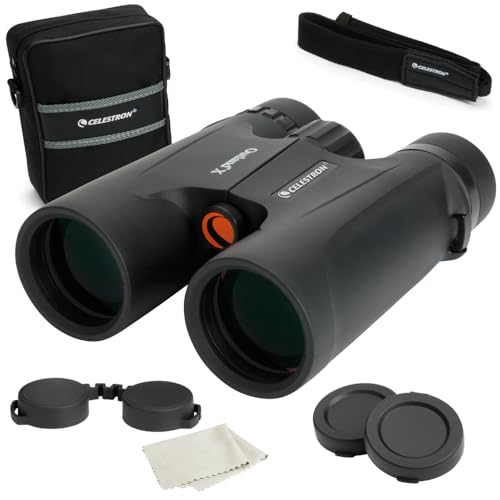
Compare prism types, magnification and lens brightness to choose the best binoculars for hunting under $100 for dawn and dusk use.
Hunting binoculars in this price range look alike on a shelf, yet they feel very different at dawn when you judge antlers in shadow. The best binoculars for hunting under $100 balance magnification, lens brightness and a wide view in a body you can carry all morning.
This guide compares binocular types rather than naming models, and it explains which design suits a tree stand, open country or long walks, plus the setup and care that keep the view clear.


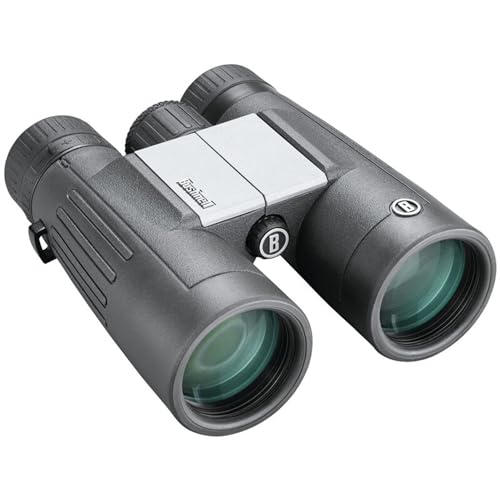
Who Should Buy Which Hunting Binoculars?
Your terrain and style should decide size and power before price does.
Woodland Deer Hunters in Stands and Blinds
You watch short openings through trees, often in dim light. Choose a full size pair at 8x42, because the lower power gives a wider view for picking up movement between trunks and the larger front lenses gather more light in shade.
Open Country Hunters Scanning Fields and Hills
You glass across valleys and field edges where game can appear far off and move fast. Choose 10x42 if you often sit or lean on a support, because the extra power helps you judge animals at distance while the view stays fairly stable. A chest harness holds the pair flat and ready as you walk.
Mobile Hunters Who Walk and Stalk
You cover ground on foot and raise the binoculars many times a day, often with one hand. Choose a compact or mid size pair that fits a jacket pocket or small chest pack. If small size is your top priority, see our guide to the best compact binoculars under $100. Accept a dimmer view at dusk as the trade for low weight.
Key Features to Compare
Compare these factors in order, because a low price can hide weak glass or a narrow view.
Magnification and Field of View for Hunting
Magnification is the first number in a code such as 8x42, and it tells you how much closer an animal appears. An 8x view is steadier and shows a wider area, often about 330 to 430 feet at 1,000 yards, which helps you find game and follow it through cover. A 10x view shows more detail at distance, but it magnifies hand shake and narrows the view. Most hunters on this budget do best with 8x, choosing 10x only if they often glass while seated or braced.
Objective Lens Size and Brightness at Dawn and Dusk
The objective lens is the front lens, and its size is the second number, so 42 in 8x42 means about 42 mm across. A larger front lens lets in more light, and the exit pupil, found by dividing lens size by magnification, guides brightness in low light. An 8x42 pair has an exit pupil of about 5.25 mm, which suits dawn and dusk well. A 10x25 compact pair has about 2.5 mm, so its view fades sooner as light drops.
Prism Type and Lens Coatings in Budget Glass
Roof prism binoculars have straight barrels and a slim shape, while porro prism binoculars have offset barrels and a wider body. At this price, porro designs often give a brighter view for the money, while roof designs are easier to pack and hold. Glass marked BaK4 usually gives a sharper edge view than BK7 glass. Fully coated or multicoated lenses pass more light than a single coated set, so colors look truer in flat morning light.
Eye Relief and Focus With Gloves On
Eye relief is the distance your eye can sit from the rear lens while still seeing the full view, and about 15 to 18 mm suits most glasses wearers. The center focus wheel should turn smoothly with a gloved finger, because a stiff wheel is hard to use in cold weather. A close focus of about 6 to 8 feet also helps in nearby cover.
Weatherproof Build and Weight for Hunting
A weatherproof pair with sealed barrels keeps rain and dust out, and nitrogen filled barrels resist internal fog when you step from a warm truck into cold air. Full size pairs often weigh about 20 to 28 ounces, while compacts weigh about 9 to 14 ounces. Choose the heavier pair for light gathering if you sit, and the lighter pair if you walk far.
Binocular Types Compared for Hunting
Three designs cover almost every hunting pair sold for under $100, and each trades brightness, size and price in a clear way. Understanding those trades is the core of choosing the best binoculars for hunting under $100, because no design wins on every point. Full size roof prism pairs at 8x42 or 10x42 are the most versatile, packing flat in a harness and giving a bright view for most legal light. For a broader look at this price, see our guide to the best binoculars under $100.
Porro prism pairs are the value choice when brightness matters most and bulk matters least. Their wider body gives a strong sense of depth, which helps you separate an animal from brush, and their glass often out performs roof glass at the same price. They are bulkier and some budget models seal less well against rain, so stand hunters get the most value here.
Compact roof prism pairs at 8x25 or 10x25 suit scouting and warm season hunts. They slip into a pocket and add little fatigue, but their small lenses limit them at dawn and dusk. If you need a spare pair, a compact makes sense, and stepping up to about $200 widens your choices, as shown in our guide to the best hunting binoculars under $200.
Set up any new pair before your first hunt. Slide the barrels until the two circles merge into one view, focus the center wheel on a distant sign, then use the diopter ring to fine tune focus for the difference between your eyes.
What You Can Realistically Get Under $100
Staying under $100 buys usable hunting glass with clear center detail and basic weather sealing. It does not buy premium glass that stays sharp to the very edge. Hunters who want that higher clarity usually save toward a higher tier, such as the options in our guide to the best hunting binoculars under $500. Spend first on lens size and coatings, because those affect every minute of glassing, while straps can be replaced later for around $15 to $30.
Common Mistakes to Avoid
- Choosing 12x or higher power for hand held hunting makes the view shake and hides game outside a narrow field.
- Buying a compact pair for dawn deer hunting gives a dim view that fades early.
- Ignoring eye relief as a glasses wearer cuts off the edge of the view.
- Skipping the diopter setup leaves one eye slightly soft and causes headaches.
- Picking a pair with no weather sealing lets rain and fog inside the barrels.
- Judging brightness by magnification alone leads to a powerful pair that looks dark at dusk.
Care and Maintenance of Hunting Binoculars
Clean lenses with a soft lens cloth, not your shirt, because grit on fabric can scratch coatings in one wipe. Blow loose dust off first, then wipe in small circles from the center outward. Keep lens caps on in brush, and store the pair in a dry padded bag at home.
After a wet hunt, let the pair dry at room temperature with the caps off, because trapped moisture encourages fog and mold inside. Check the hinge and focus wheel for grit, and wipe the body with a damp cloth if mud builds up. Never open the barrels, since the sealed gas fill will escape.
FAQ
Can you get good hunting binoculars for under $100?
Yes, you can get good hunting binoculars for under $100 for deer, turkey and general field use. Expect a clear center view and decent brightness at 8x42, with softer edges than costlier glass. One extra check helps at this price, and that is the warranty, because budget focus wheels vary more between units, so a longer warranty protects you if a wheel develops play early.
What does 8x42 or 10x42 mean on hunting binoculars?
The code 8x42 or 10x42 on hunting binoculars means magnification times front lens size in millimeters. A practical way to use that code is to picture your typical viewing distance, because a woodland hunter glassing at about 100 to 200 yards rarely needs 10x, while a hunter judging game at about 400 yards benefits more from it.
Which hunting binoculars are better for low light at dawn and dusk?
Hunting binoculars with a larger exit pupil are better for low light at dawn and dusk. That points you to 8x42 over 10x42 and away from small compacts. A useful field trick is to glass the shaded side of a field first as light fades, because animals often leave cover on that side earlier.
How much should you spend on your first pair of hunting binoculars?
You should spend about $70 to $100 on your first pair of hunting binoculars if you hunt a full season. Pairs priced around $30 to $50 can work for occasional scouting, but their focus wheels tend to loosen sooner. Buying near the top of this budget also leaves room for a chest harness for around $20.
Is a smartphone enough instead of hunting binoculars?
No, a smartphone is not enough instead of hunting binoculars for spotting and judging game. Phone zoom enlarges a digital image, so detail breaks up at distance, and the bright screen can spook game and drain the battery you need for maps. A phone still helps for recording a distant animal through one barrel with an adapter, but only after the binoculars have found it.
Wrapping Up
Start with terrain, then pick magnification and lens size, then choose the prism type that fits your carry style. Woodland hunters usually land on 8x42, open country hunters on 10x42 and mobile hunters on a compact. Use the product table above to compare field of view, weight and eye relief.
When those basics match your hunting, the best binoculars for hunting under $100 will feel clear at dawn, steady in your hands and easy to carry until last light.


