
Best Binoculars for Elk Hunting: Types Compared and How to Choose for 2026
Disclosure: We may earn a commission when you buy through links on this page, at no extra cost to you. As an Amazon Associate I earn from qualifying purchases. Learn more

The best binoculars for elk hunting balance brightness, weight, and weatherproofing for long glassing sessions. Compare types and choose with confidence.
Elk hunting asks a lot of your optics. You may glass open basins at first light, pick apart timber in the middle of the day, and still be scanning when the light fades. This guide compares best binoculars for elk hunting by type, so you can see how size, brightness, and weight trade off against each other, and the comparison table below sets those trade offs out side by side.
The right pair depends less on a single specification than on how you hunt. A hunter who hikes miles into steep country needs something very different from a hunter who glasses from a ridge for hours. Keep your terrain, pack weight, and usual light conditions in mind, and the choice will narrow quickly.
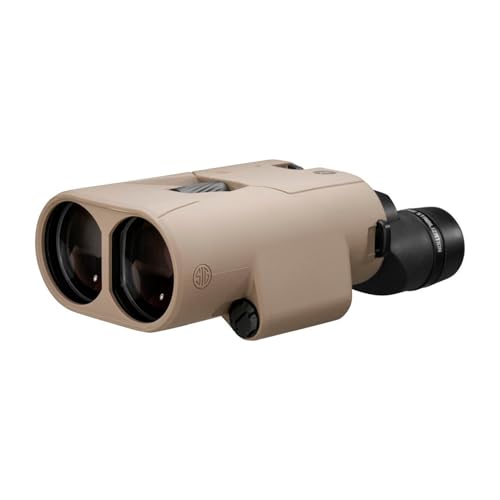


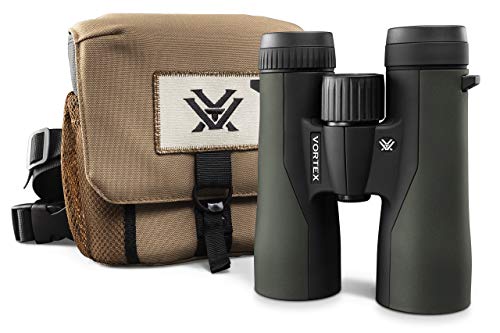
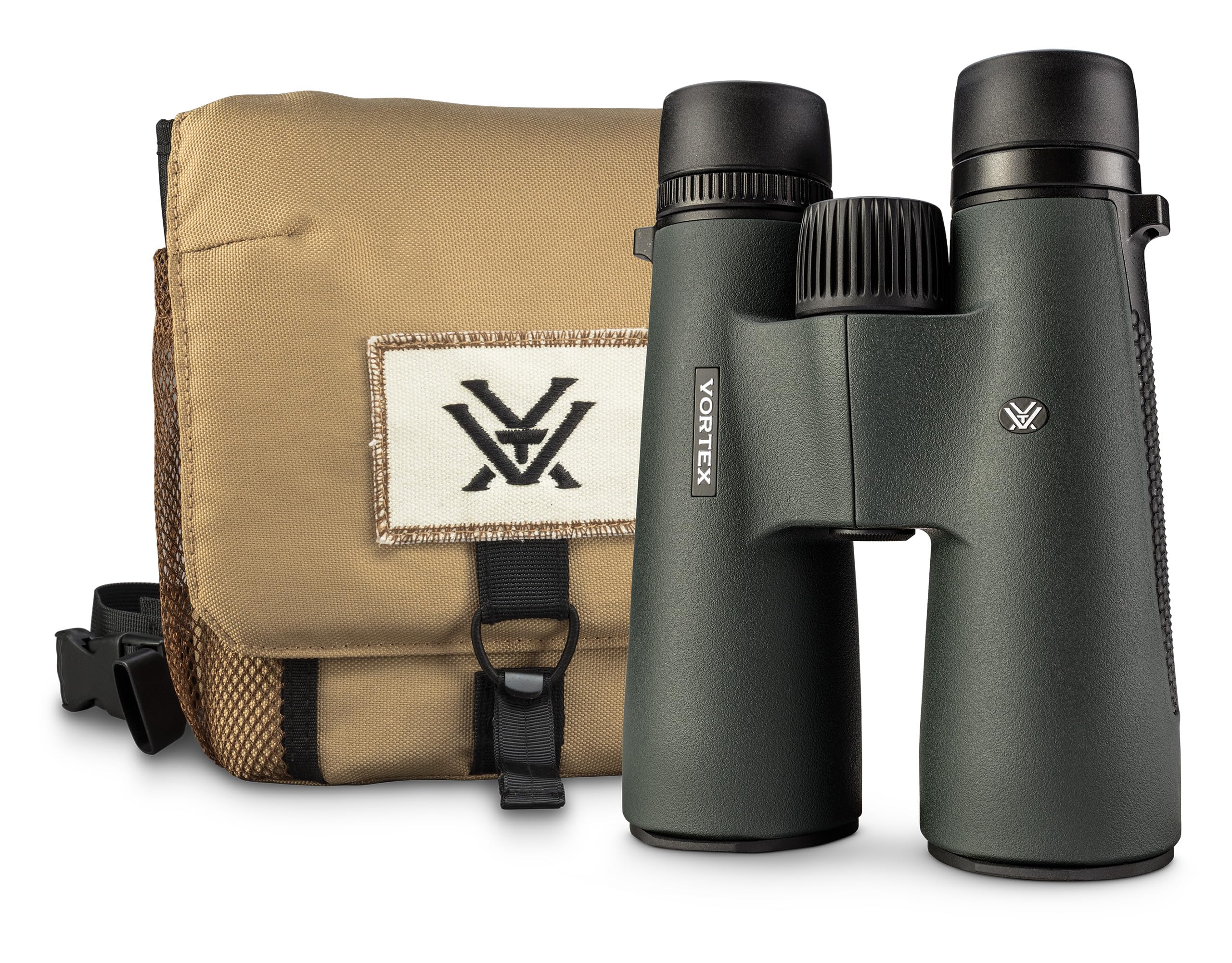


Best Binoculars for Elk Hunting: Types Compared
Start with the broad choice: compact, full size, or stabilized. Each type has a clear strength, and each one asks you to accept a limit somewhere else. The table below gives a quick overview, and the sections that follow explain each type in more detail.
| Type | Best For | Strengths | Limits | Typical Price |
|---|---|---|---|---|
| Compact | Long hikes | Light and packable | Dimmer in low light | About $80 to $250 |
| Full size | Long glassing sessions | Bright and steady | Heavier to carry | About $150 to $600 |
| Stabilized | High power viewing | Steadier image | Needs batteries | About $400 to $900 |
Compact Binoculars
Compact pairs use smaller objectives, often 32 mm or less, and fold down into a small pouch or a chest pack. They suit hunters who cover a lot of ground on foot, because every ounce matters on a steep climb and a light pair is one you will actually carry all day. Their limits appear at dawn and dusk, when the smaller exit pupil gives a dimmer view, and during long glassing sessions, when the lighter body can feel less steady. They are a strong choice for spot and stalk hunting in daylight, and a sensible backup pair for any hunt.
If you choose compact, favor 8x magnification over 10x, since the wider view and steadier image help you scan timber edges and open slopes. Check eye relief if you wear glasses, and look for a chest pack that keeps the pair close without swinging.
Full Size Binoculars
Full size pairs, often 8x42 or 10x42, are the workhorse choice for elk hunting. The larger objectives gather more light, the wider body sits steadily in the hands, and the view stays comfortable during an hour of glassing from a ridge. Their drawback is weight: a full size pair plus a harness adds noticeable load to a pack, and it needs a proper carrying system so it does not swing or bounce on a hike. They suit hunters who glass for long periods, hunt open country, or often find themselves scanning in low light.
Between 8x and 10x, think about terrain. The 8x view is wider and steadier, which helps in timber and broken country where elk appear briefly between trees. The 10x view shows more detail at long range across a basin, but it magnifies hand shake and narrows the scene. Many hunters settle on 10x42 for open country and 8x42 for mixed terrain, and either choice benefits from a chest harness that spreads the weight and keeps the pair ready.
Image Stabilized Binoculars
Stabilized pairs use electronics to counter hand movement, which makes higher magnification far more usable in the field. A 12x or 14x stabilized view can reveal antler detail at a distance where an unstabilized pair would shake too much to judge. They cost more, weigh more, and need batteries, and cold weather shortens battery life, so carry spares and keep them warm.
Compact Binoculars Versus Full Size: Which Should You Choose?
Compare the two main types on five points: weight, brightness, steadiness, field of view, and price. Compact pairs win on weight and packability, and they cost less at the entry level, which makes them attractive for long hikes. Full size pairs win on brightness, steadiness, and comfort during long sessions, and they hold up better at dawn and dusk. Field of view varies by design rather than by size alone, so compare that specification directly rather than assuming a larger pair always shows more.
The deciding question is how you spend most of your hunting time. If you hike far and glass briefly, a compact pair may serve you better, because a pair left in camp helps no one. If you glass for hours from a fixed point, a full size pair is usually better, because brightness and comfort matter more than saving a few ounces.
How to Choose the Right Pair of Binoculars
Once you have a type in mind, compare the details that affect daily use. The factors below matter more than a single headline number, because they decide whether the pair feels good after an hour of glassing in cold, wind, and changing light.
Magnification and Objective Size
Binoculars are described by two numbers, such as 10x42. The first is magnification, and the second is the front lens diameter in millimeters. For elk hunting, 8x and 10x cover most needs: 8x gives a wider, steadier view for timber, while 10x gives more detail at long range across open country.
Objective lenses near 42 mm balance brightness and weight well, while 50 mm objectives gather more light at dawn and dusk but add bulk. Avoid very high magnification without stabilization, since hand shake will undo the extra detail.
Ease of Use in the Field
Field use rewards simple controls. A smooth central focus wheel, a diopter adjustment for the difference between your eyes, and eyecups that adjust easily with gloves on all make a real difference. Set the diopter once by focusing each eye in turn, then leave it alone for the season.
A chest harness beats a neck strap for most elk hunters, because it keeps the pair stable, protects it from swinging against rocks, and spreads the weight across your shoulders. Practice raising, focusing, and lowering the pair until the motion feels automatic.
Features That Matter for Elk Hunting
Elk country brings rain, snow, dust, and temperature swings, so sealing matters as much as optics. Look for waterproof construction and fog resistant filling, which keep the view clear when you move from a cold morning into a warmer vehicle or tent. Lens coatings affect brightness and glare, and fully coated optics usually give a clearer view in low light than partly coated ones.
Eye relief matters if you wear glasses, and a close focus distance helps if you also watch nearby birds or sign. Never look at the sun through binoculars, since concentrated sunlight can damage your eyes quickly.
Follow local hunting rules for the area and season you hunt, and carry the pair in a way that keeps your hands free for safe travel over rough ground. A rangefinder can complement binoculars, but it does not replace them for scanning and judging animals, so choose binoculars for glassing first and add other tools around them. For a pair sized to your style, see our guide to the best size binoculars for elk hunting and compare weights before you decide.
Brightness and Low Light Viewing
Elk are often most active at first and last light, so low light performance deserves real attention. Exit pupil, which is objective size divided by magnification, gives a rough guide: a 10x42 pair has an exit pupil near 4 mm, while an 8x42 pair is near 5 mm and usually looks brighter in dim conditions. Coating quality also affects brightness, so two pairs with the same numbers can still differ.
Setup and Care Tips
A short routine keeps your pair ready through the season. Set the diopter and eyecups before your first hunt, and fit the harness so the pair rides high on your chest without bouncing. After each outing, brush off dust before wiping lenses, clean glass with a soft lens cloth rather than a shirt, and store the pair in a dry, padded case.
Check straps, hinges, and seals now and then, and keep spare batteries warm and dry if you use a stabilized pair. For a broader comparison, see our guide to the best rated binoculars for hunting, and if you prefer a single maker, see our guide to the best Vortex binoculars for elk hunting.
- Use a lens cloth, not your shirt, so grit does not scratch the coating.
- Brush off dust before wiping, then clean lenses gently and store the pair dry.
- Fit a chest harness so the pair rides steady and stays ready to use.
- Carry spare batteries for stabilized pairs, and keep them warm in cold weather.
Boots matter as much as optics on a long hunt, so our guide to the best hunting boots for elk hunting can help you plan the rest of your kit.
Frequently Asked Questions
What features matter most for elk hunting binoculars?
Brightness, steadiness, and weather sealing matter most for elk hunting. A bright view helps at dawn and dusk, when elk are often active, and a steady view helps you pick apart timber and judge animals at long range. Waterproof and fog resistant construction keeps the optics usable in rain, snow, and temperature swings. Weight and carrying comfort also matter, since a pair that feels heavy after miles on foot may stay in your pack when you need it most.
How much should I spend on my first pair for elk hunting?
Most first time elk hunters do well at about $150 to $350, where you can find sealed construction, decent coatings, and a comfortable carrying system. Spending less can work for daylight hunting in open country, but very cheap pairs often fog or lose sharpness at the edges sooner. Spending more buys brighter optics and stronger build, which matters most for long glassing sessions and low light. Choose the lowest level that meets your sealing, brightness, and comfort needs.
What does 8x42 or 10x42 mean for elk hunting?
The first number is magnification, so 8x makes an animal look eight times closer than it appears to the naked eye. The second number is the front lens diameter in millimeters, so 42 means a 42 mm objective. A larger second number usually means a brighter view, while a larger first number means a closer but shakier and narrower view. For elk hunting, 8x42 suits timber and mixed terrain, while 10x42 suits open basins and long range judging.
Which binocular size works better in low light for elk hunting?
A larger objective usually works better in low light, because it gathers more light for the same magnification. An 8x42 pair, for example, gives a brighter view at dawn than a compact 8x32 pair, and a 7x50 or 8x50 pair is brighter still. Coating quality also matters, so two pairs with the same numbers can still differ in brightness. If you glass often at first or last light, favor a full size pair with well coated optics over a small pair with higher magnification.
What specs matter most for beginners choosing elk hunting binoculars?
Beginners should focus on magnification, objective size, eye relief, and weight before chasing advanced features. An 8x42 pair is a forgiving starting point, with a wide view, a steady image, and reasonable brightness. Check that the pair fits your hands, focuses smoothly with gloves on, and works with your glasses if you wear them. A good harness matters too, since it keeps the pair ready and comfortable during a long day in the field.
Is a smartphone enough instead of binoculars for elk hunting?
A smartphone can help with maps and photos, but it is a poor substitute for binoculars when hunting elk. Its digital zoom loses detail quickly, its screen is hard to read in bright sun, and holding it steady at arm's length is difficult in wind and cold. Binoculars give a brighter, steadier, and wider view with both eyes, which helps you spot movement and judge animals at distance. Use the phone for navigation, and use binoculars for glassing.
Final Thoughts
Match the pair to your hunting style, not to the highest number on the page. A compact pair suits long hikes, a full size pair suits long glassing sessions, and a stabilized pair suits long range judging in open country. Check sealing, brightness, eye relief, and weight before you compare price, and let the picks in the product table guide your shortlist. With the right pair in your harness, you will glass longer, spot more, and judge animals with more confidence, so choose best binoculars for elk hunting that fits the country you actually hunt.


