
Best Binoculars for Distance: How to Choose in 2026
Disclosure: We may earn a commission when you buy through links on this page, at no extra cost to you. As an Amazon Associate I earn from qualifying purchases. Learn more

Choose the best binoculars for distance with tips on magnification, objective size, field of view, stability, and comfort for clear distant views.
Choosing the best binoculars for distance means balancing reach with steadiness, because a distant subject looks closer only if the view stays stable enough to study. A high magnification pair can reveal detail across a valley, a shoreline, or a large field, yet the same pair can feel shaky and narrow if it does not suit your hands or your viewing style. The product table can help you compare the main options side by side before you focus on individual features.
Start by thinking about what you watch at distance, how far away it usually is, and whether you view from a fixed spot or while walking. A watcher scanning open country needs a different balance than a traveler glancing at distant landmarks during a day trip. This guide explains the factors that matter at long range in plain terms, so you can choose reach that you can actually use.
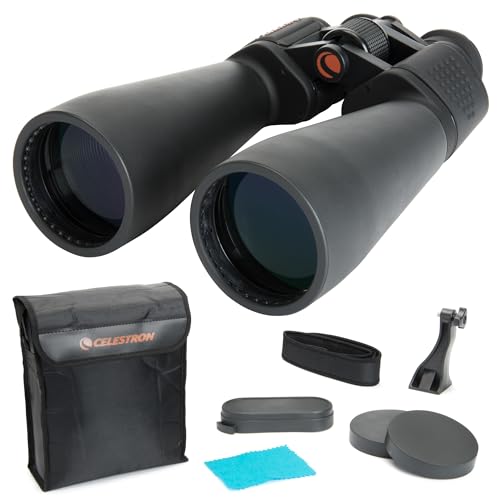


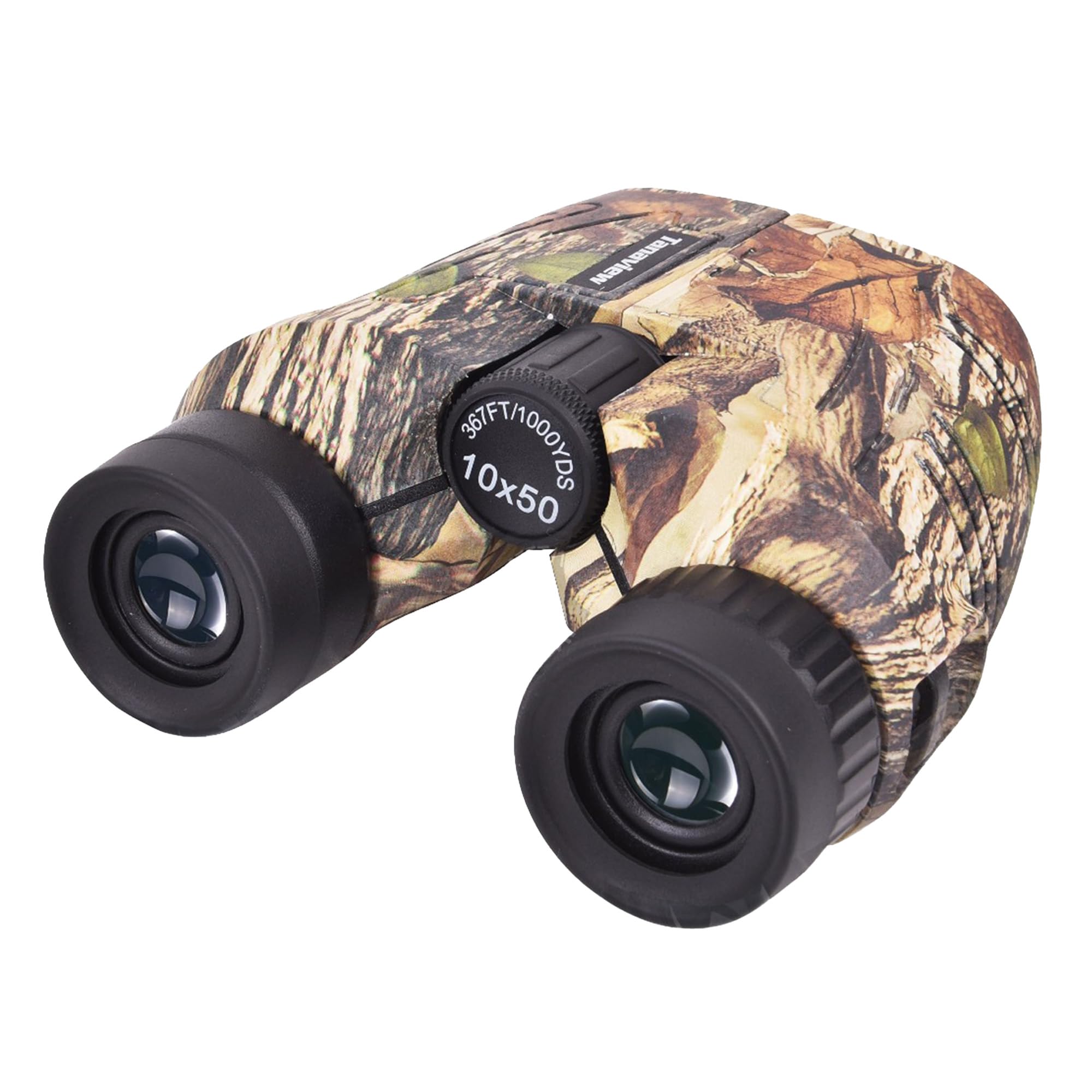
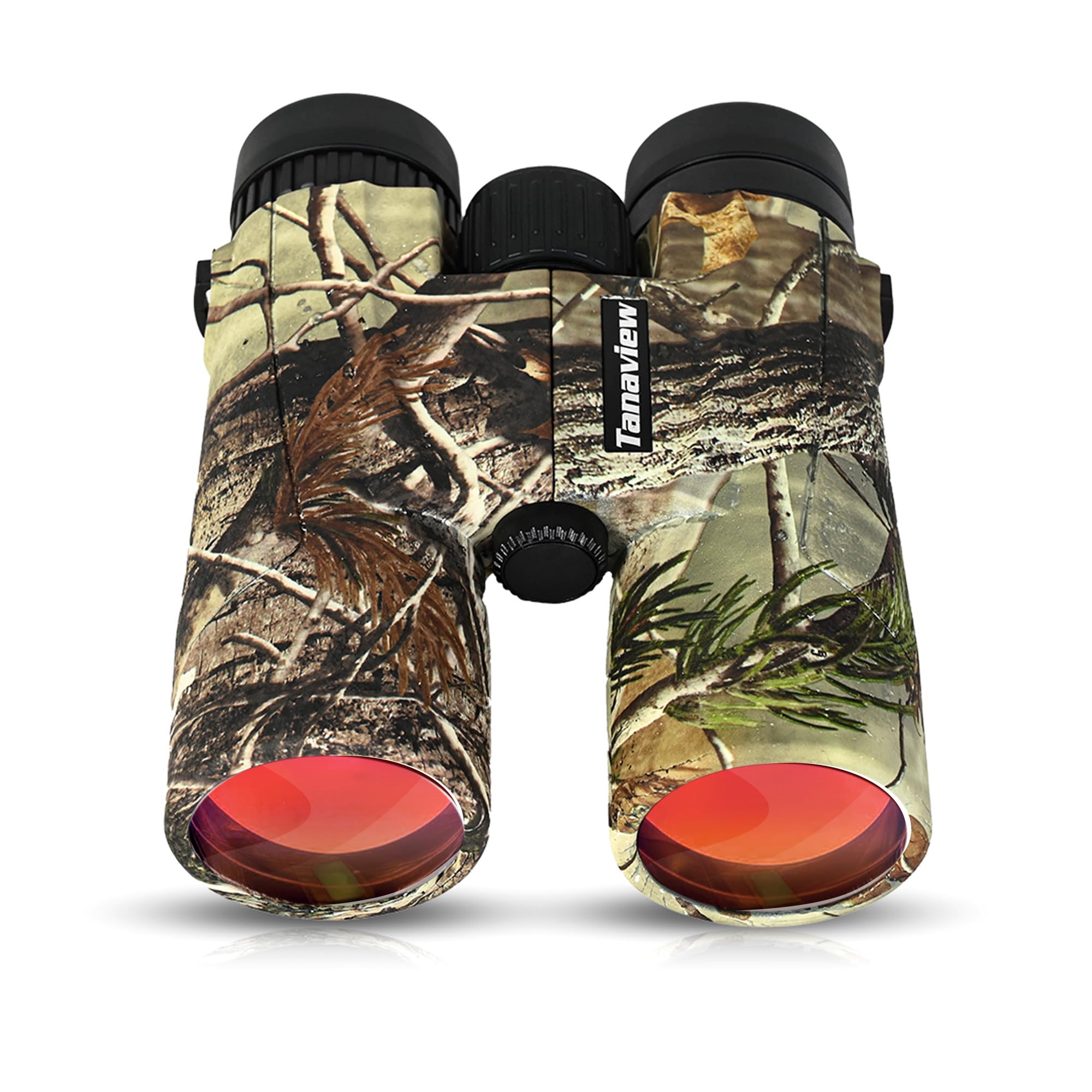
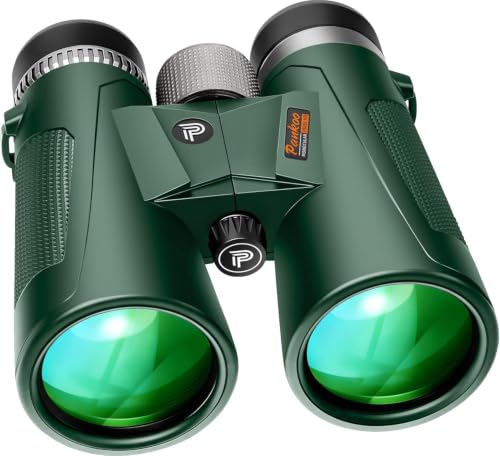

Who Should Buy Which Binoculars?
Distance viewing covers many settings, and the best balance changes with the subject and the pace of watching. Use the groups below to find the pattern closest to your own use, then check the feature sections for the details behind each recommendation.
For Open Country and Wide Views
Watchers in open country often scan ridges, shorelines, and fields where subjects may be hundreds of yards away and may move slowly. A wider field helps you find a subject before you zoom in with your eyes, and a stable 8x or 10x view helps you follow it without constant refocusing. For a closer look at this kind of viewing, see our guide to best binoculars distance viewing. Brightness matters too, because haze, glare, and changing light can wash out distant detail.
Choose a pair that holds contrast at range rather than one that only promises high magnification.
For Travelers and Day Trips
Travelers need a pair that packs easily, weighs little, and works well for quick looks at landmarks, coastlines, and viewpoints. Compact models suit this use, even if they give up some low light brightness, because a pair left in the hotel does no good at a viewpoint. Look for a smooth focus wheel, a comfortable neck strap, and a case that protects the lenses in a day bag. A moderate magnification, usually 8x, keeps the view steady when you have no tripod and only a few seconds to enjoy the scene.
For Backyard and Neighborhood Watching
Backyard watchers often view birds, wildlife, and distant rooftops from a porch, a window, or a garden chair. The distances are shorter than in open country, but detail still matters, especially for identifying birds or reading distant signs. A mid size pair with good close focus and a wide field suits this use, because you may switch between a near feeder and a far treeline. Comfort matters as well, since backyard sessions can last an hour or more without a break.
Key Features to Compare
The features below decide how clear a distant view feels in real use. Read them together, because no single number tells the whole story. A strong magnification with poor coatings, for example, can look worse at distance than a moderate magnification with excellent glass.
Magnification and Objective Size
Magnification is the first number in a label such as 8x42 or 10x50, and objective size is the second number. For distance viewing, 8x gives a steady, wide view that most people can hold without support, while 10x gives extra reach for very far subjects. Higher magnification also narrows the field and magnifies hand shake, so it helps only when you can hold the pair steadily or support your elbows. For a closer look at far range options, see our guide to best binoculars for far distance.
Larger objectives gather more light, which helps in haze and low light, but they add weight and bulk.
Glass, Coatings, and Image Clarity
Glass quality and coatings decide whether a distant subject looks sharp or washed out. Fully coated lenses reduce reflections, improve contrast, and help colors stay true when light is weak or hazy. Phase correction in roof prism models improves sharpness, and low dispersion glass can reduce color fringing around bright edges. These terms matter more at distance than at close range, because haze and glare grow with viewing distance.
Ignore camera terms such as sensor size and video resolution, because they do not apply to binoculars, and compare instead glass, coatings, and prism type.
Field of View at Long Range
Field of view tells you how much ground you can see at a given distance, usually in feet at 1,000 yards. At long range, a wider field makes it easier to locate a small subject, such as a distant bird or a boat on the horizon, before you study it in detail. A narrow field can feel like searching through a tube, and you may spend more time hunting for the subject than watching it. For a closer look at extended range viewing, see our guide to best binoculars long distance.
If you often scan large areas, treat field of view as equal in importance to magnification.
Stability, Focus, and Eye Relief
Stability is the hidden factor in distance viewing. A pair that feels balanced in your hands, with a focus wheel you can turn smoothly, will show more detail than a stronger pair that shakes. Practice resting your elbows on a fence, a railing, or your knees, and consider a monopod or tripod adapter for very long sessions. Eye relief matters if you wear glasses, because it decides whether you see the full field without vignetting.
Look for eyecups that adjust easily and a diopter control that lets you fine tune focus for one eye.
Size, Weight, and Carrying Comfort
Distance viewing often involves walking, hiking, or standing for long periods, so size and weight shape how often you actually carry the pair. Full size models offer the brightest views and the steadiest handling, but they demand a good strap and a roomy bag. Compact models travel well and suit quick looks, yet they may tire your eyes sooner in low light. Check the balance, the grip texture, and whether the pair fits your hands without cramping your fingers.
A comfortable pair that travels with you beats a brighter pair that stays at home.
Weather Sealing and Durability
Outdoor distance viewing exposes binoculars to rain, dust, fog, and temperature changes. Sealed and nitrogen purged models resist internal fogging when you move between warm and cold air, and rubber armor improves grip in wet conditions. Check that the hinge feels firm, that lens covers stay attached, and that the strap mounts feel secure. Durability matters most for travelers and field watchers, who may pack and unpack the pair many times a day.
For backyard use only, sealing matters less, but it still protects the pair during storage in a garage or shed.
Common Mistakes to Avoid When Buying Binoculars
- Choosing the highest magnification without checking stability, which can make distant views shakier rather than clearer.
- Ignoring field of view, which makes finding a distant subject slow and frustrating.
- Buying a pair that is too heavy to carry, so it stays behind on the trips when it would help most.
- Skipping eye relief checks when you wear glasses, which can cut off the edges of the view.
- Judging a pair only by price, without checking glass, coatings, and warranty terms.
Setup and Care Tips
Setup for distance viewing starts with adjusting the pair to your eyes. Set the interpupillary distance so the two circles merge into one, then use the diopter control to sharpen the view for your weaker eye while the main focus stays centered. Practice focusing on a distant object, such as a treeline or a rooftop, before you head out, so you can find subjects quickly in the field. For care, use a soft lens cloth, not your shirt, and blow dust off first to avoid scratching coatings.
Store the pair in a dry, padded bag. For a closer look at well regarded options, see our guide to best rated binoculars.
Binoculars: Your Questions Answered
What features matter most in binoculars for distance?
Field of view, stability, and image clarity matter most, because they decide whether you can find a distant subject, hold it steady, and see detail through haze. Magnification comes next, with 8x suiting most users and 10x helping only for very far subjects. Glass and coatings support clarity, while eye relief and weight affect comfort during long sessions. Balance these factors for your setting rather than chasing the highest magnification number alone.
Is a smartphone enough instead?
A smartphone can zoom digitally, but digital zoom crops the image and loses detail, especially at long range and in weak light. Binoculars give a direct optical view with no screen delay and no battery drain, which helps when you scan a wide area for a small subject. Many watchers use both, with binoculars for finding and studying subjects and a phone for photos. If your goal is watching distant detail live, binoculars usually give the clearer and steadier view.
What specs matter most for beginners?
Beginners should focus on 8x magnification, a 42 mm objective, a wide field of view, and eye relief that suits their glasses or lack of glasses. Those four numbers explain most of the viewing experience without technical knowledge. Weight matters too, because a lighter pair is easier to hold steady and carry. Compare at least two options using the same specifications, and avoid pairs that hide these numbers behind vague marketing terms.
What does 8x42 or 10x42 mean?
The first number is magnification, so 8x makes a distant subject appear eight times closer and 10x makes it appear ten times closer. The second number is the objective lens diameter in millimeters, so 42 mm describes the light gathering lens size. Larger objectives usually help in dim light and haze, but they also add size and weight. For distance viewing, 8x42 balances reach, stability, and brightness, while 10x42 trades a wider view for extra reach.
How much should I spend on my first one?
Most first time buyers do well with a budget of about $80 to $250, depending on how often they view at distance and whether they need weather sealing. Below that range, coatings and focus quality may limit distant detail, while above it, gains become gradual unless you view very often. Spend more if you hike, travel, or watch in low light regularly, and spend less if your use is mainly backyard viewing in daylight. Use the product table to compare options at your budget before you decide.
The Bottom Line
The right distance optic is the one that lets you find, hold, and study distant subjects without strain. Prioritize field of view, stability, and clarity, then choose magnification and size around those needs. Check the product table once more, try eye relief and focus if you can, and avoid pairs with missing specifications. With that approach, the best binoculars for distance become a practical choice, and distant views should feel closer, sharper, and easier to enjoy.
Never look at the sun through binoculars, and never point them toward intense light sources. If you notice eye strain or blurred vision after long viewing sessions, rest your eyes and seek advice from an eye care professional if the symptoms persist.


