
Best Binoculars for Bow Hunting in 2026: Which Type Is Right for You?
Disclosure: We may earn a commission when you buy through links on this page, at no extra cost to you. As an Amazon Associate I earn from qualifying purchases. Learn more

Best binoculars for bow hunting, compared by size, prism type, low light strength and price for timber, open ground and long sits.
With so many sizes and shapes on offer, it is easy to feel stuck between a compact pair that travels light and a full size pair that gathers more light. This guide compares the main types side by side, so you can see the trade offs clearly instead of guessing from a single specification. If you are looking for best binoculars for bow hunting that suit your terrain, your pack, and your glassing style, start with how you hunt, then match the type to that routine. The comparison table below summarises the main types before the detail.
Bow hunting often means getting close, moving quietly, and reading subtle movement through timber or across open ground. A pair that is too large may stay in your pack, while a pair that is too small may struggle at dawn or dusk. The right type balances brightness, field of view, weight, and steadiness.
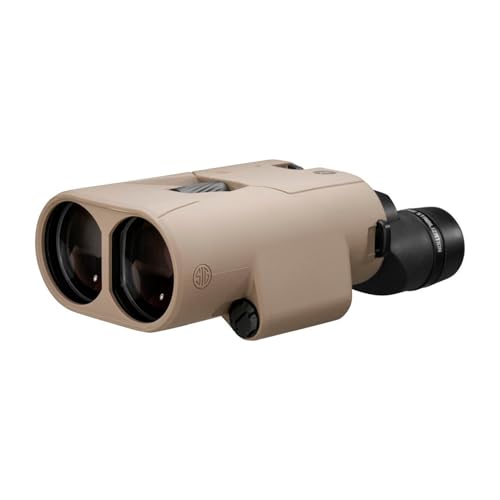


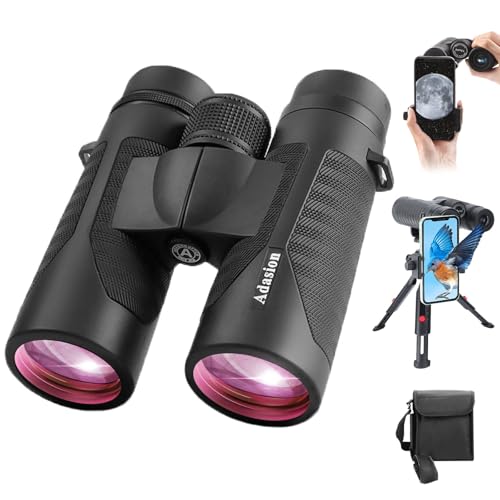

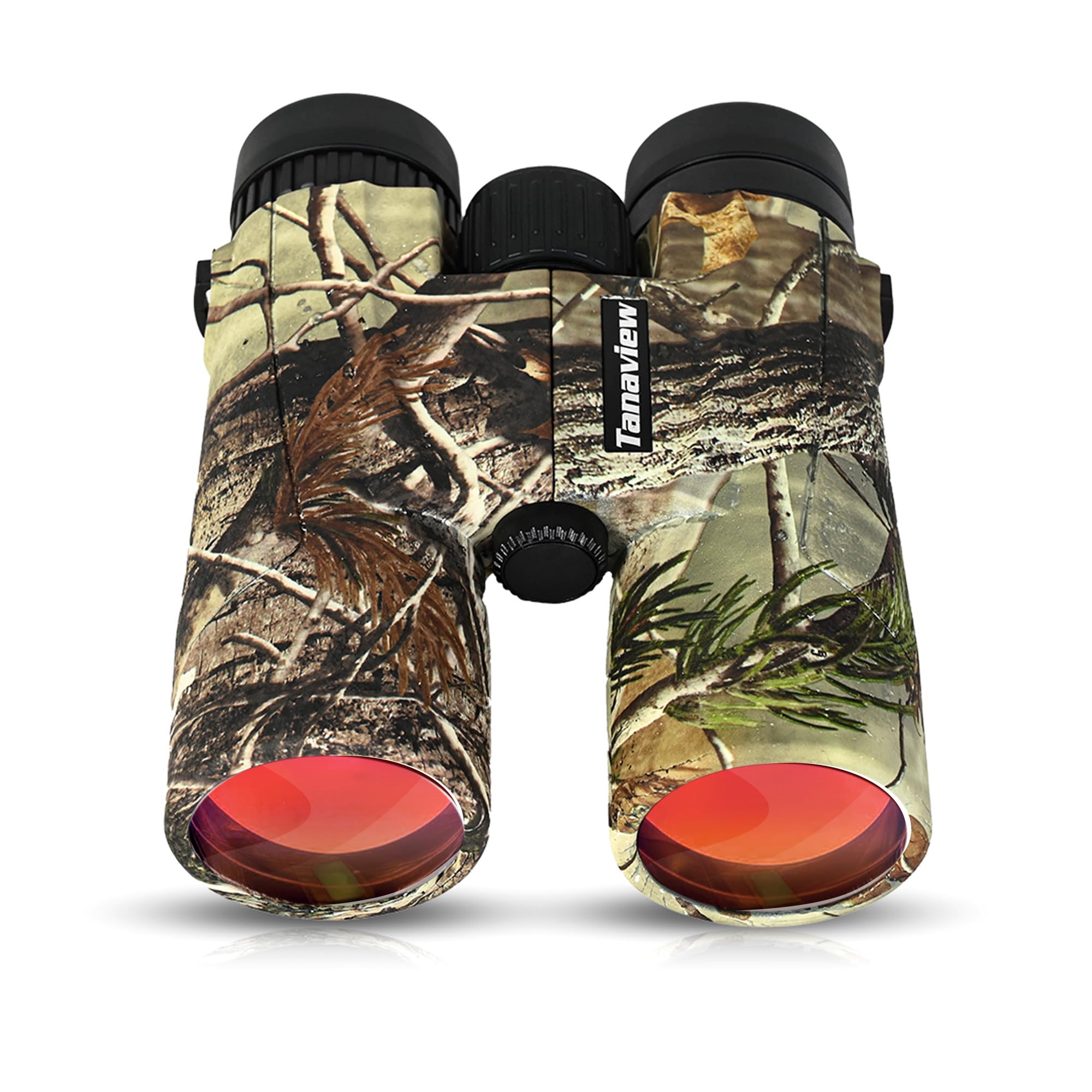
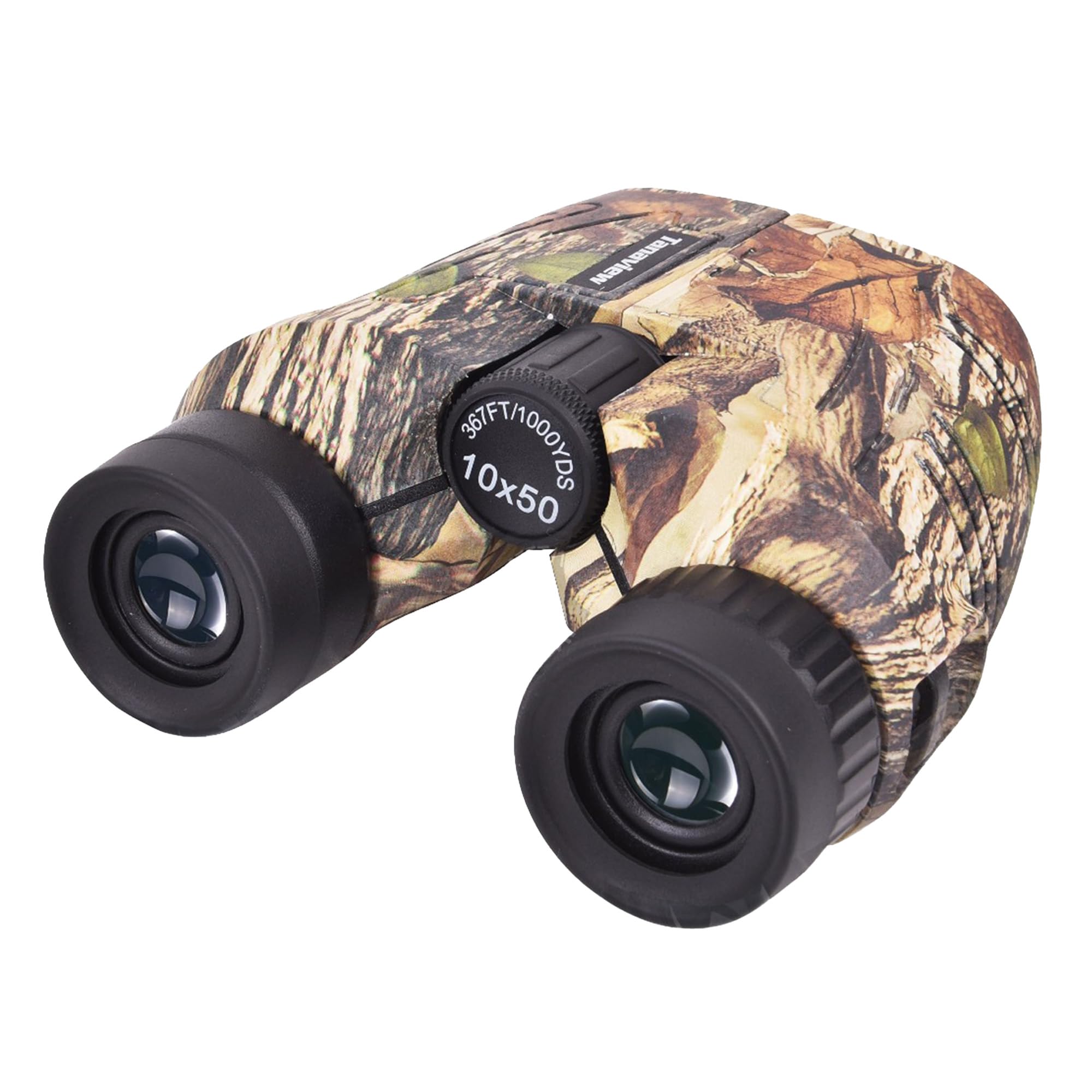
Best Binoculars for Bow Hunting: Types Compared
The table below gives a quick overview of the main binocular types. Use it to narrow your shortlist, then read the sections that follow for handling details. Prices are approximate and vary with glass quality, coatings, and sealing.
| Type | Best For | Pros | Cons | Typical Price |
|---|---|---|---|---|
| Full size binoculars | Open ground and long glassing | Bright view, steady handling | Heavier and bulkier | Around $200 to $500 |
| Compact binoculars | Light travel and timber | Small, light, easy to carry | Dimmer in low light | Around $100 to $300 |
| Roof prism binoculars | Harness carry and all round use | Slim shape, durable feel | Price varies with glass quality | Around $150 to $450 |
| Porro prism binoculars | Comfortable grip and value | Wide feel, often good value | Wider shape, bulkier in a pack | Around $100 to $350 |
Full Size Binoculars
Full size binoculars usually pair 42 millimetre or larger objective lenses with a steady magnification such as 8x or 10x. That combination gathers more light and helps you pick out detail at distance. They suit open ground, ridges, and fields where you glass for extended periods.
The trade off is size and weight. A full size pair needs a good harness and more pack space. If you walk long distances, check how the weight feels after an hour. For many bow hunters, the brighter view is worth the extra bulk at dawn and dusk.
Compact Binoculars
Compact binoculars use smaller objective lenses, often around 25 to 32 millimetres, and fold into a small shape that fits a jacket pocket or pack pouch. They are easy to carry on a stalk and quick to raise. That portability is a real advantage in dense timber, where shots and views are closer.
The trade off is brightness. Smaller objective lenses gather less light, so a compact pair can feel dim at dawn, dusk, or in deep shade. Compact pairs suit hunters who value light travel and close range glassing above long range low light performance.
Roof Prism and Porro Prism Binoculars
Roof prism designs have a slim, straight barrel that sits close to the chest in a harness and tends to feel durable. Porro prism designs have a wider, offset shape that many hunters find comfortable to hold, and they often cost less for the same glass size.
Neither design is better on its own. Choose roof prism if pack fit and slim carry matter most, and Porro prism if grip and value matter more.
How to Choose the Right Pair of Binoculars
Use the factors below as a checklist, and weigh them against your terrain and your typical glassing distance. No single factor decides the choice alone. A balanced pair that fits your hands, eyes, and pack will usually serve you better.
Image Quality
Image quality comes from glass quality, coatings, prism alignment, and objective size. Strong coatings reduce glare and keep colours natural. Well aligned optics keep the image sharp across the field, not just in the centre.
When you compare pairs, look for an even, bright view with little colour fringing. A pair with excellent glass and a moderate objective can look better than a pair with a larger objective but weaker optics.
Focus and Stabilization
Most hunting binoculars focus by hand, with a central wheel and a diopter adjustment for the difference between your eyes. That manual control is fast once set. A smooth focus wheel that moves from near to far without stiffness is very useful in the field.
Stabilised models exist, but they add weight, cost, and a battery to manage. For most bow hunters, a steady 8x pair with a good harness gives a stable enough view. Try a pair at 10x before you commit, because shake grows quickly with power.
Battery Life and Charging
Plain binoculars need no battery, which is one of their strengths in the field. You can raise them at any moment without checking a charge level. Battery life only matters if you choose a stabilised pair or another electronic design.
If you do choose an electronic model, check its power source, its run time in cold weather, and whether you can carry a spare. For a first or all round pair, simplicity is often the wiser choice.
Low Light Performance
Low light strength depends on objective size, exit pupil, coatings, and glass quality together. Exit pupil is found by dividing objective size by magnification, so an 8x42 pair gives about 5.25 millimetres of light to each eye. That balance suits many hunters at dawn and dusk, while a smaller pair may feel dim in the same light.
Twilight factor offers a rough guide, but it does not capture glass quality or alignment. A well made 8x42 pair can look brighter than a weaker 10x50 pair in real conditions. If your best hours are early and late, favour brightness over extra power.
Features That Matter for Bow Hunting
Bow hunting rewards a wide field of view for finding game, a smooth focus for moving between near and far targets, and a quiet, secure carry system. A harness keeps the pair close to your chest, reduces swing while you walk, and lets you raise the glass without fumbling with straps. Weather sealing matters in rain, dust, and dew, and a simple lens cloth helps you keep the view clear.
Fit also matters. Check eye relief if you wear glasses, check focus feel with gloves, and check balance in your hands. Never look at the sun through binoculars. Follow local hunting rules for season, area, and game.
Picking the Right Binoculars for Different Uses
Different terrain calls for different emphasis. In open country, favour a full size pair with a bright view. In dense timber, favour a compact pair with a wide field and light carry weight. On long sessions, favour comfort and a harness that spreads weight well.
Best Binoculars for Bow Hunting Elk
Elk hunting often means longer glassing across open slopes and basins, so brightness and a steady view matter more than ultra light carry weight. A full size pair with a 42 millimetre objective and 8x magnification is a sensible starting point. A harness helps on long walks, and weather sealing matters in mountain rain and snow.
For elk, also check close focus and field of view, because you may glass a near ridge after scanning a distant basin. A smooth focus wheel helps you move between those distances quickly. Check harness comfort before you buy.
Care and Maintenance Tips
Good care keeps glass clear and mechanics smooth for many seasons. Use a lens cloth, not your shirt, to clean the lenses, because cloth from clothing can trap grit and scratch coatings over time. Blow or brush loose dust off first, then wipe gently, and keep lens covers on when the pair is in your pack.
Store the pair in a dry, padded bag, and avoid leaving it in a hot vehicle for long periods. Check the harness straps, focus wheel, and eyecups from time to time, and keep the pair dry after rain.
Binoculars: Your Questions Answered
What features matter most in binoculars for bow hunting?
A wide field of view, a steady magnification, and a bright low light view matter most, because bow hunting involves scanning timber and open ground for subtle movement. Weather sealing, a smooth focus wheel, and a comfortable harness also matter. The best bow hunting binoculars balance those factors rather than chasing one headline number.
Which is better for low light?
A full size pair with strong coatings and a steady magnification usually beats a compact pair or a high power pair with weaker glass in low light. An 8x42 pair is a common choice because it balances brightness, field of view, and steadiness. Exit pupil gives a rough guide, but real clarity also depends on glass quality and alignment. If dawn and dusk are your prime hours, choose brightness and a clean view over extra power, and try the pair in dim conditions when possible.
What specs matter most for beginners?
Beginners should start with magnification, objective size, field of view, eye relief, and weather sealing, because those specs shape daily use. A steady 8x magnification, a 42 millimetre objective, and a wide field make finding a subject easier. Eye relief matters with glasses, and sealing matters in rain and dust. Avoid the highest numbers in every category, and look instead for a balanced pair that focuses smoothly and feels comfortable in your hands.
How much should I spend on my first one?
A solid first pair for bow hunting can be found at about $150 to $350, with higher prices usually buying better glass, coatings, and sealing. Below that range, you may accept a dimmer view, a narrower field, or less durable construction. Above that range, improvements become subtler and matter most to frequent hunters. Leave room in your budget for a harness and a lens cloth, and judge value by clarity, steadiness, and fit rather than by price alone.
What does 8x42 or 10x42 mean?
The first number is magnification, so 8x makes a subject look eight times closer and 10x makes it look ten times closer. The second number is the objective lens diameter in millimetres, so 42 means large front lenses that gather a useful amount of light. An 8x42 pair gives a wider, steadier view than a 10x42 pair, while a 10x42 pair gives more detail but magnifies shake. Many bow hunters start with 8x42 for its forgiving, bright view.
Is a smartphone enough instead?
A smartphone is not a good substitute for binoculars when glassing for game. Its screen is hard to read in bright sun, digital zoom loses detail, and holding it steady at distance is difficult. Binoculars give a live view with depth, which helps you judge movement, shape, and distance through brush and across slopes. A phone remains useful for maps, notes, and photos, but it does not replace dedicated glass for bow hunting.
The Bottom Line
Choose by type first, then by fit. Full size pairs suit open ground and long glassing, compact pairs suit light travel and timber, and prism shape affects handling and pack fit. Balance brightness, field of view, weight, and steadiness, and check focus and harness comfort before you commit.
If you want a forgiving all round choice, start with an 8x42 style pair, a good harness, and a lens cloth, then refine your choice as you learn your terrain. Keep the glass clean, store it dry and padded, and follow local hunting rules on every outing. With best binoculars for bow hunting matched to your style, you can glass longer, spot movement sooner, and hunt with less distraction from your gear. The comparison table above is a handy recap of the types before you make your final choice.
For sizing help, see best size binoculars for bow hunting alongside the size guidance in the types section. For a rated overview, see best rated binoculars for hunting when you compare glass quality. For carrying comfort, see best binoculars harness for hunting in the context of harness fit.
For a lower price comparison, see best inexpensive binoculars for hunting next to the budget guidance. For deer focused glassing, see best binoculars for deer hunting when your quarry changes your field of view needs.


