Best Bikes for 4 to 6 Year Olds: A Sizing and Fit Guide
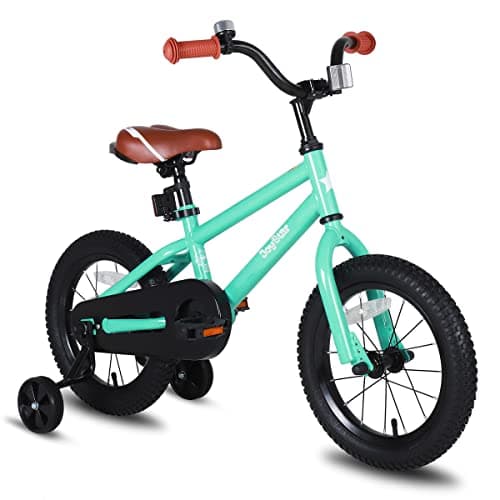
Watching a small child wobble down the driveway on a bike that is a little too big, or a little too heavy, is a familiar sight for a lot of parents. Finding the best bikes for 4 to 6 year olds is not really about brand names or flashy graphics. It comes down to fit, brakes, and weight, three things that decide whether a child feels confident or frustrated the moment they push off. This guide walks through how to size a pedal bike correctly for this age range, what safety features actually matter, and how to figure out whether your child is ready for training wheels, a straight jump to two wheels, or a size up already.

Wheel Size and Fit Come Before Anything Else
Wheel size gets most of the attention when parents shop for bikes for 4 to 6 year olds, but fit is really about the whole frame, not just the wheels. A child in this age range typically falls somewhere between 14 inch and 20 inch wheels, and getting that range narrowed down correctly makes every other decision easier.
Why Age Alone Is a Bad Sizing Guide
Two children born the same year can have inseams that differ by two or three inches, which is enough to push one of them into a completely different wheel size. A sizing chart that only lists an age range is a starting point, not a guarantee. Treat any "ages 4 to 6" label on a box as a rough estimate and verify it against your own child's measurements before you buy.
Wheel Size by Inseam, From 14 Inch to 20 Inch
As a general guide, a 14 inch wheel suits a shorter inseam around 16 to 20 inches, a 16 inch wheel fits an inseam closer to 18 to 22 inches, and an 18 to 20 inch wheel is better for a taller child in the upper end of this age bracket. If your child sits between two sizes, sizing down is usually the safer call. A bike that is slightly small still lets a child plant both feet flat and stay in control, while a bike that is too big undermines confidence and makes falls more likely.
The Standover Test That Actually Matters
The single most reliable fit check does not require a tape measure. Have your child stand over the frame with both feet flat on the ground. There should be one to two inches of clearance between their body and the top tube. If there is no clearance at all, the bike is too big regardless of what the wheel size label says. If there is a large gap, it may still work for now but will not last long as they grow.
Brakes, Weight, and the Few Features Worth Paying For
Once fit is settled, only a handful of features actually change how safely and confidently a child rides at this age. Everything else, from color to seat pattern, is personal preference, though pairing the bike with a properly fitted helmet matters just as much as anything on this list.
Coaster Brakes vs. Hand Brakes at This Age
A coaster brake, the kind that stops the bike when a child pedals backward, feels familiar to a lot of parents because it was standard on kids bikes for decades. The problem is that coaster brakes are all or nothing. There is no way to apply light pressure, so the rear wheel tends to lock and skid instead of slowing down gradually, which can cause the back end to slide out. Hand brakes let a child use finger strength to control exactly how much stopping power they apply, and most children in the 4 to 6 range have enough hand coordination to learn this with a little practice. A bike with both a coaster brake and a hand brake can work as a middle step, letting a child lean on the familiar back-pedal stop while getting used to squeezing a lever.
Why Bike Weight Matters More Than You'd Think
A heavy steel-frame bike might feel sturdy in a store, but a small child has to lift, steer, and balance that weight every time they ride. As a rough rule, a bike that weighs more than about 30 percent of your child's body weight is going to feel like a burden rather than a toy. A lighter frame is easier to control at low speed, easier to catch a fall with, and easier for the child to pick back up on their own, which matters more for their confidence than most parents expect.
Gears, Kickstands, and Other Extras
A single speed setup is almost always the right choice at this age. Gears add weight and complexity that a 4 to 6 year old does not need yet and usually will not use correctly. A kickstand is a nice convenience for parking the bike in the garage, but skip anything marketed as a major selling point, like suspension forks or multiple gears, since these add cost and weight without a real benefit for a beginner rider.
Training Wheels, Balance Bikes, or Straight to Pedals?
This is the question that trips up a lot of parents shopping for this age group, and the right answer depends entirely on what your child has already learned.
If Your Child Already Rode a Balance Bike
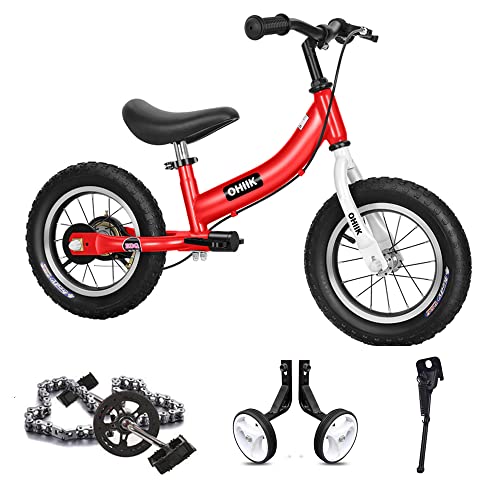
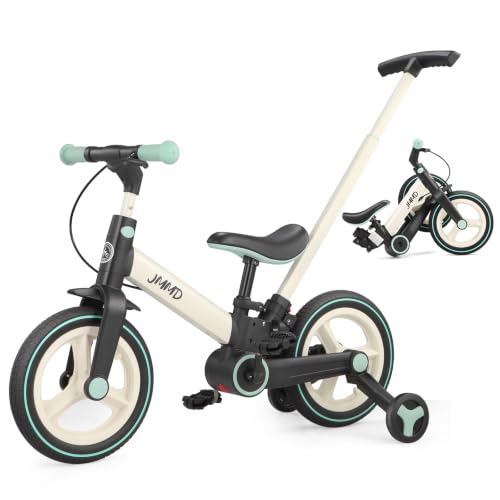
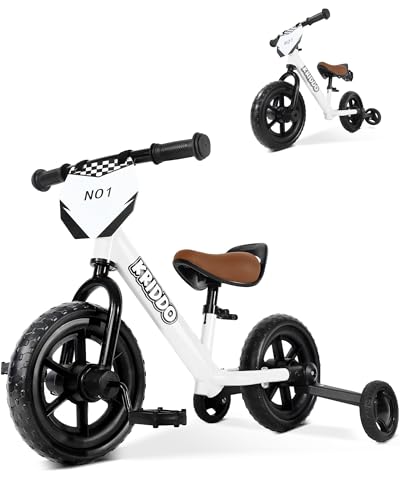
A child who spent time on a balance bike has usually already learned the hardest part, staying upright and steering while moving. For these kids, adding training wheels can actually feel like a step backward, since they already know how to balance and just need to add pedaling and hand braking to that skill. Many children who learned on a balance bike go straight to a pedal bike with no training wheels at all, sometimes within a single afternoon of practice.
If This Is Their First Bike With Pedals
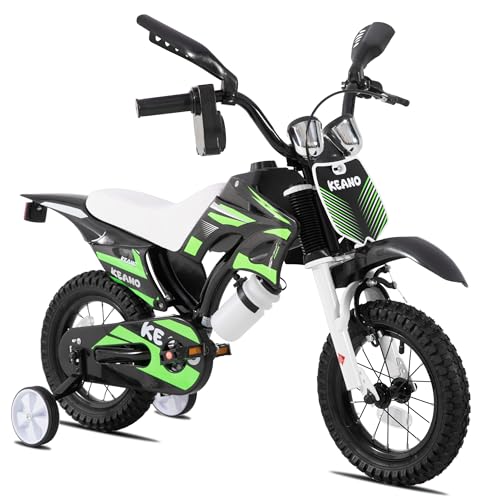
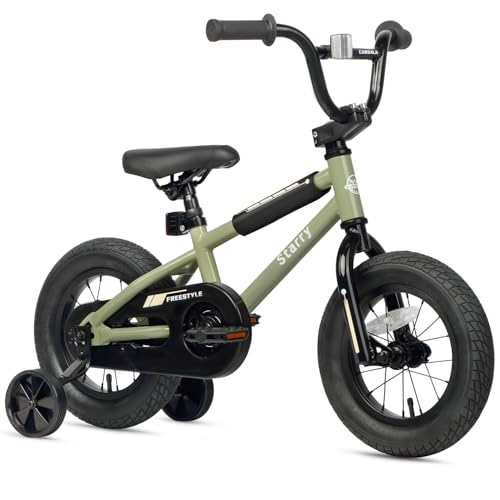
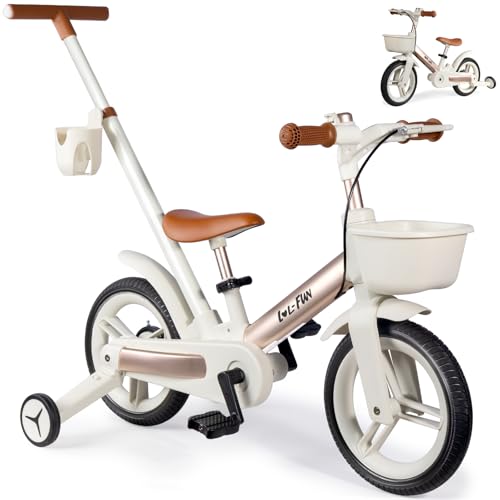
If your child has not spent real time on a balance bike, training wheels can still be a reasonable bridge, especially for a younger 4 year old who is still building core strength and coordination. Look for a bike with removable training wheels rather than fixed ones, so the transition to two wheels does not require buying a whole new bike later. The goal with training wheels should be a short adjustment period, not a permanent setup, since riding with them attached does not teach real balance.
Signs Your Child Is Ready to Size Up
A bike that fit perfectly six months ago can become too small quickly at this age, and a bike that is too small is just as limiting as one that is too big. Watch for a few clear signs. Their knees start coming up close to the handlebars when pedaling, the standover clearance you checked at purchase has disappeared, or the seat post is maxed out with no more room to raise it. A tall child on the upper end of this age range may outgrow a 16 inch bike within a year or two and move up to an 18 or 20 inch frame, which starts to overlap with the sizing guidance in our broader kids bikes buying guide for older riders. This is exactly why most lists of the best bikes for 4 to 6 year olds treat wheel size as a range to grow into rather than a single fixed number. When any of these signs show up, it is worth reassessing fit the same way you did the first time, rather than assuming the current bike still works.
Frequently Asked Questions
What size bike does a 4 to 6 year old need?
Most children in this age range fit a 14 to 18 inch wheel, though a taller 6 year old may need 20 inch. Inseam length, not age, is the more reliable way to decide.
Should a 5 year old have training wheels?
It depends on their experience level. A 5 year old who already rode a balance bike often does not need them, while a first-time pedal rider may benefit from a short period with removable training wheels.
Are hand brakes or coaster brakes better for kids?
Hand brakes generally offer better control and are less likely to cause a rear wheel skid. A dual brake setup can work as a transition for a child still building hand strength.
Can a child go straight from a balance bike to a pedal bike?
Yes, and it is common. A child who has already mastered balancing often only needs to learn pedaling and braking, which usually comes quickly without training wheels.
How much should a kids bike weigh?
A good target is a bike that weighs no more than about 30 percent of the child's body weight, so they can lift, steer, and control it comfortably on their own.
How do I measure my child's inseam for a bike?
Have them stand in the shoes they will actually wear while riding, then measure from the floor to their crotch. Compare that number to a wheel size chart rather than relying on age alone.
Do kids bikes need gears at this age?
No. A single speed bike is simpler, lighter, and easier for a 4 to 6 year old to manage than a bike with multiple gears they are not ready to use.
Making the Right Call for Your Rider
There is no single model that fits every child, but the search for the best bikes for 4 to 6 year olds gets much easier once you focus on the right things. Measure inseam instead of trusting a box label, prioritize hand brakes and a lighter frame over extra features, and let your child's actual experience, not their birthday, decide whether training wheels make sense. Get those pieces right and the bike itself becomes a much smaller decision.