
Best Battery Starter 2026: Types Compared and How to Choose
Disclosure: We may earn a commission when you buy through links on this page, at no extra cost to you. As an Amazon Associate I earn from qualifying purchases. Learn more

Compare the best battery starter types by engine fit, cranking power, clamp quality, and safety features, with plain price bands and storage care advice.
A flat battery rarely picks a convenient moment, and the store shelf answers with a wall of similar boxes quoting giant numbers. The confusion is real, because one small word, starter, covers several classes of portable jump starter with very different strength. This guide compares the types side by side so the best battery starter for your vehicle becomes a calm choice instead of a guess in a parking lot.
Start with the product table, then read the type notes for the class that matches your engine. A city hatchback, a family SUV, and a work truck ask very different things of the same small box.


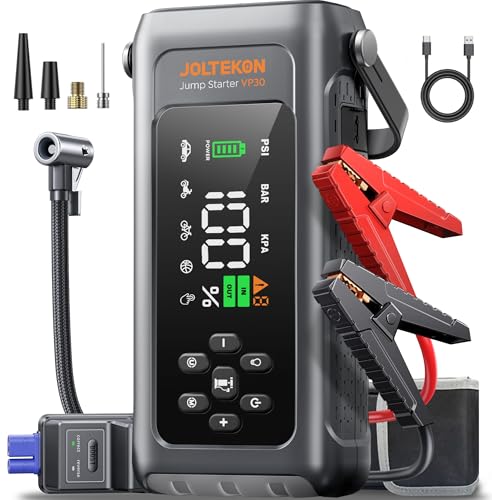
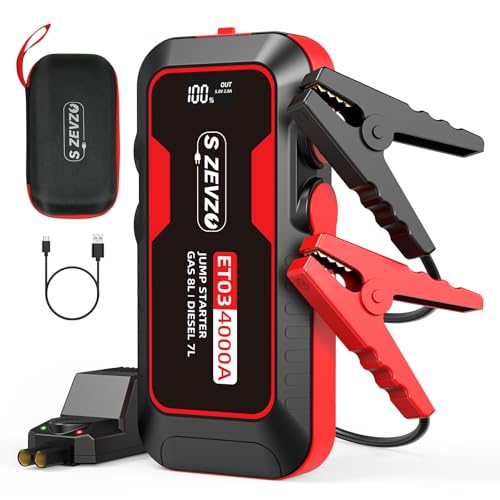


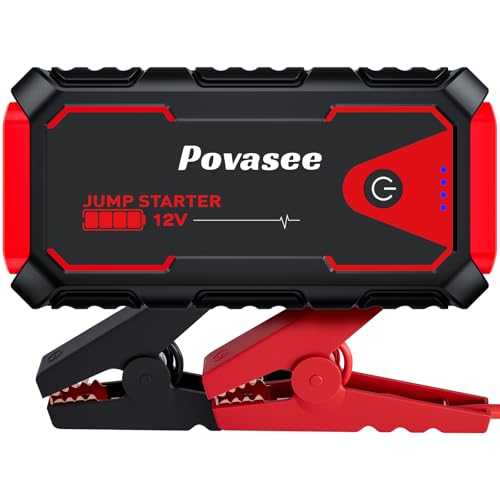
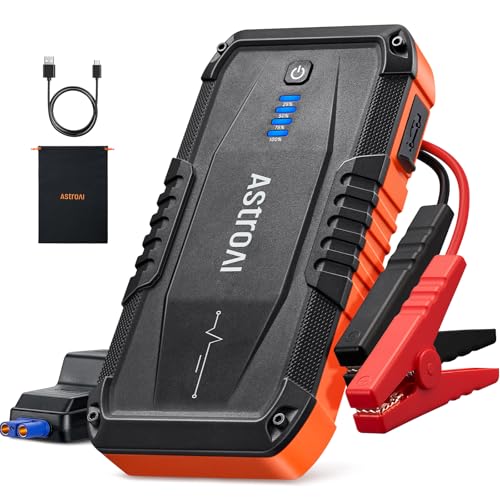

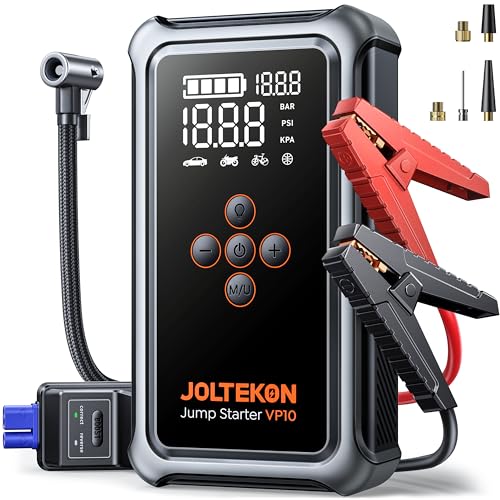
Types of Battery Starters Compared
Every portable starter does one job: lend your starter motor enough current to turn the engine when the vehicle battery cannot. The types differ in capacity, clamp quality, and how much neglect they tolerate between uses. Drivers comparing a best car battery starter across these classes should match the class to the engine first and the gadget list last.
| Type | Best For | Strengths | Tradeoffs | Typical Price |
|---|---|---|---|---|
| Compact lithium unit | Small and mid size cars | Light, glovebox friendly, fast charging | Limited reserve for repeated cranks | about $50 to $90 |
| Budget unit | Occasional use on one car | Low cost, simple controls | Thinner clamps, slower recharge | about $30 to $60 |
| Heavy duty unit | Trucks, diesels, large engines | Strong cranking reserve, sturdier clamps | Heavier, higher price, bigger case | about $90 to $180 |
Compact Lithium Units
Compact units pair a lithium pack with short, thick cables and a case that fits a glovebox or door pocket. They suit gasoline cars and small SUVs that start easily in mild weather, and their light weight means the unit actually stays in the car. Their limit is reserve: several failed cranks on a cold morning can drain one, so the engine must be healthy apart from the flat battery.
Budget Units
Budget units cover the basics for drivers who expect to use a starter once a year or less. Expect simpler displays, thinner clamp springs, and slower charging through smaller ports. They start modest engines reliably when kept charged, which makes the storage routine the whole game at this price. If your car is older, parks outside, or turns over slowly on cold mornings, this class leaves too little margin.
Heavy Duty Units
Heavy duty units carry larger packs, stronger clamps, and cases built for truck beds and workshop shelves. They are the honest choice for diesels, big gasoline engines, and anyone who may help other drivers as well. Shoppers reading about the best auto battery jump starter for fleet or farm use land in this class, because cranking reserve matters more than pocket size. The weight is the trade: a unit left at home in a garage helps no one at the roadside. For a wider look at the category, see our guide to the best car jump starters.
Compact Units vs Budget Units: Which Should You Choose?
These two classes overlap in price, so choose by margin rather than by label. A compact unit usually offers better clamps and faster charging in a smaller case, while a budget unit may quote a higher peak figure with weaker hardware behind it. If your engine is small and your winters mild, either class works when charged.
If the car sits for weeks between drives, pick the compact class for its quicker top up routine. Drivers of larger engines should skip both and use the product table to step up a class.
How to Choose the Best Battery Starter
Connection Order and Safety Come First
Connection order is a safety class, not a detail. The maker order is followed exactly: clamps go on in the printed sequence, the ground clamp connects last to a solid metal point away from the battery, and it is removed first when the job is done. A spark near a battery is a hazard class of its own, since batteries vent gas that a spark can ignite. Keep faces away, skip smoking, and stop if a clamp feels hot or a case swells. Always follow the manufacturer's instructions.
Engine Size Decides the Unit Class
The engine class decides the unit class. Cranking figures are maker classes, quoted as peak numbers under ideal conditions, so read them against your engine size and fuel type rather than as a contest. Diesels and large engines demand far more from a starter than small gasoline engines do. Star averages on listings for the best rated battery jump starter compress many engine sizes into one score, so treat them as a rough screen and not a fit test.
Clamps and Cable Build
Clamps carry the whole current in a few seconds, so their build matters more than extra ports. Look for solid jaws with strong springs, thick short cables, and insulation that stays flexible in cold weather. Thin stamped clamps arc and heat on poor contact, wasting the charge you needed for the crank. A unit with modest figures and serious clamps often starts more cars than a flashy box with weak hardware.
Extra Ports, Lights, and Displays
Phone charging ports, work lights, and charge level displays are useful servants and poor masters. A clear display earns its place because a starter is only as good as its stored charge, and guessing helps no one. A bright light helps at night clamps, and a phone port can matter during a long wait for help. Pay for these after engine fit, clamp quality, and capacity are settled, never before.
Size, Weight, and Where It Lives
The right size is the size that stays in the vehicle. A compact unit in the glovebox beats a heavy duty unit in the garage every single time. Measure the storage spot you truly have, including the case and cables, and pick the class that fits it. When you compare the best battery starter candidates on your list, this one habit, keeping the unit aboard and charged, predicts success better than any figure on the box.
Setup and Care Tips
Read the manual before the first use, charge the unit fully, and set a reminder to check it about every three months. A stored unit loses charge slowly on its own, so the storage check is part of owning the class, not an optional extra. Unlike a battery powered vacuum, which drains a pack in minutes of active work, a starter pack spends its life waiting and must be ready on the worst day. Store it dry, away from extreme heat, and inspect clamps and cables for cracks or corrosion each time you top it up.
Battery Starters: Your Questions Answered
Can a battery starter start a completely dead battery?
A starter can start most flat batteries, but a battery that has failed internally or sat dead for months may not accept a start at all. Repeated failed cranks drain the unit and heat the clamps, so two or three honest attempts are the limit. If the engine still refuses, the fault likely sits in the battery, the starter motor, or a connection, and a mechanic is the next step.
Are higher priced battery starters worth it?
Higher prices buy cranking reserve, stronger clamps, and clearer charge displays, which matter most on large engines and cold mornings. For a small car in a mild climate, the middle band covers the job and the saving is real. The same caution applies to the best rated car battery jump starter pages: a high score earned on small sedans says little about a diesel truck in winter.
How often should a battery starter be recharged when stored?
Check the charge about every three months and top it up whenever the display drops, because stored packs lose charge slowly even in a drawer. Heat speeds that loss, so a unit kept in a hot trunk needs more frequent checks. Make the check part of a seasonal routine, like tire pressure before a trip, and the unit will be ready when it is finally needed.
How much should I spend on a battery starter?
Most car owners land between about $50 and $90 for a compact unit with sound clamps and a clear display. Budget units under that band suit small engines and rare use, while trucks and diesels justify about $90 to $180 for reserve. Spend first on engine fit and clamp quality, and let lights and ports take what remains of the budget.
Can a battery starter damage a vehicle electrical system?
A correctly connected modern unit carries protections against reversed clamps and short circuits, which guard both the car and the user. Damage risk rises when clamps are forced onto corroded posts, swapped by mistake, or left sparking on poor contact. Follow the printed connection order, clean the posts first, and remove the unit once the engine runs rather than leaving it attached.
Final Thoughts
Match the class to the engine, respect the connection order, and keep the unit charged and aboard. Judged by those three habits, the best battery starter is simply the one in the product table that fits your vehicle and your storage spot.

