Best Bike Watches: A First Time Buyers Guide for 2026
Disclosure: We may earn a commission when you buy through links on this page, at no extra cost to you. As an Amazon Associate I earn from qualifying purchases. Learn more

Compare bike watches by GPS accuracy, battery life, display and durability, and choose one that matches your rides and training habits before you buy.
A bike watch sits between a simple timepiece and a full bike computer, giving route, speed and training data on your wrist without a handlebar mount. best bike watches differ in GPS quality, battery life, display and durability, and the right one depends on how you ride, how long you ride and how much data you actually use. This guide compares those factors in practical terms.
Wrist data is useful after a ride and for training, but it is harder to read than a handlebar screen during a fast descent. That means a bike watch should be easy to glance at, secure on the wrist, and able to record a ride even when you do not look at it often. Battery life in GPS mode matters far more than battery life in watch mode, especially on long weekend rides.


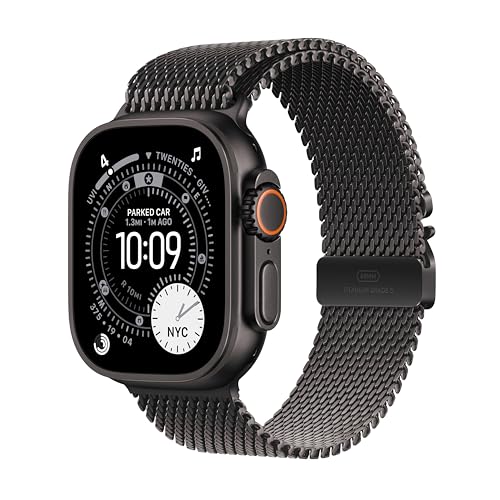

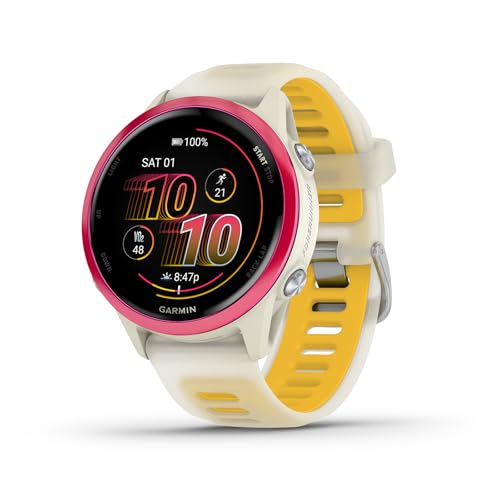
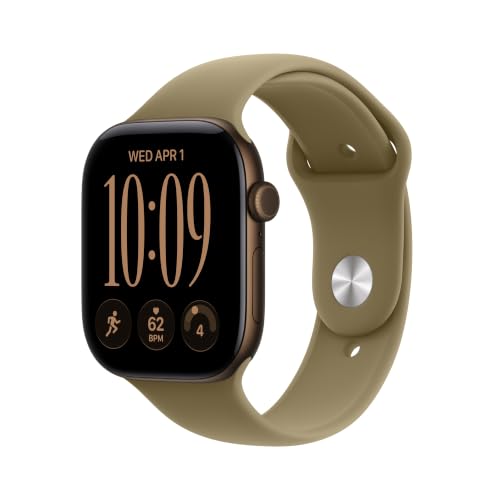
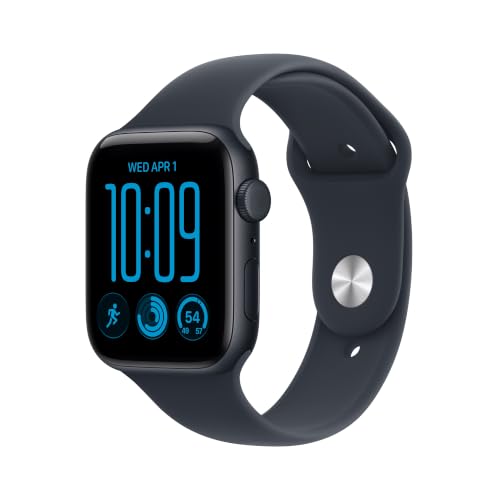


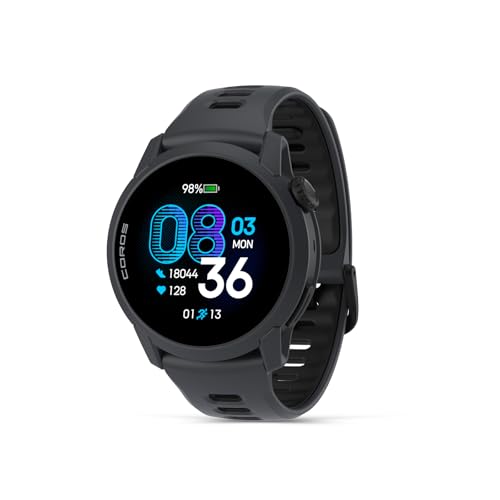
The comparison table below summarises the main types side by side, and the sections that follow explain how to use it for your own routine.
Who Should Buy
Bike watches suit road riders, mountain bikers, commuters and triathletes who want ride records and training data. They suit riders who also run or swim and want one device for all sports. They are less suited to riders who need a large live map on the bars, or to anyone who needs medical grade heart data, which wrist watches do not provide.
Types Compared
Each type below suits a different routine, so read the trade offs rather than looking for a single winner for everyone.
GPS multisport watches
Multisport watches track cycling, running and swimming with GPS, heart rate and training metrics. They suit athletes who train across sports and want one record of everything.
Cycling focused watches
Cycling focused watches prioritise ride data, sensors and route following. They suit dedicated riders who want detailed cycling metrics without extra sport modes.
Smart watches with ride modes
Smart watches add notifications and apps to basic ride tracking. They suit daily wear and casual rides, though GPS battery life and sensor accuracy vary.
Rugged outdoor watches
Rugged outdoor watches add compass, altimeter and stronger cases for mountain and adventure riding. They suit rough terrain and long days outside, though they are larger and heavier.
Key Features to Compare
Use these features as a checklist when you compare models in the product table above, and note which ones matter most for your daily use.
GPS accuracy and route use
Check GPS mode battery life, route import and how clearly the watch shows turns. A watch that dies mid ride or loses signal in trees frustrates route riders.
Display readability
A high contrast display with large ride data helps on the move. Test readability in sun and with gloves, since a beautiful watch face can be hard to read at speed.
Heart rate and sensors
Wrist heart rate supports general training trends, while a chest strap gives steadier data. Check sensor pairing for speed, cadence and power if you train with those numbers.
Battery life
Compare GPS hours, not watch mode days, against your longest ride. Multi day riders need charging plans, while commuters can charge nightly without worry.
Durability and comfort
A secure strap, tough glass and a case that does not catch on sleeves matter on rough roads. The watch should stay snug without cutting circulation.
How to Choose
Start with your longest ride and your must have data, then choose a watch whose GPS battery covers that ride with margin. Compare the comparison table above, and check strap fit with gloves and jackets. Fitness readings are general wellness information, not medical measurements, and chest pain, dizziness or unusual breathlessness during riding deserve prompt care and a clinician check.
For a related angle, see our guide to best mountain bike watch, which covers a neighbouring choice that many buyers compare before deciding.
For a related angle, see our guide to best quality watches, which covers a neighbouring choice that many buyers compare before deciding.
For a related angle, see our guide to best mountain bike gps watches, which covers a neighbouring choice that many buyers compare before deciding.
For a related angle, see our guide to best mountain bike gps watch, which covers a neighbouring choice that many buyers compare before deciding.
For a related angle, see our guide to best workout watches, which covers a neighbouring choice that many buyers compare before deciding.
Common Mistakes to Avoid
Judging battery by watch mode
Watch mode can last weeks while GPS mode lasts hours. Always compare GPS hours for your longest ride, and plan charging for tours and events.
Overloading the display
Too many data fields make a small screen hard to read. Show only speed, distance, time and heart rate while riding, and review the rest after.
Ignoring strap fit
A loose strap slides, misreads heart rate and distracts you. Fit it snugly before a ride, and adjust it as wrists swell in heat.
Planning for Everyday Use
Before a ride, charge the watch, lock GPS outdoors and check sensor pairing. After a ride, review data for trends rather than single numbers, rinse sweat from the strap, and dry the case before charging. Regular software updates keep maps and sensors working, so update at home rather than before a big ride.
A Final Check Before You Buy
Compare at least two different approaches before deciding, even if you already favour one, because a second option often reveals a cost or benefit you had missed. A watch in a different size, material or power level can change daily use more than a brand name, and a short side by side test at home or in a shop is worth more than hours of reading specifications. Pay attention to weight, noise, size and ease of cleaning during that test, since those factors shape daily satisfaction more than headline numbers. Note also how the item feels after ten minutes of use, not only in the first minute, because comfort and control problems appear with time.
Before ordering, check that you have room to store the item, a safe place to use it, and time to learn its basic care. A purchase that needs a new shelf, a special cleaner or a long setup routine may still be worth it, but only if you plan for those needs in advance. Read warranty terms, delivery terms and return terms carefully, and keep all paperwork together until you are sure the item suits your routine. A careful final check saves the cost and hassle of a return, and it turns a hopeful purchase into a confident one.
Getting the Most From Your Choice
GPS watch setup deserves a short practice ride before any important event, because menus, data screens and sensor pairing behave differently outdoors than they do at a desk. Ride a familiar route, check that GPS locks quickly, that the display shows speed and distance clearly, and that alerts do not distract you at junctions. Adjust data fields after that ride, removing anything you ignored, and keep only the numbers you actually glanced at, since a clean screen is safer and easier to read at speed than a crowded one.
Battery planning also matters on longer rides, especially in cold weather when capacity falls faster than expected. Start long rides with a full charge, lower screen brightness, and turn off maps or sensors you do not need for that route, since those settings extend GPS time noticeably. Carry a small charger for multi day trips, and charge the watch at home rather than relying on a cafe stop, since charging mid ride interrupts recording and navigation. A watch that is charged, paired and set up before departure lets you focus on riding rather than on device management.
Frequently Asked Questions
How long should GPS battery last?
GPS battery should cover your longest ride with margin, plus time for navigation and pauses. A watch that barely covers a typical ride will fail on a longer day or in cold weather.
Is wrist heart rate enough for training?
Wrist heart rate suits general training zones and trends, though it can lag during intervals. A chest strap gives steadier readings for interval work and racing, if accuracy matters to you.
Can a bike watch navigate routes?
Many GPS watches follow imported routes with turn prompts, though screens are small. A handlebar computer shows maps more clearly, so watches suit familiar routes and simple navigation best.
Do I need a power meter with a watch?
Power data helps serious training, but it needs a compatible power meter on the bike. Casual riders gain more from consistent riding and basic heart rate data than from power numbers.
How waterproof should a bike watch be?
Rain and sweat need solid splash resistance, while swimming needs a proper swim rating. Avoid hot showers with most watches, since heat can harm seals over time.
Final Thoughts
Choose a watch that records your longest ride, reads clearly at a glance and stays comfortable for hours. Compare the product table above, keep data fields simple, and treat fitness numbers as trends. best bike watches should record rides faithfully and stay out of the way, not demand constant attention on the road.