
Best Bike Shoes for Wide Feet for 2026: Roomy Fit, Strong Pedalling
Disclosure: We may earn a commission when you buy through links on this page, at no extra cost to you. As an Amazon Associate I earn from qualifying purchases. Learn more

Wide feet need a wide last, not just a bigger size. Compare closures, soles and cleats to find the best bike shoes for wide feet.
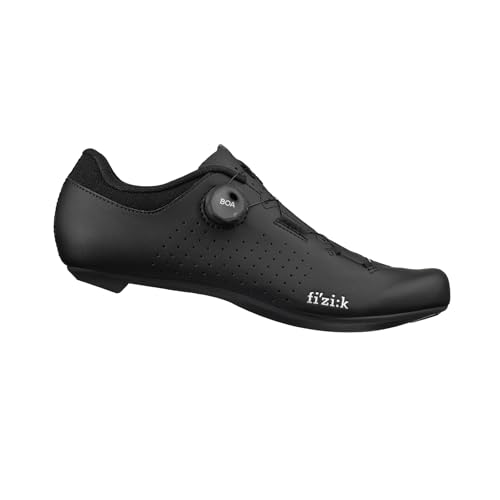
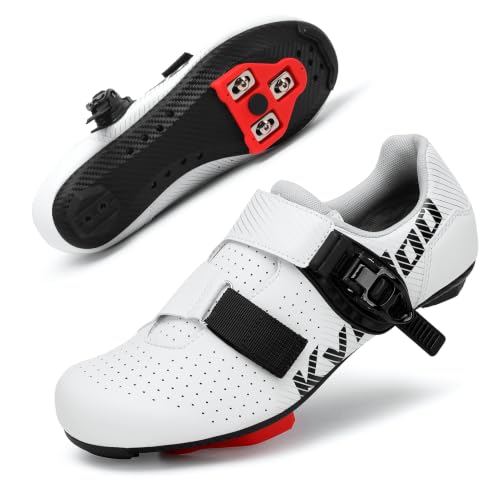
Wide feet need shoes built on a wide last, not simply a larger size, which is why best bike shoes for wide feet focus on fit first. A shoe that squeezes the forefoot causes numbness, hot spots and lost power on long rides. The comparison table below compares wide fit options across road, gravel and mountain styles.
Measure both feet at the end of the day, when feet are largest, and compare width as well as length. Many brands offer wide versions, but wide dimensions vary, so check actual last measurements rather than trusting the label alone.



Who Should Buy Best Bike Shoes for Wide Feet?
Your riding style and foot shape shape the wide shoe you need.
For Road Riders
If you ride road bikes, a stiff soled wide shoe transfers power efficiently without squeezing the forefoot. Look for wide lasts with adjustable closure that accommodates a high instep too.
For Gravel Riders
If you ride mixed surfaces and walk sections, a wide gravel shoe with grip and walkability matters. A slightly more flexible sole helps off bike sections without sacrificing pedalling.
For Mountain Bikers
If you ride trails, a wide mountain shoe with rugged soles and toe protection suits best. Secure closure prevents foot movement on rough descents.
For Commuters
If you ride to work, a wide shoe that walks comfortably and looks acceptable off the bike is ideal. Consider shoes with recessed cleats for easier walking.
Key Features to Compare
Fit features matter more than weight or style for wide feet.
True Wide Last
A genuine wide last widens the forefoot and toe box, not just the overall shoe. Check maker width measurements and reviews from wide footed riders, since wide labels vary between brands.
Closure System
Dials, straps and laces each adjust differently. Dials offer fine tuning on the fly, straps are simple and reliable, and laces conform well to unusual foot shapes. Choose the system you can adjust easily mid ride.
Sole Stiffness
Stiff soles transfer power efficiently but can feel harsh on wide feet if the fit is wrong. A moderately stiff sole suits most riders, while very stiff soles suit racers who prioritise power.
Cleat Compatibility
Road shoes use three bolt cleats, while mountain and gravel shoes use two bolt cleats. Confirm compatibility with your pedals before ordering, since adapters add stack height and complexity.
Walkability and Grip
Recessed cleats and rubber tread make walking easier and safer at cafes and trailheads. Road shoes with exposed cleats walk awkwardly, so consider your off bike time honestly.
Common Mistakes to Avoid
Wide foot riders often make these fit mistakes.
- Sizing up in length to gain width, which leaves the heel slipping and toes cramped differently.
- Trusting a wide label without checking actual last measurements.
- Ignoring instep height, which affects closure fit as much as width.
- Breaking in shoes on a long ride instead of short rides first.
- Skipping insoles that could improve fit and support.
Tips to Get the Most From Your Choice
Try wide shoes on late in the day with your cycling socks, and walk around before deciding. Adjust closures gradually during the first rides, and note any numbness or hot spots early. Replace shoes when soles flex excessively or closures fail, and talk with a clinician or bike fitter if foot pain, numbness or swelling persists despite proper fit.
What Your Money Gets You at Each Price Tier
Budget Tier
Basic wide shoes offer roomier fits and acceptable stiffness for casual riding. They suit commuters and occasional riders, though closure refinement is simpler.
Midrange Tier
Most wide footed riders find the best value here, with true wide lasts, better closures and balanced stiffness. Regular road, gravel and trail riders are well served.
Premium Tier
Spending more buys refined wide lasts, premium closures and lighter, stiffer soles. It suits serious riders who log many hours weekly and need precise fit.
Related Guides Worth Reading Next
If you want to compare wide fit cycling and walking shoes, read our guide to best mountain bike shoe for wide feet next. Also read our guide to best road bike shoes for wide feet next. Also read our guide to best shoes for wide feet next. Also read our guide to best wide bike shoes next. Also read our guide to best dirt bike boots for wide feet next.
Best Bike Shoes for Wide Feet: Your Questions Answered
How do I know if I need wide bike shoes?
If standard shoes pinch the sides of your feet, cause numbness or leave red marks across the forefoot, you likely need a wide last. Measure foot width and compare with maker sizing charts. A bike shop fit check can confirm the need quickly.
Should I size up instead of buying wide?
Sizing up adds length, not width, and often causes heel slip and toe overlap issues. A true wide shoe in your correct length fits better. Only size up if the maker specifically recommends it for your foot shape.
Do wide shoes work with all pedals?
Wide shoes use the same cleat standards as standard shoes, so pedal compatibility depends on shoe type, not width. Road shoes fit road pedals, mountain shoes fit mountain pedals. Check cleat type before ordering.
Can insoles help wide feet in bike shoes?
Yes, supportive insoles can improve comfort and alignment, but they also take up volume. Choose thin insoles for tight shoes or remove the stock insole first. A bike fitter can advise on insole and fit combinations.
How should wide bike shoes feel on first wear?
They should feel snug at the midfoot with room for toes to spread and no side pinching. Mild snugness settles as shoes break in, but sharp pressure or numbness signals a wrong fit. Try them on a short ride before a long one.
Getting the Fit Right for Wide Feet
Measure both feet in the evening while wearing cycling socks, since feet swell through the day and left and right feet often differ. Use the larger foot for sizing, and compare length and width against maker charts rather than assuming your usual shoe size. Width varies between brands, so charts matter more than habit.
Next, try shoes on with the insoles and socks you will actually ride in. Insoles add volume and change fit, while thick winter socks need more room than summer socks. Walk around, flex your feet and check for side pinching or toe crowding before deciding, since cycling multiplies small fit problems over hours.
Finally, test closures at riding effort, not just standing still. Tighten dials or straps as you would mid ride and check whether pressure points appear when feet swell. A shoe that feels perfect standing may pinch after an hour of pedalling, so a short test ride tells you far more than a shop fitting alone.
Care and Replacement for Cycling Shoes
Air cycling shoes after every ride and remove insoles to dry, since sweat and moisture degrade materials and cause odour. Clean uppers with a damp cloth and keep shoes out of direct sun and heat, which warp soles and fade materials. Rotate two pairs if you ride daily, giving each pair a full day to dry.
Inspect soles, cleats and closures regularly. Worn cleats affect clipping in and out and can damage pedals, while stretched closures let feet move and cause hot spots. Replace cleats when release feels vague or walking feels uneven, and replace shoes when soles flex excessively or uppers tear.
If foot pain, numbness or swelling persists despite well fitting wide shoes, talk with a clinician or bike fitter. Persistent symptoms can signal nerve compression, poor cleat position or an underlying foot condition. Professional fitting often solves problems that shoe shopping alone cannot.
Do wide cycling shoes look bulky?
Modern wide cycling shoes look much like standard shoes, with extra room hidden in the last shape rather than obvious bulk. Most riders notice comfort long before appearance. Prioritise fit over looks, since a comfortable shoe you ride often beats a sleek shoe that hurts.
One Last Tip Before You Decide
Cleat position affects wide feet more than many riders realise, since a cleat placed too far inward or outward twists the foot during pedalling. Start with a neutral position under the ball of the foot, ride short distances and adjust in tiny increments. A bike fitter can fine tune cleat placement quickly if knee or foot discomfort persists.
Final Thoughts
Choose a true wide last, check closure and cleat compatibility, and let the product table above guide your shortlist. Best bike shoes for wide feet should feel roomy without feeling loose, so try them on carefully and trust your feet over labels. Comfortable feet pedal stronger and ride longer.


