
Best Bike Grips Mountain Biking: What Actually Matters Before You Buy for 2026
Disclosure: We may earn a commission when you buy through links on this page, at no extra cost to you. As an Amazon Associate I earn from qualifying purchases. Learn more

Run through a clear checklist for the best bike grips mountain biking needs: fit, clamp security, rubber, sizing and value, plus red flags to avoid.
Two grips can look identical in photos and feel completely different after an hour of roots and braking bumps. The difference hides in details most listings barely mention: clamp design, rubber hardness, diameter and how the tread sheds water. This article gives you the checklist we would use to judge any grip before money changes hands.
Work through the criteria below, then compare the options in the comparison table below against them. By the end you will know which specs to check, which claims to ignore, and how to spot the best bike grips mountain biking choices for your hands without guessing.


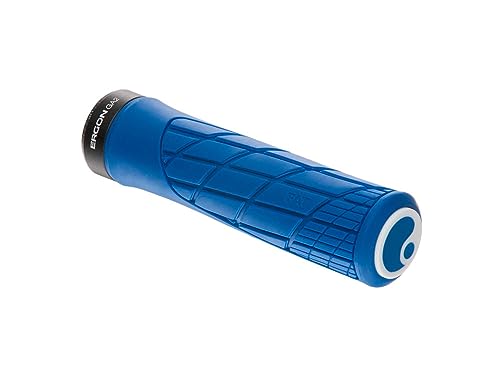

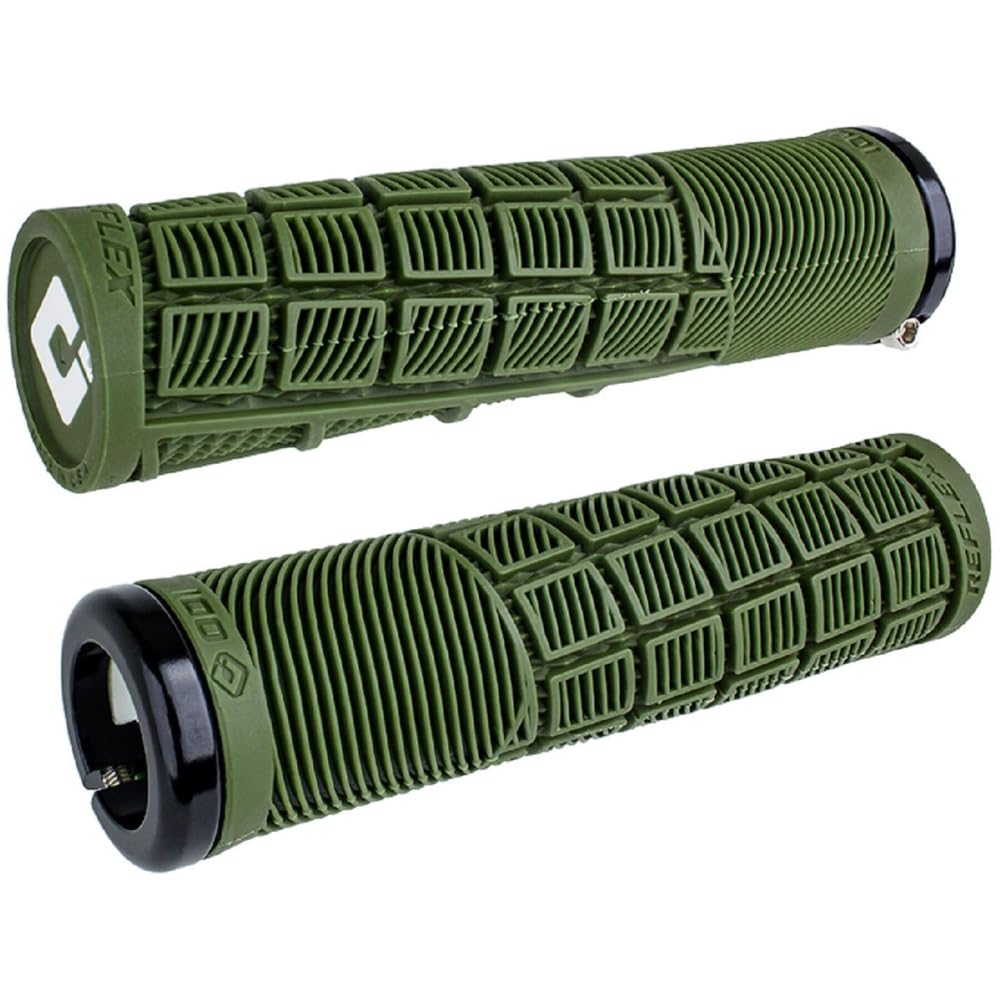
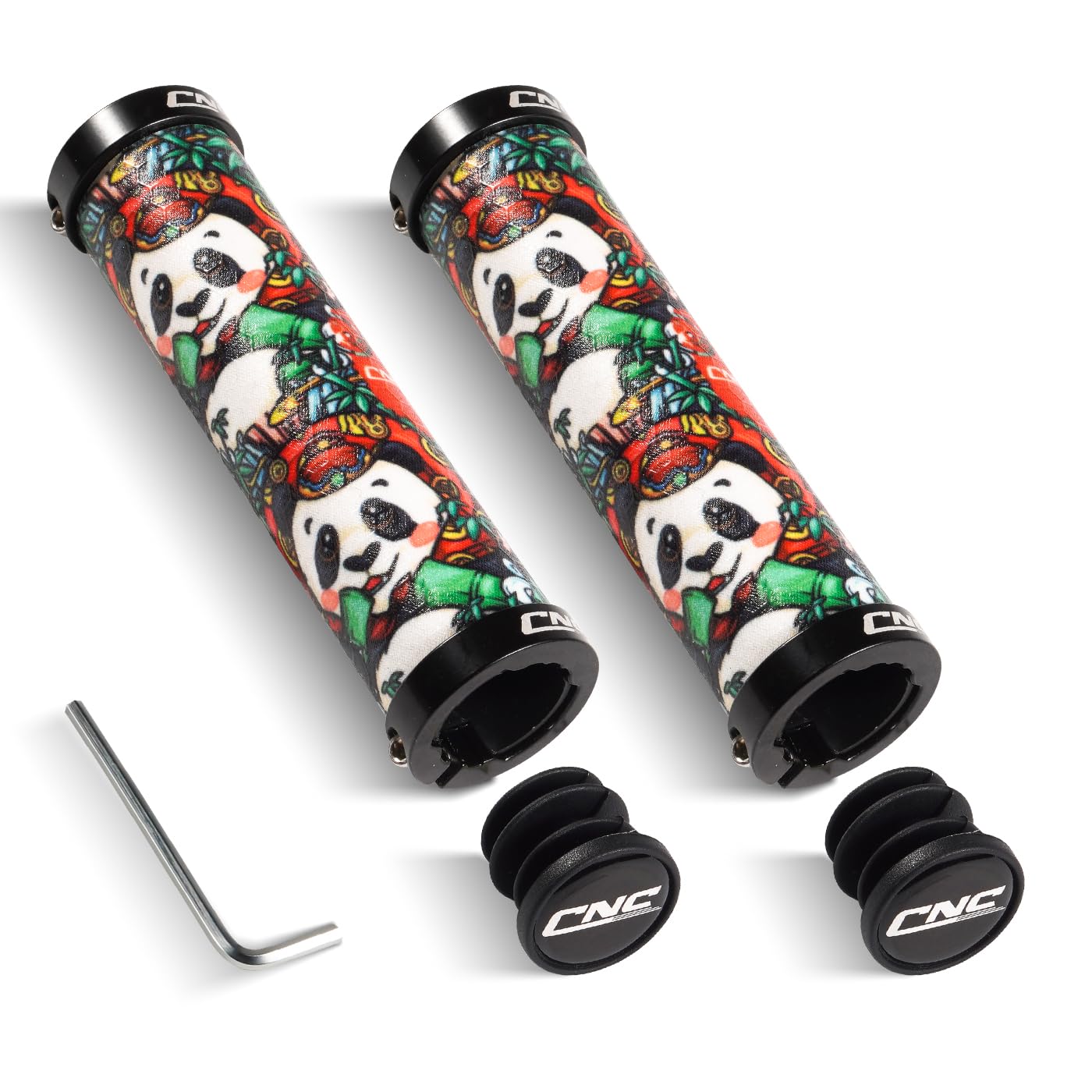


How to Evaluate Bike Grips for Mountain Biking
Each criterion below includes a simple good and poor threshold, so you can score a listing in seconds. A grip does not need to win every category, but it should never fail the first three, because those decide safety and comfort on the trail.
Compatibility With Your Bike or Gear
Good means the listing states a 22.2 mm bar fit, a length near 130 mm and compatibility with standard brake levers and shifters. Poor means no dimensions at all, or a grip so long it pushes your controls inward. Riders with twist shifters need shorter grips, and riders who mount lights or a computer should confirm the clamp leaves bar space free. If you are building a full cockpit, our guide to the best bike for mountain biking shows how the parts share the same bar.
Performance Specs
For grips, performance means traction and damping. Good signs include a tacky rubber feel, a tread with raised blocks or channels, and a diameter matched to your hand size, roughly 30 mm for smaller hands and 32 to 34 mm for larger ones. Poor signs include glossy smooth rubber, which turns slick with sweat, and very thin walls that transmit every vibration. Press a thumbnail into the rubber in a store: it should dent slightly, not feel like hard plastic.
Mounting and Ease of Installation
A single bolt lock on clamp is the benchmark. It installs with a hex key, holds through mud and crashes, and removes cleanly when the grip wears out. Double clamp designs hold just as well but add weight and cost. Slide on grips are the weak point in this category: they can rotate after water gets underneath, and removal usually means cutting them off. Good listings print a torque value for the clamp bolt, which tells you the maker expects real trail use.
Value and Warranty
Grips are wear items, so value means cost per season, not the lowest sticker. A grip around $20 to $35 with a metal clamp and replaceable rubber usually outlasts two bargain grips. Check whether the brand sells replacement rubber sleeves, because swapping sleeves costs less than a full new set. Warranty coverage is modest in this category, but a maker that covers clamp defects for a year or more signals confidence. Vague listings with no brand behind them rarely honor any promise.
Materials and Weight
Rubber over a plastic core with an aluminum clamp is the proven formula. Softer compounds, sometimes described by durometer, grip better and wear faster. Silicone grips feel plush and resist weather, while foam suits weight conscious cross country riders who accept a shorter life. Total weight between about 60 and 130 grams per pair is normal, and chasing the lightest option sacrifices durability for a gain you cannot feel. Bar plugs should be sturdy plastic or metal, never thin caps that pop out.
Grip Profiles That Pass the Checklist
Rather than naming models, use these three profiles to match the grips in the product table above to your riding. Each profile lists who it suits, what it does well and the compromise to accept.
All Round Profile
The all round profile is a single clamp lock on grip with medium soft rubber, a mixed tread of small blocks and channels, and a diameter near 31 to 32 mm. It suits trail and cross country riders who ride in all weather. Strengths include secure mounting, good wet grip and a life of at least a full season for weekly riders. The compromise is that it is not the plushest option for very rough descents, and the rubber will wear faster than a hard compound grip.
Value Profile
The value profile keeps the metal clamp and skips cosmetic extras: one rubber color, a simple tread and standard length. It suits new riders and anyone building a second bike. Expect secure mounting and decent damping at around $15 to $25. The compromise is tread life and wet weather tack, both a step below premium rubber. Our comparison of the best grip for mountain bike styles shows how these small compound differences feel on longer rides.
Compact Profile
The compact profile is shorter, near 100 to 120 mm, and slimmer, near 30 mm, for small hands or bikes with twist shifters. It suits smaller riders and anyone whose controls crowd the bar. Strengths include full lever reach and a secure, close hold that reduces forearm fatigue. The compromise is less surface for riders who move their hands around, and fewer model choices. Downhill riders with large hands should look at thicker profiles instead, as our guide to the best bike for downhill mountain biking explains for cockpit setup generally.
Quick Buyer Checklist
- Does the listing state a 22.2 mm bar diameter and a grip length that fits your controls?
- Does the grip use a metal lock on clamp with a printed torque value?
- Is the diameter right for your hand size, near 30 mm for small hands and 32 mm or more for large hands?
- Does the tread include channels or blocks that shed water?
- Are bar end plugs included and firmly attached?
- Can you buy replacement rubber sleeves, or is the whole grip disposable?
- Does the price, usually about $15 to $35, fit your cost per season plan?
Red Flags to Watch For
Walk away from listings with no stated dimensions, because a grip that does not fit your bar or controls is useless at any price. Be wary of rubber described only with marketing words and no compound or hardness detail. Missing bar plugs are a safety flag, since an open bar end can cause injury in a crash. Extremely low prices paired with glowing generic reviews often hide hard, slippery rubber. Finally, avoid grips that require glue for normal use, because a trail grip should stay put by design, not by adhesive.
Care and Maintenance Tips
Check fit and tightness before each ride by twisting both grips hard; any movement means the clamp needs attention before you ride. Wash grips with mild soap and water when sweat and trail grime build up, because embedded grit speeds wear. After a crash, inspect the clamp and bar plug, and replace a torn grip right away. A grip with exposed bar underneath can slip at the worst moment, so treat damage as a replacement trigger, not a cosmetic issue.
FAQs
How often should I replace bike grips?
Replace them when tread wears smooth, rubber hardens, or the clamp can no longer stop rotation. Weekly riders often reach that point in one to two seasons, while soft race compounds can wear in months. One useful check is glove slip: if clean gloves slide on a clean, dry grip during a firm pull, the rubber has aged beyond its useful life.
Do lock on grips need glue or hairspray?
No. A lock on grip with a bolted clamp holds without adhesive, which makes removal easy and keeps the rubber clean. Slide on grips are the type that sometimes use a little grip glue or hairspray during fitting, but they are more likely to spin later if water gets underneath.
What certifications should I look for in bike grips?
Grips have no formal safety certification, so rely on construction signals instead: a metal clamp, stated dimensions, torque markings and secure bar plugs. Helmets and lights carry the certifications in a bike setup, not grips. If a listing advertises an impressive sounding standard without naming a real testing body, treat that as a marketing flag and judge the grip by its materials and measurements.
How do I choose the right grip size?
Match diameter to hand size first: smaller hands near 30 mm, average hands near 31 to 32 mm, and large hands 33 mm or more to spread pressure. Then confirm length against your shifters and brake levers. If you also compare options in our guide to the best handlebar grips mountain bike range, note that ergonomic shapes measure width differently from round grips, so compare the palm area, not just the number.
Are thicker grips better for sore hands?
Often yes. A slightly thicker grip spreads pressure across more of the palm and reduces the squeeze needed to hold the bar, which can ease numbness on long rides. Very thick grips can be awkward for small hands, so match the diameter to your hand size and try gentle changes first.
The Bottom Line
Judge every grip by clamp security, rubber quality and fit for your hands, and ignore weight claims and vague marketing. Use the checklist above on the product table above, pick the profile that matches your riding, and your best bike grips mountain biking choice will stay comfortable and secure season after season.


