
Best Bike Grips for Mountain Biking: Types Compared and How to Choose for 2026
Disclosure: We may earn a commission when you buy through links on this page, at no extra cost to you. As an Amazon Associate I earn from qualifying purchases. Learn more

Lock on, slide on, ergonomic and foam: compare the best bike grips for mountain biking by type, ideal rider and price range.
Grips look like the simplest part on the bike, yet the shelf holds lock on models, slide on models, ergonomic shapes, flanged designs and plush foam options that all feel different on the trail. Choosing badly shows up fast as numb hands, sore palms or a grip that twists in the wet.
This guide compares each type side by side so you can match the best bike grips for mountain biking to your hands, your gloves and your terrain. Use the comparison table below as a shortlist, then work through the type differences before you buy.


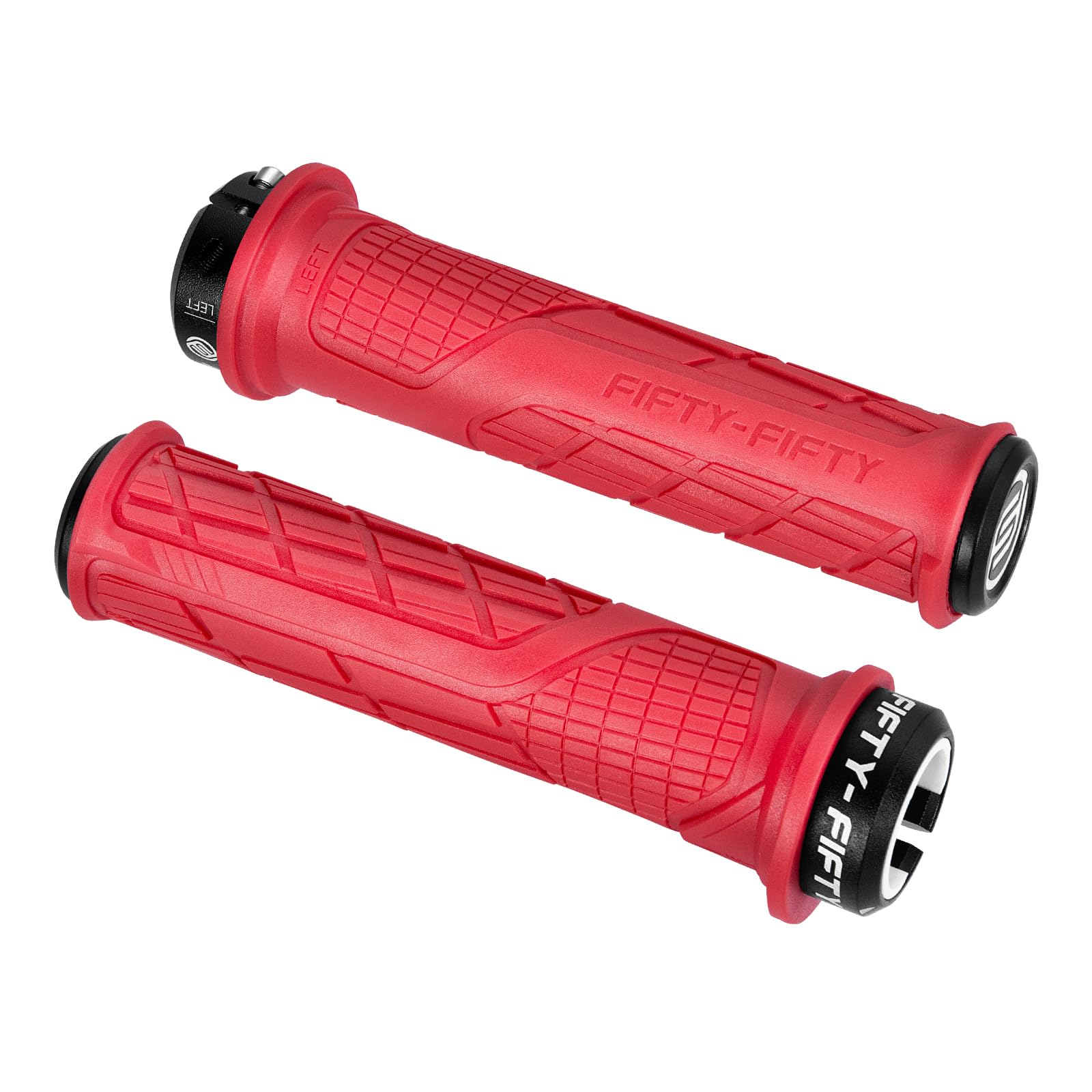


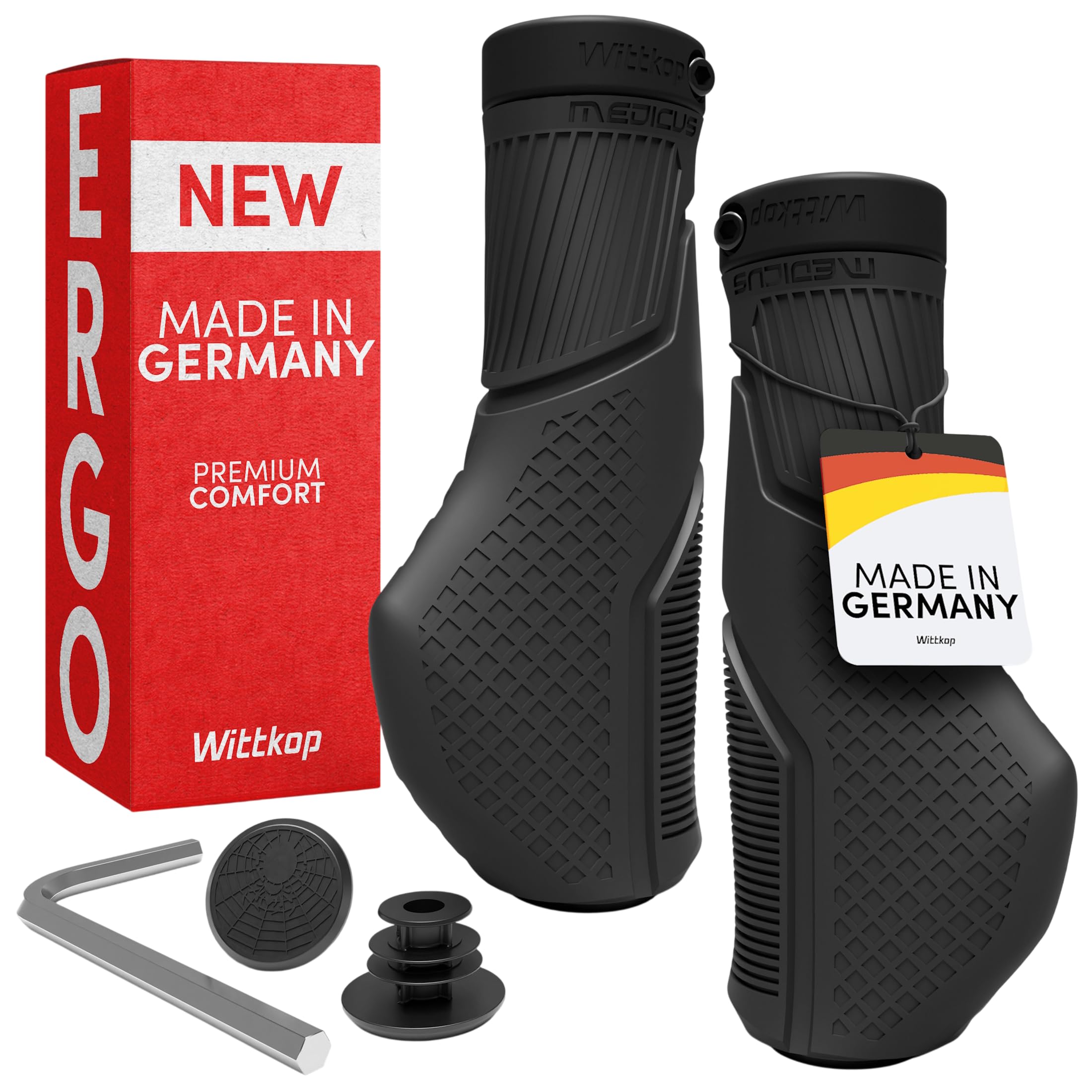

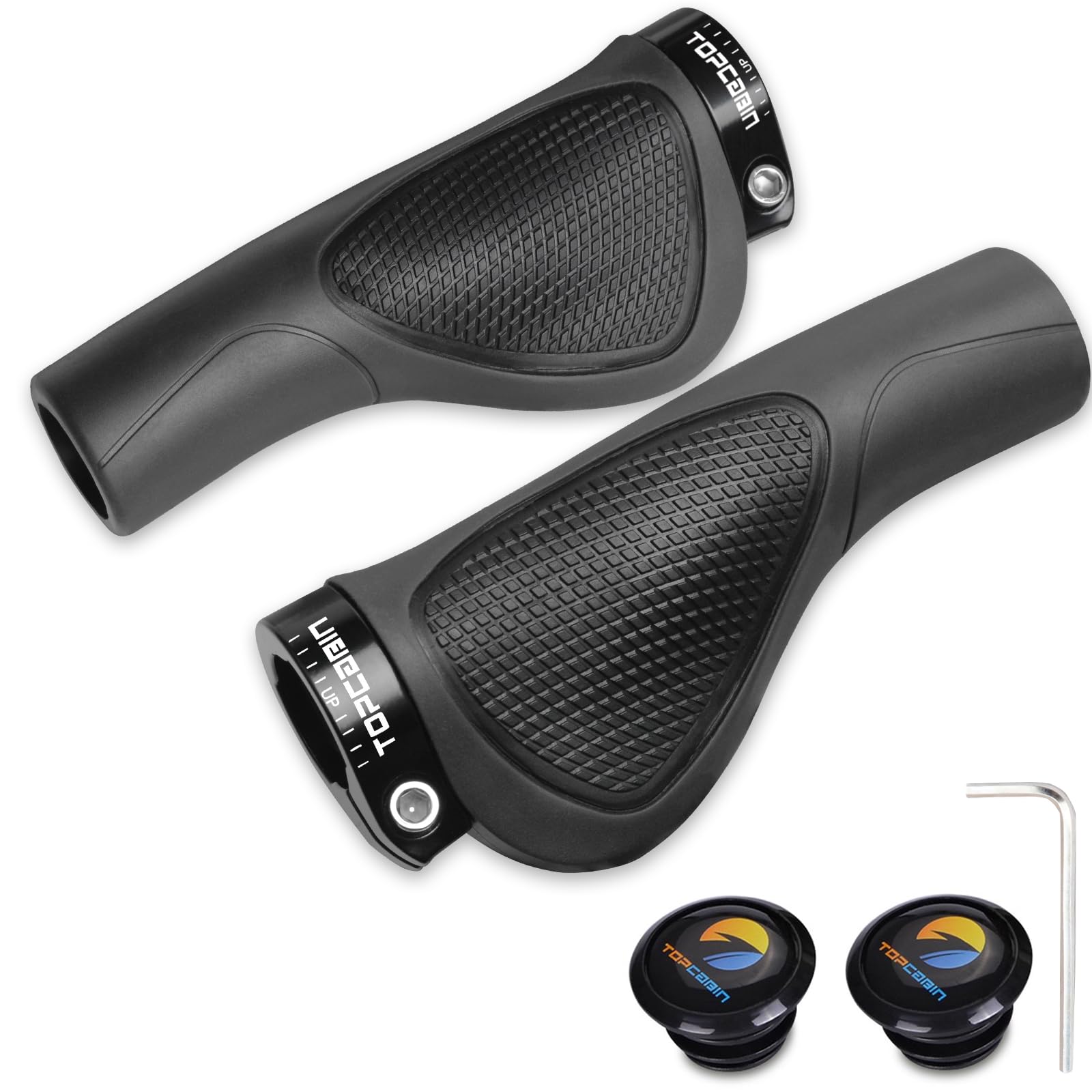
How Bike Grips Compare to Other Options
Mountain bike grips share a handlebar with many other grip styles, but they are built for standing pedaling, hard braking and rough descents. The three comparisons below show where trail grips differ from the alternatives you will see in the same store aisle, and when an alternative actually makes sense.
Bike Grips vs Budget Options
Budget grips, often under $10, are usually simple slide on rubber with no clamp. They feel fine on smooth paths, but the rubber compound is often harder, the tread pattern shallow and the grip can rotate on the bar after rain or sweat works underneath. Trail grips around $15 to $35 add a locking clamp, softer rubber and a patterned surface that channels moisture. If you ride once a month on easy trails, budget grips are acceptable. If you descend anything steep, the clamp and compound upgrade is worth the small price gap.
Bike Grips vs Motorcycle Options
Motorcycle grips do not fit a mountain bike, and the difference is more than looks. A motorcycle throttle grip has a larger inner diameter for the throttle tube, and the pair is sold as two different sizes. Bicycle bars use one standard diameter at the grip area, about 22.2 mm, for both sides. Motorcycle rubber also assumes a twisting throttle motion rather than a fixed hold under braking loads. Always buy grips made for bicycles, and check that the listing states the standard bicycle bar diameter.
Bike Grips vs Commuter Options
Commuter grips favor an upright posture, with wide ergonomic wings that spread pressure across the palm during seated riding. That shape works well on pavement but can limit hand movement on descents, where trail riders shift grip position and hang off the back of the bike. Our guide to the best handlebar grips mountain bike options explains how bar shape and grip shape interact. Choose commuter shaping only if your mountain bike mostly sees smooth paths and you rarely stand up on descents.
Who Should Choose Bike Grips?
Trail specific grips suit riders who stand on descents, ride in gloves or bare hands for an hour or more, and deal with vibration from roots and rocks. Cross country riders usually prefer a slimmer profile for a direct feel, while downhill and enduro riders pick thicker, softer grips for damping. If hand numbness is your main problem, look at ergonomic trail grips before changing anything else on the bike. Riders on a full mountain bike build can also read our guide to the best bike for mountain biking to see how cockpit parts work together. Pure road riders and indoor trainer users gain little from aggressive trail tread patterns.
How to Choose the Right Bike Grip
Compatibility With Your Bike or Gear
Nearly all mountain bike grips fit the standard 22.2 mm grip area, but length and inner diameter still matter. Measure your current grips: most trail grips run about 130 to 135 mm long. Riders with grip shifters need shorter grips or models designed to trim. Check clearance with your brake levers and dropper remote so the clamp does not crowd your controls. If you run bar ends or mirrors on a hybrid setup, choose grips with removable end plugs that leave room for those accessories.
Features That Matter for Mountain Biking
Mountain biking demands a grip that stays put under braking and soaks up vibration without feeling vague. A single clamp lock on design is the practical standard: it installs with one bolt, removes easily and resists twisting. Look for a tread pattern with channels that move water away from your palms, a slightly tacky rubber compound and integrated bar end plugs, which protect you and the bar in a crash. Riders who race downhill should also see our guide to the best bike for downhill mountain biking for how cockpit choices change with speed and gradient.
Materials and Weight
Most grips use rubber over a plastic inner sleeve, with an aluminum clamp on lock on models. Softer rubber compounds grip better and damp vibration but wear faster, while harder compounds last longer and feel less secure in the wet. Silicone and foam grips shave weight and absorb buzz well, yet they can feel squirmy under heavy braking. Grip weight ranges from about 60 to 130 grams per pair, a difference you will never feel on the trail, so choose by feel and durability rather than grams.
Heated Grips (Optional)
Standard grips need no power at all, which is one of their charms. The exception is heated grips for winter riding, which draw from a small battery pack or the bike battery on an e bike and run for a few hours per charge, usually through USB C or a brand specific charger. If you ride in cold weather with numb fingers, heated models solve a real problem. For everyone else, skip electronic extras and put the money toward better rubber and a solid clamp.
Mounting and Ease of Installation
Lock on grips install in minutes: slide the grip on, position the tread, and tighten the clamp bolt to the printed torque with a hex key. Slide on grips need help, such as a small amount of rubbing alcohol or compressed air, and they are harder to remove without cutting. Practical know how: after installing, grab each grip and twist hard before your first ride. Any movement on the stand means movement on the trail, so reseat or retighten until both grips feel completely solid.
Tips to Get the Most From Your Bike Grip
Check fit and tightness before each ride, especially after transport or a crash, because a loose clamp bolt is the main cause of a spinning grip. Replace grips when the tread wears smooth or the rubber turns hard and shiny, since worn rubber loses wet grip long before it falls apart. Rotate your hand position on long climbs to reduce palm pressure, and if you ride with lights or other bar mounted gear, confirm the grip surface stays fully covered by your hand rather than pushed inward by accessories.
FAQs
What features matter most in bike grips for mountain biking?
A secure lock on clamp, a tacky rubber compound and the right diameter for your hands matter most. Diameter is personal: smaller hands usually prefer about 30 mm, larger hands about 32 to 34 mm for less finger fatigue. Add integrated bar plugs for safety, and pick a tread pattern with drainage channels if you often ride in rain or sweat heavily in summer.
Should beginners choose thick or thin grips?
Match the grip to your hand rather than your skill level. Smaller hands usually feel more in control on grips near 30 mm, while larger hands prefer 32 to 34 mm. Beginners who grip hard from tension often like a slightly softer compound that damps vibration.
How do I keep bar space free for lights and controls?
Choose grips with a slim clamp and a length that matches your brake levers and dropper remote, so accessories do not push your hands inward. Keep lights and computers clear of the grip area so your hands keep full contact. See our overview of the best grip for mountain bike setups for how riders arrange bar space.
How often should I replace bike grips?
Replace grips when the tread pattern looks smooth, the rubber feels hard, or a lock on clamp no longer holds the grip still. For riders who ride weekly, that is often every one to two seasons. Silicone and soft rubber wear faster than hard compounds. A quick test: if your gloves slip on a dry grip during a hard pull on the bars, the compound has aged out.
What certifications should I look for in bike grips?
Grips carry no impact certification like helmets do, so judge them by construction instead. Look for a metal clamp rather than an all plastic one, bar plugs that meet the basic expectation of covering the open bar end, and clear torque markings. Reputable makers state the bar diameter and grip length plainly. Vague listings with no dimensions or clamp details are the ones to avoid.
How do I choose the right grip size?
Measure your hand from the tip of your middle finger to your wrist crease, then match diameter to feel: under about 18 cm usually suits slimmer grips near 30 mm, and larger hands suit 32 mm or more. Length matters too if you use grip shifters. When in doubt, choose the smaller diameter, because an oversized grip forces your fingers to overreach and tires your forearms on long descents.
Wrapping Up
Decide by clamp security, rubber compound and diameter, in that order, and the right type becomes obvious. Lock on grips with medium softness suit most trail riders, ergonomic shapes help riders fighting palm numbness, and plush thick grips serve downhill use. Check the product table above, match a style to your riding, and the best bike grips for mountain biking for your hands will be a small purchase that improves every ride.


