Best Big Backpacks for 2026: What Your Money Gets
Disclosure: We may earn a commission when you buy through links on this page, at no extra cost to you. As an Amazon Associate I earn from qualifying purchases. Learn more

See what the best big backpacks offer at each price level, from capacity and fit to security features, so you can choose for trips and daily carry.
Big backpacks look similar at first glance, but prices vary widely, and the differences are not always obvious in a photo. The best big backpacks balance capacity, comfort, durability and organization for the way you actually travel or commute. This guide uses the product table to show what each price level usually buys, so you can spend where it matters and skip features you will not use.
A big backpack is not just a bigger daypack. Once a pack grows past everyday size, fit, weight distribution and access matter much more. A poorly fitting large pack can feel heavy even when lightly loaded, while a well fitting pack can carry a full load with less strain. Start with how you will use the pack and how long you will carry it, then judge price against those needs.

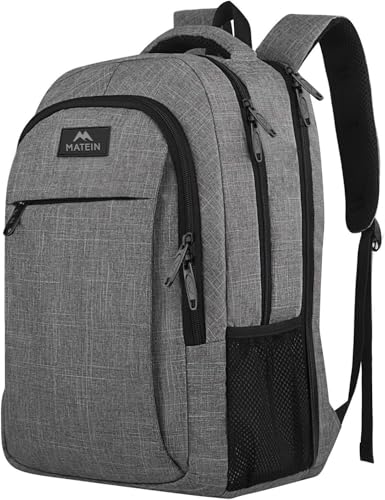


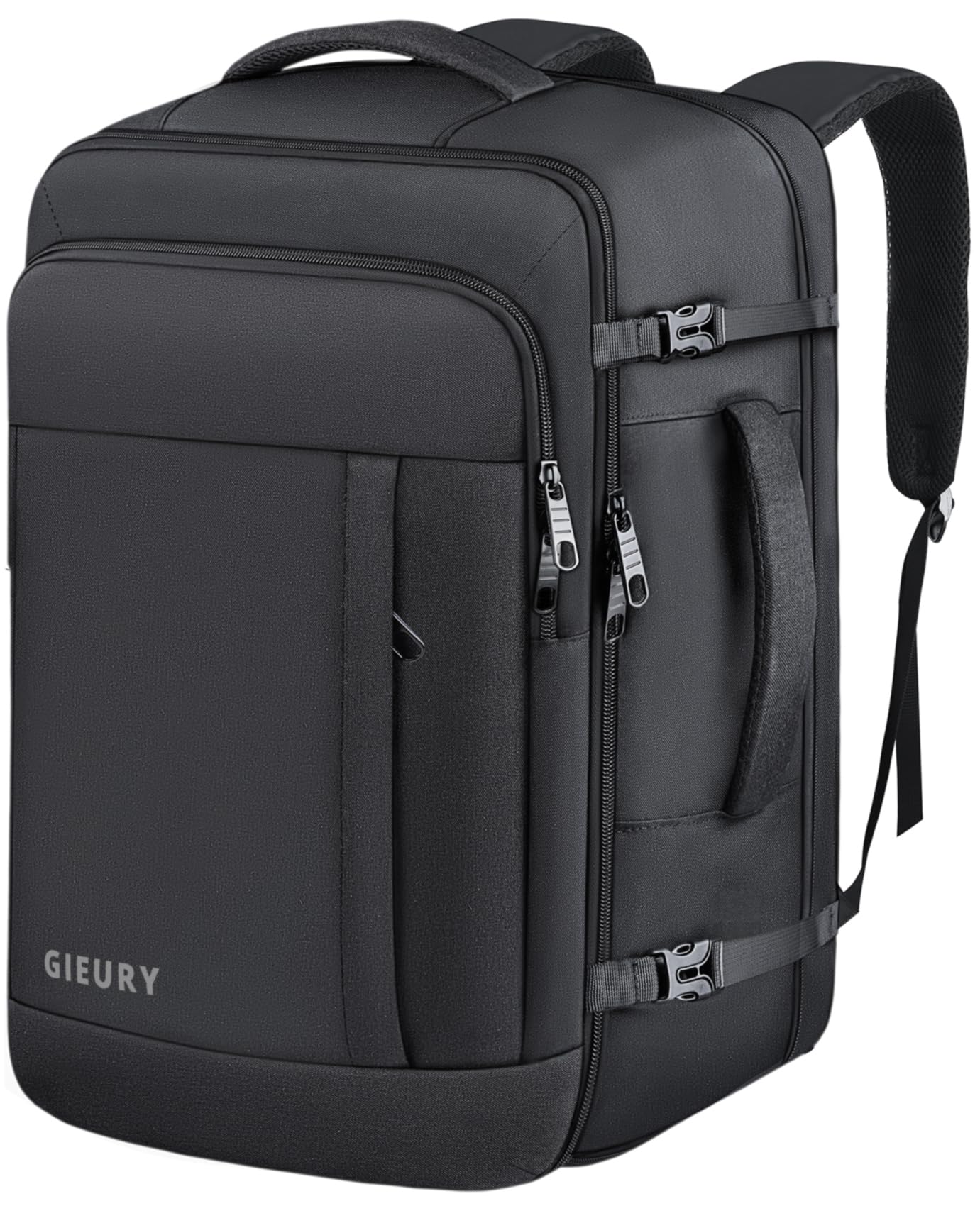


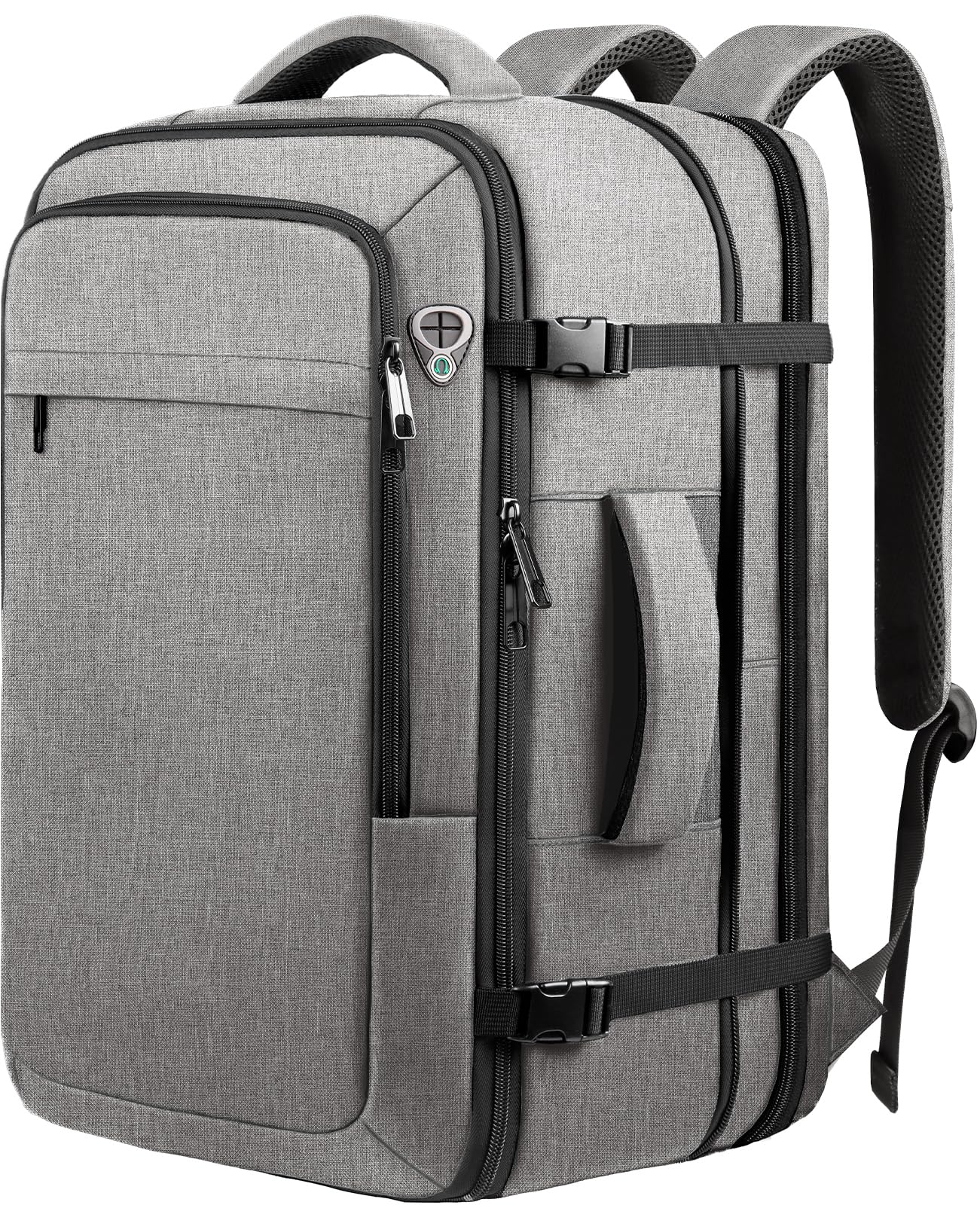
Best Big Backpacks: Spending Levels at a Glance
Think of spending levels as a guide to typical features, not as a quality ranking. A lower cost pack can be a smart choice for occasional use, while a higher cost pack can be worth it for frequent travel. The right level depends on how often you carry a full load, how far you walk with it, and how much protection your gear needs.
Lower Cost Packs
Lower cost big backpacks usually offer a large main compartment, basic padding, and simple organization. They can work well for occasional trips, school use, or a spare pack for guests. Expect thinner fabric, simpler zippers, and less refined shoulder straps and hip belts. If the pack will only be used a few times a year and loads stay light, a lower cost option can be good value.
Midrange Packs
Midrange big backpacks often add stronger fabric, better zippers, more thoughtful pockets, and improved back panels and straps. They tend to feel more comfortable under a full load, and they often include a padded laptop sleeve, a water bottle pocket, and a rain cover or water resistant coating. For a closer look at laptop carrying options, see our guide to the best laptop backpack. For regular commuters and travelers, this level often gives the best balance of comfort, durability and price.
Higher Cost Packs
Higher cost big backpacks may offer premium materials, refined suspension systems, lockable zippers, hidden pockets, and more precise size options. They can be worth it if you travel often, carry expensive gear, or walk long distances with a full pack. Before paying more, check whether the extra cost improves fit, access, or durability in a way you will notice. A stylish finish alone is not a reason to spend more.
What Your Money Gets You at Each Price Tier
Price tiers change more than the logo on the front. Fabric weight, stitching, zipper quality, padding, and back panel design all tend to improve as price rises. Use this section to judge whether a higher tier solves a problem you actually have, such as sore shoulders or wet gear.
At a Lower Price
At a lower price, expect a straightforward design with one large main space and a few smaller pockets. The pack may lack a structured back panel, so heavy loads can feel closer to your back and less stable.
Water resistance is often limited to a coating that handles light rain, not a long downpour. These packs are best for light loads, short carries, and trips where you can keep the pack dry. For daily use options, see our guide to the best everyday backpack.
In the Middle Price Range
In the middle price range, packs usually add a padded and ventilated back panel, a shaped hip belt, and a sternum strap that helps spread weight across your shoulders and hips. Pockets become more useful, with a separate laptop compartment, a quick access pocket for travel documents, and side pockets that actually hold a water bottle. Zippers tend to run more smoothly under load, and fabric resists scuffs better. This range suits most travelers who carry a pack for hours at a time.
At a Higher Price
At a higher price, packs often use tougher, lighter fabric, reinforced stress points, and a suspension system that can be adjusted for torso length. You may also find a clamshell opening that lets you pack like a suitcase, lockable zippers for travel security, and a rain cover that is built in or included. These features matter most on long trips, in bad weather, or when you carry camera gear, a laptop, and clothes together. If you travel only a few times a year, they may be nice but not essential.
Features Worth Paying For and Ones to Skip
Not every feature is worth paying for, and the value of a feature depends on your use. A feature that helps a frequent flyer may be useless for a daily commuter, and a feature that helps a hiker may get in the way on a crowded train. Judge each feature by how often you will use it and whether it solves a real problem.
Carry On Compliance
Carry on compliance matters if you fly with your pack and want to avoid checked bag fees. Many airlines allow a bag around 22 by 14 by 9 inches, but limits vary by airline and by aircraft, so always check the rules for your specific flight. For travel focused options, see our guide to the best backpacks for travel.
A pack that is just over the limit when fully packed can cause trouble at the gate. If you rarely fly, carry on size is less important than comfort and capacity for your usual trips.
Security Features
Security features include hidden pockets, lockable zippers, and slash resistant panels or straps. A hidden pocket near the back panel is useful for a passport or wallet in crowded places, while lockable zippers can deter quick access when the pack is out of sight. These features add weight and cost, and they do not make a pack theft proof. If you mostly use the pack for commuting or school, simple zippers and a pocket close to your body may be enough.
Capacity in Liters
Capacity is usually given in liters, and the right size depends on what you carry and for how long. A pack around 20 to 30 liters suits a day trip or a light overnight stay, while a pack around 40 liters can work as a carry on for a short trip. Packs of 50 liters or more suit multi day travel, but they can feel bulky on a daily commute.
Do not choose the largest pack you can find. A pack that is too large invites overpacking, and a half empty large pack can feel unbalanced.
Fit, Torso Length, and Suspension
Fit matters more than capacity once a pack is fully loaded. Torso length is the distance from the base of your neck to your hip bones, and a pack that matches your torso length will sit better on your hips and shoulders. A padded hip belt should carry much of the weight, while a sternum strap keeps the shoulder straps in place.
A ventilated back panel helps reduce sweat on warm days. If a pack only comes in one size, try it fully loaded before you commit, since an unloaded pack can hide fit problems.
Measuring for Size and Portability
To measure for size, first list what you must carry on a typical trip, including a laptop, clothes, toiletries, and any work or camera gear. Then compare that list with the pack dimensions and the main compartment layout, not just the total liter rating. A tall, narrow pack and a short, wide pack can hold the same volume but feel very different.
Also think about portability. A very large pack can be hard to store, hard to lift into an overhead bin, and awkward on crowded transport, even if it holds everything you own.
Long Term Costs to Factor In
The purchase price is not the only cost of a big backpack. Accessories such as packing cubes, a rain cover, or a laptop sleeve can add to the total. A pack with weak zippers or thin fabric may need replacement sooner, while a pack with a strong warranty may last longer.
Also consider cleaning and care. A pack that can be wiped clean or washed following the maker guidance will stay usable longer than a pack that stains easily and cannot be cleaned. Check the warranty terms before you buy, including what is covered, how long coverage lasts, and whether the maker offers repair parts. A slightly higher price can be cheaper over time if the pack lasts twice as long.
Big Backpacks: Your Questions Answered
How do I measure my torso length for a backpack?
To measure torso length, stand straight and find the bony bump at the base of your neck, then find the top of your hip bones at your sides. Ask someone to measure the distance between those two points, since measuring yourself can bend your posture and change the result. Compare that number with the maker size chart for the pack, not with a generic small, medium, or large label. If you fall between sizes, the maker guidance for your body type and load weight can help you choose.
Will a big backpack fit under an airplane seat?
Most big backpacks will not fit under an airplane seat once they are fully packed, because under seat space is much smaller than overhead bin space. A compact daypack may fit, but a large travel pack is usually designed for the overhead bin instead. If under seat storage matters to you, check the airline under seat dimensions and compare them with the pack dimensions when it is packed. Packing light and using compression can help, but it will not turn a large pack into a small personal item.
What size backpack do I need for a weekend trip?
For a weekend trip, many travelers find a pack around 35 to 45 liters enough, depending on climate, clothing, and whether you carry a laptop or camera gear. Light packers in warm weather may manage with less, while cold weather trips with bulky layers need more space. Lay out everything you plan to carry, then check whether it fits the main compartment without forcing the zippers. A pack that closes easily and still leaves a little room for souvenirs is usually the right size.
Is a waterproof backpack necessary for travel?
A fully waterproof backpack is rarely necessary for most travel, but water resistance is useful. A water resistant coating and a rain cover can protect gear in a shower or a short downpour, while a fully waterproof pack is heavier, harder to access, and often more expensive. If you hike in heavy rain, travel by boat, or carry electronics that must stay dry, stronger water protection makes sense. For city travel, a rain cover and a dry bag for electronics often give enough protection at lower cost.
How do I clean a big backpack?
Start with the maker care guidance, since some packs should only be spot cleaned while others can be washed more thoroughly. Empty every pocket, shake out dust and crumbs, and wipe the outside with a damp cloth and mild soap. For stubborn marks, use a soft brush and let the pack air dry completely before storing it, since a damp pack can develop an odor. Never use harsh bleach or a hot dryer unless the maker clearly allows it, and always remove a laptop and other gear before cleaning.
Wrapping Up
The right big backpack for you is the one that fits your body, holds your usual load without strain, and gives you access to the items you need most. Capacity, fit, and durability matter more than a long list of extra features. Use the product table above to compare packs by price tier, capacity, and features, then check the maker size chart before you buy. When one of the best big backpacks matches your trips, your load, and your budget, carrying it becomes much easier.