
Best Bike Seat Cushions in 2026: Which Type Is Right for You?
Disclosure: We may earn a commission when you buy through links on this page, at no extra cost to you. As an Amazon Associate I earn from qualifying purchases. Learn more
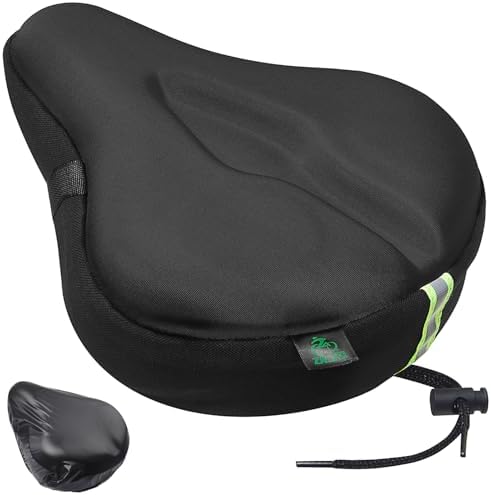
Best bike seat cushions compared by type: gel, foam, and wide covers, with fit, grip, and firmness tips for commuting, trail, and indoor rides.
A sore seat can cut a ride short, yet the range of pads, covers, and shapes makes the choice feel confusing. The right option depends on your saddle shape, your riding position, and how long you usually ride. This guide compares best bike seat cushions by type, so you can match padding and fit to your own rides. Use the product table to narrow the field before you read the detail.
Think of a cushion as a comfort layer, not a fix for a saddle that is the wrong width or shape. A pad can soften pressure and add grip, but it cannot correct a poor riding position or a saddle that does not support your sit bones. Start with the type that suits your riding, then check width, mounting, and cover material.

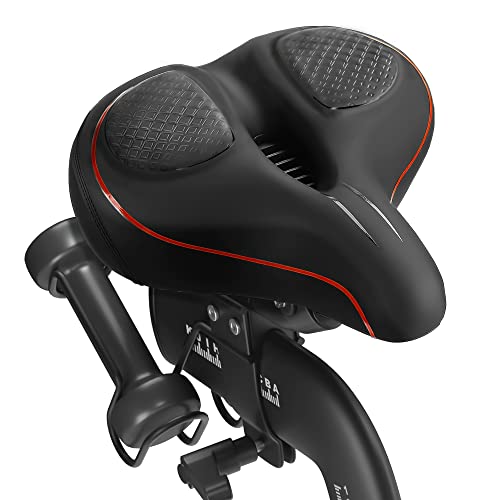
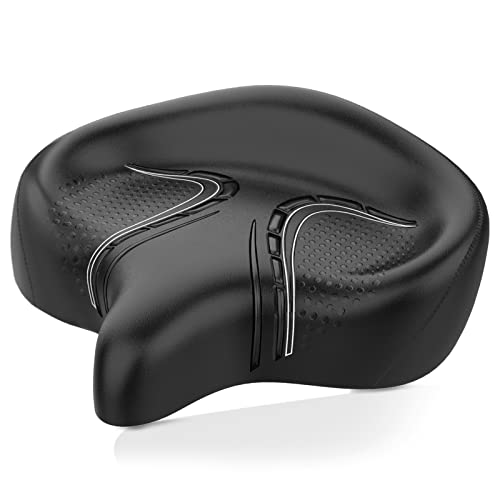


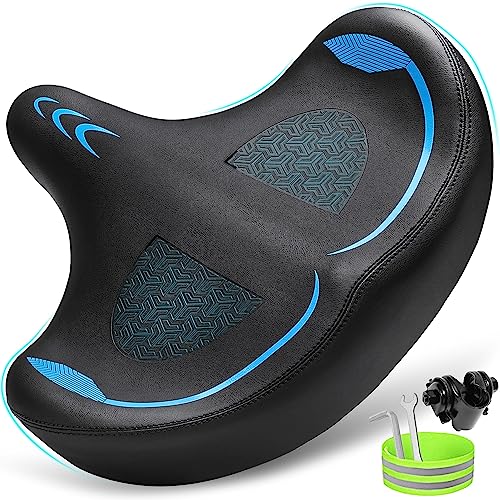


Types of Bike Seat Cushions Compared
The table below gives a quick view of the main types. Read the notes under each type before you decide, because the same pad can feel very different on a wide comfort saddle and on a narrow road saddle.
| Type | Best For | Pros | Cons | Typical Price |
|---|---|---|---|---|
| Gel pad | Commuting and short to medium rides | Soft feel, good pressure spread | Can feel warm, adds weight | around $25 |
| Foam pad | Daily riding and indoor sessions | Light, holds shape, easy care | Can feel firm at first | around $20 |
| Wide padded cover | Upright riding and comfort saddles | Full coverage, simple fit | Can shift on narrow saddles | around $30 |
Gel Cushion Pads
Gel pads spread pressure across a wider area, which can help on rides where you stay seated for most of the time. The soft feel suits commuters and riders who return to the bike after a break. Gel also absorbs small bumps from rough paths, though it does not replace a well fitted saddle. Look for even gel thickness rather than a thick center only, because a lumpy pad can create new pressure points.
A cover that grips the saddle helps the pad stay in place when you shift position.
Gel pads tend to weigh more than foam pads, and they can feel warm on long summer rides. A breathable cover and vents in the pad can help with airflow. If you ride in heat, check whether the cover wicks sweat and dries quickly. For trail riding, a secure strap system matters more than extra thickness, because a pad that slides sideways is a distraction on rough ground.
For mountain riding, see our guide to best cushion seat for mountain bike for shape and grip points that matter off road.
Foam Cushion Pads
Foam pads give a firmer and more stable feel than gel, and they hold their shape well over time. Dense foam supports your weight without letting you sink too far, which helps you keep a steady pedaling position. This type suits daily riders and indoor cyclists who want predictable comfort session after session. Foam is also light, so it adds little to the feel of the bike.
A contoured foam pad with a cut out or channel in the middle can reduce pressure in sensitive areas.
Foam can feel firm during the first few rides, so allow a short break in period before you judge it. Check the foam density in the product details, because very soft foam can flatten quickly under regular use. A removable cover makes washing easier, which matters if you ride often or sweat heavily. If the pad feels too hard, a slightly thicker foam layer is a better step than switching to a very soft pad that bottoms out.
Wide Padded Covers
A wide padded cover slips over the whole saddle and adds a layer of softness in one step. This type suits upright riders, comfort bikes, and cruisers where the saddle itself is already wide. The cover shape should match your saddle closely, with no loose fabric at the sides. A drawstring or strap system keeps the cover in place, and a nonslip underside stops it bunching when you move.
Wide covers are easy to fit and remove, which helps if more than one person uses the same bike.
Wide covers are not a good match for narrow performance saddles, because extra width can rub your thighs as you pedal. If you ride in a forward leaning position, a slimmer pad usually works better. Check that the cover does not cover saddle rails or adjustment bolts you need to reach. For seating comfort away from the bike, see our guide to best seat cushions for general cushion shapes that suit chairs and benches.
Gel Versus Foam: Which Should You Choose?
Choose gel if your main need is softness on shorter rides and you value pressure spread over a firm pedaling feel. Choose foam if you ride often, want a stable platform, and prefer a pad that keeps its shape over many months. Your riding position matters too: upright riders often like the soft feel of gel, while riders who lean forward may prefer foam that does not shift under them. Try to match the pad thickness to your saddle, because a thick pad on a narrow saddle can feel unstable.
Weight, heat, and care also separate the two types. Gel weighs more and can trap heat, while foam stays lighter and often dries faster. Foam usually needs less care, and a removable cover extends its life. If you are unsure, start with a medium thickness foam pad, since it is easier to judge saddle fit without the extra softness of gel masking a width problem.
How to Choose the Right Bike Seat Cushion
Shape and Width
Measure your saddle at its widest point, then choose a pad that covers the sitting area without hanging far over the edges. A pad that is too wide can rub your inner thighs, while a pad that is too narrow leaves your sit bones on hard edges. Sit bone width matters more than body size alone, because two riders of the same height can need different saddle widths. If you ride in shorts with padding, judge the combined thickness rather than the pad alone.
A center channel or cut out can help riders who feel pressure in the middle, but it should not replace a saddle of the right width.
Padding and Firmness
Padding should support you without letting you sink so far that you lose a stable pedaling position. Medium firmness suits most riders, because very soft padding can compress fully and leave you sitting on the hard saddle beneath. Think about ride length: short city rides suit softer pads, while longer rides suit firmer pads that hold their shape. If you feel numbness, tingling, or pain that persists or worsens, stop and see a doctor rather than simply adding more padding.
A pad is a comfort aid, not a treatment for pain, and a clinician can check whether saddle fit, position, or another cause needs attention.
Cover Material and Grip
The cover affects grip, sweat, and cleaning. A textured or nonslip underside keeps the pad in place, which matters when you stand on the pedals and sit back down. A smooth cover may feel cooler but can let you slide forward on steep climbs. Look for a cover that resists water from light rain and that you can wipe clean or remove for washing.
Seams should sit away from the main sitting area, because a raised seam can create a pressure line on longer rides.
Mounting and Fit
Mounting must hold the pad firmly without blocking saddle adjustment. Straps should wrap under the saddle and tighten evenly, and any drawstring should tuck away so it cannot catch on clothing. Check the fit by sitting on the bike and shifting your weight side to side before you ride. If the pad moves, tighten the straps or choose a shape that matches your saddle better.
A good fit feels secure at once, with no need to adjust the pad during a ride.
Picking the Best Bike Seat Cushions for Specific Needs
Peloton and Indoor Bike Cushions
Peloton and other indoor bikes need a pad that suits a fixed saddle and long seated sessions. Foam pads often work well here, because they stay stable when you shift between seated climbs and standing efforts. A cover that handles sweat and washes easily matters more indoors than weather resistance. Check that the pad fits the indoor saddle width, and avoid a very thick pad that changes your riding height enough to affect knee comfort.
If you share the bike, a cover that fits and removes quickly is a practical advantage.
How to Make Your Bike Seat Cushion Last Longer
Remove the pad after wet rides and let it air dry fully before storage, because trapped dampness can damage foam and covers. Wash a removable cover as the maker directs, and wipe a fixed cover with a damp cloth rather than soaking the whole pad. Check straps and seams now and then for wear, and replace a pad whose padding has flattened unevenly or whose cover has torn. Store the pad away from sharp objects and direct sun, which can weaken covers over time.
For trips away from home, see our guide to best travel seat cushions for packable seating options that travel better than a bulky bike pad.
Bike Seat Cushions: Your Questions Answered
Is a thicker bike seat cushion always more comfortable?
No, a thicker cushion is not always more comfortable, because extra thickness can make your position unstable and change your saddle height. A very thick pad can also press on your thighs and make pedaling feel awkward. A better check is whether the pad supports your sit bones evenly without bottoming out. Riders who feel pressure after an hour often need a better saddle width or position change, not simply more padding.
If discomfort appears suddenly or lasts after rides, seek medical advice.
Can I use a bike seat cushion on a spin bike?
Yes, you can use a bike seat cushion on a spin bike if it fits the saddle width and stays secure during standing efforts. Measure the indoor saddle first, because indoor saddles are often wider than road saddles. A pad with strong straps works better than a loose cover when you move on and off the saddle. Also check that the pad does not raise your seat height enough to change your knee angle.
If your knees feel strained after adding a pad, lower the saddle slightly and recheck your position.
How do I wash a bike seat cushion safely?
Wash a bike seat cushion safely by following the maker care label and removing the cover when the design allows it. Most removable covers can be machine washed on a gentle cycle and air dried, while gel and foam inserts should only be wiped clean. Never soak a gel insert, because water can damage seams and shift the gel inside. Let every part dry fully before you refit the pad, since damp padding can smell and wear faster.
If the care label is missing, hand wash the cover and wipe the insert.
How often should I replace my bike seat cushion?
Replace your bike seat cushion when the padding flattens unevenly, the cover tears, or the pad no longer stays in place. For regular riders, that often means checking the pad every season rather than following a fixed calendar date. Signs of wear include a hard spot under one sit bone, a cover that bunches, or straps that no longer tighten. A worn pad can hide a saddle fit problem, so check your saddle and riding position when you replace it.
Keep the old pad for comparison if you are unsure whether the new one feels better.
What firmness suits longer bike rides?
Medium to firm padding usually suits longer bike rides, because it holds its shape and keeps your position steady over time. Very soft padding feels pleasant at first but can compress fully, leaving you on the hard saddle beneath. Riders who cover long distances often pair a firm pad with padded shorts for a balanced feel. If you ride for more than two hours, try the pad on a medium ride before a long event.
Note whether numbness or soreness builds slowly, since that pattern points to fit or position rather than pad softness alone.
Final Thoughts
Start with your saddle width, then choose gel for softness on shorter rides or foam for stable support on frequent rides. Check the cover, grip, and mounting before you buy, because a pad that shifts or traps sweat will disappoint no matter how soft it feels. Use the product table and the type comparison above to weigh options side by side, and judge the pad over several rides rather than on a single short spin. With the right fit, best bike seat cushions can make regular riding far more pleasant without changing your bike.


