Best Bidet for Seniors: Types, Controls and Buying Tips (2026)
Disclosure: We may earn a commission when you buy through links on this page, at no extra cost to you. As an Amazon Associate I earn from qualifying purchases. Learn more
Easy controls, gentle pressure and a stable fit matter most. Compare formats to find the best bidet for seniors in your bathroom.
Twisting to wipe can become painful when your shoulders, back, or hips lose range of motion, and dry paper can irritate thin or sensitive skin. The right best bidet for seniors solves both problems with a controlled stream of water, controls you can reach without turning, and pressure you can start very gently. This guide compares types instead of pushing specific models, so you can match the format to your toilet and your hands first.
Use the comparison table below to scan the basic formats, then read the sections that match your needs most closely.

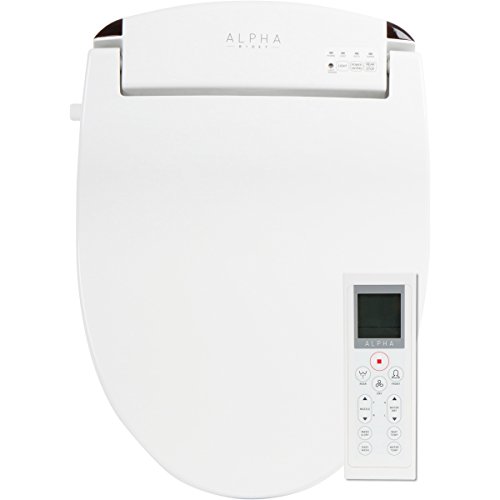

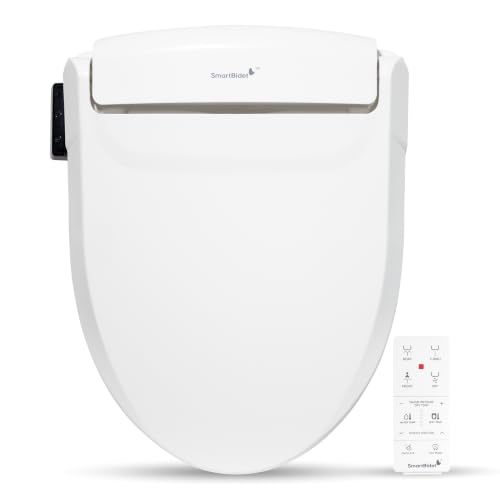
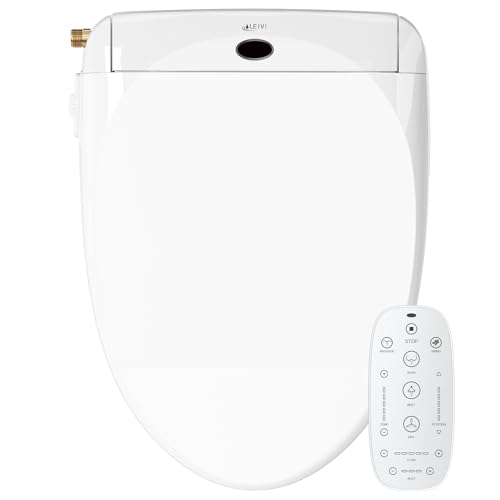

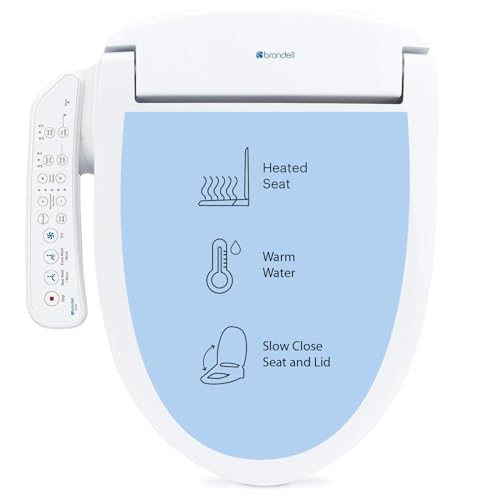
Bidet Types to Compare at a Glance
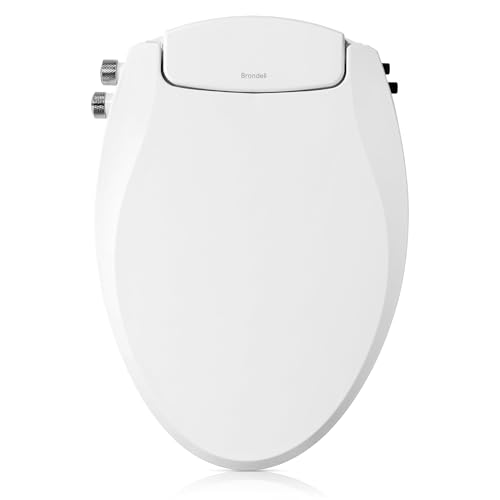
Attachments are slim plates that sit under your current seat and add a nozzle and a side control. They cost the least and install the fastest, but most give you cold water only. Attachments suit a first trial, a guest bathroom, or a renter who needs a setup that can be removed without changing the toilet.
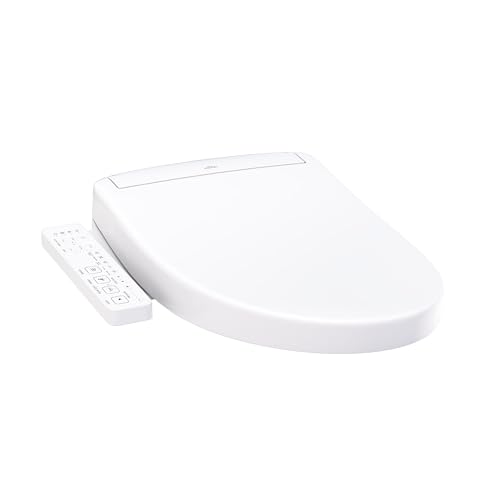
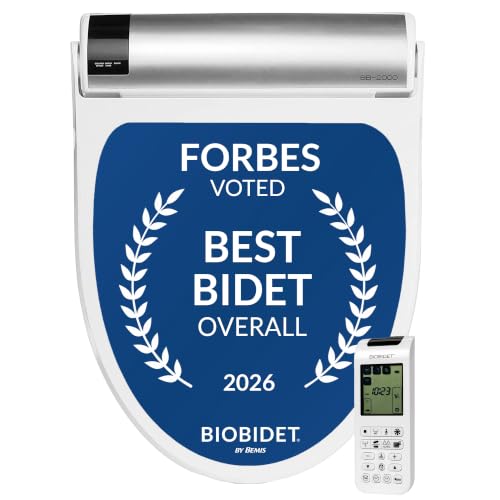
Seats replace your current toilet seat and put the nozzle, controls, and spray settings in one unit. A non electric seat uses water pressure alone and often adds a second nozzle for front wash. An electric seat adds warm water, a heated seat surface, and a remote or side panel, but it needs a nearby outlet and costs more.
Handheld sprayers give you full control of angle and timing, though they demand a steady grip and careful aim. A portable bottle or battery powered travel unit works away from home, but it holds little water and gives a weaker rinse than a plumbed unit.
How to Judge a Bidet for Senior Use
Judge every model on five points in this order. First comes control access, since a control you cannot reach or turn has no value. Next comes gentle pressure control at the lowest setting, then fit on your exact toilet, then safe water and electrical parts, and finally cleaning access. Listings for the wider best bidet category can look similar, so score each option against those five points rather than a long feature list.
Build quality matters in quiet ways. Look for solid brass or stainless fittings at the water connection instead of thin plastic, a nozzle guard, and slow closing hinges that will not slam. A clear warranty of at least one year and available spare hoses and seals show that the maker supports the product after the sale.
Who Should Buy Which Bidet?
Seniors With Limited Reach or Reduced Mobility
If turning your trunk hurts or one arm is weak after surgery or a stroke, washing with water removes most of the reach that wiping demands. Choose a seat with a remote you can mount on the wall at elbow height or a large side dial on your stronger side. Front and rear wash positions help because you stay seated squarely instead of leaning.
Seniors With Arthritis or Weak Grip Strength
Small stiff knobs are the weak point of many cheap attachments. Look for a lever you can push with the heel of your hand, a dial with raised ridges and clear stops, or remote buttons that are large, spaced apart, and marked with simple icons. If your vision is also limited, controls with a distinct click or beep for each setting are easier to use by feel and sound.
Seniors Who Need Nighttime Safety and Caregiver Help
Night trips raise the risk of a fall when you are sleepy and the room is dark. A soft night light and a heated seat help you stay calm and steady. If a family member or aide assists you, choose a seat with a simple one button wash cycle and parts that wipe clean quickly, so help stays dignified and brief.
How to Choose the Right Bidet for Seniors
Type
Start with how much change your bathroom can take. An attachment keeps your current seat and needs no power, so it suits a quick trial or a second bathroom. A full seat gives better nozzle aim, a more stable sitting surface, and controls placed for daily use. If you travel often, add a best portable bidet for trips while a fixed unit does the daily work at home.
Features Worth Paying For
Warm water is the comfort feature most seniors value, since a cold spray can startle and tense the body. A heated seat, warm air drying, and a soft mode with lower starting pressure also earn their cost for daily users. A remote with large buttons beats a crowded side panel when your reach is short. If those comforts matter, compare a best electric bidet with simpler models and budget for an outlet.
Measurements and Compatibility With Your Setup
Measure before you order anything. Note whether your bowl is round or elongated by measuring from the seat hinge bolts to the front rim, about 16.5 inches for round and about 18.5 inches for elongated. Check the space between the tank and the bolt holes, since some seats need a flat area to sit level. Confirm that your shut off valve is reachable and that a T valve and hose can fit behind the toilet. One piece toilets and skirted bowls often need special fittings.
Certifications
For plumbing parts, look for lead free markings and compliance with NSF and ANSI standards for drinking water contact, since the supply line is the same water that feeds your taps. Electric seats should carry a recognized electrical safety listing, such as UL or ETL, on the label or in the manual. Backflow protection matters too, because it keeps toilet water from moving toward the clean supply. If you cannot find certifications on the maker site, choose a clearer option.
DIY or Pro Installation Cost
Many attachments and non electric seats are realistic home jobs with a wrench, a bucket, and about 30 to 60 minutes, and our guide on how to install a bidet walks through the basic steps. Hire a plumber if your shut off valve is corroded or if kneeling behind the bowl is unsafe for you. Electric seats may also need an electrician to add a GFCI outlet, and that visit often costs more than the plumbing work.
How Much Should You Spend?
Expect broad category ranges rather than fixed prices. Simple attachments often fall around $30 to $100, while a well built best non electric bidet seat commonly sits around $100 to $300. Electric seats with warm water and drying usually run about $250 to $600, and higher prices mainly buy quieter motors and longer warranties. Set aside a little extra for a supply line or an outlet if you need one.
What Matters Most in a Bidet for Seniors
Gentle and predictable washing matters more than maximum pressure. Thin skin tears more easily, and conditions such as hemorrhoids or healing tissue after a procedure can make strong spray and rough paper both painful. Start every new unit on its lowest setting, sit centered, and raise pressure one step at a time over several days. A soft aerated stream with a wide spray pattern usually feels kinder than a narrow forceful jet.
Rinsing with water reduces the friction of repeated wiping, and warm air drying or a small amount of paper to pat dry helps prevent lingering moisture. See a doctor promptly for blood in your stool or urine, new or lasting bowel changes, repeated urinary burning or fever, broken skin that does not heal, or strong rectal pain. Talk with your clinician about personal needs if you have had pelvic surgery, use blood thinners, or manage a condition that affects healing.
Stability is the quiet safety factor. The seat should not shift when you sit, stand, or transfer from a walker or grab bar, so tighten the mounting plate as directed and check it after the first week. Keep the floor dry and fix any drip at once.
Common Mistakes to Avoid
- Buying for features before fit, so the seat rocks on your bowl or the tank blocks the lid.
- Choosing tiny controls that stiff or swollen fingers cannot turn with wet hands.
- Starting on high pressure, which can sting sensitive skin and put you off a helpful tool.
- Skipping the outlet check on an electric seat, then running a cord across a wet floor.
- Tightening plastic fittings too far, which cracks them and causes slow leaks.
- Forgetting a shut off plan, so a small drip grows because no one can reach the valve.
Care and Maintenance
Wipe the seat, lid, and control panel with a soft cloth and mild soap, and avoid harsh scrub pads that cloud plastic or damage sensors. Most nozzles have a self cleaning rinse or a manual extension mode for washing the tip, so run that cycle on the schedule the manual suggests. In hard water areas, mineral scale can narrow the spray holes, and a gentle vinegar soak of removable nozzle tips, if the maker allows it, restores an even pattern.
Check hose connections behind the toilet once a month for dampness, and replace worn washers at the first sign of seepage. Electric seats often include a small water filter that needs changing on a set interval. Keep the manual nearby, so a helper does not change settings by accident.
FAQ
What is the best bidet for seniors with very limited mobility?
For very limited mobility, a seat with a wall mounted remote and an automatic one button cycle is usually the easiest format. Look for a unit that lets a helper set pressure and temperature in advance, so each use starts at the same safe settings. Raised toilet height and grab bars are separate aids, so ask an occupational therapist if transfers feel unsafe.
What should I look for first in a bidet for seniors?
Start with the control, not the feature list. Picture yourself seated, tired, and with wet hands, then ask whether you could start, adjust, and stop the wash without looking down or twisting. A large lever, ridged dial, or spaced remote buttons pass that test better than flat touch panels. Once the control works for you, narrow the field by bowl shape and water temperature.
How do you use a bidet for the first time as a senior?
Sit centered, start the wash on the lowest setting, and stay still while you learn where the stream lands. Our step by step guide on how to use a bidet covers posture and timing in more detail. One new point for first tries: practice pressing stop before you start, so you always know how to end the cycle. Pat dry gently afterward and stand up slowly.
Can a bidet be installed on any toilet in a senior home?
Most two piece toilets with a standard tank and accessible bolt holes accept an attachment or a seat without major work. The tricky cases are one piece toilets, skirted bowls, and bathrooms where the water valve is hidden behind a panel. Take photos of the tank area, bolt spacing, and valve before ordering and send them to the maker support team. That quick check prevents the most common return, a seat that cannot sit flat.
Are bidets sanitary for older adults with sensitive skin?
Generally, when the nozzle stays covered between uses, runs a rinse cycle, and gets cleaned on schedule. Nozzles retract behind a guard on most seats and attachments, which limits splash contact. For extra care, choose a model with a removable nozzle tip that you or a helper can wash and replace. If you are prone to urinary infections, ask your clinician whether front wash use is right for you.
Do bidets need electricity to work?
No. Attachments and non electric seats run on water pressure alone and still give you adjustable washing without any cord or outlet. Electricity is only required for powered comforts such as instant warm water, a heated seat, warm air drying, and some night lights. If your bathroom has no outlet near the toilet, a non electric model removes that barrier completely.
Final Thoughts
The product table above pulls the main formats into one view, so use it to confirm which type fits your toilet and your budget before you order. For most readers, the best bidet for seniors is the one with controls you can work by feel, pressure that starts truly gentle, and a seat that never shifts under you. Match those three points first, and add warm water or a night light only if they serve your routine.